What Is Good For Kidney Health: Smart Tips

Have you ever thought that the choices you make every day might quietly protect your kidneys? Keeping your blood pressure in check, watching your protein intake, and using less salt are all simple ways to help your kidneys work well. Monitoring numbers such as blood sugar and getting routine tests to check kidney function can ease the strain on your body and support lasting health.

In this post, we share easy, everyday tips in clear language so you can take charge of your kidney health. Stay with me to discover these small steps that truly make a big difference.

Key Kidney Health Tips to Support Renal Function

Keeping key health numbers steady is a great way to protect your kidneys. For example, aiming for a blood pressure below 130/80 mm Hg and keeping your blood sugar in check (with an HbA1c under 7%) can help slow kidney decline. These goals, backed by trusted clinical guidelines, mean less stress for your kidneys.

It also helps to watch other markers. Try to keep your sodium under 2,300 mg a day and balance your protein intake at about 0.8 g per kilogram of body weight. Regular tests like GFR (aiming for at least 60 mL/min/1.73 m²) and serum creatinine (keeping it between 0.6 and 1.2 mg/dL) help you see how well your kidneys are working without being overburdened.

  • Blood pressure control – Regularly checking your blood pressure helps keep it within a safe range.
  • Protein management – Balancing your daily protein intake allows your kidneys to repair without being overworked.
  • Sodium restriction – Cutting down on salt in your meals reduces extra fluid buildup and eases kidney strain.
  • Blood sugar regulation – Keeping your glucose levels steady helps avoid extra complications.
  • Weight management – Staying at a healthy weight eases pressure on your overall circulation.
  • Routine labs – Regular tests like GFR and serum creatinine give timely updates on your kidney function.

Putting these tips into practice is easier than you might think. You might start by keeping a daily journal to track your blood pressure, blood sugar, and what you eat. And regular check-ups with your healthcare provider can catch any changes early. This simple routine not only shows your commitment to a kidney-friendly lifestyle but also gives you the info you need to make small, powerful improvements every day.

Kidney-Friendly Food Choices for Optimal Renal Health
img-1.jpg

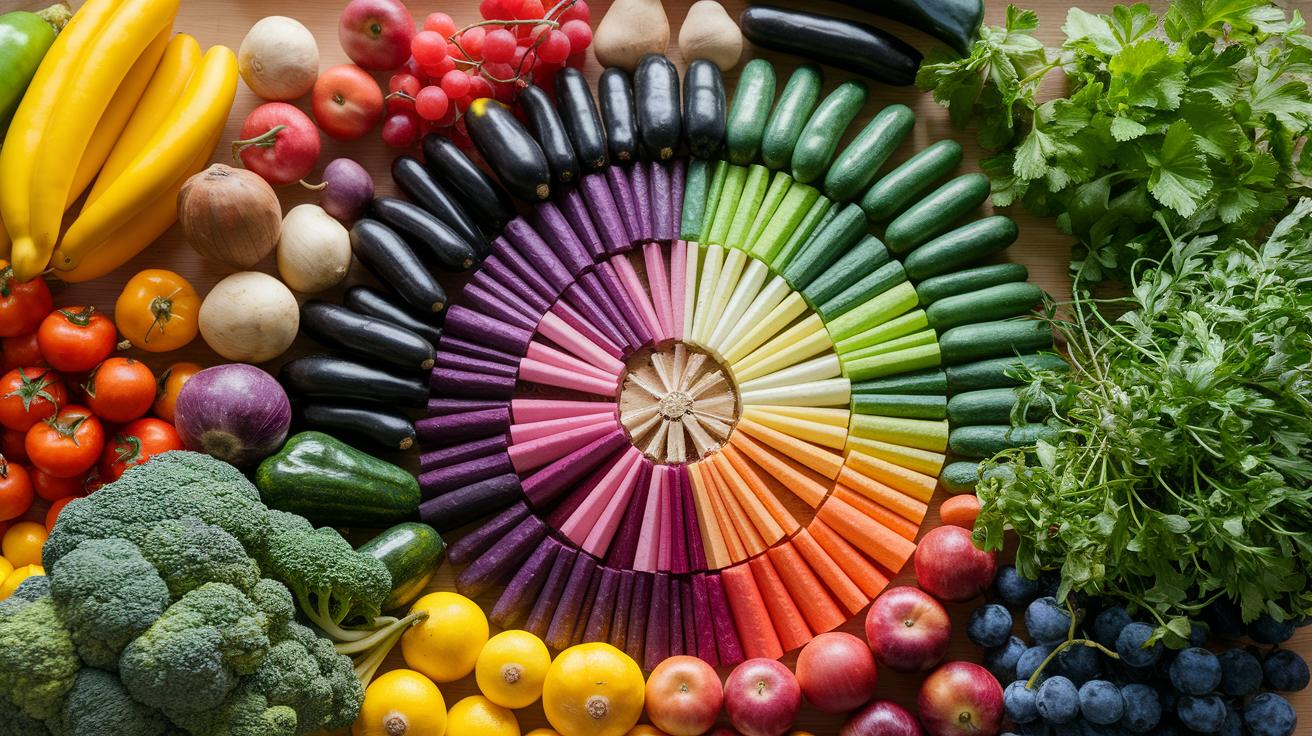
Focusing on whole foods is a smart way to keep your kidneys in good shape. By using natural ingredients, you get a balanced mix of essential nutrients without overwhelming your system. Think of it like creating a beautiful mosaic with colorful vegetables, fresh fruits, lean proteins, and healthy fats that support kidney repair and add to overall wellness.

For instance, try mixing red bell peppers with some crunchy cauliflower, or toss apple slices into a vibrant salad drizzled with olive oil. Lean proteins like egg whites and wild salmon act as the building blocks your body needs, while fruits and veggies provide comforting fiber and antioxidants. These simple changes to your meal plan might just give your kidneys the gentle support they need.

Remember, if you’re thinking about adjusting serving sizes or making big changes, it’s always a good idea to check in with your healthcare provider. Small, mindful choices today can help you feel better and support kidney health for the long term.

Food Sodium (mg) Potassium (mg) Phosphorus (mg)
Red Bell Peppers (½ cup) 1 88 10
Cabbage (¼ cup) 3 90 8
Cauliflower (½ cup) 9 150 12
Garlic (1 clove) 1 36 1
Onions (½ cup) 2 90 9
Apples (1 medium) 2 195 20
Blueberries (½ cup) 1 57 10
Egg Whites (3 whites) 60 100 15
Wild Salmon (3 oz.) 50 368 274
Olive Oil (1 tbsp) 0 0 0

Hydration and Beverages That Enhance Kidney Health

Staying well-hydrated is one of the easiest ways to support your kidneys. Experts tell us that drinking about 1.5 to 2 liters of fluids each day can help thin out waste so your kidneys can do their work more efficiently. It’s like giving your body a little boost, helping fresh water flush out those toxins. Plain water is the gold standard here, but a bit of unsweetened cranberry juice or a soothing cup of herbal tea can add a fun twist without packing on extra sugar.

It’s not just about gulping down any drink, though. Choosing beverages that keep your kidneys happy can make a real difference. High-caffeine drinks and sugary sodas can cause sudden spikes in blood sugar and put extra stress on your kidneys, which isn’t ideal.

Beverage Advice
Water Stick with plain water for most of your fluid intake.
Cranberry Juice Enjoy unsweetened cranberry juice in moderation.
Herbal Teas Choose caffeine-free herbal teas for a soothing option.
High-Caffeine & Sugary Drinks Limit these drinks to avoid stressing your kidneys.

Remember, each small choice, like opting for a refreshing glass of water, can make a big difference in keeping your kidneys healthy and strong.

Evidence-Based Supplements and Vitamins for Kidney Support

img-2.jpg

Sometimes giving your kidneys a little extra help with the right supplements can make a real difference in your overall well-being. Packing your diet with well-researched micronutrients not only supports kidney function but also helps keep your immune system strong, balances your electrolytes, and eases inflammation.

Here’s a simple rundown of some choices you might consider:

  1. Vitamin D: Aim for about 1,000 IU each day. This dose supports both healthy bones and proper kidney function.
  2. B-complex: Adding a B-complex formula to your diet can help maintain a balanced immune system and keep your electrolytes in check.
  3. Omega-3: Try taking 1,000 mg daily of EPA/DHA. Omega-3 fatty acids are known to help tone down inflammation.
  4. Magnesium: A daily dose of 250 mg works to regulate your body’s electrolytes, which is key for smooth bodily functions.
  5. Vitamin C: Keeping your intake under 2,000 mg a day is a good idea because it may lower the risk of oxalate stone formation.

Of course, everyone’s body is unique. It’s always smart to discuss any changes or new dosages with your healthcare provider to make sure you’re meeting your individual health needs.

What is Good for Kidney Health: Smart Tips

Herbal remedies can offer your kidneys a gentle boost by naturally helping your body flush out toxins. Research tells us that herbs like nettle leaf, dandelion root, and parsley work as mild diuretics (which means they help you pee out unwanted substances). For instance, green tea is brimming with catechins that can lower oxidative stress markers by around 15–20%, while some short-term studies suggest that chamomile tea might ease kidney inflammation. Picture yourself enjoying a warm cup of green tea, it’s both comforting and supportive of your kidney function.

Of course, even natural remedies need to be used wisely. It’s important to be mindful of how much you use, especially if you have any health concerns or are taking medications. Start off slow to see how your body reacts, and chat with your healthcare provider if you’re thinking about trying something new.

Here are some simple guidelines:

  • Nettle Leaf: Steep 1 teaspoon of dried nettle leaves in 8 ounces of hot water for about 10 minutes. Enjoy this drink once a day for up to two weeks.
  • Dandelion Root: Brew 1 teaspoon of dried dandelion root in hot water for 10–15 minutes. Have this once daily for short-term detox support.
  • Parsley: Use 1 tablespoon of fresh parsley or 1 teaspoon of dried parsley, steeped in hot water for about 10 minutes. Drink it daily for a brief period.
  • Chamomile Tea: Steep one chamomile tea bag in hot water for around 5 minutes. Sip this once a day to help calm inflammation.

Lifestyle Adjustments: Exercise and Habits That Boost Kidney Function

img-3.jpg

Everyday changes in how you live can really help your kidneys do their job better. Even tiny tweaks, like a quick walk outside or a few minutes of focused breathing, can boost the flow of blood to your kidneys and ease the pressure on these vital organs.

Try mixing in a brisk 30-minute walk every day. It may sound simple, but it helps improve the blood flow to your kidneys by roughly 15%, giving them the support they need. And consider setting aside 10 minutes daily for slow, deep breaths. This little break can lower your stress hormone levels, like cortisol, which can otherwise put extra strain on your nephrons (the tiny filters in your kidneys).

Keeping a regular sleep schedule is also a big deal. When you stick to a consistent bedtime routine, your body gets the chance to repair and refresh itself. Plus, if you're a smoker, quitting can be a game-changer, cutting down the risk of kidney issues by about 35% and lightening the load on your entire system. Maintaining a healthy weight rounds out the mix by ensuring your blood circulates well, reducing unnecessary pressure on your kidneys.

In short, these small, everyday habits, when practiced regularly, form the foundation of a healthier life for your kidneys and your overall well-being.

At-Home Monitoring Techniques for Kidney Health Tracking

Monitoring your kidneys from home gives you a real sense of control over your health journey. Using simple tools like creatinine strips, finger-prick eGFR kits, and urinalysis dipsticks, you can check important markers that tell you if your kidneys are doing their job well. For example, keeping a creatinine level between 0.6 and 1.2 mg/dL and an eGFR of at least 60 mL/min/1.73 m² usually means your kidneys are operating as they should. Similarly, a protein reading under 30 mg/g on your urinalysis suggests your kidneys are filtering waste properly.

Test Frequency Normal Range
Creatinine Test Strips Weekly 0.6–1.2 mg/dL
Finger-Prick eGFR Kits Weekly ≥ 60 mL/min/1.73 m²
Urinalysis Dipsticks Weekly Protein < 30 mg/g

If any test shows a reading outside these ranges, or if you start noticing signs like swelling or feeling unusually tired, it might be a good idea to talk with your doctor. Regular self-checks combined with professional advice can help you stay ahead, ensuring any necessary tweaks to your care plan are made quickly.

Dietary Strategies for Chronic Conditions to Protect Kidneys
img-4.jpg

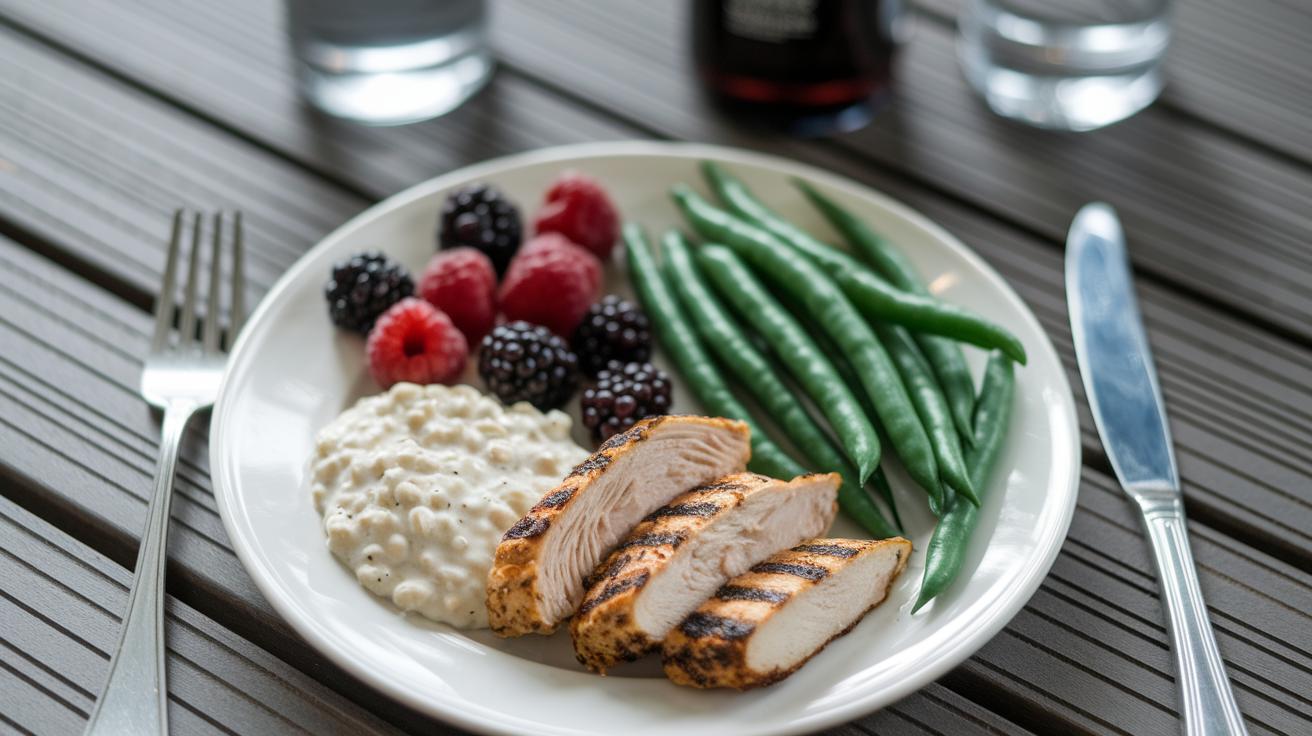
When it comes to protecting your kidneys, focusing on precise nutrient goals can make a real difference. For example, try to enjoy low-glycemic meals that provide 45–60 grams of carbohydrates each time, and keep your phosphorus intake below 800 milligrams daily. These specific targets offer a clearer path than general kidney-friendly eating advice.

For protein and sodium, check out the detailed tips in our key guidelines. In a nutshell, aim for about 0.8 grams of protein per kilogram of your body weight and keep your daily sodium under 1,500 milligrams to give your kidneys a break.

  • Carb control: Did you know that swapping white rice for whole grains can naturally help you hit the 45–60 gram goal per meal?
  • Sodium cap: A small tweak like using herbs instead of salt might help keep your sodium under 1,500 milligrams, easing kidney stress.
  • Protein timing: Think of it like planning snack times, spreading out about 0.8 grams of protein per kilogram throughout the day gives your body what it needs to repair tissues.
  • Phosphorus management: Picture making a simple food switch, choosing fresh fruits and vegetables over processed items can help keep your phosphorus levels below 800 milligrams, lowering the risk of calcification.

Structured Renal Meal Plans and Recipe Ideas

When you design meals that care for your kidneys, you’re curating a full-day menu that meets important nutrient targets while keeping things interesting and tasty. It’s like creating a balanced plate, one that supports your kidneys without overloading them with too much sodium or extra minerals. With a thoughtful plan, you can mix beloved classics with new, exciting dishes that make every bite feel special.

Meal Dish Nutrient Highlights
Breakfast Oatmeal & Berries 150 mg potassium, 70 mg phosphorus
Lunch Grilled Chicken Salad ≤1,500 mg sodium, lean protein
Dinner Baked Tilapia & Green Beans 200 mg potassium, balanced macros

Here are a few handy tips to keep your meal plan both delicious and kidney-friendly:

  • Try prepping meals ahead of time. That way, even on hectic days, choosing a healthy dish is a breeze.
  • Experiment with flavor boosts like fresh herbs, a squeeze of citrus, or your favorite spices instead of reaching for extra salt.
  • Mind your portions. Keeping a balance of about 50% carbohydrates, 25% protein, and 25% fats makes sure you get the nutrients you need without excess.

Final Words

In the action, we reviewed practical kidney health tips supporting renal function through targeted nutrition, hydration, and lifestyle tweaks. We broke down easy-to-follow steps, from monitoring key lab values to enjoying kidney-friendly foods and controlled supplements. Simple meal plans and herbal alternatives rounded out strategies to manage chronic conditions while keeping stress at bay. Every small change helps, and knowing what is good for kidney health can guide better daily choices. These actionable insights empower you to maintain balanced living and improved well-being.

FAQ

What foods should be avoided for kidney health?

Foods to avoid for kidney health include heavily processed items, fast-food, and salty snacks, as they can overload your kidneys with extra sodium and phosphorus.

How can I improve kidney function naturally and avoid dialysis?

Improving kidney function naturally involves adopting a balanced diet low in sodium and protein, controlling blood sugar, and engaging in regular physical activity like brisk walking.

What foods support kidney repair, including liver benefits?

Foods that support kidney repair include antioxidant-rich vegetables and fruits like red bell peppers, cabbage, apples, and berries, along with lean proteins, which also aid in liver support.

What is the best exercise for kidney health?

The best exercise for kidney health is a brisk 30-minute walk daily, which helps improve blood flow to the kidneys and supports overall renal function.

What supplements can improve kidney function?

Supplements such as vitamin D, omega-3 fatty acids, and magnesium, when taken at proper dosages, may support kidney function; consult a healthcare provider for personalized advice.

How can I check my kidney health at home?

Checking your kidney health at home can be done with creatinine test strips, eGFR finger-prick kits, or urinalysis dipsticks, which help monitor protein levels and renal performance.

What is best to drink for optimal kidney health?

The best drinks for optimal kidney health include water, unsweetened cranberry juice, and herbal teas, which aid in flushing toxins without adding excess sugar or caffeine.

Have you ever thought that the choices you make every day might quietly protect your kidneys? Keeping your blood pressure in check, watching your protein intake, and using less salt are all simple ways to help your kidneys work well. Monitoring numbers such as blood sugar and getting routine tests to check kidney function can ease the strain on your body and support lasting health.

In this post, we share easy, everyday tips in clear language so you can take charge of your kidney health. Stay with me to discover these small steps that truly make a big difference.

Key Kidney Health Tips to Support Renal Function

Keeping key health numbers steady is a great way to protect your kidneys. For example, aiming for a blood pressure below 130/80 mm Hg and keeping your blood sugar in check (with an HbA1c under 7%) can help slow kidney decline. These goals, backed by trusted clinical guidelines, mean less stress for your kidneys.

It also helps to watch other markers. Try to keep your sodium under 2,300 mg a day and balance your protein intake at about 0.8 g per kilogram of body weight. Regular tests like GFR (aiming for at least 60 mL/min/1.73 m²) and serum creatinine (keeping it between 0.6 and 1.2 mg/dL) help you see how well your kidneys are working without being overburdened.

  • Blood pressure control – Regularly checking your blood pressure helps keep it within a safe range.
  • Protein management – Balancing your daily protein intake allows your kidneys to repair without being overworked.
  • Sodium restriction – Cutting down on salt in your meals reduces extra fluid buildup and eases kidney strain.
  • Blood sugar regulation – Keeping your glucose levels steady helps avoid extra complications.
  • Weight management – Staying at a healthy weight eases pressure on your overall circulation.
  • Routine labs – Regular tests like GFR and serum creatinine give timely updates on your kidney function.

Putting these tips into practice is easier than you might think. You might start by keeping a daily journal to track your blood pressure, blood sugar, and what you eat. And regular check-ups with your healthcare provider can catch any changes early. This simple routine not only shows your commitment to a kidney-friendly lifestyle but also gives you the info you need to make small, powerful improvements every day.

Kidney-Friendly Food Choices for Optimal Renal Health

img-1.jpg

Focusing on whole foods is a smart way to keep your kidneys in good shape. By using natural ingredients, you get a balanced mix of essential nutrients without overwhelming your system. Think of it like creating a beautiful mosaic with colorful vegetables, fresh fruits, lean proteins, and healthy fats that support kidney repair and add to overall wellness.

For instance, try mixing red bell peppers with some crunchy cauliflower, or toss apple slices into a vibrant salad drizzled with olive oil. Lean proteins like egg whites and wild salmon act as the building blocks your body needs, while fruits and veggies provide comforting fiber and antioxidants. These simple changes to your meal plan might just give your kidneys the gentle support they need.

Remember, if you’re thinking about adjusting serving sizes or making big changes, it’s always a good idea to check in with your healthcare provider. Small, mindful choices today can help you feel better and support kidney health for the long term.

Food Sodium (mg) Potassium (mg) Phosphorus (mg)
Red Bell Peppers (½ cup) 1 88 10
Cabbage (¼ cup) 3 90 8
Cauliflower (½ cup) 9 150 12
Garlic (1 clove) 1 36 1
Onions (½ cup) 2 90 9
Apples (1 medium) 2 195 20
Blueberries (½ cup) 1 57 10
Egg Whites (3 whites) 60 100 15
Wild Salmon (3 oz.) 50 368 274
Olive Oil (1 tbsp) 0 0 0

Hydration and Beverages That Enhance Kidney Health

Staying well-hydrated is one of the easiest ways to support your kidneys. Experts tell us that drinking about 1.5 to 2 liters of fluids each day can help thin out waste so your kidneys can do their work more efficiently. It’s like giving your body a little boost, helping fresh water flush out those toxins. Plain water is the gold standard here, but a bit of unsweetened cranberry juice or a soothing cup of herbal tea can add a fun twist without packing on extra sugar.

It’s not just about gulping down any drink, though. Choosing beverages that keep your kidneys happy can make a real difference. High-caffeine drinks and sugary sodas can cause sudden spikes in blood sugar and put extra stress on your kidneys, which isn’t ideal.

Beverage Advice
Water Stick with plain water for most of your fluid intake.
Cranberry Juice Enjoy unsweetened cranberry juice in moderation.
Herbal Teas Choose caffeine-free herbal teas for a soothing option.
High-Caffeine & Sugary Drinks Limit these drinks to avoid stressing your kidneys.

Remember, each small choice, like opting for a refreshing glass of water, can make a big difference in keeping your kidneys healthy and strong.

Evidence-Based Supplements and Vitamins for Kidney Support

img-2.jpg

Sometimes giving your kidneys a little extra help with the right supplements can make a real difference in your overall well-being. Packing your diet with well-researched micronutrients not only supports kidney function but also helps keep your immune system strong, balances your electrolytes, and eases inflammation.

Here’s a simple rundown of some choices you might consider:

  1. Vitamin D: Aim for about 1,000 IU each day. This dose supports both healthy bones and proper kidney function.
  2. B-complex: Adding a B-complex formula to your diet can help maintain a balanced immune system and keep your electrolytes in check.
  3. Omega-3: Try taking 1,000 mg daily of EPA/DHA. Omega-3 fatty acids are known to help tone down inflammation.
  4. Magnesium: A daily dose of 250 mg works to regulate your body’s electrolytes, which is key for smooth bodily functions.
  5. Vitamin C: Keeping your intake under 2,000 mg a day is a good idea because it may lower the risk of oxalate stone formation.

Of course, everyone’s body is unique. It’s always smart to discuss any changes or new dosages with your healthcare provider to make sure you’re meeting your individual health needs.

What is Good for Kidney Health: Smart Tips

Herbal remedies can offer your kidneys a gentle boost by naturally helping your body flush out toxins. Research tells us that herbs like nettle leaf, dandelion root, and parsley work as mild diuretics (which means they help you pee out unwanted substances). For instance, green tea is brimming with catechins that can lower oxidative stress markers by around 15–20%, while some short-term studies suggest that chamomile tea might ease kidney inflammation. Picture yourself enjoying a warm cup of green tea, it’s both comforting and supportive of your kidney function.

Of course, even natural remedies need to be used wisely. It’s important to be mindful of how much you use, especially if you have any health concerns or are taking medications. Start off slow to see how your body reacts, and chat with your healthcare provider if you’re thinking about trying something new.

Here are some simple guidelines:

  • Nettle Leaf: Steep 1 teaspoon of dried nettle leaves in 8 ounces of hot water for about 10 minutes. Enjoy this drink once a day for up to two weeks.
  • Dandelion Root: Brew 1 teaspoon of dried dandelion root in hot water for 10–15 minutes. Have this once daily for short-term detox support.
  • Parsley: Use 1 tablespoon of fresh parsley or 1 teaspoon of dried parsley, steeped in hot water for about 10 minutes. Drink it daily for a brief period.
  • Chamomile Tea: Steep one chamomile tea bag in hot water for around 5 minutes. Sip this once a day to help calm inflammation.

Lifestyle Adjustments: Exercise and Habits That Boost Kidney Function

img-3.jpg

Everyday changes in how you live can really help your kidneys do their job better. Even tiny tweaks, like a quick walk outside or a few minutes of focused breathing, can boost the flow of blood to your kidneys and ease the pressure on these vital organs.

Try mixing in a brisk 30-minute walk every day. It may sound simple, but it helps improve the blood flow to your kidneys by roughly 15%, giving them the support they need. And consider setting aside 10 minutes daily for slow, deep breaths. This little break can lower your stress hormone levels, like cortisol, which can otherwise put extra strain on your nephrons (the tiny filters in your kidneys).

Keeping a regular sleep schedule is also a big deal. When you stick to a consistent bedtime routine, your body gets the chance to repair and refresh itself. Plus, if you're a smoker, quitting can be a game-changer, cutting down the risk of kidney issues by about 35% and lightening the load on your entire system. Maintaining a healthy weight rounds out the mix by ensuring your blood circulates well, reducing unnecessary pressure on your kidneys.

In short, these small, everyday habits, when practiced regularly, form the foundation of a healthier life for your kidneys and your overall well-being.

At-Home Monitoring Techniques for Kidney Health Tracking

Monitoring your kidneys from home gives you a real sense of control over your health journey. Using simple tools like creatinine strips, finger-prick eGFR kits, and urinalysis dipsticks, you can check important markers that tell you if your kidneys are doing their job well. For example, keeping a creatinine level between 0.6 and 1.2 mg/dL and an eGFR of at least 60 mL/min/1.73 m² usually means your kidneys are operating as they should. Similarly, a protein reading under 30 mg/g on your urinalysis suggests your kidneys are filtering waste properly.

Test Frequency Normal Range
Creatinine Test Strips Weekly 0.6–1.2 mg/dL
Finger-Prick eGFR Kits Weekly ≥ 60 mL/min/1.73 m²
Urinalysis Dipsticks Weekly Protein < 30 mg/g

If any test shows a reading outside these ranges, or if you start noticing signs like swelling or feeling unusually tired, it might be a good idea to talk with your doctor. Regular self-checks combined with professional advice can help you stay ahead, ensuring any necessary tweaks to your care plan are made quickly.

Dietary Strategies for Chronic Conditions to Protect Kidneys

img-4.jpg

When it comes to protecting your kidneys, focusing on precise nutrient goals can make a real difference. For example, try to enjoy low-glycemic meals that provide 45–60 grams of carbohydrates each time, and keep your phosphorus intake below 800 milligrams daily. These specific targets offer a clearer path than general kidney-friendly eating advice.

For protein and sodium, check out the detailed tips in our key guidelines. In a nutshell, aim for about 0.8 grams of protein per kilogram of your body weight and keep your daily sodium under 1,500 milligrams to give your kidneys a break.

  • Carb control: Did you know that swapping white rice for whole grains can naturally help you hit the 45–60 gram goal per meal?
  • Sodium cap: A small tweak like using herbs instead of salt might help keep your sodium under 1,500 milligrams, easing kidney stress.
  • Protein timing: Think of it like planning snack times, spreading out about 0.8 grams of protein per kilogram throughout the day gives your body what it needs to repair tissues.
  • Phosphorus management: Picture making a simple food switch, choosing fresh fruits and vegetables over processed items can help keep your phosphorus levels below 800 milligrams, lowering the risk of calcification.

Structured Renal Meal Plans and Recipe Ideas

When you design meals that care for your kidneys, you’re curating a full-day menu that meets important nutrient targets while keeping things interesting and tasty. It’s like creating a balanced plate, one that supports your kidneys without overloading them with too much sodium or extra minerals. With a thoughtful plan, you can mix beloved classics with new, exciting dishes that make every bite feel special.

Meal Dish Nutrient Highlights
Breakfast Oatmeal & Berries 150 mg potassium, 70 mg phosphorus
Lunch Grilled Chicken Salad ≤1,500 mg sodium, lean protein
Dinner Baked Tilapia & Green Beans 200 mg potassium, balanced macros

Here are a few handy tips to keep your meal plan both delicious and kidney-friendly:

  • Try prepping meals ahead of time. That way, even on hectic days, choosing a healthy dish is a breeze.
  • Experiment with flavor boosts like fresh herbs, a squeeze of citrus, or your favorite spices instead of reaching for extra salt.
  • Mind your portions. Keeping a balance of about 50% carbohydrates, 25% protein, and 25% fats makes sure you get the nutrients you need without excess.

Final Words

In the action, we reviewed practical kidney health tips supporting renal function through targeted nutrition, hydration, and lifestyle tweaks. We broke down easy-to-follow steps, from monitoring key lab values to enjoying kidney-friendly foods and controlled supplements. Simple meal plans and herbal alternatives rounded out strategies to manage chronic conditions while keeping stress at bay. Every small change helps, and knowing what is good for kidney health can guide better daily choices. These actionable insights empower you to maintain balanced living and improved well-being.

FAQ

What foods should be avoided for kidney health?

Foods to avoid for kidney health include heavily processed items, fast-food, and salty snacks, as they can overload your kidneys with extra sodium and phosphorus.

How can I improve kidney function naturally and avoid dialysis?

Improving kidney function naturally involves adopting a balanced diet low in sodium and protein, controlling blood sugar, and engaging in regular physical activity like brisk walking.

What foods support kidney repair, including liver benefits?

Foods that support kidney repair include antioxidant-rich vegetables and fruits like red bell peppers, cabbage, apples, and berries, along with lean proteins, which also aid in liver support.

What is the best exercise for kidney health?

The best exercise for kidney health is a brisk 30-minute walk daily, which helps improve blood flow to the kidneys and supports overall renal function.

What supplements can improve kidney function?

Supplements such as vitamin D, omega-3 fatty acids, and magnesium, when taken at proper dosages, may support kidney function; consult a healthcare provider for personalized advice.

How can I check my kidney health at home?

Checking your kidney health at home can be done with creatinine test strips, eGFR finger-prick kits, or urinalysis dipsticks, which help monitor protein levels and renal performance.

What is best to drink for optimal kidney health?

The best drinks for optimal kidney health include water, unsweetened cranberry juice, and herbal teas, which aid in flushing toxins without adding excess sugar or caffeine.

More from author

LEAVE A REPLY

Please enter your comment!
Please enter your name here

Related posts

Advertismentspot_img

Latest posts

How To Create A Daily Wellness Routine: Thriving

Curious about how to create a daily wellness routine that transforms your mornings and days? Read on as secrets await…

2 Daily Wellness Drink Tips For Radiance

Experience a daily wellness drink with natural herbs, green ingredients, and clinical backing that might change your routine forever, stay tuned.

Daily Wellness: Elevate Your Everyday Vitality

Daily wellness transforms everyday routines into mindful adjustments, merging nutrition, movement, and restorative sleep. What unforeseen practice awaits you next?

Want to stay up to date with the latest news?

We would love to hear from you! Please fill in your details and we will stay in touch. It's that simple!