Precision Medicine: Innovative Cures For Personalized Care

Ever wondered if your healthcare could be made just for you? Precision medicine looks at your genes and daily habits to create a treatment plan that fits you perfectly, much like a suit tailored to your body.

Instead of using the same treatment for everyone, smart tools examine your DNA and track your body’s responses. This method helps catch potential issues before they even start, reducing the guesswork doctors usually face.

In short, precision medicine offers a way to design care that is as unique as you are, opening the door to innovative treatments built around your individual profile.

Redefining Healthcare with Precision Medicine

Imagine healthcare that feels like it was made just for you. Precision medicine does exactly that. It looks at your genes, your surroundings, and even your daily habits before picking out the best treatment. Instead of offering the same therapy to everyone, it uses smart tools like gene sequencing (which decodes your unique genetic makeup) and pharmacogenomics (which helps understand how your body responds to medicines) to craft a plan that’s just for you.

In the past, most treatments were designed to work for everyone the same way, leaving little room for the differences that make you unique. But today’s approach digs into your genetic clues, like changes in genes such as BRCA1 or BRCA2, and even checks for signs like Lynch Syndrome. This means your care isn’t just reacting to symptoms; it’s predicting risks and stopping problems before they start. It cuts the guesswork out of treatment and leads to better results for you.

Take the NIH’s Precision Medicine Initiative as an example. Think of it as gathering a huge puzzle of your health details, from your genetic profile to everyday lifestyle choices, and putting it all together to create a perfect care plan. Researchers use this detailed picture to spot risks early and adjust treatments before issues fully develop. It’s a shift from waiting until you’re sick to preventing that sickness in the first place, and it’s raising the bar for personalized healthcare.

Core Genomic and Diagnostic Technologies Enabling Precision Medicine

img-1.jpg

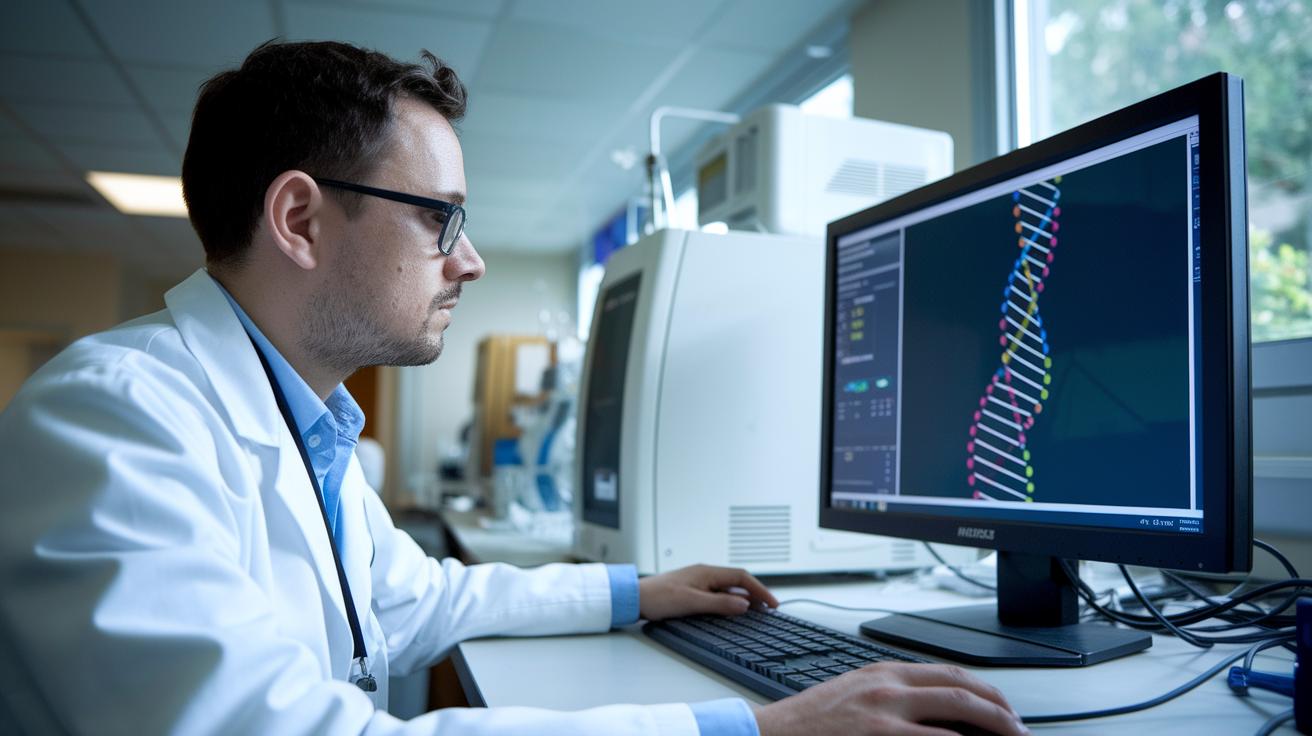
Precision medicine is all about using breakthrough genomic profiling and diagnostic tools to tailor treatment just for you. Modern techniques like gene sequencing (reading your unique DNA code) and pharmacogenomics assays (tests that show how your body might react to certain medications) give doctors a clear picture of your very own health blueprint. With these methods highlighting disease-specific markers, treatments have shifted from one-size-fits-all guesses to targeted, individualized care that can predict your response before you even begin therapy.

By blending different diagnostic approaches, healthcare providers can craft smarter treatment strategies. They bring together digital health analytics, advanced medical imaging (think detailed pictures of your tissues), and molecular diagnostics to uncover the hidden details of things like tumor behavior and genetic conditions. This real-time insight means more precise drug choices and better patient matching, moving us away from broad treatments to care that's truly personal.

Key Technology
Individual & Whole-Genome Sequencing
Molecular Diagnostics Platforms
Next Generation Sequencing Systems
Biomarker Analysis Assays
Digital Health Analytics & Imaging

Each of these tools plays a vital role in understanding your disease at a detailed level. By analyzing your genetic makeup and blending it with environmental and lifestyle factors, doctors are now able to create highly personalized treatment plans. Rapid genomics techniques and real-time tools, like digital pathology, turn lab discoveries into immediate actions that can predict risks, customize prescriptions, and focus on both prevention and treatment.

In short, these advanced diagnostic strategies are revolutionizing healthcare. They empower both patients and doctors to move beyond general treatment protocols, ensuring that every health decision is informed, precise, and centered on you.

Translational Research and Precision Medicine Integration

Since 2013, scientists have been mixing lab breakthroughs with real-world medical needs to push precision medicine forward. Early studies on how genes work and how our bodies react to drugs opened up new treatment options that now personalize patient care. Translational research acts like a bridge, moving discoveries from the lab straight to the patient’s bedside. This hands-on approach speeds up the way treatments are developed, ensuring care fits the unique needs of each patient. Learn more about what is translational research to see how these processes bring clinical solutions to life.

Researchers today are blending powerful computer science methods with everyday clinical data to fine-tune treatment strategies and boost patient outcomes. There’s a constant two-way street between basic discoveries and practical care, which has led to personalized treatments that better match therapies to each person. By using smart data tools, scientists can dig through mountains of genetic and clinical details to find the best treatment direction. This method cuts down on the trial-and-error process, so doctors can confidently offer care that’s tailored to an individual’s genetic profile and daily life.

Rare disease case studies really highlight the benefits of this approach. They show how insights from the lab are transforming into groundbreaking diagnostic tools. Simply put, translational research is making a big difference in tackling complex conditions.

Precision Oncology: Molecular Profiling to Targeted Treatments
img-2.jpg

Precision oncology is a modern way to fight cancer by diving into the unique gene changes found in each tumor. Doctors study these genetic variants (tiny changes in the DNA) to design treatments that aim straight at cancer cells while keeping healthy cells safe. By spotting specific markers in tumors, experts can sort cancers like lung, breast, and lymphoma into finer groups, which helps guide smarter treatment choices. In short, this method uses detailed molecular profiling to create a tailor-made treatment plan for each patient.

Cancer Type Biomarker/Mutation Targeted Treatment Approach
Lung Cancer EGFR mutation (a change in the gene that can influence tumor growth) EGFR inhibitors (medications that help block this specific abnormal signal)
Breast Cancer HER2 amplification (an increase in copies of the HER2 gene, affecting cell growth) HER2-targeted therapy (drugs aimed at reducing HER2-driven tumor growth)
Lymphoma CD20 expression (a protein on the surface of some cancer cells) Anti-CD20 monoclonal antibodies (treatments that help the immune system recognize and destroy these cells)

Immunotherapy is also making waves as a strong partner to these targeted strategies. This treatment taps into your body’s own defense system, encouraging immune cells to recognize and fight cancer based on its unique molecular fingerprint. It helps improve treatment results while reducing side effects by sparing healthy tissue. Combining immunotherapy with precision oncology creates a dynamic, personalized approach that adapts to the distinct genetic profile of each patient’s cancer, opening the door to truly individualized care.

Pharmacogenomics: Tailoring Drug Therapy in Precision Medicine

Pharmacogenomics uses insights from your DNA to help predict which medications might work best for you. By looking at specific gene variants, these tests offer a peek into which drugs are likely to be effective and suggest the ideal dose to reduce side effects. It’s like getting a custom-made treatment plan instead of settling for the one-size-fits-all approach. Research shows that this way of dosing, guided by your genetic profile, can often lead to better outcomes, even if it hasn’t taken off widely across the U.S. Imagine your doctor fine-tuning your medication based on your unique genetic makeup so that every treatment fits you perfectly.

Here's how it usually works:

  • Identify key interactions between your genes and drugs.
  • Order specific genetic assay panels.
  • Interpret your genotype to decide on the right dose.
  • Monitor your response and adjust the therapy as needed.

In many clinics, incorporating pharmacogenomics into regular care is changing the way treatments are prescribed. Doctors now lean on these tests to make informed, personalized decisions about drug doses, ensuring that every patient gets a plan that's built just for them. This strategy not only cuts down on unwanted side effects but also boosts the overall effectiveness of the treatment by accurately predicting how you'll respond to a drug. With emerging evidence backing up this innovative approach, the future looks promising, a future where every treatment is as unique as your own genetic blueprint.

Ethical, Regulatory, and Data Challenges in Precision Medicine

img-3.jpg

Precision medicine gathers a lot of personal details, from genetic makeup to everyday habits, which naturally raises big questions about privacy and ethics. Many people worry, “What if my private information ends up being used for something I didn’t agree to?” This concern nudges providers and researchers to be more open and build trust, ensuring that innovation doesn’t come at the cost of our rights.

Both patients and healthcare providers share these worries about protecting genomic data and keeping sensitive information secure. It’s a hot topic: Who gets access to this info and how can we stop misuse? The situation really calls for clear ethical rules that protect our individual rights while still encouraging smart, responsible research.

Rules like HIPAA and guidelines from the FDA are essential here. They set up strict ways to collect, store, and share genetic data safely, which is key for advances in early diagnosis, disease prevention, and personalized care. Today’s consent forms make sure that patients understand exactly how their data might be used and what risks are involved.

Healthcare organizations need to keep their policies updated to stay ahead of legal and ethical changes in genomic research. This ongoing effort helps create a secure and open environment, balancing the promise of new discoveries with the need to protect individuals. In short, finding the right mix of innovation and privacy is vital for the future of personalized medicine.

Future Directions and Initiatives Shaping Precision Medicine

A wave of new initiatives is changing how personalized care reaches you. Programs like the All of Us initiative warmly invite people from all backgrounds to share their health stories, helping everyone understand more about population health. NIH treatment programs and cutting-edge health projects are fueling fresh research that hints at tomorrow’s breakthroughs.

A two-day boot camp set for September 17–18, 2025, sits right at the heart of these changes. Experts will gather to chat about healthcare reform while boosting professional satisfaction in a friendly, hands-on environment. They’ll dive into innovative ways of using genomic care (using your genes to guide treatment) and discuss practical solutions that can turn everyday clinical practices into something truly transformative. One speaker might even share a quirky fact like, “In early studies, a few hundred volunteer samples reshaped our approach to cancer care.” It’s a journey from small research steps to giant leaps in medical progress. This engaging event promises to tackle challenges, bring people together, and speed up the process of turning breakthrough research into everyday benefits.

There’s also a buzz around emerging therapeutic areas. Recent studies are finding exciting new possibilities in treating heart disease, and research into rare disorders is uncovering unique targets that could change lives. Even early findings on microbiome-guided treatments (using tiny organisms in our body to guide care) suggest that these small players might have a huge impact on the future of personalized medicine.

Final Words

In the action of exploring precision medicine, we covered how individual genetic profiles guide treatment plans and how diagnostic tools bring lab discoveries to real life. We looked at translational research, precision oncology, and pharmacogenomics as part of a broader move towards personalized care. Our discussion ended with a look ahead to new research and ethical practices that support everyday wellness. Keep embracing these insights to boost both health and optimism, confident in the power of precision medicine to transform care.

FAQ

What is a precision medicine example?

A precision medicine example involves tailoring treatment based on a patient’s unique genetic makeup, environmental influences, and lifestyle. For example, oncology therapies can target specific cancer mutations for improved outcomes.

What opportunities exist in precision medicine careers, groups, and local organizations?

Precision medicine careers span research, clinical care, and data analysis. Industry groups, local initiatives, and contract research organizations provide platforms to work on developing customized treatments and collaborative projects.

What academic and research resources are available in precision medicine?

Academic programs like a Precision Medicine Master’s and specialized journals offer advanced study and the latest research findings, providing educational pathways and updated insights into this innovative field.

What does precision medicine mean, and how does it differ from personalized and traditional medicine?

Precision medicine means matching treatments to an individual’s unique genetic, environmental, and lifestyle profile. It contrasts with traditional medicine’s one-size-fits-all approach while sharing similarities with personalized medicine through targeted care.

What are the 4 P’s of precision medicine?

The 4 P’s of precision medicine are predictive, preventive, personalized, and participatory care. These principles guide the creation of health strategies that align with each patient’s specific profile.

What are types of precision medicine?

Types of precision medicine include genomic profiling, pharmacogenomics, targeted therapies, and advanced diagnostics. Each approach uses specific patient data to design treatments that are finely tuned for individual needs.

Ever wondered if your healthcare could be made just for you? Precision medicine looks at your genes and daily habits to create a treatment plan that fits you perfectly, much like a suit tailored to your body.

Instead of using the same treatment for everyone, smart tools examine your DNA and track your body’s responses. This method helps catch potential issues before they even start, reducing the guesswork doctors usually face.

In short, precision medicine offers a way to design care that is as unique as you are, opening the door to innovative treatments built around your individual profile.

Redefining Healthcare with Precision Medicine

Imagine healthcare that feels like it was made just for you. Precision medicine does exactly that. It looks at your genes, your surroundings, and even your daily habits before picking out the best treatment. Instead of offering the same therapy to everyone, it uses smart tools like gene sequencing (which decodes your unique genetic makeup) and pharmacogenomics (which helps understand how your body responds to medicines) to craft a plan that’s just for you.

In the past, most treatments were designed to work for everyone the same way, leaving little room for the differences that make you unique. But today’s approach digs into your genetic clues, like changes in genes such as BRCA1 or BRCA2, and even checks for signs like Lynch Syndrome. This means your care isn’t just reacting to symptoms; it’s predicting risks and stopping problems before they start. It cuts the guesswork out of treatment and leads to better results for you.

Take the NIH’s Precision Medicine Initiative as an example. Think of it as gathering a huge puzzle of your health details, from your genetic profile to everyday lifestyle choices, and putting it all together to create a perfect care plan. Researchers use this detailed picture to spot risks early and adjust treatments before issues fully develop. It’s a shift from waiting until you’re sick to preventing that sickness in the first place, and it’s raising the bar for personalized healthcare.

Core Genomic and Diagnostic Technologies Enabling Precision Medicine

img-1.jpg

Precision medicine is all about using breakthrough genomic profiling and diagnostic tools to tailor treatment just for you. Modern techniques like gene sequencing (reading your unique DNA code) and pharmacogenomics assays (tests that show how your body might react to certain medications) give doctors a clear picture of your very own health blueprint. With these methods highlighting disease-specific markers, treatments have shifted from one-size-fits-all guesses to targeted, individualized care that can predict your response before you even begin therapy.

By blending different diagnostic approaches, healthcare providers can craft smarter treatment strategies. They bring together digital health analytics, advanced medical imaging (think detailed pictures of your tissues), and molecular diagnostics to uncover the hidden details of things like tumor behavior and genetic conditions. This real-time insight means more precise drug choices and better patient matching, moving us away from broad treatments to care that's truly personal.

Key Technology
Individual & Whole-Genome Sequencing
Molecular Diagnostics Platforms
Next Generation Sequencing Systems
Biomarker Analysis Assays
Digital Health Analytics & Imaging

Each of these tools plays a vital role in understanding your disease at a detailed level. By analyzing your genetic makeup and blending it with environmental and lifestyle factors, doctors are now able to create highly personalized treatment plans. Rapid genomics techniques and real-time tools, like digital pathology, turn lab discoveries into immediate actions that can predict risks, customize prescriptions, and focus on both prevention and treatment.

In short, these advanced diagnostic strategies are revolutionizing healthcare. They empower both patients and doctors to move beyond general treatment protocols, ensuring that every health decision is informed, precise, and centered on you.

Translational Research and Precision Medicine Integration

Since 2013, scientists have been mixing lab breakthroughs with real-world medical needs to push precision medicine forward. Early studies on how genes work and how our bodies react to drugs opened up new treatment options that now personalize patient care. Translational research acts like a bridge, moving discoveries from the lab straight to the patient’s bedside. This hands-on approach speeds up the way treatments are developed, ensuring care fits the unique needs of each patient. Learn more about what is translational research to see how these processes bring clinical solutions to life.

Researchers today are blending powerful computer science methods with everyday clinical data to fine-tune treatment strategies and boost patient outcomes. There’s a constant two-way street between basic discoveries and practical care, which has led to personalized treatments that better match therapies to each person. By using smart data tools, scientists can dig through mountains of genetic and clinical details to find the best treatment direction. This method cuts down on the trial-and-error process, so doctors can confidently offer care that’s tailored to an individual’s genetic profile and daily life.

Rare disease case studies really highlight the benefits of this approach. They show how insights from the lab are transforming into groundbreaking diagnostic tools. Simply put, translational research is making a big difference in tackling complex conditions.

Precision Oncology: Molecular Profiling to Targeted Treatments

img-2.jpg

Precision oncology is a modern way to fight cancer by diving into the unique gene changes found in each tumor. Doctors study these genetic variants (tiny changes in the DNA) to design treatments that aim straight at cancer cells while keeping healthy cells safe. By spotting specific markers in tumors, experts can sort cancers like lung, breast, and lymphoma into finer groups, which helps guide smarter treatment choices. In short, this method uses detailed molecular profiling to create a tailor-made treatment plan for each patient.

Cancer Type Biomarker/Mutation Targeted Treatment Approach
Lung Cancer EGFR mutation (a change in the gene that can influence tumor growth) EGFR inhibitors (medications that help block this specific abnormal signal)
Breast Cancer HER2 amplification (an increase in copies of the HER2 gene, affecting cell growth) HER2-targeted therapy (drugs aimed at reducing HER2-driven tumor growth)
Lymphoma CD20 expression (a protein on the surface of some cancer cells) Anti-CD20 monoclonal antibodies (treatments that help the immune system recognize and destroy these cells)

Immunotherapy is also making waves as a strong partner to these targeted strategies. This treatment taps into your body’s own defense system, encouraging immune cells to recognize and fight cancer based on its unique molecular fingerprint. It helps improve treatment results while reducing side effects by sparing healthy tissue. Combining immunotherapy with precision oncology creates a dynamic, personalized approach that adapts to the distinct genetic profile of each patient’s cancer, opening the door to truly individualized care.

Pharmacogenomics: Tailoring Drug Therapy in Precision Medicine

Pharmacogenomics uses insights from your DNA to help predict which medications might work best for you. By looking at specific gene variants, these tests offer a peek into which drugs are likely to be effective and suggest the ideal dose to reduce side effects. It’s like getting a custom-made treatment plan instead of settling for the one-size-fits-all approach. Research shows that this way of dosing, guided by your genetic profile, can often lead to better outcomes, even if it hasn’t taken off widely across the U.S. Imagine your doctor fine-tuning your medication based on your unique genetic makeup so that every treatment fits you perfectly.

Here's how it usually works:

  • Identify key interactions between your genes and drugs.
  • Order specific genetic assay panels.
  • Interpret your genotype to decide on the right dose.
  • Monitor your response and adjust the therapy as needed.

In many clinics, incorporating pharmacogenomics into regular care is changing the way treatments are prescribed. Doctors now lean on these tests to make informed, personalized decisions about drug doses, ensuring that every patient gets a plan that's built just for them. This strategy not only cuts down on unwanted side effects but also boosts the overall effectiveness of the treatment by accurately predicting how you'll respond to a drug. With emerging evidence backing up this innovative approach, the future looks promising, a future where every treatment is as unique as your own genetic blueprint.

Ethical, Regulatory, and Data Challenges in Precision Medicine

img-3.jpg

Precision medicine gathers a lot of personal details, from genetic makeup to everyday habits, which naturally raises big questions about privacy and ethics. Many people worry, “What if my private information ends up being used for something I didn’t agree to?” This concern nudges providers and researchers to be more open and build trust, ensuring that innovation doesn’t come at the cost of our rights.

Both patients and healthcare providers share these worries about protecting genomic data and keeping sensitive information secure. It’s a hot topic: Who gets access to this info and how can we stop misuse? The situation really calls for clear ethical rules that protect our individual rights while still encouraging smart, responsible research.

Rules like HIPAA and guidelines from the FDA are essential here. They set up strict ways to collect, store, and share genetic data safely, which is key for advances in early diagnosis, disease prevention, and personalized care. Today’s consent forms make sure that patients understand exactly how their data might be used and what risks are involved.

Healthcare organizations need to keep their policies updated to stay ahead of legal and ethical changes in genomic research. This ongoing effort helps create a secure and open environment, balancing the promise of new discoveries with the need to protect individuals. In short, finding the right mix of innovation and privacy is vital for the future of personalized medicine.

Future Directions and Initiatives Shaping Precision Medicine

A wave of new initiatives is changing how personalized care reaches you. Programs like the All of Us initiative warmly invite people from all backgrounds to share their health stories, helping everyone understand more about population health. NIH treatment programs and cutting-edge health projects are fueling fresh research that hints at tomorrow’s breakthroughs.

A two-day boot camp set for September 17–18, 2025, sits right at the heart of these changes. Experts will gather to chat about healthcare reform while boosting professional satisfaction in a friendly, hands-on environment. They’ll dive into innovative ways of using genomic care (using your genes to guide treatment) and discuss practical solutions that can turn everyday clinical practices into something truly transformative. One speaker might even share a quirky fact like, “In early studies, a few hundred volunteer samples reshaped our approach to cancer care.” It’s a journey from small research steps to giant leaps in medical progress. This engaging event promises to tackle challenges, bring people together, and speed up the process of turning breakthrough research into everyday benefits.

There’s also a buzz around emerging therapeutic areas. Recent studies are finding exciting new possibilities in treating heart disease, and research into rare disorders is uncovering unique targets that could change lives. Even early findings on microbiome-guided treatments (using tiny organisms in our body to guide care) suggest that these small players might have a huge impact on the future of personalized medicine.

Final Words

In the action of exploring precision medicine, we covered how individual genetic profiles guide treatment plans and how diagnostic tools bring lab discoveries to real life. We looked at translational research, precision oncology, and pharmacogenomics as part of a broader move towards personalized care. Our discussion ended with a look ahead to new research and ethical practices that support everyday wellness. Keep embracing these insights to boost both health and optimism, confident in the power of precision medicine to transform care.

FAQ

What is a precision medicine example?

A precision medicine example involves tailoring treatment based on a patient’s unique genetic makeup, environmental influences, and lifestyle. For example, oncology therapies can target specific cancer mutations for improved outcomes.

What opportunities exist in precision medicine careers, groups, and local organizations?

Precision medicine careers span research, clinical care, and data analysis. Industry groups, local initiatives, and contract research organizations provide platforms to work on developing customized treatments and collaborative projects.

What academic and research resources are available in precision medicine?

Academic programs like a Precision Medicine Master’s and specialized journals offer advanced study and the latest research findings, providing educational pathways and updated insights into this innovative field.

What does precision medicine mean, and how does it differ from personalized and traditional medicine?

Precision medicine means matching treatments to an individual’s unique genetic, environmental, and lifestyle profile. It contrasts with traditional medicine’s one-size-fits-all approach while sharing similarities with personalized medicine through targeted care.

What are the 4 P’s of precision medicine?

The 4 P’s of precision medicine are predictive, preventive, personalized, and participatory care. These principles guide the creation of health strategies that align with each patient’s specific profile.

What are types of precision medicine?

Types of precision medicine include genomic profiling, pharmacogenomics, targeted therapies, and advanced diagnostics. Each approach uses specific patient data to design treatments that are finely tuned for individual needs.

More from author

LEAVE A REPLY

Please enter your comment!
Please enter your name here

Related posts

Advertismentspot_img

Latest posts

How To Create A Daily Wellness Routine: Thriving

Curious about how to create a daily wellness routine that transforms your mornings and days? Read on as secrets await…

2 Daily Wellness Drink Tips For Radiance

Experience a daily wellness drink with natural herbs, green ingredients, and clinical backing that might change your routine forever, stay tuned.

Daily Wellness: Elevate Your Everyday Vitality

Daily wellness transforms everyday routines into mindful adjustments, merging nutrition, movement, and restorative sleep. What unforeseen practice awaits you next?

Want to stay up to date with the latest news?

We would love to hear from you! Please fill in your details and we will stay in touch. It's that simple!