Future Trends In Personalized Medicine Drive Innovation

Have you ever wondered if a digital model of your body could help shape your treatment plan? Today, personalized medicine is changing how we approach healthcare. Instead of simply treating symptoms, doctors now use deep data to create care plans that are as unique as you are.

Smart tools such as digital twin models guide treatment decisions in real time, making it feel like your health is getting a tailor-made approach. With billions invested and hundreds of therapies approved, the way we care for our health is on the brink of a major transformation.

This article takes a closer look at the trends driving this exciting shift in medical care.

These days, precision medicine is changing the game. Instead of just treating symptoms, it digs deeper to find the root causes of your health issues by using your unique data. Rather than a one-size-fits-all approach, doctors now lean on personalized information to design treatments that are just right for you. One cool innovation involves virtual twins, computer-generated models that mimic your organs, metabolism, and even tumors, to guide real-time treatment decisions.

Investors are noticing the shift, too. In 2022, venture capital funding hit around $25 billion for precision startups. That kind of support shows real promise, especially when you consider that over 300 personalized therapies have already been approved by the FDA. This marks a big change in healthcare, moving toward treatment plans that are as unique as the patients they serve by blending detailed modeling with everyday data.

Key trends shaping this future include:

  • Virtual twins for comprehensive treatment planning.
  • Pinpointing root causes by zeroing in on individual biomarkers.
  • Multi-scale modeling that combines clinical insights with real-life data.
  • Data-driven approaches that boost diagnostic accuracy.
  • Fresh investments fueling rapid innovations in personalized therapies.

In short, using digital tools to analyze vast health data makes clinical decisions more precise. Techniques like virtual twin modeling help catch risks early and tailor treatments along the way. It’s like having a personalized roadmap for your health, ensuring better outcomes and a care experience that truly fits your life.

img-1.jpg

Genomic profiling has completely reshaped how we look at personalized care. Back in the early days of the Human Genome Project, figuring out a genome cost about $3 billion. Now, thanks to next-generation sequencing, you can get a full picture of your genetic blueprint for less than $1,000. This huge drop in cost means doctors can dive deep into your unique genetic makeup and tailor treatment plans just for you. Today’s multi-omics workflows mix information from your DNA, gene expression, proteins, small molecules, and gene regulation giving a clear snapshot of your biology. This kind of all-in-one approach is even behind about 25% of new drug successes, making personalized therapies more common.

Advances in third-generation sequencing have taken things even further by using longer read lengths to catch tricky genetic variants. This smoother, more detailed method helps us understand diseases better and predict treatment responses with more accuracy. Now, over 40% of research in big pharmaceutical labs builds on these personalized techniques, reflecting our growing shift to custom care. For more insights on how clinical genomics is used, you can check out the journal of translational medicine. In short, as sequencing tech and integrated multi-omics strategies continue to improve, doctors are better equipped to make accurate diagnoses and provide more effective, individualized care.

Generation Read length Cost per genome Year introduced
Sanger Short High 1977
Next-Gen Short Below $1,000 2005
Third-Gen Long Variable 2010
Emerging technologies Variable Decreasing 2020+

Artificial intelligence and machine learning diagnostics shaping personalized medicine’s future

Artificial intelligence and machine learning are quickly changing the way we diagnose illnesses and design treatments that truly fit an individual. Deep-learning programs, which work like smart computer brains, can now predict how someone might react to a drug with more than 85% accuracy. This lets doctors choose therapies that align perfectly with a person’s unique biology.

AI-driven clinical decision support tools make everyday work much simpler by offering treatment suggestions that feel as personalized as a digital assistant picking out the perfect recipe with the ingredients you have. Imagine an algorithm that finds the right treatment match just like a chef chooses the ideal spice to bring out the best flavor in a dish.

There are many real-life stories that show just how effective this technology can be. Big tech companies are teaming up with healthcare experts, blending data with medical care to improve diagnostics. In one case, a healthcare provider used machine learning to spot tiny patterns in patient records, catching potential issues early on. This mix of big data and advanced genetic insights is putting personalized medicine right at the forefront of healthcare innovation.

The effect on patients is huge. With more accurate diagnoses, treatments become more effective, leading to fewer side effects and faster recoveries. Plus, smoother workflows and smart predictions help doctors make quick, informed decisions, ensuring that every patient receives care tailored just for them.

Virtual twins and digital health innovations in the future of personalized medicine
img-2.jpg

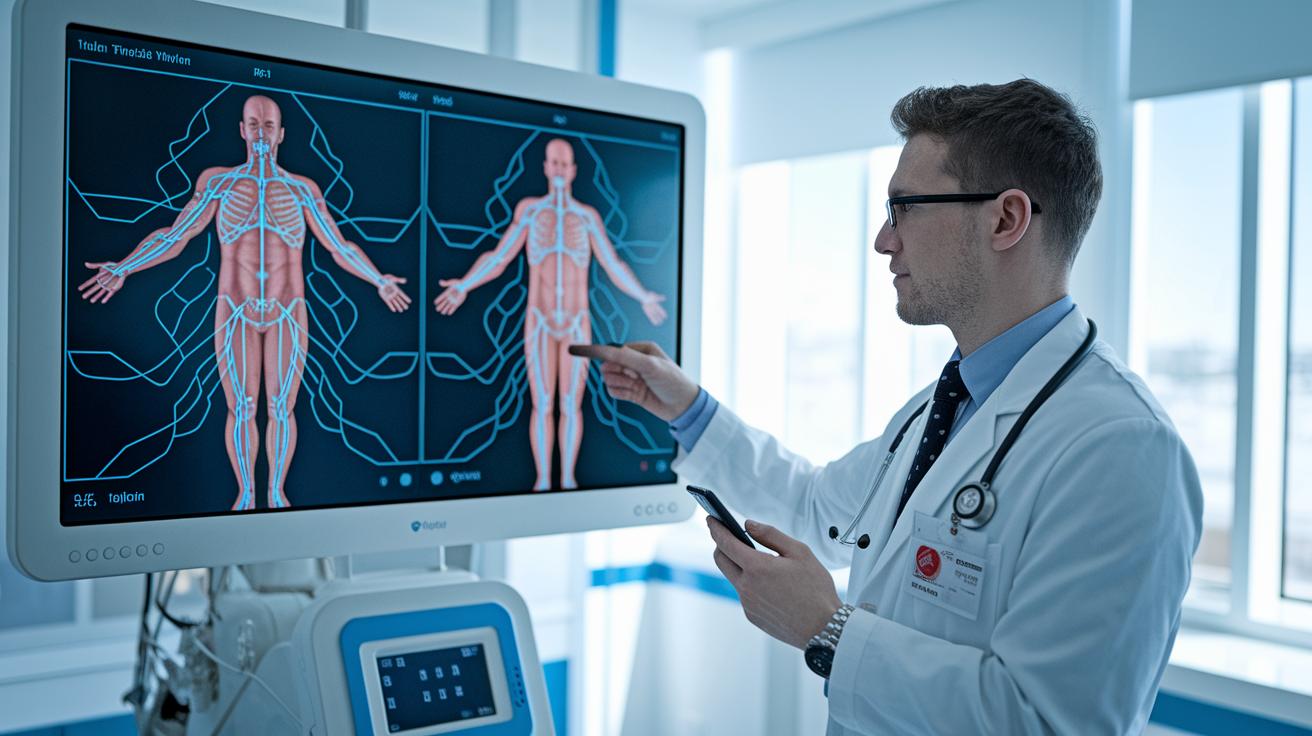
Virtual twins are computer models that mirror your body’s functions. They simulate everything from organ activity and metabolism to tumor behavior, giving doctors a sneak peek at how treatments might work before actually starting them. Imagine watching a simulation adjust treatment in real time as it responds perfectly to changes, now that’s cutting-edge care.

Wearable sensors and handy point-of-care devices are completely transforming how we keep track of our health. These modern gadgets continuously monitor vital signs and other key health details, sending live updates that can signal early imbalances. Think of a simple wristband that constantly checks your heartbeat and warns both you and your doctor if something starts to seem off.

Clinically, these digital tools are allowing for treatments that change as quickly as your body does. By tapping into real-time data from sensors, your healthcare provider can tweak therapies on the spot as your condition shifts. It’s a flexible and personalized approach that adapts to your unique health needs almost as quickly as you experience them.

On a broader scale, merging detailed computer simulations with real-world patient data is powering smarter public health strategies. This combo not only refines individual treatment plans but also shapes community-wide health initiatives, helping build a faster, more responsive healthcare system that benefits everyone.

Gene editing and cell therapies powering future personalized medicine

Gene editing is reshaping how we approach treatment by allowing doctors to adjust our genes much like editing a rough draft. Using a tool called CRISPR-Cas9, which works like a tiny, precise editor, medical professionals can fix genetic mistakes that cause disease, similar to using a red pen to correct errors. Think of it like fine-tuning the inner workings of a wristwatch so it keeps perfect time; this method addresses the root problems and tailors treatments to each person’s unique genetic makeup.

Recent breakthroughs in clinical research are proving the power of personalized cell therapies. For example, FDA-approved CAR-T treatments like Kymriah and Yescarta modify a patient’s own cells to spot and attack diseases, especially certain cancers. It’s like moving from a one-size-fits-all approach to a therapy that’s custom-fit to your body, ensuring a much closer match to your needs.

Manufacturing innovations are also playing a key role in this healthcare evolution. Automated bioprocessing and smart AI–microfluidic platforms, developed by companies like MFX and Talos, streamline the production of these cell therapies while adjusting to each patient’s specific information. With adaptive trial designs, explained in more detail in the future of translational research, these cutting-edge methods align treatments with personal biomarkers, speeding up development and ensuring pinpoint accuracy.

Adaptive clinical trials and evidence-based care in personalized medicine’s future

img-3.jpg

Adaptive clinical trial designs are shaking up how we test treatments. They let researchers adjust study plans on the fly, kind of like tweaking a recipe when you’re cooking. As new data arrives, these changes help tailor treatments to match each patient’s unique needs.

Regulatory systems are evolving, too. The FDA now offers faster approval paths for breakthrough treatments based on key health markers. Nearly one in four new therapies benefits from this streamlined process, meaning patients can receive innovative care sooner while still ensuring safety and trust.

There are challenges along the way. Researchers must carefully secure data, protect patient privacy, and standardize trial systems. It’s a bit like fine-tuning a complex instrument, ensuring every part works together to deliver safe, effective, and personalized treatments.

Market growth, investments, and collaborations fueling the future of personalized medicine

In 2022, venture capital investments lit a spark in the world of personalized medicine. Startups focused on precision care gathered around $25 billion, giving them the boost needed to explore groundbreaking research and innovative clinical tools. This strong financial support allows emerging companies to push beyond traditional limits and create care solutions tailored just for you.

Next, industry forecasts paint an inspiring picture. Experts predict that the global market for personalized medicine will grow by about 11.5% each year, potentially reaching around $658.4 billion by 2028. This kind of growth shows a clear shift toward therapies that cater to individual needs rather than using a one-size-fits-all approach.

Meanwhile, partnerships across different fields are changing the game. Big tech companies and forward-thinking healthcare firms are joining forces to build smart data platforms that mix huge clinical datasets with advanced analytics. These collaborations are breaking down old barriers, making it easier for the industry to move from basic, mass-produced drugs to treatments that fit each person's unique profile.

Final Words

In the action of uncovering precision-driven care, we explored how genomic techniques, AI diagnostics, virtual twins, gene editing, and adaptive clinical trials are reshaping treatment. Each section highlighted how clinical research transforms everyday wellness practices.

We've seen how these innovations bring us closer to a future where science and practical care combine. Embracing such breakthroughs promises improved health and a positive outlook on future trends in personalized medicine.

FAQ

What is the future of personalized medicine and what promise does it hold?

The future of personalized medicine holds a shift from symptom treatment to targeting root causes using individual data, AI-driven insights, and advanced therapies that offer more precise and effective care.

What emerging technologies are influencing personalized medicine?

The emerging technologies in personalized medicine involve AI diagnostics, virtual twins, genomic sequencing, and adaptive clinical trial frameworks that improve treatment decisions and patient outcomes.

What are the 4 P’s of personalized medicine?

The 4 P’s of personalized medicine include predictive, preventive, personalized, and participatory care, which together aim to offer focused and efficient health strategies.

What are examples of personalized medicine treatments?

Examples of personalized medicine treatments include genomic profiling for targeted therapies, CAR-T cell treatments, virtual simulations, and adaptive clinical trial designs that match therapies to patients.

What are the pros and cons of personalized medicine?

The pros of personalized medicine are targeted treatments and improved outcomes, while the cons include challenges with data security, cost, and the need for robust clinical infrastructures.

Why is personalized medicine important?

The importance of personalized medicine lies in its ability to reduce trial-and-error treatments by using individual data, which leads to more precise, safe, and effective patient care.

Which companies are leading innovation in AI precision medicine?

The companies leading innovation in AI precision medicine include major tech players like Amazon, Google, and Apple, which are developing platforms that integrate data analytics with health care delivery.

Where can I find personalized medicine articles or PDFs?

Personalized medicine articles and PDFs provide accessible resources that detail new therapies, clinical studies, and practical applications of personalized health strategies for diverse readers.

Have you ever wondered if a digital model of your body could help shape your treatment plan? Today, personalized medicine is changing how we approach healthcare. Instead of simply treating symptoms, doctors now use deep data to create care plans that are as unique as you are.

Smart tools such as digital twin models guide treatment decisions in real time, making it feel like your health is getting a tailor-made approach. With billions invested and hundreds of therapies approved, the way we care for our health is on the brink of a major transformation.

This article takes a closer look at the trends driving this exciting shift in medical care.

These days, precision medicine is changing the game. Instead of just treating symptoms, it digs deeper to find the root causes of your health issues by using your unique data. Rather than a one-size-fits-all approach, doctors now lean on personalized information to design treatments that are just right for you. One cool innovation involves virtual twins, computer-generated models that mimic your organs, metabolism, and even tumors, to guide real-time treatment decisions.

Investors are noticing the shift, too. In 2022, venture capital funding hit around $25 billion for precision startups. That kind of support shows real promise, especially when you consider that over 300 personalized therapies have already been approved by the FDA. This marks a big change in healthcare, moving toward treatment plans that are as unique as the patients they serve by blending detailed modeling with everyday data.

Key trends shaping this future include:

  • Virtual twins for comprehensive treatment planning.
  • Pinpointing root causes by zeroing in on individual biomarkers.
  • Multi-scale modeling that combines clinical insights with real-life data.
  • Data-driven approaches that boost diagnostic accuracy.
  • Fresh investments fueling rapid innovations in personalized therapies.

In short, using digital tools to analyze vast health data makes clinical decisions more precise. Techniques like virtual twin modeling help catch risks early and tailor treatments along the way. It’s like having a personalized roadmap for your health, ensuring better outcomes and a care experience that truly fits your life.

img-1.jpg

Genomic profiling has completely reshaped how we look at personalized care. Back in the early days of the Human Genome Project, figuring out a genome cost about $3 billion. Now, thanks to next-generation sequencing, you can get a full picture of your genetic blueprint for less than $1,000. This huge drop in cost means doctors can dive deep into your unique genetic makeup and tailor treatment plans just for you. Today’s multi-omics workflows mix information from your DNA, gene expression, proteins, small molecules, and gene regulation giving a clear snapshot of your biology. This kind of all-in-one approach is even behind about 25% of new drug successes, making personalized therapies more common.

Advances in third-generation sequencing have taken things even further by using longer read lengths to catch tricky genetic variants. This smoother, more detailed method helps us understand diseases better and predict treatment responses with more accuracy. Now, over 40% of research in big pharmaceutical labs builds on these personalized techniques, reflecting our growing shift to custom care. For more insights on how clinical genomics is used, you can check out the journal of translational medicine. In short, as sequencing tech and integrated multi-omics strategies continue to improve, doctors are better equipped to make accurate diagnoses and provide more effective, individualized care.

Generation Read length Cost per genome Year introduced
Sanger Short High 1977
Next-Gen Short Below $1,000 2005
Third-Gen Long Variable 2010
Emerging technologies Variable Decreasing 2020+

Artificial intelligence and machine learning diagnostics shaping personalized medicine’s future

Artificial intelligence and machine learning are quickly changing the way we diagnose illnesses and design treatments that truly fit an individual. Deep-learning programs, which work like smart computer brains, can now predict how someone might react to a drug with more than 85% accuracy. This lets doctors choose therapies that align perfectly with a person’s unique biology.

AI-driven clinical decision support tools make everyday work much simpler by offering treatment suggestions that feel as personalized as a digital assistant picking out the perfect recipe with the ingredients you have. Imagine an algorithm that finds the right treatment match just like a chef chooses the ideal spice to bring out the best flavor in a dish.

There are many real-life stories that show just how effective this technology can be. Big tech companies are teaming up with healthcare experts, blending data with medical care to improve diagnostics. In one case, a healthcare provider used machine learning to spot tiny patterns in patient records, catching potential issues early on. This mix of big data and advanced genetic insights is putting personalized medicine right at the forefront of healthcare innovation.

The effect on patients is huge. With more accurate diagnoses, treatments become more effective, leading to fewer side effects and faster recoveries. Plus, smoother workflows and smart predictions help doctors make quick, informed decisions, ensuring that every patient receives care tailored just for them.

Virtual twins and digital health innovations in the future of personalized medicine

img-2.jpg

Virtual twins are computer models that mirror your body’s functions. They simulate everything from organ activity and metabolism to tumor behavior, giving doctors a sneak peek at how treatments might work before actually starting them. Imagine watching a simulation adjust treatment in real time as it responds perfectly to changes, now that’s cutting-edge care.

Wearable sensors and handy point-of-care devices are completely transforming how we keep track of our health. These modern gadgets continuously monitor vital signs and other key health details, sending live updates that can signal early imbalances. Think of a simple wristband that constantly checks your heartbeat and warns both you and your doctor if something starts to seem off.

Clinically, these digital tools are allowing for treatments that change as quickly as your body does. By tapping into real-time data from sensors, your healthcare provider can tweak therapies on the spot as your condition shifts. It’s a flexible and personalized approach that adapts to your unique health needs almost as quickly as you experience them.

On a broader scale, merging detailed computer simulations with real-world patient data is powering smarter public health strategies. This combo not only refines individual treatment plans but also shapes community-wide health initiatives, helping build a faster, more responsive healthcare system that benefits everyone.

Gene editing and cell therapies powering future personalized medicine

Gene editing is reshaping how we approach treatment by allowing doctors to adjust our genes much like editing a rough draft. Using a tool called CRISPR-Cas9, which works like a tiny, precise editor, medical professionals can fix genetic mistakes that cause disease, similar to using a red pen to correct errors. Think of it like fine-tuning the inner workings of a wristwatch so it keeps perfect time; this method addresses the root problems and tailors treatments to each person’s unique genetic makeup.

Recent breakthroughs in clinical research are proving the power of personalized cell therapies. For example, FDA-approved CAR-T treatments like Kymriah and Yescarta modify a patient’s own cells to spot and attack diseases, especially certain cancers. It’s like moving from a one-size-fits-all approach to a therapy that’s custom-fit to your body, ensuring a much closer match to your needs.

Manufacturing innovations are also playing a key role in this healthcare evolution. Automated bioprocessing and smart AI–microfluidic platforms, developed by companies like MFX and Talos, streamline the production of these cell therapies while adjusting to each patient’s specific information. With adaptive trial designs, explained in more detail in the future of translational research, these cutting-edge methods align treatments with personal biomarkers, speeding up development and ensuring pinpoint accuracy.

Adaptive clinical trials and evidence-based care in personalized medicine’s future

img-3.jpg

Adaptive clinical trial designs are shaking up how we test treatments. They let researchers adjust study plans on the fly, kind of like tweaking a recipe when you’re cooking. As new data arrives, these changes help tailor treatments to match each patient’s unique needs.

Regulatory systems are evolving, too. The FDA now offers faster approval paths for breakthrough treatments based on key health markers. Nearly one in four new therapies benefits from this streamlined process, meaning patients can receive innovative care sooner while still ensuring safety and trust.

There are challenges along the way. Researchers must carefully secure data, protect patient privacy, and standardize trial systems. It’s a bit like fine-tuning a complex instrument, ensuring every part works together to deliver safe, effective, and personalized treatments.

Market growth, investments, and collaborations fueling the future of personalized medicine

In 2022, venture capital investments lit a spark in the world of personalized medicine. Startups focused on precision care gathered around $25 billion, giving them the boost needed to explore groundbreaking research and innovative clinical tools. This strong financial support allows emerging companies to push beyond traditional limits and create care solutions tailored just for you.

Next, industry forecasts paint an inspiring picture. Experts predict that the global market for personalized medicine will grow by about 11.5% each year, potentially reaching around $658.4 billion by 2028. This kind of growth shows a clear shift toward therapies that cater to individual needs rather than using a one-size-fits-all approach.

Meanwhile, partnerships across different fields are changing the game. Big tech companies and forward-thinking healthcare firms are joining forces to build smart data platforms that mix huge clinical datasets with advanced analytics. These collaborations are breaking down old barriers, making it easier for the industry to move from basic, mass-produced drugs to treatments that fit each person's unique profile.

Final Words

In the action of uncovering precision-driven care, we explored how genomic techniques, AI diagnostics, virtual twins, gene editing, and adaptive clinical trials are reshaping treatment. Each section highlighted how clinical research transforms everyday wellness practices.

We've seen how these innovations bring us closer to a future where science and practical care combine. Embracing such breakthroughs promises improved health and a positive outlook on future trends in personalized medicine.

FAQ

What is the future of personalized medicine and what promise does it hold?

The future of personalized medicine holds a shift from symptom treatment to targeting root causes using individual data, AI-driven insights, and advanced therapies that offer more precise and effective care.

What emerging technologies are influencing personalized medicine?

The emerging technologies in personalized medicine involve AI diagnostics, virtual twins, genomic sequencing, and adaptive clinical trial frameworks that improve treatment decisions and patient outcomes.

What are the 4 P’s of personalized medicine?

The 4 P’s of personalized medicine include predictive, preventive, personalized, and participatory care, which together aim to offer focused and efficient health strategies.

What are examples of personalized medicine treatments?

Examples of personalized medicine treatments include genomic profiling for targeted therapies, CAR-T cell treatments, virtual simulations, and adaptive clinical trial designs that match therapies to patients.

What are the pros and cons of personalized medicine?

The pros of personalized medicine are targeted treatments and improved outcomes, while the cons include challenges with data security, cost, and the need for robust clinical infrastructures.

Why is personalized medicine important?

The importance of personalized medicine lies in its ability to reduce trial-and-error treatments by using individual data, which leads to more precise, safe, and effective patient care.

Which companies are leading innovation in AI precision medicine?

The companies leading innovation in AI precision medicine include major tech players like Amazon, Google, and Apple, which are developing platforms that integrate data analytics with health care delivery.

Where can I find personalized medicine articles or PDFs?

Personalized medicine articles and PDFs provide accessible resources that detail new therapies, clinical studies, and practical applications of personalized health strategies for diverse readers.

More from author

LEAVE A REPLY

Please enter your comment!
Please enter your name here

Related posts

Advertismentspot_img

Latest posts

How To Create A Daily Wellness Routine: Thriving

Curious about how to create a daily wellness routine that transforms your mornings and days? Read on as secrets await…

2 Daily Wellness Drink Tips For Radiance

Experience a daily wellness drink with natural herbs, green ingredients, and clinical backing that might change your routine forever, stay tuned.

Daily Wellness: Elevate Your Everyday Vitality

Daily wellness transforms everyday routines into mindful adjustments, merging nutrition, movement, and restorative sleep. What unforeseen practice awaits you next?

Want to stay up to date with the latest news?

We would love to hear from you! Please fill in your details and we will stay in touch. It's that simple!