Modern Medicine Sparks Brighter Health Trends

Have you ever noticed that health care now feels a bit like an ongoing experiment instead of just a regular check-up? Today's medical care mixes breakthroughs in gene research (which looks at how your genes might affect your health) with everyday treatments that doctors can tweak as needed.

Picture this: you’re having a video chat with your doctor while waiting for your lab results. It’s almost like a friendly conversation that also keeps you informed. Smart systems work behind the scenes to tailor care plans exactly to your needs, so everything feels just right.

Modern health care isn’t simply about high-tech gadgets and experiments, it’s also about caring, personal service that makes getting better feel achievable and even welcoming.

Modern Medicine Today: Innovations, Patient-Centered Care, and Integrative Practices

These days, modern health care is all about teamwork, doctors, specialists, and even health coaches work together to give you care that really fits you. They mix hands-on medical know-how with fresh insights from things like genomics (fancy science about your genes) and body markers to build personalized care plans. With tools like on-site labs and advanced imaging, clinics can quickly check up on conditions so the right decisions are made fast.

Telehealth and mobile health are shaking up the way we connect with our doctors. Imagine setting up a video call with your doctor while you’re waiting for a lab test result. It’s all about making health care easier every day. Plus, AI and machine learning are diving in to help suggest treatment plans based on huge amounts of data, making your care even more spot-on.

Health care teams now use smart computers to handle patient records so switching between online and in-person visits is smooth. They work hard to keep communication clear, get back to you quickly, and focus on real-life results. It’s not just about high-tech tools, it’s about truly listening to you.

In short, this fresh approach merges cutting-edge science with genuine care for the patient. Think of it like planning a road trip: you map out the journey, pick stops that suit your interests, and adjust the ride as needed, so the path to better health is as rewarding as reaching your destination.

Historical Evolution of Modern Medicine: Germ Theory, Vaccination, and Antibiotics
img-1.jpg

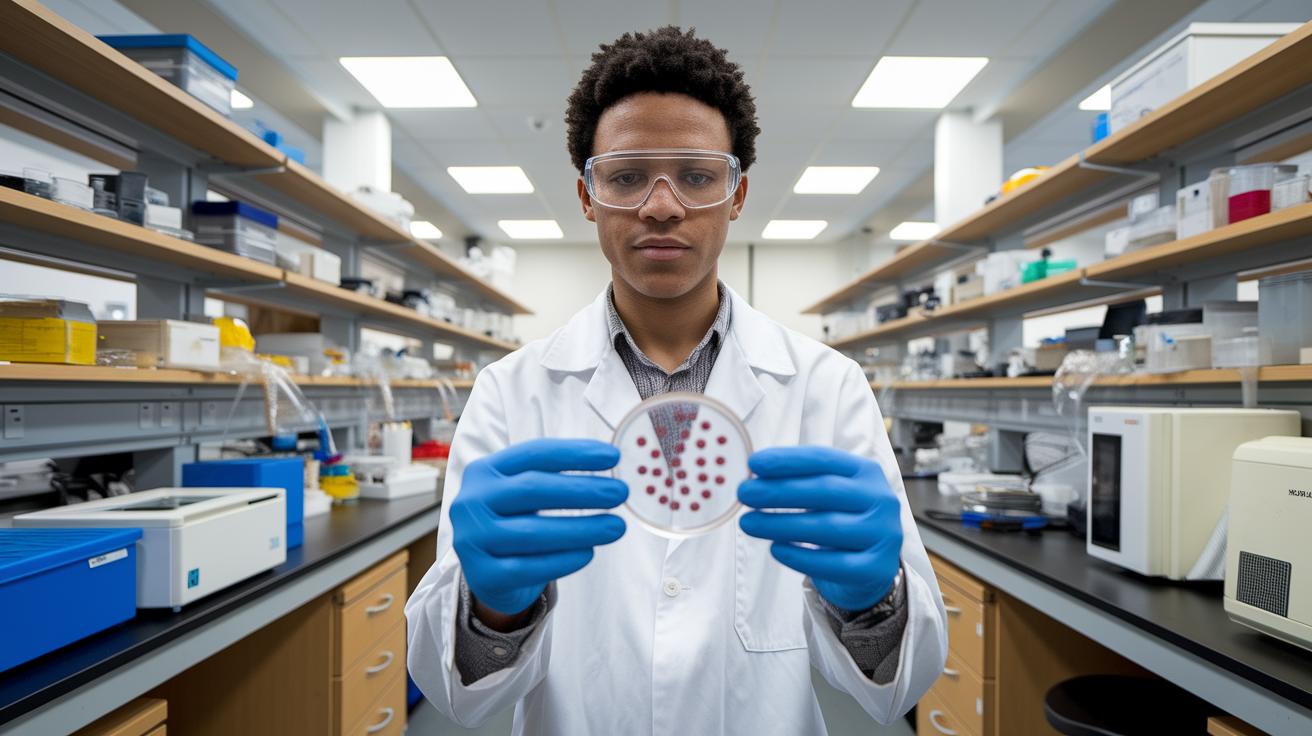
Medicine began as a craft rooted in nature, with early healers using herbs and botanicals to soothe pain and illness. Picture a time when a handful of leaves was the remedy of choice long before lab coats, microscopes, and strict medical protocols became the norm.

In 1864, Louis Pasteur changed the story of medicine by proving that tiny microorganisms cause disease. His work set the stage for modern immunology, turning mysterious illnesses into challenges we could study and overcome through science.

Even before Pasteur, Edward Jenner’s experiment in 1796 using cowpox signaled a major change. Jenner introduced smallpox vaccination, saving countless lives by showing that a small test could prevent a widespread crisis. Communities, once gripped by fear of smallpox, found new hope in the power of vaccination.

Then, in 1928, Alexander Fleming discovered penicillin. This breakthrough earned him a Nobel Prize and transformed treatment of bacterial infections by turning deadly diseases into conditions that could be managed. Just a few years later in 1933, the influenza vaccine emerged. It became crucial during World War II, protecting troops from severe infections and proving that prevention is a powerful tool.

The journey continued with Jonas Salk’s announcement of the polio vaccine in 1953, which, by 1961, had almost completely erased polio from the US. And finally, in 1967, Dr. Christiaan Barnard performed the first heart transplant, pushing the limits of what medicine could achieve and opening new chapters in human care.

Pharmaceutical Breakthroughs and Drug Research in Modern Medicine

The early discoveries of penicillin and basic vaccines opened the door to the modern treatments we see today. Imagine a small lab finding that eventually led to life-saving medicines.

Now, researchers are building on that strong foundation. They’re creating next-generation antimicrobials to fight bacteria that no longer respond to old treatments. In cancer care, targeted molecular therapies focus on the bad cells while leaving the healthy ones alone. Meanwhile, promising hepatitis vaccines are being tested in clinical studies to help ease chronic liver disease. Think of it like a therapy that acts just like a heat-seeking missile, honing in on cancer cells with incredible precision.

  • New antimicrobials tackling drug-resistant bacteria
  • Targeted treatments that improve cancer care and help with rare diseases
  • Cutting-edge hepatitis vaccine research advancing in clinical trials
Era Key Innovations
Historical Penicillin and early vaccine milestones
Modern Next-generation antimicrobials; targeted oncology treatments; advanced hepatitis vaccine research

Digital Health Technology and AI in Modern Medicine

img-2.jpg

Electronic health records have completely changed the way patient information is handled. They bring the ease of modern tech into play, imagine moving from a cluttered pile of papers to a neat digital folder that’s always ready when you need it. This system makes it simple to track your health history, test results, and treatment plans, so your doctor can get the full picture at a glance.

Telemedicine has also become a game changer. It lets you have a chat with your doctor from the comfort of your home, monitoring symptoms in real time. Plus, smartphone apps can now track things like your heart rate or whether you’re taking your medications on time. When you combine these tools with digital records, it creates a smooth flow between online consultations and traditional in-person care.

Artificial intelligence is adding another layer of support. In fields like radiology, smart algorithms are trained to spot subtle details in imaging that might get overlooked. These AI tools even help predict patient outcomes and recommend personalized treatment options, kind of like having a high-tech assistant by your side who’s always on the lookout.

Overall, digital health technology is reshaping modern medicine by offering care that’s not only quicker and more accurate, but also customized just for you. It’s about making data management easier while empowering doctors to keep a close watch on your health and respond with treatments that truly match your needs.

Recent breakthroughs in regenerative treatment and personalized therapy are truly changing the game in patient care. Stem cell research is now leading to amazing innovations like lab-grown livers and kidneys. Imagine a patient in need of a transplant receiving a bioengineered kidney made from their own cells – it means shorter wait times and a much lower risk of rejection.

Gene therapy is becoming a real talk in healthcare too. By using tiny delivery vehicles known as viral vectors (think of them as little trucks ferrying corrective genetic material), scientists are able to fix flawed genes. This approach offers hope not only for rare inherited disorders but might also pave the way to treat more common ailments with a genetic twist.

Then there’s precision oncology. This method lets doctors analyze a tumor’s genetic profile and select the treatment that targets its unique changes. As a result, patients experience fewer side effects and better outcomes than with traditional, one-size-fits-all chemotherapy. By combining genomic insights with biomarkers, personalized therapy plans ensure treatments are as unique as each patient.

Key innovations driving these trends include:

Innovation Description
Stem Cell Research Advances in generating artificial organs from a patient’s own cells
Gene Therapy Using viral vectors to repair inherited disorders
Precision Oncology Customizing cancer treatments based on a tumor’s genetic makeup
Personalized Therapy Integrates genomic and biomarker data to tailor treatment

In short, modern medicine is blending genetic insights with cellular therapies to create a patient-centered approach that feels both innovative and hopeful. These advancements are sparking brighter health trends and shaping a future where treatments are tailored just for you.

Integrative Treatment Solutions and Patient-Centered Care in Modern Medicine

img-3.jpg

Today’s healthcare is evolving with methods that blend traditional treatments with lifestyle and wellness strategies. For example, think about a 45-year-old with type 2 diabetes who saw a 20% drop in HbA1c over six months. This success came from pairing regular medication with a balanced nutrition plan, gut support, and a steady exercise routine. Not only did this approach help manage blood sugar, but it also boosted energy and overall health.

Another case involves someone struggling with chronic fatigue. After trying a plan that included B12 injections, a gentle detox, mindfulness practices, and improved sleep habits, this person experienced a 50% increase in energy. Each part of the plan worked together to help restore balance and lift their mood throughout the day.

Key elements of this integrative care model include:

  • Functional nutrition plans that tune your diet to support natural healing.
  • Mind-body therapies like yoga and meditation, which lower stress and clear your mind.
  • Additional lab tests, such as hormone panels and nutrient analysis, that help pinpoint personal health needs.

Small pilot programs have shown promising results. They reported an 85% treatment adherence rate and an average satisfaction score of 4.7 out of 5. Many patients even reduced their medications by 30%. These numbers highlight how a comprehensive approach can improve both health markers and the overall patient experience.

In short, by blending traditional medicine with holistic practices, healthcare providers now see every patient as a whole person. This inclusive approach creates care plans that truly reflect individual needs, bringing a more personal touch to modern medicine.

Future Directions in Modern Medicine: Nanomedicine, Biotech, and Research Innovations

Imagine a tiny spaceship delivering medicine straight to a tumor. Nanoparticle-based drug delivery systems work like that, they home in on cancer cells with pinpoint accuracy while keeping nearby healthy cells safe. It’s a clever approach that feels almost futuristic, yet it’s making a real difference in treatment.

Biotech startups are busy crafting little organ models called organoids and building tissue scaffolds that mimic our body's intricate design. These innovations might one day help repair a damaged heart or revive fragile neural networks. Researchers are essentially piecing together parts of our own biology, hoping to create therapies that work naturally with our systems.

New clinical trials are testing vaccines for hepatitis C and innovative immune therapies designed to fine-tune our defense systems. These studies aren’t just about proving safety, they’re about stretching the limits of modern treatment. And then there are emerging fields like nanorobotics for precision surgery and smart drug discovery using bioinformatics, both of which are honing in on the exact spots in our body that need help.

Innovation Description
Nanomedicine Applications Delivery systems that target tumors precisely while sparing healthy cells
Biotechnology Advances Creation of organoids and tissue scaffolds that mimic real human organs
Advanced Clinical Trials Testing hepatitis C vaccines and innovative immune therapies
Research Innovations Nanorobotics for precision surgery and bioinformatics-driven drug discovery

Final Words

in the action, modern medicine brings together advanced diagnostics, digital tools, and personalized care to shape balanced, everyday wellness. We touched on breakthroughs in pharmaceuticals and integrative treatments, while also exploring the potential of AI and regenerative therapies. Each section highlighted how a mix of clinical research and patient-centered practices drives better health decisions. Every innovation paves a way for improved daily living. Stay positive and keep embracing the power of modern medicine to make informed, life-enhancing choices.

FAQ

What exactly is modern medicine?

Modern medicine refers to the current healthcare system that uses advanced diagnostics, evidence-based treatments, and digital tools to improve patient outcomes. It involves interdisciplinary teams and personalized care strategies.

What are some examples of modern medicine?

Modern medicine examples include telehealth consultations, personalized treatment plans driven by genetic insights, minimally invasive surgeries, and the use of digital platforms like electronic health records for seamless patient care.

What is the difference between modern medicine and traditional medicine?

The difference between modern and traditional medicine lies in modern medicine’s reliance on advanced technology and scientific evidence, while traditional medicine often uses long-practiced natural remedies and historical healing methods.

What is a modern medicine patient portal?

A modern medicine patient portal is an online secure platform where patients access their medical records, schedule appointments, and communicate directly with their healthcare team, streamlining their care experience.

What is the history of modern medicine?

Modern medicine history is marked by breakthroughs like Pasteur’s germ theory, Jenner’s vaccination, and Fleming’s discovery of penicillin, which transformed early herbal remedies into evidence-based, scientifically driven treatments.

What benefits does modern medicine offer?

Modern medicine offers benefits such as improved diagnosis through advanced imaging, personalized treatment plans, accessible digital health resources, and more effective drug therapies based on extensive research and clinical trials.

Who are the founders of modern medicine?

Pioneers such as Louis Pasteur, Edward Jenner, and Alexander Fleming laid the groundwork for modern medicine through their discoveries in germ theory, vaccinations, and antibiotics, revolutionizing healthcare practices.

What is the Modern Medicine journal?

The Modern Medicine journal is a publication featuring clinical research, new treatment methods, and healthcare advancements, aiming to keep professionals updated on the latest innovations and practices in the modern medical field.

Have you ever noticed that health care now feels a bit like an ongoing experiment instead of just a regular check-up? Today's medical care mixes breakthroughs in gene research (which looks at how your genes might affect your health) with everyday treatments that doctors can tweak as needed.

Picture this: you’re having a video chat with your doctor while waiting for your lab results. It’s almost like a friendly conversation that also keeps you informed. Smart systems work behind the scenes to tailor care plans exactly to your needs, so everything feels just right.

Modern health care isn’t simply about high-tech gadgets and experiments, it’s also about caring, personal service that makes getting better feel achievable and even welcoming.

Modern Medicine Today: Innovations, Patient-Centered Care, and Integrative Practices

These days, modern health care is all about teamwork, doctors, specialists, and even health coaches work together to give you care that really fits you. They mix hands-on medical know-how with fresh insights from things like genomics (fancy science about your genes) and body markers to build personalized care plans. With tools like on-site labs and advanced imaging, clinics can quickly check up on conditions so the right decisions are made fast.

Telehealth and mobile health are shaking up the way we connect with our doctors. Imagine setting up a video call with your doctor while you’re waiting for a lab test result. It’s all about making health care easier every day. Plus, AI and machine learning are diving in to help suggest treatment plans based on huge amounts of data, making your care even more spot-on.

Health care teams now use smart computers to handle patient records so switching between online and in-person visits is smooth. They work hard to keep communication clear, get back to you quickly, and focus on real-life results. It’s not just about high-tech tools, it’s about truly listening to you.

In short, this fresh approach merges cutting-edge science with genuine care for the patient. Think of it like planning a road trip: you map out the journey, pick stops that suit your interests, and adjust the ride as needed, so the path to better health is as rewarding as reaching your destination.

Historical Evolution of Modern Medicine: Germ Theory, Vaccination, and Antibiotics

img-1.jpg

Medicine began as a craft rooted in nature, with early healers using herbs and botanicals to soothe pain and illness. Picture a time when a handful of leaves was the remedy of choice long before lab coats, microscopes, and strict medical protocols became the norm.

In 1864, Louis Pasteur changed the story of medicine by proving that tiny microorganisms cause disease. His work set the stage for modern immunology, turning mysterious illnesses into challenges we could study and overcome through science.

Even before Pasteur, Edward Jenner’s experiment in 1796 using cowpox signaled a major change. Jenner introduced smallpox vaccination, saving countless lives by showing that a small test could prevent a widespread crisis. Communities, once gripped by fear of smallpox, found new hope in the power of vaccination.

Then, in 1928, Alexander Fleming discovered penicillin. This breakthrough earned him a Nobel Prize and transformed treatment of bacterial infections by turning deadly diseases into conditions that could be managed. Just a few years later in 1933, the influenza vaccine emerged. It became crucial during World War II, protecting troops from severe infections and proving that prevention is a powerful tool.

The journey continued with Jonas Salk’s announcement of the polio vaccine in 1953, which, by 1961, had almost completely erased polio from the US. And finally, in 1967, Dr. Christiaan Barnard performed the first heart transplant, pushing the limits of what medicine could achieve and opening new chapters in human care.

Pharmaceutical Breakthroughs and Drug Research in Modern Medicine

The early discoveries of penicillin and basic vaccines opened the door to the modern treatments we see today. Imagine a small lab finding that eventually led to life-saving medicines.

Now, researchers are building on that strong foundation. They’re creating next-generation antimicrobials to fight bacteria that no longer respond to old treatments. In cancer care, targeted molecular therapies focus on the bad cells while leaving the healthy ones alone. Meanwhile, promising hepatitis vaccines are being tested in clinical studies to help ease chronic liver disease. Think of it like a therapy that acts just like a heat-seeking missile, honing in on cancer cells with incredible precision.

  • New antimicrobials tackling drug-resistant bacteria
  • Targeted treatments that improve cancer care and help with rare diseases
  • Cutting-edge hepatitis vaccine research advancing in clinical trials
Era Key Innovations
Historical Penicillin and early vaccine milestones
Modern Next-generation antimicrobials; targeted oncology treatments; advanced hepatitis vaccine research

Digital Health Technology and AI in Modern Medicine

img-2.jpg

Electronic health records have completely changed the way patient information is handled. They bring the ease of modern tech into play, imagine moving from a cluttered pile of papers to a neat digital folder that’s always ready when you need it. This system makes it simple to track your health history, test results, and treatment plans, so your doctor can get the full picture at a glance.

Telemedicine has also become a game changer. It lets you have a chat with your doctor from the comfort of your home, monitoring symptoms in real time. Plus, smartphone apps can now track things like your heart rate or whether you’re taking your medications on time. When you combine these tools with digital records, it creates a smooth flow between online consultations and traditional in-person care.

Artificial intelligence is adding another layer of support. In fields like radiology, smart algorithms are trained to spot subtle details in imaging that might get overlooked. These AI tools even help predict patient outcomes and recommend personalized treatment options, kind of like having a high-tech assistant by your side who’s always on the lookout.

Overall, digital health technology is reshaping modern medicine by offering care that’s not only quicker and more accurate, but also customized just for you. It’s about making data management easier while empowering doctors to keep a close watch on your health and respond with treatments that truly match your needs.

Recent breakthroughs in regenerative treatment and personalized therapy are truly changing the game in patient care. Stem cell research is now leading to amazing innovations like lab-grown livers and kidneys. Imagine a patient in need of a transplant receiving a bioengineered kidney made from their own cells – it means shorter wait times and a much lower risk of rejection.

Gene therapy is becoming a real talk in healthcare too. By using tiny delivery vehicles known as viral vectors (think of them as little trucks ferrying corrective genetic material), scientists are able to fix flawed genes. This approach offers hope not only for rare inherited disorders but might also pave the way to treat more common ailments with a genetic twist.

Then there’s precision oncology. This method lets doctors analyze a tumor’s genetic profile and select the treatment that targets its unique changes. As a result, patients experience fewer side effects and better outcomes than with traditional, one-size-fits-all chemotherapy. By combining genomic insights with biomarkers, personalized therapy plans ensure treatments are as unique as each patient.

Key innovations driving these trends include:

Innovation Description
Stem Cell Research Advances in generating artificial organs from a patient’s own cells
Gene Therapy Using viral vectors to repair inherited disorders
Precision Oncology Customizing cancer treatments based on a tumor’s genetic makeup
Personalized Therapy Integrates genomic and biomarker data to tailor treatment

In short, modern medicine is blending genetic insights with cellular therapies to create a patient-centered approach that feels both innovative and hopeful. These advancements are sparking brighter health trends and shaping a future where treatments are tailored just for you.

Integrative Treatment Solutions and Patient-Centered Care in Modern Medicine

img-3.jpg

Today’s healthcare is evolving with methods that blend traditional treatments with lifestyle and wellness strategies. For example, think about a 45-year-old with type 2 diabetes who saw a 20% drop in HbA1c over six months. This success came from pairing regular medication with a balanced nutrition plan, gut support, and a steady exercise routine. Not only did this approach help manage blood sugar, but it also boosted energy and overall health.

Another case involves someone struggling with chronic fatigue. After trying a plan that included B12 injections, a gentle detox, mindfulness practices, and improved sleep habits, this person experienced a 50% increase in energy. Each part of the plan worked together to help restore balance and lift their mood throughout the day.

Key elements of this integrative care model include:

  • Functional nutrition plans that tune your diet to support natural healing.
  • Mind-body therapies like yoga and meditation, which lower stress and clear your mind.
  • Additional lab tests, such as hormone panels and nutrient analysis, that help pinpoint personal health needs.

Small pilot programs have shown promising results. They reported an 85% treatment adherence rate and an average satisfaction score of 4.7 out of 5. Many patients even reduced their medications by 30%. These numbers highlight how a comprehensive approach can improve both health markers and the overall patient experience.

In short, by blending traditional medicine with holistic practices, healthcare providers now see every patient as a whole person. This inclusive approach creates care plans that truly reflect individual needs, bringing a more personal touch to modern medicine.

Future Directions in Modern Medicine: Nanomedicine, Biotech, and Research Innovations

Imagine a tiny spaceship delivering medicine straight to a tumor. Nanoparticle-based drug delivery systems work like that, they home in on cancer cells with pinpoint accuracy while keeping nearby healthy cells safe. It’s a clever approach that feels almost futuristic, yet it’s making a real difference in treatment.

Biotech startups are busy crafting little organ models called organoids and building tissue scaffolds that mimic our body's intricate design. These innovations might one day help repair a damaged heart or revive fragile neural networks. Researchers are essentially piecing together parts of our own biology, hoping to create therapies that work naturally with our systems.

New clinical trials are testing vaccines for hepatitis C and innovative immune therapies designed to fine-tune our defense systems. These studies aren’t just about proving safety, they’re about stretching the limits of modern treatment. And then there are emerging fields like nanorobotics for precision surgery and smart drug discovery using bioinformatics, both of which are honing in on the exact spots in our body that need help.

Innovation Description
Nanomedicine Applications Delivery systems that target tumors precisely while sparing healthy cells
Biotechnology Advances Creation of organoids and tissue scaffolds that mimic real human organs
Advanced Clinical Trials Testing hepatitis C vaccines and innovative immune therapies
Research Innovations Nanorobotics for precision surgery and bioinformatics-driven drug discovery

Final Words

in the action, modern medicine brings together advanced diagnostics, digital tools, and personalized care to shape balanced, everyday wellness. We touched on breakthroughs in pharmaceuticals and integrative treatments, while also exploring the potential of AI and regenerative therapies. Each section highlighted how a mix of clinical research and patient-centered practices drives better health decisions. Every innovation paves a way for improved daily living. Stay positive and keep embracing the power of modern medicine to make informed, life-enhancing choices.

FAQ

What exactly is modern medicine?

Modern medicine refers to the current healthcare system that uses advanced diagnostics, evidence-based treatments, and digital tools to improve patient outcomes. It involves interdisciplinary teams and personalized care strategies.

What are some examples of modern medicine?

Modern medicine examples include telehealth consultations, personalized treatment plans driven by genetic insights, minimally invasive surgeries, and the use of digital platforms like electronic health records for seamless patient care.

What is the difference between modern medicine and traditional medicine?

The difference between modern and traditional medicine lies in modern medicine’s reliance on advanced technology and scientific evidence, while traditional medicine often uses long-practiced natural remedies and historical healing methods.

What is a modern medicine patient portal?

A modern medicine patient portal is an online secure platform where patients access their medical records, schedule appointments, and communicate directly with their healthcare team, streamlining their care experience.

What is the history of modern medicine?

Modern medicine history is marked by breakthroughs like Pasteur’s germ theory, Jenner’s vaccination, and Fleming’s discovery of penicillin, which transformed early herbal remedies into evidence-based, scientifically driven treatments.

What benefits does modern medicine offer?

Modern medicine offers benefits such as improved diagnosis through advanced imaging, personalized treatment plans, accessible digital health resources, and more effective drug therapies based on extensive research and clinical trials.

Who are the founders of modern medicine?

Pioneers such as Louis Pasteur, Edward Jenner, and Alexander Fleming laid the groundwork for modern medicine through their discoveries in germ theory, vaccinations, and antibiotics, revolutionizing healthcare practices.

What is the Modern Medicine journal?

The Modern Medicine journal is a publication featuring clinical research, new treatment methods, and healthcare advancements, aiming to keep professionals updated on the latest innovations and practices in the modern medical field.

More from author

LEAVE A REPLY

Please enter your comment!
Please enter your name here

Related posts

Advertismentspot_img

Latest posts

How To Create A Daily Wellness Routine: Thriving

Curious about how to create a daily wellness routine that transforms your mornings and days? Read on as secrets await…

2 Daily Wellness Drink Tips For Radiance

Experience a daily wellness drink with natural herbs, green ingredients, and clinical backing that might change your routine forever, stay tuned.

Daily Wellness: Elevate Your Everyday Vitality

Daily wellness transforms everyday routines into mindful adjustments, merging nutrition, movement, and restorative sleep. What unforeseen practice awaits you next?

Want to stay up to date with the latest news?

We would love to hear from you! Please fill in your details and we will stay in touch. It's that simple!