Do annual check-ups sometimes feel like a boring routine to you? What if you saw them instead as a quick tune-up for your body that catches little issues before they become big problems?
Preventive care gives you a chance to take charge of your health. It means getting early screenings and even simple mental health check-ins that help build a solid foundation for wellness. In this guide, we share easy tips to help you see why taking care of yourself early on really makes a difference.
Key Components of Women’s Preventive Care Exam
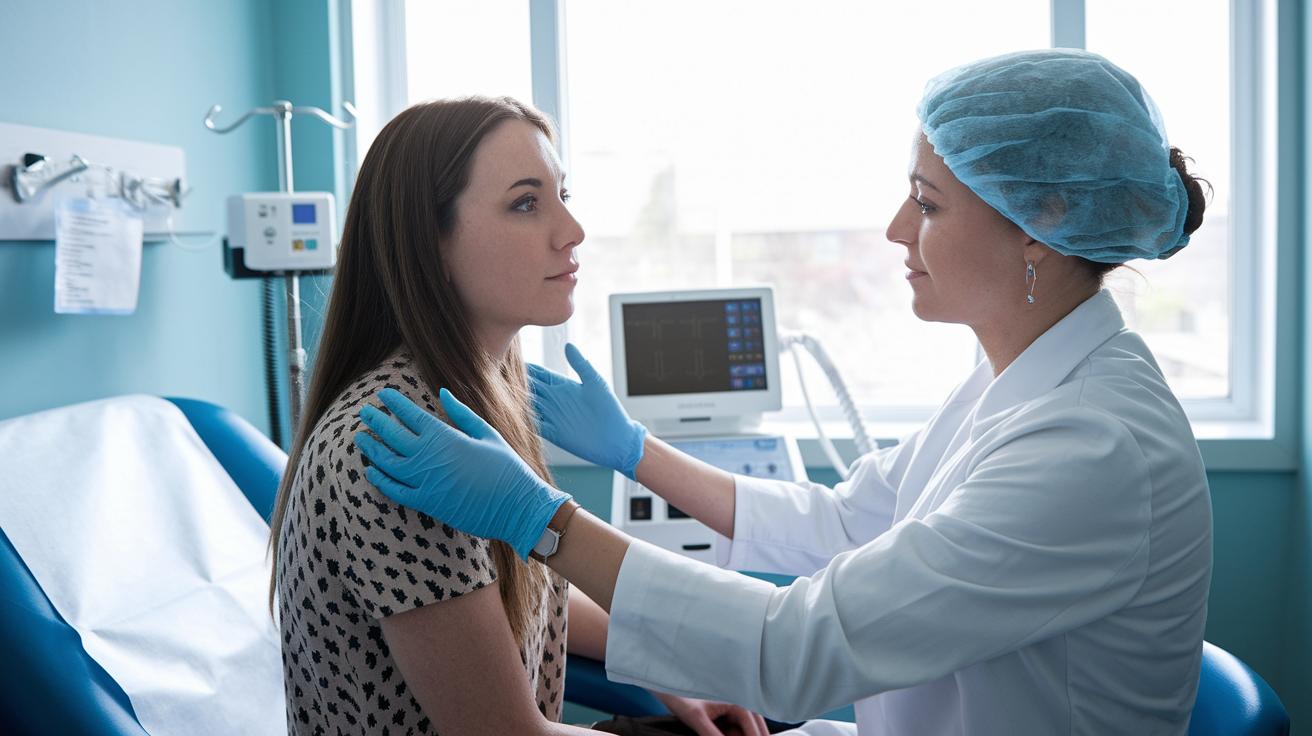
Every year, setting aside time for a well-woman exam is like giving your body a tune-up, it keeps everything running smoothly. From your teen years through post-menopause, these checkups update important screenings and help catch potential health issues early. Think of it as taking your car in for a service to keep it on the road.
A regular exam usually includes a mammogram starting at age 40 for women at average risk. This test is key for spotting breast cancer in its early stages when treatments work best. Pap tests also begin at age 21. Depending on your age and the results, these checks might happen every three to five years, helping to detect any cell changes on the cervix before they develop into something more serious.
If you’re sexually active, especially if you’re under 25 or have other risk factors, it’s a good idea to get screened for STIs. Early screening means any issues can be treated right away, keeping you healthy.
Starting at age 45, it’s recommended to check for colon cancer. There are a couple of options, like a home test kit or a colonoscopy, with how often you need a follow-up depending on your first results. And when it comes to bone health, an osteoporosis screening with a DEXA scan usually begins at 65, helping to keep your bones strong and manage any risk of fractures.
Don’t forget, your annual wellness exam often includes a quick depression screening too. Taking a moment to check on your mental health is just as important as any physical test, assuring you get the full picture of your well-being.
This personalized approach to women’s health makes sure that every test plays its part to support a long, healthy life.
Age-Specific Screening Recommendations in Women’s Preventive Care
Women’s preventive care involves following straightforward screening guidelines that adjust as you age. It all starts with Pap tests. Doctors recommend beginning these tests at age 21, then repeating them every three years. Once you hit 30, you have the option of combining a Pap test with an HPV test every five years. Think of it like regular upkeep for your car, taking care of minor issues now can prevent big problems later.
Next are mammograms. From age 40 to 74, an annual mammogram is advised to spot any early changes in your breasts. These yearly screenings can help catch potential issues early, much like a yearly car service that keeps everything running smoothly.
Colon cancer screening is also key to preventive care. Starting at age 45, a colonoscopy is typically recommended every 10 years if no problems are found. If any issues come up, your doctor might suggest additional follow-up sooner than expected.
Bone health is another important area. A DEXA scan, which measures your bone density, is usually recommended at age 65. If you have extra risk factors, your doctor might advise getting this test earlier, so you can keep track of your bone strength.
Finally, the HPV vaccine plays a vital role in preventing certain cancers. It’s generally recommended for girls and women up to age 26, with catch-up doses available through age 45.
| Screening | Recommended Age | Interval/Notes |
|---|---|---|
| Pap Test | From 21; co-test every 5 years from 30 to 65 | Every 3 years or combined Pap-HPV testing |
| Mammogram | 40–74 | Annual screening |
| Colonoscopy | 45 and up | Every 10 years if normal; sooner if abnormal |
| DEXA Scan | 65 (or earlier with risk factors) | Bone density measurement |
| HPV Vaccine | Up to 26; catch-up through 45 | Prevents HPV-related cancers |
Immunizations and Nutritional Evaluations in Female Preventive Care
Staying current with your vaccines and keeping an eye on your diet are both smart moves for maintaining overall wellness. For girls aged 9 to 14, two doses of the HPV vaccine can build up protection against certain cancers linked to the virus. If you begin after age 15, you’ll need three doses to achieve the same safeguard. It’s also wise to get your yearly flu shot to help fend off seasonal illnesses, and if you’re pregnant, a Tdap booster during your pregnancy protects both you and your baby. Think of these shots like tuning up your engine before a long trip, taking care of them now helps prevent problems later. Just like you wouldn’t head out on a cold morning without your coat, don’t skip your annual vaccines.
Paying attention to nutrition is equally important. During a nutritional evaluation, your doctor will look over your eating habits to ensure you’re getting enough calcium and vitamin D for strong bones, plus folic acid to lower the risk of neural tube defects during pregnancy. This kind of check-up might include practical advice to boost your vitamin intake through whole foods or supplements. Your healthcare provider might also lean on established guidelines for managing chronic conditions to give personalized nutrition counseling.
And there’s more: a quick mental health check often happens during well-woman visits. Using straightforward questionnaires like the PHQ-2 or PHQ-9, your provider can spot if you might need a bit more support emotionally. This simple screening brings together care for both your physical and emotional well-being.
Lifestyle Modification Programs in Preventive Care for Women

Taking care of your health can start with simple, lasting tweaks to your daily routine. For instance, regular exercise, like brisk walking or a gentle bike ride, can make a world of difference. Experts often suggest aiming for about 150 minutes of moderate aerobic activity each week, along with a couple of strength-building sessions. Even a quick 20-minute resistance workout at home might be just the break you need in a busy day.
Managing your weight is another important piece of the puzzle. By keeping an eye on your body mass index (BMI) and setting realistic goals, you can slowly shift to healthier eating. A food journal might help you see where little changes can add up. Often, a chat with your doctor or a registered dietitian can guide you in finding a plan that fits your lifestyle easily.
Your visit to the doctor might also include quick screenings for smoking habits. Simple discussions and tips on cutting down or quitting can be very effective. And don’t forget: small adjustments like building in moments to relax or setting a soothing bedtime routine can help lower your stress and improve sleep quality, leaving you feeling better day by day.
For more practical advice and additional tips, check out this wellness guide: wellness guide.
Navigating Insurance Coverage for Preventive Care for Women
Many women enjoy free access to important health screenings thanks to laws like the ACA. When you schedule a well-woman exam, tests such as mammograms, Pap smears, and DEXA scans, which the USPSTF rates as top-notch, come without any copays or deductibles. This means you can focus on your health without worrying about extra costs.
Marketplace plans are required to cover these preventive services, following trusted guidelines from organizations like the USPSTF and the CDC. In short, this rule ensures that early detection isn’t held back by financial concerns. Plus, state programs like Medicaid expansion help low-income women get free screenings, making sure more people can receive essential care.
Major insurers like Blue Cross, UnitedHealthcare, and Aetna now offer plans that include no-copay options for your annual well-woman exam. This approach not only reduces potential expenses but also encourages early detection and regular wellness checks, keeping you informed and proactive about your health.
Advanced Risk Assessment and Specialized Screening in Women’s Preventive Care

Specialized screenings take health checks one step further by spotting risks that routine exams might miss. When you reach age 40, doctors often start with a heart health check that includes a lipid panel (a simple test for cholesterol levels), blood pressure readings, and even risk calculators that gauge your chance of heart disease. It's a lot like checking your car’s fuel gauge before a long journey, catching small issues early can help avoid bigger troubles down the road.
Checking for metabolic syndrome follows a similar idea. Health professionals measure things like your waist size, fasting blood sugar (the sugar level after not eating for a while), and blood lipids to get a clear picture of your metabolic health. Ever observed how a slight change in your waist size can hint at something more? It’s a small clue that might lead to important health advice.
If you have symptoms or a family history of thyroid issues, thyroid function tests might be a good idea. These tests look at your hormone levels and help decide if more checks are needed. And for women with strong family histories of breast or ovarian cancer, genetic tests like BRCA1/2 can offer extra insights to guide your care.
Bone health is equally important. A DEXA scan not only measures the strength of your bones but also helps predict your risk of fractures. Understanding your bone density early on sets the stage for taking steps to keep your bones strong.
Each of these tests is designed to tailor care to your unique risk profile, giving you and your healthcare team a clear, personalized plan for long-term wellness.
Integrating Technology and Community Resources in Women’s Preventive Care
Digital tools have really changed the way women look after their health. With virtual telehealth visits, you can easily book your well-woman appointments online for everything from advice and follow-ups on unusual test results to quick mental health checkups. It’s like having a friendly conversation with your doctor, all from the comfort of your home. Many women have already shared that a simple video call felt just as caring as an in-person visit.
Digital appointment reminders also make a big difference. Whether it’s a text or an email, these notifications help you remember vaccination dates and scheduled screenings, keeping your health routine right on track.
Self-screening checklists are another clever tool. They guide you through tasks like doing breast self-exams or checking your blood pressure at home. Imagine them as your personal maintenance guide, just like the reminder you get to check your car’s oil, to keep your health running smoothly.
Community outreach programs add an extra layer of support, making preventive care more accessible. Health fairs and mobile screening units bring services to women in remote or underserved areas, while nonprofit programs assist those without insurance in accessing low-cost or free care. This way, no one is left behind.
Final Words
In the action, the post walked through essential screening tests, immunization updates, nutritional evaluations, and lifestyle tweaks tailored to women's unique needs. It covered everything from early cancer screening and bone density exams to mental health checkups and insurance options. The discussion also highlighted practical tech tools and community resources that simplify staying on top of your health.
With these insights, embracing preventive care for women feels both accessible and empowering. Every step taken today builds a healthier tomorrow.
FAQ
What is women’s preventive care?
Women’s preventive care includes regular exams and screenings, like Pap tests and mammograms, that help track health and catch conditions early. It covers tests and assessments based on age and risk factors.
What are examples of preventive care for women?
Examples include annual well-woman exams, Pap tests, mammograms, lab tests for cholesterol or blood sugar, vaccinations, and counseling on nutrition and exercise to support overall health.
What is covered under preventive care?
Preventive care covers screenings, lab tests, immunizations, and wellness counseling—all designed to detect health concerns early. Labs often include cholesterol panels and blood sugar tests among other essential evaluations.
What should be included in a female preventive care checklist?
A female preventive care checklist guides essential screenings, such as Pap smears, mammograms, STI tests, nutritional evaluations, immunizations, and risk assessments tailored to different life stages.
How does women’s health insurance coverage affect access to preventive care?
Many plans offer women’s preventive services like exams, screenings, and tests without extra fees. Insurance options under policies like the ACA make these essential services accessible and free of cost.
What is the best preventive action against women’s health conditions?
The best action involves following recommended screening guidelines and maintaining a healthy lifestyle through regular physical activity, balanced nutrition, and stress management practices.
What is the Women’s Preventive Services Initiative?
The Women’s Preventive Services Initiative comprises guidelines and programs ensuring free or low-cost exams and screenings, such as mammograms and Pap tests, to promote early detection and overall well-being.