Have you ever wondered why we often set our own needs aside? Self-care isn’t just a luxury, it’s more like giving your body a tune-up so everything runs smoothly.
Think of it like this: a classic car runs best when it gets regular maintenance. In the same way, your mind and body perform better when you take a moment for yourself.
In this post, we explore how little acts of care can brighten your mood, clear away that foggy feeling, and build your strength. Ready to see why looking after yourself can lead to a brighter, healthier life?
Core Reasons Why Self-Care is Crucial for Your Health: Embrace Your Spark
Self-care is about looking after your body, mind, and spirit, like giving yourself a much-needed tune-up. The World Health Organization describes it as a way for you, your family, and even your community to boost health, ward off illness, and bounce back from life's setbacks without a huge expense. Think of it as maintaining a classic car: a little regular care keeps you running smoothly. From meeting basic needs, like eating right, staying hydrated, and keeping up with hygiene, to nurturing feelings of connection and worth, self-care covers every part of our well-being.
Taking care of yourself doesn't have to be complicated. It can be as simple as mixing a short walk when you're feeling stressed with a few minutes of meditation to clear your head. Perhaps you enjoy reading a good book or solving puzzles to keep your mind sharp. The beauty of self-care is that there’s no “one-size-fits-all”, it's all about finding what recharges you. Here are some key benefits that come with crafting your own self-care routine:
- Stress reduction
- Boosted immune system
- Improved mental clarity
- Balanced emotions
- Increased productivity
By integrating small moments of self-care into your everyday routine, you not only meet your body’s basic needs but also uplift your overall mood and resilience. Over time, these simple daily practices can build a stronger, more satisfying life, helping you feel less run down and more ready to thrive in both work and play.
How Self-Care Improves Mental Well-Being

Taking time for mental self-care can make a big difference in how focused and clear you feel. Simple activities like reading, solving puzzles, or even just taking a short break help refresh your mind. Think of these breaks as little tune-ups for your brain that clear away mental fog and prepare you for whatever comes next. Over time, these easy habits can really sharpen your mental edge.
Mindfulness meditation and deep-breathing exercises also play a big role in reducing anxiety and stress. When you spend just a few minutes a day in focused meditation, it quiets the noisy chatter in your head, leaving space for clear thinking. These moments of calm not only ease tension but also help stabilize your emotions, promoting a state of balance and deep inner peace.
By weaving these practices into your daily routine, you build a strong foundation for long-term mental resilience. Regular self-care can change how you handle stress and boost your overall mood. Before you know it, these small, consistent efforts make you more adaptable to the challenges of everyday life, turning self-care into a trusted source of inner strength and well-being.
Self-Care Techniques for Physical Restoration
Taking care of your body starts with the basics, a healthy, balanced diet and plenty of water. When you eat nutrient-packed foods and drink enough water, you're fueling your cells, keeping your skin refreshed, and helping your organs do their job. It’s a bit like giving your body a tune-up every day.
Good sleep and light exercise are key, too. Try to get 7–9 hours of sleep each night so your body has time to fix and recharge itself. Even a short walk or a gentle bike ride can boost circulation, tone your muscles, and lift your energy levels. Think of it as a simple way to naturally boost your well-being.
And don’t forget to listen to your body. If something feels off, a timely check-up can make all the difference. Keeping an eye on small changes helps you catch issues early and keeps your health on track. By being proactive, you set the stage for a healthier, more vibrant life.
Emotional Resilience Built Through Self-Care Practices

Exploring creative outlets, like writing in your journal, picking up a fun hobby, or having a heart-to-heart with a trusted friend, can really help you let out built-up emotions. Imagine scribbling your thoughts after a challenging day, it’s like giving yourself a gentle reminder that every feeling counts.
Taking just a few slow, deep breaths during a hectic moment can work wonders for your emotions. Picture yourself pausing amid the chaos, inhaling deeply, and feeling a wave of calm wash over you, bringing your focus back to the here and now.
Making time for daily practices that balance your emotions can gradually build strong coping skills. Whether it’s the brief mindfulness session you sneak into your morning routine or the creative time that brightens your evenings, these small habits help smooth out life’s ups and downs. Many professionals lean on these techniques to ease stress and prevent burnout, showing that managing your feelings really is a key part of self-care.
Simple activities like enjoying a quiet moment with a beloved hobby, taking a reflective walk, or engaging in an earnest conversation all nurture your inner trust and control. Over time, these moments build a resilient foundation, guarding you against overwhelming stress while strengthening your inner core.
Integrating Self-Care into Daily Routines: Practical Strategies
Making time for self-care every day can really boost your overall well-being. Think of your daily schedule as a framework that supports your body, mind, and feelings. By slipping in simple self-care moments throughout your day, you build a steady routine that helps you manage stress and keep your energy balanced.
Try starting with tiny, achievable goals. For example, set aside a quick 5-minute meditation or take a short walk during a break. It might seem like a small act, but these little moments add up, brightening your mood and sharpening your focus. Soon enough, these positive habits become part of your everyday life.
It also helps to actively schedule your self-care. Look around your day for little pockets of quiet, maybe a calm stretch before the morning rush, a brief pause during lunchtime, or a few minutes before bedtime. Using a simple time-blocking method can turn these moments into consistent, reliable self-care practices.
Keeping track of your progress can make a big difference too. Whether you use a journal or a habit-tracking app, jotting down your goals and checking off each day’s effort helps hold you accountable. This record not only shows how far you’ve come but also reinforces the benefits of staying consistent.
Remember, it’s perfectly fine to be flexible with your routine. Life changes, and sometimes your needs do too. If you find a particular practice isn’t working or another interest catches your attention, adjust your plan. Embracing these changes can make self-care a dynamic and integral part of your daily life.
Building Lasting Self-Care Habits for Ongoing Well-Being
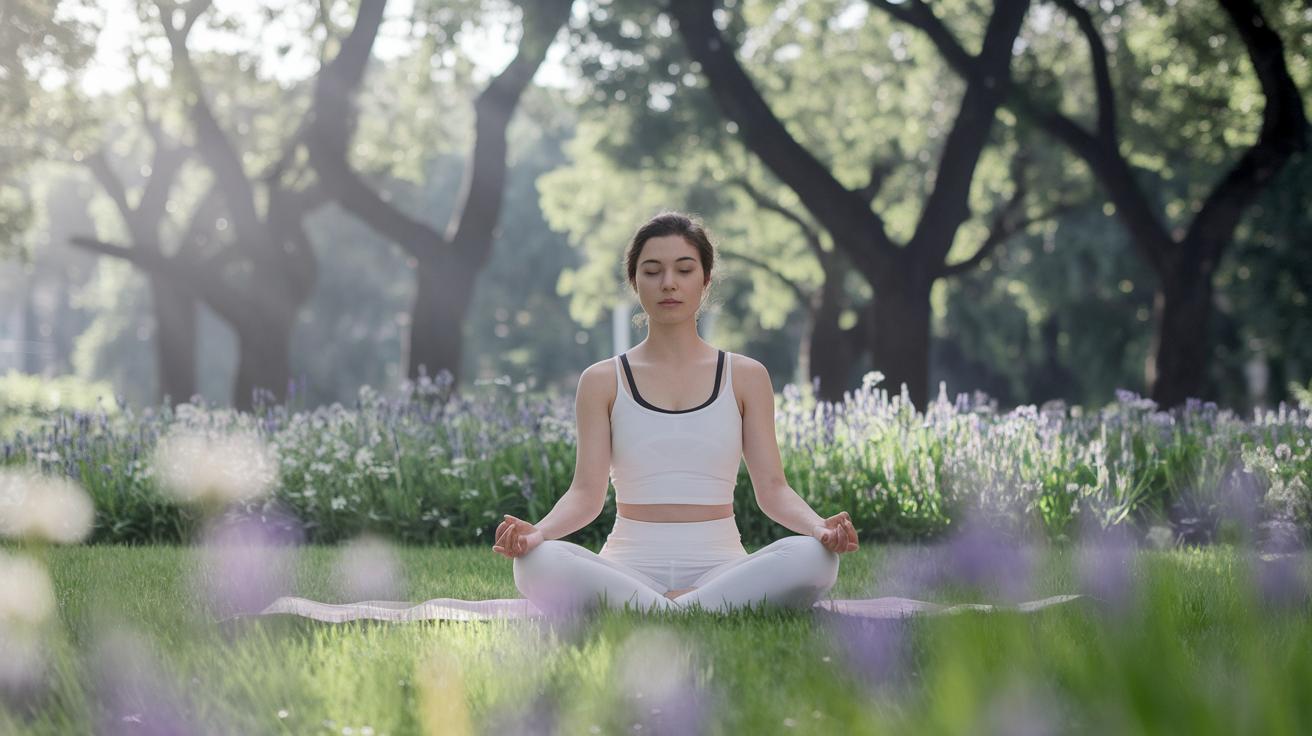
Self-care isn't just another task on your list, it shapes who you are at your core. Research shows that when you connect new practices to your inner values, self-care becomes a natural part of your identity.
Taking a moment for deep reflection goes way beyond checking off daily habits. It means digging into the feelings behind your actions. For instance, after enjoying a quiet moment, ask yourself, "How did that calmness reshape my mood?" This simple check-in can reveal hidden strengths and obstacles that guide your journey.
Try shifting your perspective so that self-care feels like a personal ritual, not just a scheduled chore. Instead of marking it on your calendar, let each act of care affirm your worth. A little mental note like "I deserve this calm" can change your outlook and build resilience.
Every time you pay attention to your inner changes, you create a positive cycle. Noticing even the smallest shift in mindset reinforces habits that nurture well-being, turning tiny victories into lasting parts of who you are.
Final Words
In the action of putting self-care into practice, we explored physical restoration, mental clarity, and emotional balance supported by research and practical strategies. Each element, from balanced nutrition to mindful moments, works together for overall well-being.
By combining everyday habits with proven techniques, our discussion showed why self care is important for reducing stress, boosting mood, and cultivating resilience. Embracing these practices can lead to a healthier, more fulfilled life.
FAQ
What is self-care?
The concept of self-care refers to taking intentional steps to meet your physical, mental, and emotional needs. It involves basic routines like proper nutrition, relaxation, exercise, and mindfulness practices.
What are the benefits of self-care, including the 5 C’s or big 5?
The benefits of self-care include stress relief, an immune boost, mental clarity, emotional balance, and improved productivity. This concise list aligns with the recognized 5 C’s and supports overall wellness.
Why is self-care important for mental health and overall well-being?
The importance of self-care lies in its ability to prevent burnout, promote mental clarity, and help balance work and study. Regular self-care practices support mental health for students and the wider community.
What are some examples of self-care?
The examples of self-care include mindfulness meditation, creative hobbies, short walks, balanced nutrition, and sufficient sleep. Each activity serves as a practical approach to improve daily well-being.
What happens if you don’t practice self-care?
The absence of self-care can lead to increased stress, fatigue, and diminished mental clarity. Without proper self-maintenance, both physical and emotional health may decline, ultimately resulting in burnout.