Integrated Approach To Wellness Sparks Lasting Joy

Have you ever wondered if standard healthcare might be missing something? Imagine a care plan that goes beyond doctor visits by blending routine checkups with practices like meditation and acupuncture to support your entire well-being.

This approach gathers experts, from physicians to mental health counselors, to develop a personalized plan that boosts both your body and mind. It isn’t just about treating symptoms; it’s about nurturing daily habits that lead to real, lasting joy.

Could this well-rounded care be the secret to a healthier, more fulfilling life?

Foundations of an Integrated Wellness Strategy

Integrated wellness combines your regular doctor visits with extra treatments like acupuncture and mindfulness, caring for your body, mind, and emotions. Imagine getting a routine checkup paired with meditation, many patients say they feel overwhelmed by mixed advice until they try this balanced approach.

Doctors, physical therapists, nutritionists, and mental health counselors all work together as a team. When they join forces, research shows that patients become active in their own recovery, leading to better management of chronic conditions, improved mental well-being, and a more satisfying care plan.

A big part of this strategy is integrated behavioral health, which brings together physical and mental care. This approach encourages building everyday habits that nurture your whole self and bring lasting joy. Instead of just treating symptoms, it’s about taking care of every part of you through meaningful, everyday choices.

Mind-Body Balancing Techniques in Wellness Integration
img-1.jpg

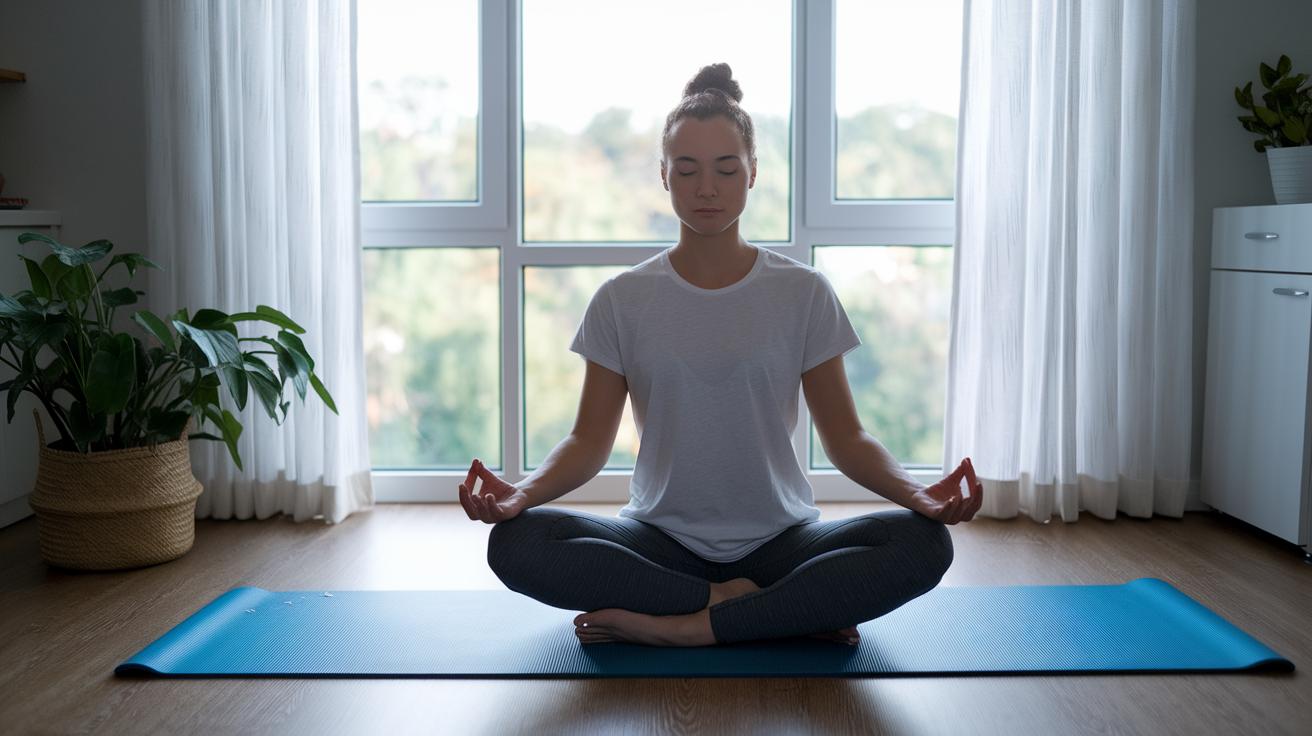
Mind-body practices like yoga, meditation, Tai chi, biofeedback, and hypnosis offer a comforting way to relax and find calm. They work by syncing your body’s posture, your breath, and your mental focus, which can help lower stress hormones and build emotional strength. For example, yoga not only helps your muscles become stronger and more flexible, but it also encourages a quiet, steady mind. Meditation creates a gentle space for reflection where you can notice each thought and feeling without getting overwhelmed.

Bringing these practices into your daily routine can really help create a balanced sense of well-being. Even spending just a few minutes on mindful breathing, something many find different from deep breathing, can soothe your emotions and ease anxiety. Tai chi, with its slow, deliberate movements, feels almost like a moving meditation that supports both physical strength and mental clarity.

Techniques like biofeedback and hypnosis give you a unique chance to see how your body and emotions connect. They help you learn how to manage your stress and reactions more effectively. Even short, regular sessions can lead to less anxiety, more energy, and a lasting sense of joy in everyday life.

Nutritional Excellence within an Integrated Wellness Framework

Targeted nutrition is key to keeping you healthy. It means choosing whole foods that calm inflammation and adjusting your meals to fit your unique needs. When you learn about your food sensitivities and tailor your meal plans, you give yourself a natural boost.

A balanced diet is more than just taking vitamins. It's about combining the best that nature offers with science-backed advice. By including nutritious foods and the right supplements, you create a team effort in your nutrition that helps prevent issues and supports healing.

Sometimes, our everyday meals miss a few important elements. That’s when supplements can help. Probiotics, for example, keep your gut happy and aid digestion (check out more about probiotic foods if you're curious). Omega-3 fatty acids support your heart and help ease inflammation. Adaptogens work to manage stress by supporting your body's natural responses, while vitamin D helps build strong bones and boosts your immune system.

Supplement Primary Benefit
Probiotic foods Supports gut health and aids digestion
Omega-3 fatty acids Supports heart health and eases inflammation
Adaptogens Helps manage stress responses
Vitamin D Strengthens bones and boosts immunity

Role of Physical Activity in a Comprehensive Wellness Model

img-2.jpg

Exercise plays a big part in keeping our bodies and minds in great shape. Imagine starting your day with a brisk walk or a short cycle ride, it can feel as revitalizing as a cool splash of water that wakes you up and sets a positive tone for the day.

Mixing up your workouts not only strengthens your heart but also builds muscle and keeps you flexible. Try adding these types of activities to your routine:

  • Cardio workouts that help strengthen and build endurance for your heart
  • Strength exercises that develop muscle and support your overall body structure
  • Flexibility routines like stretching or yoga to keep injuries at bay

By adding a variety of exercises into your schedule, you not only boost your physical stamina but also sharpen your focus and help manage stress. Even small, consistent movements can make a big difference in your daily energy and overall well-being.

Regular movement is truly a cornerstone of a solid wellness plan, one that nurtures both the body and the mind in an inviting, all-around way.

Complementary and Alternative Therapy Options in Integrated Care

Today’s integrated care centers mix traditional medical treatments with hands-on therapies like chiropractic, acupuncture, massage therapy, Reiki, and physical therapy. These alternative approaches work together with usual care to not only ease your symptoms but also get to the heart of what might be affecting your overall health. For instance, acupuncture boosts your body’s energy flow to help ease pain and speed up healing, while chiropractic care gently realigns your spine for better body function. And, with massage therapy and Reiki, you get a calming touch that can melt away tension and bring emotional balance.

By combining these methods with regular treatments, healthcare professionals create a care plan that looks after the whole person. This thoughtful blend can even help counter environmental or social factors that increase the risk of chronic diseases. And as these different therapies work in sync, many people find they enjoy higher energy levels, smoother mobility, and a more complete sense of well-being.

In short, when used safely and effectively, complementary therapies offer a balanced approach that supports overall healing. They provide a practical, empowering way to manage your wellness, one that can spark joy and nurture a lasting feeling of vitality every day.

Personalized Wellness Planning and Coaching for Whole-Person Health
img-3.jpg

Imagine a wellness plan that fits you like a glove, adapting to your everyday routines. Integrated wellness is all about crafting a recovery path that mirrors your unique lifestyle. With expert coaching, routine checkups transform into a personalized strategy that covers what you eat, how you manage stress, and even small tweaks in your daily habits. Every step of your health journey is yours to own, and your coaching team is right there to support you.

When health professionals join forces to create coordinated care plans, from behavioral health to home health and hospice, they blend data-driven insights with practical expertise. This means you get a well-rounded plan that adjusts to your changing needs, ensuring that every facet of your well-being is considered. Plus, it paves the way for honest, open communication with your care team, ensuring you receive the right advice at just the right moment.

Ongoing coaching inspires you to take charge of your health and makes it easier to stick with positive changes. For instance, adding self-care steps into your everyday routine might look like:

  • Personalized nutritional tips to boost your energy
  • Simple stress-relief techniques to balance your emotions
  • Everyday lifestyle choices that support a vibrant, whole-person health

This tailored approach not only encourages active self-management, it lays a strong foundation for a balanced, joyful life where every little step truly counts.

Final Words

In the action, this article explored an integrated approach to wellness by blending mind-body techniques, targeted nutrition, regular exercise, and complementary therapies. These elements work together to create a balanced care plan that supports overall health while managing chronic conditions.

This integrated approach to wellness shows that combining clinical insights with simple daily practices can empower you to live a fuller, healthier life. Keep moving forward with optimism and balance.

FAQ

Frequently Asked Questions

What does integrated wellness mean and what is integrative health?

Integrated wellness means merging conventional medicine with complementary practices to address physical, emotional, and mental health, providing a balanced and personalized care model that supports overall well-being.

What is an integrated approach to health?

An integrated approach to health merges traditional treatments with strategies such as nutrition, exercise, and mind-body practices, forming a coordinated plan that empowers patients to actively engage in their healing.

What are some examples of integrative medicine?

Integrative medicine examples include using acupuncture for pain relief, massage therapy to ease stress, and nutritional counseling to complement conventional treatments, all working together to support recovery and wellness.

What is an integrative medicine doctor?

An integrative medicine doctor blends conventional medical treatments with complementary therapies, focusing on whole-person care while guiding patients through coordinated plans that address physical, emotional, and mental needs.

How do I become an integrative medicine doctor or get an integrative medicine degree?

The path to becoming an integrative medicine doctor typically involves completing medical school, a residency program, and pursuing additional training or a degree focused on integrative medicine to combine traditional and complementary care techniques.

Where can I find integrative medicine clinics, such as Mayo Clinic integrative Medicine in Arizona?

You can find integrative medicine clinics by checking local hospital networks or university health centers; for example, the Mayo Clinic in Arizona offers services that blend standard medical care with complementary therapies.

What is the difference between a holistic approach and an integrated approach?

A holistic approach emphasizes care for the mind, body, and spirit, while an integrated approach combines conventional treatments with complementary therapies into a coordinated, evidence-based plan focused on overall health.

What are common integrative health approaches?

Common integrative health approaches include mind-body practices like meditation, nutritional guidance, regular physical activity, acupuncture, and massage therapy, all designed to work with standard treatments in supporting overall well-being.

Have you ever wondered if standard healthcare might be missing something? Imagine a care plan that goes beyond doctor visits by blending routine checkups with practices like meditation and acupuncture to support your entire well-being.

This approach gathers experts, from physicians to mental health counselors, to develop a personalized plan that boosts both your body and mind. It isn’t just about treating symptoms; it’s about nurturing daily habits that lead to real, lasting joy.

Could this well-rounded care be the secret to a healthier, more fulfilling life?

Foundations of an Integrated Wellness Strategy

Integrated wellness combines your regular doctor visits with extra treatments like acupuncture and mindfulness, caring for your body, mind, and emotions. Imagine getting a routine checkup paired with meditation, many patients say they feel overwhelmed by mixed advice until they try this balanced approach.

Doctors, physical therapists, nutritionists, and mental health counselors all work together as a team. When they join forces, research shows that patients become active in their own recovery, leading to better management of chronic conditions, improved mental well-being, and a more satisfying care plan.

A big part of this strategy is integrated behavioral health, which brings together physical and mental care. This approach encourages building everyday habits that nurture your whole self and bring lasting joy. Instead of just treating symptoms, it’s about taking care of every part of you through meaningful, everyday choices.

Mind-Body Balancing Techniques in Wellness Integration

img-1.jpg

Mind-body practices like yoga, meditation, Tai chi, biofeedback, and hypnosis offer a comforting way to relax and find calm. They work by syncing your body’s posture, your breath, and your mental focus, which can help lower stress hormones and build emotional strength. For example, yoga not only helps your muscles become stronger and more flexible, but it also encourages a quiet, steady mind. Meditation creates a gentle space for reflection where you can notice each thought and feeling without getting overwhelmed.

Bringing these practices into your daily routine can really help create a balanced sense of well-being. Even spending just a few minutes on mindful breathing, something many find different from deep breathing, can soothe your emotions and ease anxiety. Tai chi, with its slow, deliberate movements, feels almost like a moving meditation that supports both physical strength and mental clarity.

Techniques like biofeedback and hypnosis give you a unique chance to see how your body and emotions connect. They help you learn how to manage your stress and reactions more effectively. Even short, regular sessions can lead to less anxiety, more energy, and a lasting sense of joy in everyday life.

Nutritional Excellence within an Integrated Wellness Framework

Targeted nutrition is key to keeping you healthy. It means choosing whole foods that calm inflammation and adjusting your meals to fit your unique needs. When you learn about your food sensitivities and tailor your meal plans, you give yourself a natural boost.

A balanced diet is more than just taking vitamins. It's about combining the best that nature offers with science-backed advice. By including nutritious foods and the right supplements, you create a team effort in your nutrition that helps prevent issues and supports healing.

Sometimes, our everyday meals miss a few important elements. That’s when supplements can help. Probiotics, for example, keep your gut happy and aid digestion (check out more about probiotic foods if you're curious). Omega-3 fatty acids support your heart and help ease inflammation. Adaptogens work to manage stress by supporting your body's natural responses, while vitamin D helps build strong bones and boosts your immune system.

Supplement Primary Benefit
Probiotic foods Supports gut health and aids digestion
Omega-3 fatty acids Supports heart health and eases inflammation
Adaptogens Helps manage stress responses
Vitamin D Strengthens bones and boosts immunity

Role of Physical Activity in a Comprehensive Wellness Model

img-2.jpg

Exercise plays a big part in keeping our bodies and minds in great shape. Imagine starting your day with a brisk walk or a short cycle ride, it can feel as revitalizing as a cool splash of water that wakes you up and sets a positive tone for the day.

Mixing up your workouts not only strengthens your heart but also builds muscle and keeps you flexible. Try adding these types of activities to your routine:

  • Cardio workouts that help strengthen and build endurance for your heart
  • Strength exercises that develop muscle and support your overall body structure
  • Flexibility routines like stretching or yoga to keep injuries at bay

By adding a variety of exercises into your schedule, you not only boost your physical stamina but also sharpen your focus and help manage stress. Even small, consistent movements can make a big difference in your daily energy and overall well-being.

Regular movement is truly a cornerstone of a solid wellness plan, one that nurtures both the body and the mind in an inviting, all-around way.

Complementary and Alternative Therapy Options in Integrated Care

Today’s integrated care centers mix traditional medical treatments with hands-on therapies like chiropractic, acupuncture, massage therapy, Reiki, and physical therapy. These alternative approaches work together with usual care to not only ease your symptoms but also get to the heart of what might be affecting your overall health. For instance, acupuncture boosts your body’s energy flow to help ease pain and speed up healing, while chiropractic care gently realigns your spine for better body function. And, with massage therapy and Reiki, you get a calming touch that can melt away tension and bring emotional balance.

By combining these methods with regular treatments, healthcare professionals create a care plan that looks after the whole person. This thoughtful blend can even help counter environmental or social factors that increase the risk of chronic diseases. And as these different therapies work in sync, many people find they enjoy higher energy levels, smoother mobility, and a more complete sense of well-being.

In short, when used safely and effectively, complementary therapies offer a balanced approach that supports overall healing. They provide a practical, empowering way to manage your wellness, one that can spark joy and nurture a lasting feeling of vitality every day.

Personalized Wellness Planning and Coaching for Whole-Person Health

img-3.jpg

Imagine a wellness plan that fits you like a glove, adapting to your everyday routines. Integrated wellness is all about crafting a recovery path that mirrors your unique lifestyle. With expert coaching, routine checkups transform into a personalized strategy that covers what you eat, how you manage stress, and even small tweaks in your daily habits. Every step of your health journey is yours to own, and your coaching team is right there to support you.

When health professionals join forces to create coordinated care plans, from behavioral health to home health and hospice, they blend data-driven insights with practical expertise. This means you get a well-rounded plan that adjusts to your changing needs, ensuring that every facet of your well-being is considered. Plus, it paves the way for honest, open communication with your care team, ensuring you receive the right advice at just the right moment.

Ongoing coaching inspires you to take charge of your health and makes it easier to stick with positive changes. For instance, adding self-care steps into your everyday routine might look like:

  • Personalized nutritional tips to boost your energy
  • Simple stress-relief techniques to balance your emotions
  • Everyday lifestyle choices that support a vibrant, whole-person health

This tailored approach not only encourages active self-management, it lays a strong foundation for a balanced, joyful life where every little step truly counts.

Final Words

In the action, this article explored an integrated approach to wellness by blending mind-body techniques, targeted nutrition, regular exercise, and complementary therapies. These elements work together to create a balanced care plan that supports overall health while managing chronic conditions.

This integrated approach to wellness shows that combining clinical insights with simple daily practices can empower you to live a fuller, healthier life. Keep moving forward with optimism and balance.

FAQ

Frequently Asked Questions

What does integrated wellness mean and what is integrative health?

Integrated wellness means merging conventional medicine with complementary practices to address physical, emotional, and mental health, providing a balanced and personalized care model that supports overall well-being.

What is an integrated approach to health?

An integrated approach to health merges traditional treatments with strategies such as nutrition, exercise, and mind-body practices, forming a coordinated plan that empowers patients to actively engage in their healing.

What are some examples of integrative medicine?

Integrative medicine examples include using acupuncture for pain relief, massage therapy to ease stress, and nutritional counseling to complement conventional treatments, all working together to support recovery and wellness.

What is an integrative medicine doctor?

An integrative medicine doctor blends conventional medical treatments with complementary therapies, focusing on whole-person care while guiding patients through coordinated plans that address physical, emotional, and mental needs.

How do I become an integrative medicine doctor or get an integrative medicine degree?

The path to becoming an integrative medicine doctor typically involves completing medical school, a residency program, and pursuing additional training or a degree focused on integrative medicine to combine traditional and complementary care techniques.

Where can I find integrative medicine clinics, such as Mayo Clinic integrative Medicine in Arizona?

You can find integrative medicine clinics by checking local hospital networks or university health centers; for example, the Mayo Clinic in Arizona offers services that blend standard medical care with complementary therapies.

What is the difference between a holistic approach and an integrated approach?

A holistic approach emphasizes care for the mind, body, and spirit, while an integrated approach combines conventional treatments with complementary therapies into a coordinated, evidence-based plan focused on overall health.

What are common integrative health approaches?

Common integrative health approaches include mind-body practices like meditation, nutritional guidance, regular physical activity, acupuncture, and massage therapy, all designed to work with standard treatments in supporting overall well-being.

More from author

LEAVE A REPLY

Please enter your comment!
Please enter your name here

Related posts

Advertismentspot_img

Latest posts

How To Create A Daily Wellness Routine: Thriving

Curious about how to create a daily wellness routine that transforms your mornings and days? Read on as secrets await…

2 Daily Wellness Drink Tips For Radiance

Experience a daily wellness drink with natural herbs, green ingredients, and clinical backing that might change your routine forever, stay tuned.

Daily Wellness: Elevate Your Everyday Vitality

Daily wellness transforms everyday routines into mindful adjustments, merging nutrition, movement, and restorative sleep. What unforeseen practice awaits you next?

Want to stay up to date with the latest news?

We would love to hear from you! Please fill in your details and we will stay in touch. It's that simple!