Top Wellness Trends: Embrace Joyful Living
Ever feel like modern wellness is overly complicated? New tech, like smart wearables and AI health tools, is now working with tried-and-true methods such as fasting to create personalized care that’s easy to follow.

More and more, young, active people are combining modern gadgets with balanced self-care practices to support both a healthy body and a clear mind. In this post, we’ll explore how these thoughtful changes can help you feel happier and more fulfilled every day, making it easier to enjoy all that life has to offer.

AI health technology is booming right now, transforming modern care. In the past five years, online searches for AI in healthcare have skyrocketed by 456%, driving virtual services that offer personalized fitness and nutrition plans. This digital shift is making expert health advice easier to reach for everyone.

Fasting is now the most popular trend, surpassing keto and low-carb diets. Young people, especially Gen Z and millennials, are spending more than twice as much on self-care products and services than older generations. This change shows a growing interest in whole-person wellness, where personalized care meets science-backed methods.

Medical robotics is also on the rise. The market is expected to jump from $11.47 billion in 2023 to about $24.23 billion by 2028. This growth highlights how technology is becoming an everyday part of healthcare, whether through diagnostic tools or innovative surgical procedures.

Mental health remains a top priority, with more focus on therapy and support services influencing how we approach overall wellness. At the same time, the gut-health trend is gaining ground as more people turn to probiotics and prebiotics, simple ingredients that help maintain a balance between digestive and mental health.

Wearable health gadgets are having a significant impact too. Valued at roughly $74 billion in 2024, they let users monitor their health in real time, making it easier to create personalized wellness routines. Meanwhile, sales of performance shakes and powders have increased by 38%, with well-known brands like Premier Protein and Fairlife leading the market. And with 33% of shoppers now preferring to buy online, digital platforms are quickly becoming the go-to place for health products.

img-1.jpg

AI is completely changing the way we look after ourselves. It offers tailored fitness plans and on-demand coaching that fits right with your needs. For example, early users of AI-based apps saw a 27% boost in their workout consistency in just three months, which is pretty impressive.

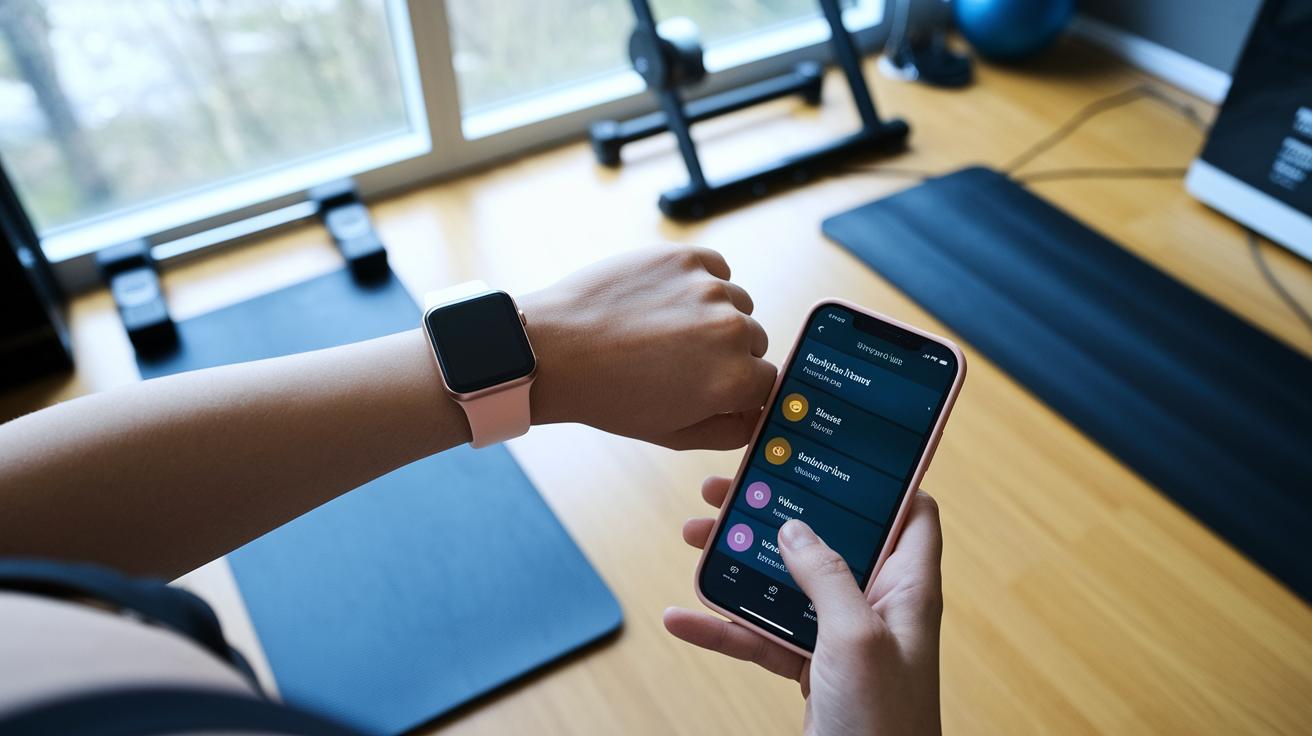
Wearable devices are another game-changer in wellness. They're now a major part of a $74 billion market in 2024. Devices like smartwatches, bands, and scales track your daily steps, sleep quality, and even your heart’s rhythm. Imagine catching a glimpse of your watch during a hectic day and getting an instant update on your stress levels.

Hybrid workout models bring together live classes and app-based sessions, so you can exercise wherever you feel most comfortable. It's like having a personal trainer available at any moment, whether you're at home or on the go.

AI mental health tools and chatbots are also stepping in to help. They offer real-time mood tracking and a bit of emotional support throughout the day. Think of these digital helpers as friendly nudges, a reminder to pause, take a breath, and get back on track.

Personalized nutrition uses tools like genetic testing and AI to craft advice that fits your unique biology. Picture a digital assistant that reads your DNA and recommends whole foods to boost your energy, it’s like having a meal plan made just for you, so you feel balanced every day.

Specialty choices such as A2 milk, which many people find easier to digest, along with emerging superfoods like moringa, sea buckthorn, and hemp seeds, are giving diets a fresh twist. Imagine a smoothie boosted with hemp seeds for a natural antioxidant lift. Every ingredient is chosen based on research into its unique health benefits.

img-2.jpg

Today, Gen Z and millennials are all about self-care, they’re spending more than twice as much on products and services that lift their spirits compared to previous generations. Digital detox retreats are catching on fast, as folks take a break from screens to unwind and improve their sleep quality. One writer put it simply: imagine switching off your phone and enjoying the peaceful calm of a quiet afternoon. It’s like giving your mind a refreshing reset.

  • Gen Z and millennials are now more willing to invest in their well-being than older generations.
  • Digital detox retreats are on the rise, offering a break from constant screen time.
  • Psychedelic-assisted therapies are emerging, providing clinical support for conditions like PTSD, depression, and anxiety.
  • AI mental health apps and chatbots are available round the clock to help track moods and offer cognitive behavioral tips.
  • Corporate wellness programs are shifting toward in-person therapy sessions to nurture real, human connections.

Modern AI tools are always on hand, gently nudging us to pause, breathe, and check in on our emotions. Innovative treatments such as psychedelic-assisted therapies are opening up fresh ways to address mental health challenges, all under careful supervision. Companies are also stepping up their wellness game by adding direct therapy sessions to build genuine, face-to-face connections. By blending state-of-the-art digital tools with a personal touch, our everyday approach to mental health is transforming in truly exciting ways.

Hybrid workouts are turning the way we exercise on its head by combining the upbeat energy of studio classes with the flexibility of app workouts and live streaming. Imagine starting your day with a lively spin class at a bright, buzzing studio and later unwinding with a gentle yoga session on your tablet. It’s a refreshing mix that works for busy lives and changing moods.

Traditional gyms are making a comeback too. Even with all the digital options, many still prefer the face-to-face social vibe and specialized equipment that a gym offers. One regular put it this way: “Walking into a gym feels like joining a community. You share energy, smiles, and challenge each other to push a little harder.”

Focusing on recovery has become just as important as breaking a sweat. New routines help reduce injuries and speed up healing. For example, cryotherapy, where a quick 3-minute session in a super-cold room eases muscle aches, has become popular. Infrared saunas provide a cozy, warming experience, and float tanks offer a chance to let go of stress completely. It’s like giving your body a gentle, supportive pat on the back after a strenuous workout.

People are also adding a mental twist to their physical routines. Taking a short mindfulness break between sets can help reset your focus. Whether it’s a minute of quiet meditation or just a deep, relaxing breath, this simple step helps tie together the body and mind. In short, these trends are all about a balanced approach that leaves you feeling both energized and relaxed.

img-3.jpg

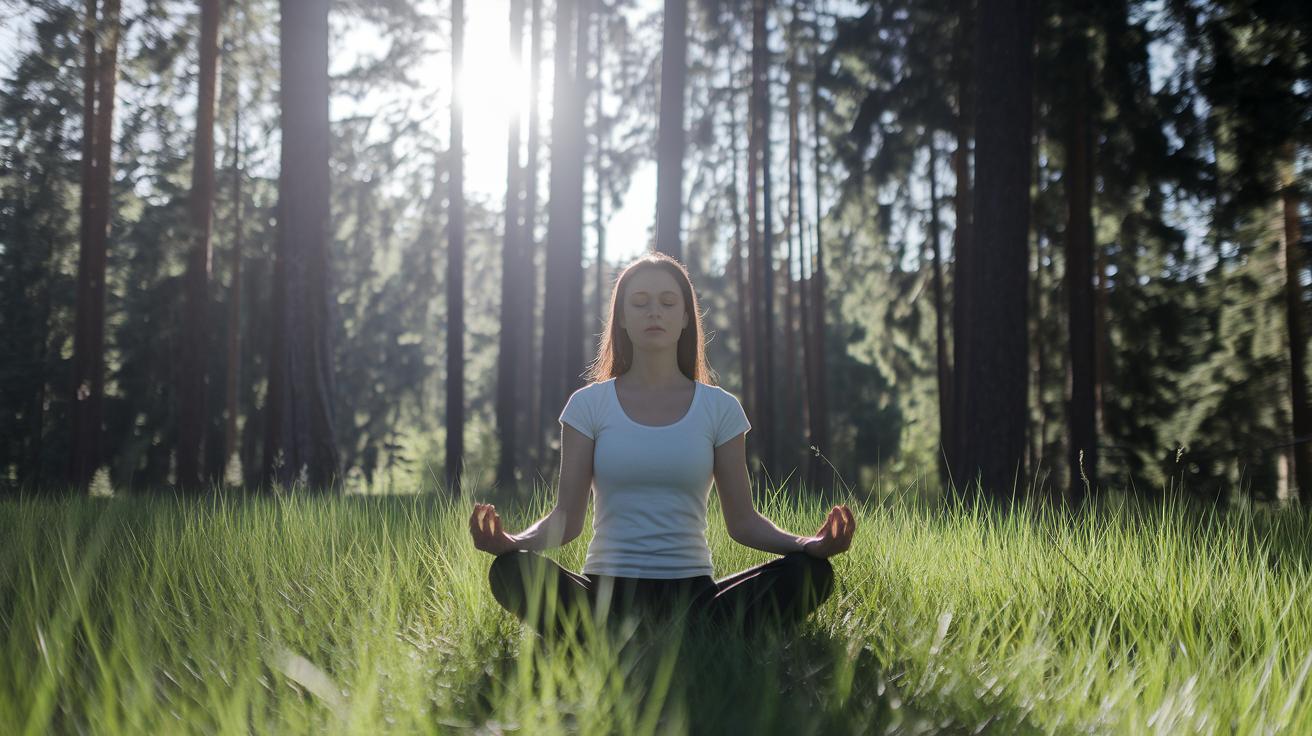
Imagine taking a quiet walk through a forest, where the gentle whisper of leaves and fresh, earthy scents lift your mood. That’s forest bathing and sense-hacking in action. It’s a simple, natural way to ease stress and help you sleep better by inviting your senses to relax and clear your mind.

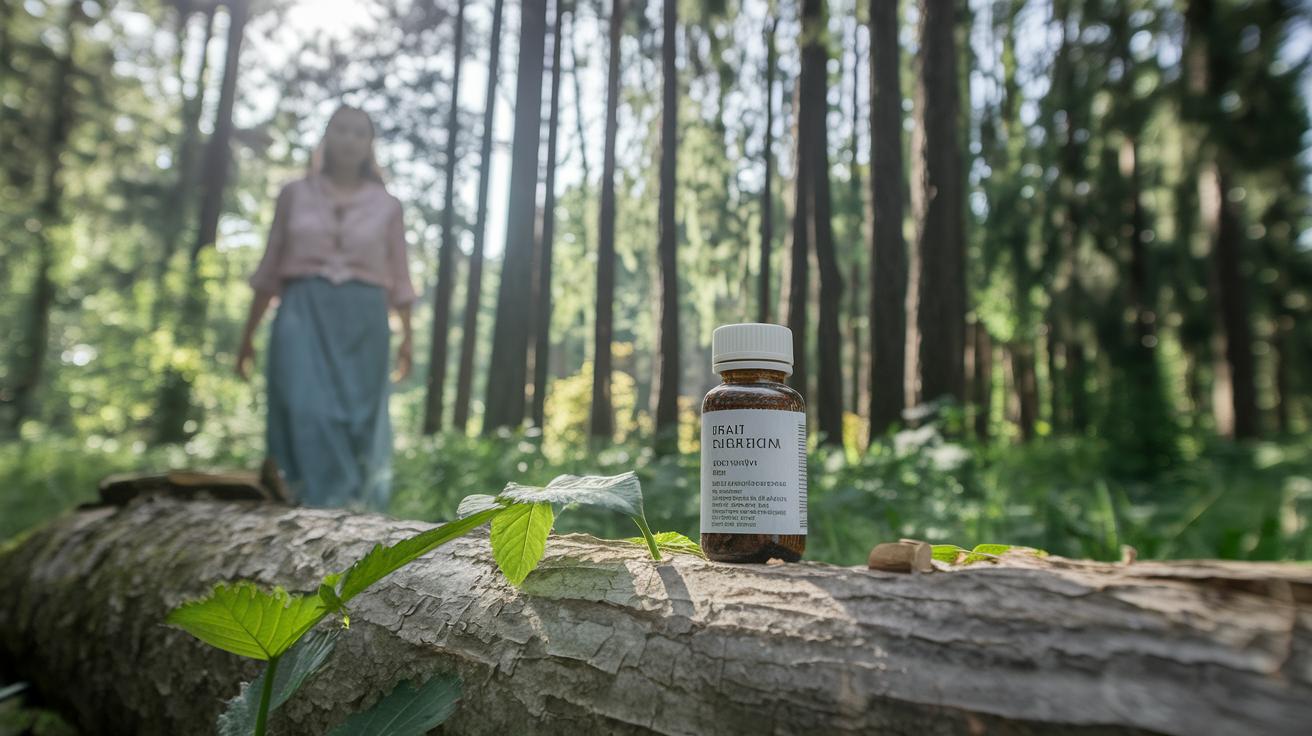
Now, think about integrative therapies like acupuncture, herbal medicine, and functional medicine. These approaches bring together modern medical insights and age-old natural remedies in a unique way. Picture a session where tiny acupuncture needles ease your tension while carefully chosen herbal supplements work in harmony with your body. It’s a blend of art and science aimed at nurturing both your mind and body.

Women’s health is also stepping into the future with personalized programs that address reproductive issues, hormone ups and downs, and perimenopausal care. Today’s tech-driven platforms offer targeted support, and open conversations about sexual health are making room for new wellness products and clear, helpful advice. Together, these trends create a caring mix of natural practices and innovative medical strategies for a well-rounded approach to personal health.

These days, companies are rethinking wellness by moving beyond just offering gym memberships. They’re now providing full mental health support, on-site counseling sessions, and even resilience training. Picture an employee taking a quiet moment during the day in a counseling session, letting the calm flow in and sparking fresh bursts of creativity.

At the same time, community and online platforms are booming. These spaces let coworkers track progress, join in friendly group challenges, and cheer each other on. Employers are tapping into solid data to customize wellness plans that really make a difference. In short, whether it’s through shared milestones or tailored support, every effort is adding up to a healthier, more connected workplace.

img-4.jpg

Imagine a time when your health plan is as unique as your own DNA. Personalized health is set to shine by mixing genetic information with smart AI. What does that mean for you? It means your daily wellness routine, including preventive care, might be custom-built just for your body's needs. Early users of DNA-based supplements even saw a 20% boost in energy after switching to formulas tailored to how their bodies work.

Biohacking and research into living longer are opening doors to smarter nootropics (substances that can improve your brain function) and hormone balancing techniques. Scientists are learning how different body types work, which could help create supplements that not only sharpen your focus but also work with your real-time health data from wearable devices.

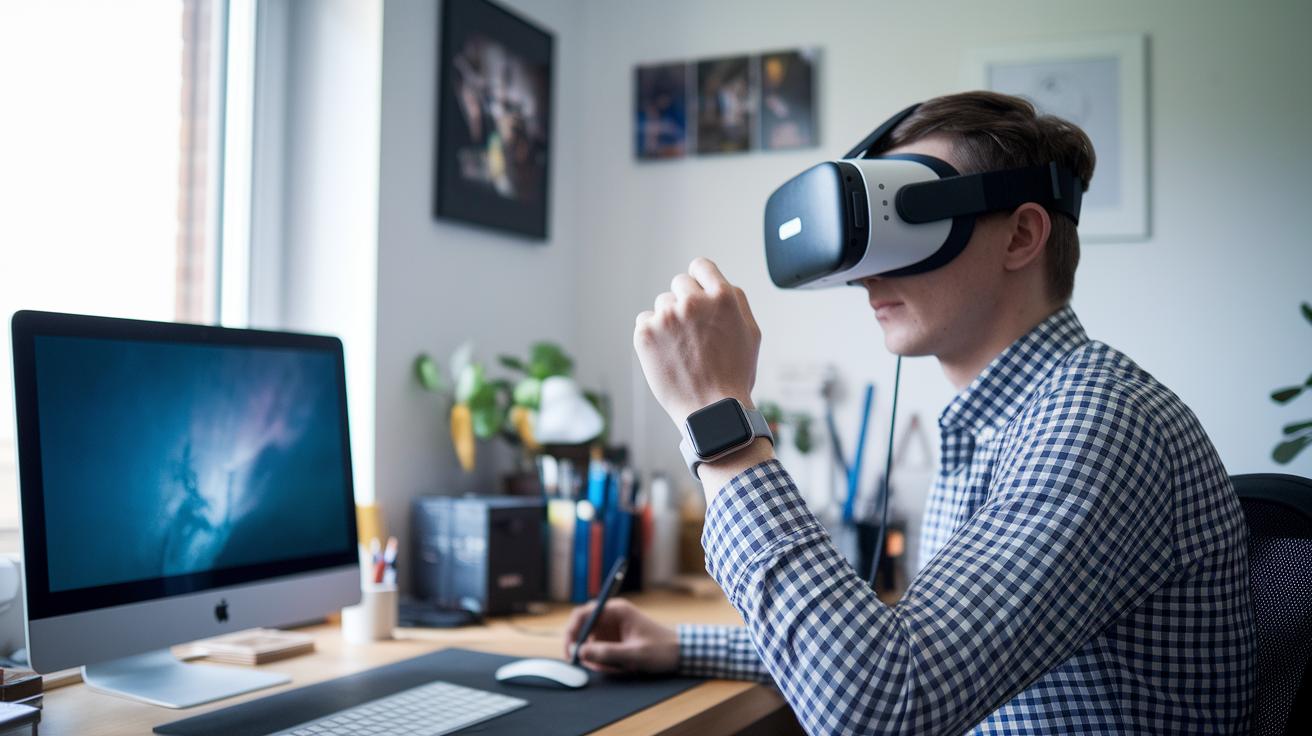
Virtual reality therapy and AI health coaches are also on the rise, offering a whole new way to care for both your mind and body. Picture stepping into a virtual space where expert advice is there anytime you need it, whether it’s a quick check-in or a deep relaxation session. Early trials show that people feel more connected and motivated after some VR-guided calm time.

Sustainability is making its way into wellness too. Soon, you might see products with eco-friendly packaging, plant-based mixes, and items designed with a circular economy in mind. Companies are also starting to address mental health issues linked to climate change and are thinking carefully about the ethics of these new health tools. It’s a refreshing mix of nature, tech, and mindfulness that promises to transform our wellness habits well into the future.

Final Words

In the action, modern health shifts unite data-driven insights and everyday practices. Each section showed how tech tools, personalized diets, mindful care, and hybrid fitness are reshaping our routines. Evidence from AI coaching and innovative nutritional approaches reminds us that practical changes can improve our well-being. Top wellness trends stand as inspiring steps toward a healthier life. Taking these insights into daily habits may well brighten our paths to better living.

FAQ

What were the top wellness trends in 2021 and 2022?

The top wellness trends in 2021 and 2022 featured digital health advancements, personalized nutrition plans, and a stronger focus on mental well-being through virtual care and tech-enhanced monitoring.

What are the projected wellness trends for 2025 and 2026?

The projected wellness trends for 2025 and 2026 center on personalized care via AI, expanded use of wearables, hybrid workout models, and tailored nutritional solutions, further integrating technology into health management.

What insights does McKinsey offer regarding wellness trends in 2025?

McKinsey’s insights for 2025 suggest a rising shift toward digital health platforms, personalized wellness programs, and tech-driven mental health tools that emphasize real-time support and improved user engagement.

What are the current health and wellness industry trends?

Current health and wellness trends highlight an increased adoption of wearable technology, personalized dietary approaches, and comprehensive mental health services that blend virtual care with traditional in-person support.

What are the top wellness products anticipated for 2025?

The top wellness products anticipated for 2025 include advanced wearable devices, high-performance nutritional supplements, and innovative self-care products designed to deliver a more personalized and tech-enabled wellness experience.

Ever feel like modern wellness is overly complicated? New tech, like smart wearables and AI health tools, is now working with tried-and-true methods such as fasting to create personalized care that’s easy to follow.

More and more, young, active people are combining modern gadgets with balanced self-care practices to support both a healthy body and a clear mind. In this post, we’ll explore how these thoughtful changes can help you feel happier and more fulfilled every day, making it easier to enjoy all that life has to offer.

AI health technology is booming right now, transforming modern care. In the past five years, online searches for AI in healthcare have skyrocketed by 456%, driving virtual services that offer personalized fitness and nutrition plans. This digital shift is making expert health advice easier to reach for everyone.

Fasting is now the most popular trend, surpassing keto and low-carb diets. Young people, especially Gen Z and millennials, are spending more than twice as much on self-care products and services than older generations. This change shows a growing interest in whole-person wellness, where personalized care meets science-backed methods.

Medical robotics is also on the rise. The market is expected to jump from $11.47 billion in 2023 to about $24.23 billion by 2028. This growth highlights how technology is becoming an everyday part of healthcare, whether through diagnostic tools or innovative surgical procedures.

Mental health remains a top priority, with more focus on therapy and support services influencing how we approach overall wellness. At the same time, the gut-health trend is gaining ground as more people turn to probiotics and prebiotics, simple ingredients that help maintain a balance between digestive and mental health.

Wearable health gadgets are having a significant impact too. Valued at roughly $74 billion in 2024, they let users monitor their health in real time, making it easier to create personalized wellness routines. Meanwhile, sales of performance shakes and powders have increased by 38%, with well-known brands like Premier Protein and Fairlife leading the market. And with 33% of shoppers now preferring to buy online, digital platforms are quickly becoming the go-to place for health products.

img-1.jpg

AI is completely changing the way we look after ourselves. It offers tailored fitness plans and on-demand coaching that fits right with your needs. For example, early users of AI-based apps saw a 27% boost in their workout consistency in just three months, which is pretty impressive.

Wearable devices are another game-changer in wellness. They're now a major part of a $74 billion market in 2024. Devices like smartwatches, bands, and scales track your daily steps, sleep quality, and even your heart’s rhythm. Imagine catching a glimpse of your watch during a hectic day and getting an instant update on your stress levels.

Hybrid workout models bring together live classes and app-based sessions, so you can exercise wherever you feel most comfortable. It's like having a personal trainer available at any moment, whether you're at home or on the go.

AI mental health tools and chatbots are also stepping in to help. They offer real-time mood tracking and a bit of emotional support throughout the day. Think of these digital helpers as friendly nudges, a reminder to pause, take a breath, and get back on track.

Personalized nutrition uses tools like genetic testing and AI to craft advice that fits your unique biology. Picture a digital assistant that reads your DNA and recommends whole foods to boost your energy, it’s like having a meal plan made just for you, so you feel balanced every day.

Specialty choices such as A2 milk, which many people find easier to digest, along with emerging superfoods like moringa, sea buckthorn, and hemp seeds, are giving diets a fresh twist. Imagine a smoothie boosted with hemp seeds for a natural antioxidant lift. Every ingredient is chosen based on research into its unique health benefits.

img-2.jpg

Today, Gen Z and millennials are all about self-care, they’re spending more than twice as much on products and services that lift their spirits compared to previous generations. Digital detox retreats are catching on fast, as folks take a break from screens to unwind and improve their sleep quality. One writer put it simply: imagine switching off your phone and enjoying the peaceful calm of a quiet afternoon. It’s like giving your mind a refreshing reset.

  • Gen Z and millennials are now more willing to invest in their well-being than older generations.
  • Digital detox retreats are on the rise, offering a break from constant screen time.
  • Psychedelic-assisted therapies are emerging, providing clinical support for conditions like PTSD, depression, and anxiety.
  • AI mental health apps and chatbots are available round the clock to help track moods and offer cognitive behavioral tips.
  • Corporate wellness programs are shifting toward in-person therapy sessions to nurture real, human connections.

Modern AI tools are always on hand, gently nudging us to pause, breathe, and check in on our emotions. Innovative treatments such as psychedelic-assisted therapies are opening up fresh ways to address mental health challenges, all under careful supervision. Companies are also stepping up their wellness game by adding direct therapy sessions to build genuine, face-to-face connections. By blending state-of-the-art digital tools with a personal touch, our everyday approach to mental health is transforming in truly exciting ways.

Hybrid workouts are turning the way we exercise on its head by combining the upbeat energy of studio classes with the flexibility of app workouts and live streaming. Imagine starting your day with a lively spin class at a bright, buzzing studio and later unwinding with a gentle yoga session on your tablet. It’s a refreshing mix that works for busy lives and changing moods.

Traditional gyms are making a comeback too. Even with all the digital options, many still prefer the face-to-face social vibe and specialized equipment that a gym offers. One regular put it this way: “Walking into a gym feels like joining a community. You share energy, smiles, and challenge each other to push a little harder.”

Focusing on recovery has become just as important as breaking a sweat. New routines help reduce injuries and speed up healing. For example, cryotherapy, where a quick 3-minute session in a super-cold room eases muscle aches, has become popular. Infrared saunas provide a cozy, warming experience, and float tanks offer a chance to let go of stress completely. It’s like giving your body a gentle, supportive pat on the back after a strenuous workout.

People are also adding a mental twist to their physical routines. Taking a short mindfulness break between sets can help reset your focus. Whether it’s a minute of quiet meditation or just a deep, relaxing breath, this simple step helps tie together the body and mind. In short, these trends are all about a balanced approach that leaves you feeling both energized and relaxed.

img-3.jpg

Imagine taking a quiet walk through a forest, where the gentle whisper of leaves and fresh, earthy scents lift your mood. That’s forest bathing and sense-hacking in action. It’s a simple, natural way to ease stress and help you sleep better by inviting your senses to relax and clear your mind.

Now, think about integrative therapies like acupuncture, herbal medicine, and functional medicine. These approaches bring together modern medical insights and age-old natural remedies in a unique way. Picture a session where tiny acupuncture needles ease your tension while carefully chosen herbal supplements work in harmony with your body. It’s a blend of art and science aimed at nurturing both your mind and body.

Women’s health is also stepping into the future with personalized programs that address reproductive issues, hormone ups and downs, and perimenopausal care. Today’s tech-driven platforms offer targeted support, and open conversations about sexual health are making room for new wellness products and clear, helpful advice. Together, these trends create a caring mix of natural practices and innovative medical strategies for a well-rounded approach to personal health.

These days, companies are rethinking wellness by moving beyond just offering gym memberships. They’re now providing full mental health support, on-site counseling sessions, and even resilience training. Picture an employee taking a quiet moment during the day in a counseling session, letting the calm flow in and sparking fresh bursts of creativity.

At the same time, community and online platforms are booming. These spaces let coworkers track progress, join in friendly group challenges, and cheer each other on. Employers are tapping into solid data to customize wellness plans that really make a difference. In short, whether it’s through shared milestones or tailored support, every effort is adding up to a healthier, more connected workplace.

img-4.jpg

Imagine a time when your health plan is as unique as your own DNA. Personalized health is set to shine by mixing genetic information with smart AI. What does that mean for you? It means your daily wellness routine, including preventive care, might be custom-built just for your body's needs. Early users of DNA-based supplements even saw a 20% boost in energy after switching to formulas tailored to how their bodies work.

Biohacking and research into living longer are opening doors to smarter nootropics (substances that can improve your brain function) and hormone balancing techniques. Scientists are learning how different body types work, which could help create supplements that not only sharpen your focus but also work with your real-time health data from wearable devices.

Virtual reality therapy and AI health coaches are also on the rise, offering a whole new way to care for both your mind and body. Picture stepping into a virtual space where expert advice is there anytime you need it, whether it’s a quick check-in or a deep relaxation session. Early trials show that people feel more connected and motivated after some VR-guided calm time.

Sustainability is making its way into wellness too. Soon, you might see products with eco-friendly packaging, plant-based mixes, and items designed with a circular economy in mind. Companies are also starting to address mental health issues linked to climate change and are thinking carefully about the ethics of these new health tools. It’s a refreshing mix of nature, tech, and mindfulness that promises to transform our wellness habits well into the future.

Final Words

In the action, modern health shifts unite data-driven insights and everyday practices. Each section showed how tech tools, personalized diets, mindful care, and hybrid fitness are reshaping our routines. Evidence from AI coaching and innovative nutritional approaches reminds us that practical changes can improve our well-being. Top wellness trends stand as inspiring steps toward a healthier life. Taking these insights into daily habits may well brighten our paths to better living.

FAQ

What were the top wellness trends in 2021 and 2022?

The top wellness trends in 2021 and 2022 featured digital health advancements, personalized nutrition plans, and a stronger focus on mental well-being through virtual care and tech-enhanced monitoring.

What are the projected wellness trends for 2025 and 2026?

The projected wellness trends for 2025 and 2026 center on personalized care via AI, expanded use of wearables, hybrid workout models, and tailored nutritional solutions, further integrating technology into health management.

What insights does McKinsey offer regarding wellness trends in 2025?

McKinsey’s insights for 2025 suggest a rising shift toward digital health platforms, personalized wellness programs, and tech-driven mental health tools that emphasize real-time support and improved user engagement.

What are the current health and wellness industry trends?

Current health and wellness trends highlight an increased adoption of wearable technology, personalized dietary approaches, and comprehensive mental health services that blend virtual care with traditional in-person support.

What are the top wellness products anticipated for 2025?

The top wellness products anticipated for 2025 include advanced wearable devices, high-performance nutritional supplements, and innovative self-care products designed to deliver a more personalized and tech-enabled wellness experience.

More from author

LEAVE A REPLY

Please enter your comment!
Please enter your name here

Related posts

Advertismentspot_img

Latest posts

How To Create A Daily Wellness Routine: Thriving

Curious about how to create a daily wellness routine that transforms your mornings and days? Read on as secrets await…

2 Daily Wellness Drink Tips For Radiance

Experience a daily wellness drink with natural herbs, green ingredients, and clinical backing that might change your routine forever, stay tuned.

Daily Wellness: Elevate Your Everyday Vitality

Daily wellness transforms everyday routines into mindful adjustments, merging nutrition, movement, and restorative sleep. What unforeseen practice awaits you next?

Want to stay up to date with the latest news?

We would love to hear from you! Please fill in your details and we will stay in touch. It's that simple!