Wellness In Society: Vibrant Community Progress

Have you ever thought about how the people and places around you affect your health? Research shows that warm, supportive communities can lift your spirits, boost your self-confidence, and help you stay healthier.

Local events and caring networks can turn an ordinary day into one filled with moments of gentle support and better habits. In this post, we share real-life examples of how everyday community care and small actions come together to boost well-being.

Stick around, and you'll see just how a friendly and organized environment can make a real difference in everyone's life.

Wellness in Society: Interplay of Social Factors and Health

Our daily feelings are shaped by the people around us, the fairness in our community, and even the place we live. When our community focuses on well-being, we often feel more confident, less lonely, and more inclined to care for ourselves. Think about it, attending local events can spark bright new friendships that boost both our body and mind.

The Health, Wellness & Society Research Network began in 2011 with a vision to bring together experts from all walks of life. They work across different cultures and regions to study how our surroundings and social life influence our health. Their main goal is to turn research into real-world ideas that help create communities where everyone can flourish.

These studies have important lessons for how we can shape public health. Simple strategies in housing, education, and jobs, along with efforts to build strong community ties, can greatly benefit our well-being. By mixing solid research with everyday actions, communities can turn into places where both individuals and their neighbors thrive. In short, caring for our social environment helps us build habits that keep us healthy in the long run.

wellness in society: vibrant community progress

img-1.jpg

At its heart, CORE is an all-in-one platform that brings together key data to support a wide range of human services programs. With more than 30 years of know-how, it’s trusted around the globe to drive community health and wellness projects. Imagine a system that helps local agencies provide care faster and smarter, that’s what digital solutions like CORE can do.

The platform’s easy-to-use digital tools help communities manage and coordinate vital health services. CORE’s smart features let human services agencies keep track of information and streamline their daily tasks, lifting local care to a higher level. For example, it supports initiatives such as:

Community Initiative Description
Aging Services Coordination Helps organize care and resources for older adults.
Home-Delivered Meal Program Management Makes sure meals reach people who need them at home.
SNAP Participant Self-Reliance Support Empowers individuals to manage their benefits more independently.
Service Provider Billing Optimization Simplifies and improves billing processes for service providers.

The impact? Agencies are noticing smoother service delivery, with people feeling more self-reliant and resources used more effectively. By blending practical digital tools with on-the-ground expertise, communities are seeing real, measurable improvements in well-being. Plus, the insights from CORE not only fine-tune these programs but also build warm, lasting connections between providers and the people they serve, making a genuine mark on community health and wellness.

Policy Frameworks Driving Wellness in Society

Policy frameworks give a strong backbone to keeping our communities healthy. They set public health goals and bring people together with valuable resources like online articles, conference savings, and opportunities for professional growth. These connections make sure our wellness strategies stay fresh and can quickly adapt when things change.

Framework Description
Health, Wellness & Society Research Network An international group started in 2011 that offers helpful publications, conference discounts, and ways to grow professionally.
UN SDG Publishers Compact A committed organization with 10 action steps aimed at achieving the United Nations’ sustainable goals by 2030.
Major Publisher Associations Groups like AAP (with 400+ members) and ALPSP (300+ members) that work together to improve health policy.

These frameworks do more than just set rules, they unite different experts to shape better health policies. With the support of these networks, decision-makers can track progress using tools like quality improvement metrics for patient outcomes. By bringing together international research teams and publisher associations, these efforts spark innovation and continuous improvements in public health. In short, this teamwork helps build policies that are both data-driven and flexible enough to meet community needs.

Cultural Norms Enhancing Holistic and Spiritual Wellness
img-2.jpg

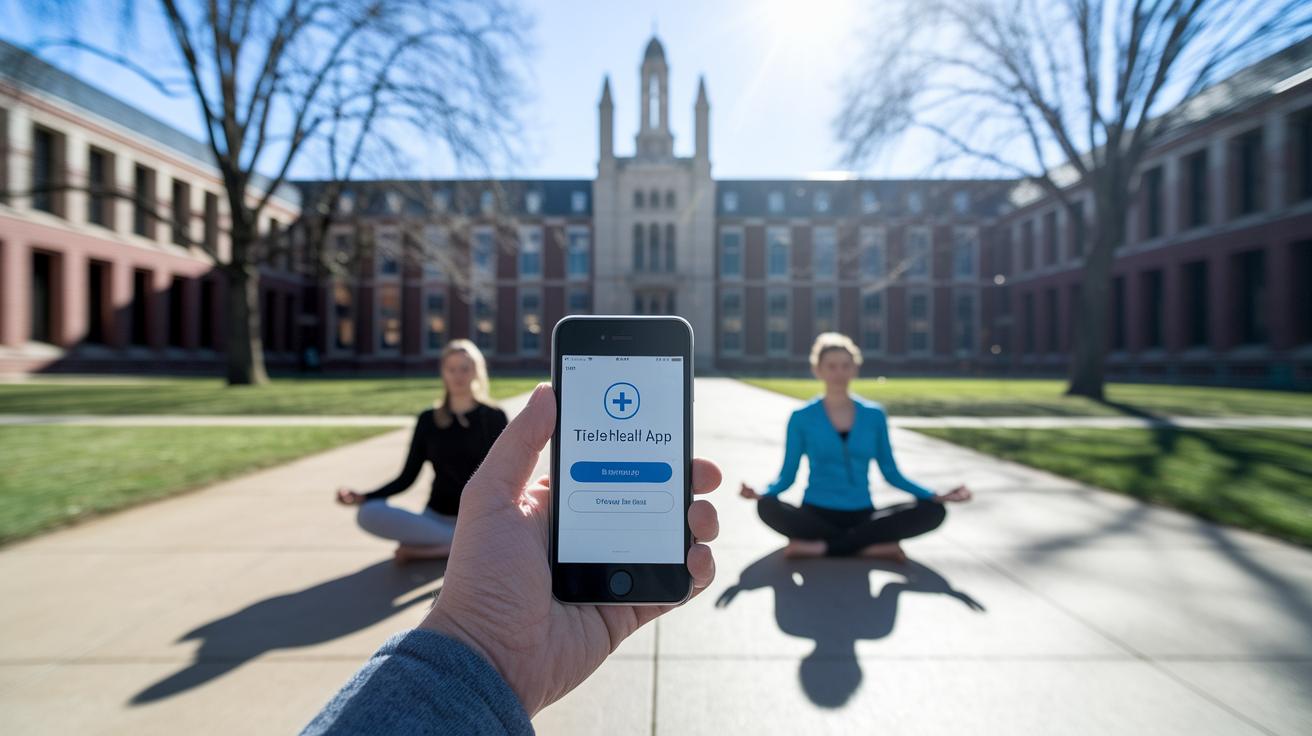
Cultural values remind us that our traditions and beliefs play a key role in creating a balanced life. When we engage in spiritual practices such as meditation, ritual, or community prayer, we don’t just care for our bodies, we also nurture our inner calm. Think about it: many cultures believe that a simple morning ritual honoring ancestors can set a positive tone for the entire day.

Across the globe, universities and community programs are celebrating these time-honored practices. At Sorbonne Université in France, for instance, historical healing arts mix with modern psychology, helping people become more resilient and reflective. In South Africa, the University of the Witwatersrand embraces age-old wellness ceremonies, while Malmö University in Sweden blends mindfulness with sustainable living practices. Other institutions in Spain and México offer similar programs, weaving together fresh research and traditional spiritual insights.

Blending these cultural traditions into public health models creates a more inclusive approach to well-being. When communities open up to a variety of spiritual and holistic practices, they not only boost individual health but also build stronger, supportive networks that enrich everyone’s lives.

Telehealth and mobile wellness apps are changing the way we take care of ourselves. Today, smartphones let you book a virtual check-up, get mental health support, or even check your vital signs, all from the comfort of your own home. Imagine that: one quick tap, and you're talking with a trusted health expert. This trend makes care more personal and available exactly when you need it.

A standout example is the CORE platform. It seamlessly blends advanced tech with community health needs. CORE offers tools like dedicated case management and service coordination modules equipped with telemedicine features. Think about tapping into the Arizona Telemedicine Council or Southwest TRC with ease. Plus, you get access to insights from Grand Rounds, a host of webinars, and video streams through UAHS. There are also handy directories with telehealth maps and listings of service providers. All these features work together to boost care coordination and help build a connected community where digital solutions support our daily wellness.

Evaluating Wellness in Society: Research Findings and Metrics

img-3.jpg

CORE mixes hard numbers with genuine personal feedback to paint a clear picture of how behavioral health, youth services, and family support are improving. They merge data like patient outcomes and benchmarks with real-life stories, revealing subtle shifts in community wellness. For example, one agency found that when statistical results met personal narratives, parent engagement noticeably improved, with parents saying they felt truly seen and supported, which encouraged them to participate more actively.

Case studies back up this approach by showing that combining numbers with personal accounts leads to smarter policy tweaks and program tweaks. Agency reports point out that this blend of data and firsthand insights helps fine-tune services and strengthen community support. In one case, detailed feedback steered a shift in focus toward more responsive youth services, making changes that really resonated with both families and clients.

Integrated Wellness Practices Across Sectors in Society

Integrated wellness care brings together a mix of experts to tackle health challenges as a team. Instead of relying on just one specialist, you might see a doctor, a therapist, a social worker, and a community advocate joining forces, much like assembling a recipe where every ingredient is essential to the final dish.

Digital tools make this teamwork possible. For instance, CORE gathers all client data in one place so that services can coordinate effortlessly. Its digital case management system streamlines everyday tasks like scheduling and billing, freeing health professionals to focus on delivering timely, effective care.

This coordinated approach goes beyond just streamlining logistics. With faster access to needed help and less wasted effort, patients benefit from a well-connected support network. In short, when care transitions smoothly between providers, communities are empowered to thrive together.

Future Directions: Economic Impact and Innovative Wellness Solutions

img-4.jpg

Economic growth in wellness is opening up new avenues for funding and community support. More money is pouring into public health projects that benefit local neighborhoods as well as national programs. At the same time, advocacy groups are making sure their voices are heard in policy decisions. This means community leaders and health experts can work together to create environments that truly promote well-being. Big organizations are also stepping up with educational events and conference discounts, helping professionals stay up-to-date on the latest in wellness economics and community support.

Innovative digital solutions are reshaping the wellness landscape in exciting ways. Digital conferences and expanded education programs now help experts from different fields share knowledge more easily. Online platforms are connecting professionals and creating partnerships that lead to real-world projects aimed at sustainable development by 2030. By mixing advanced technology with hands-on education and strong advocacy, our communities are on track for a more connected and healthier future.

Final Words

In the action, the post shows how social factors shape individual well-being, weaving research networks, community programs, and tech tools into everyday health practices. It covered policy frameworks, cultural influences, and digital trends that inform actionable wellness strategies.

Each section builds a picture of how diverse elements encourage self-care, chronic condition management, and overall wellness in society. Small shifts, grounded in solid research, pave the way for healthier routines and balanced living. Stay positive and keep progress moving forward.

FAQ

What is society wellness and wellbeing in society?

Society wellness and wellbeing in society refer to the overall health of communities that combine physical, mental, and social aspects. They emphasize healthy relationships and supportive networks that improve both individual and collective well-being.

How does society influence individual wellness?

Society influences individual wellness by shaping daily habits, offering community support, and providing access to resources that promote physical, mental, and emotional health, all of which contribute to a balanced lifestyle.

What is the meaning of social wellness?

Social wellness means developing healthy relationships and nurturing a supportive network. It involves reducing isolation and encouraging interactions that boost self-esteem and overall mental well-being.

What are examples of wellness in society, including the 8 dimensions of wellness?

Examples of wellness in society include community programs and policies that address all 8 dimensions—physical, emotional, social, intellectual, environmental, occupational, spiritual, and financial—each helping to create a more balanced and healthy populace.

Why is wellness important in society?

Wellness is important in society because it builds resilient communities, improves quality of life, and helps reduce public health challenges. This collective focus ultimately supports sustainable community health and positive social outcomes.

Have you ever thought about how the people and places around you affect your health? Research shows that warm, supportive communities can lift your spirits, boost your self-confidence, and help you stay healthier.

Local events and caring networks can turn an ordinary day into one filled with moments of gentle support and better habits. In this post, we share real-life examples of how everyday community care and small actions come together to boost well-being.

Stick around, and you'll see just how a friendly and organized environment can make a real difference in everyone's life.

Wellness in Society: Interplay of Social Factors and Health

Our daily feelings are shaped by the people around us, the fairness in our community, and even the place we live. When our community focuses on well-being, we often feel more confident, less lonely, and more inclined to care for ourselves. Think about it, attending local events can spark bright new friendships that boost both our body and mind.

The Health, Wellness & Society Research Network began in 2011 with a vision to bring together experts from all walks of life. They work across different cultures and regions to study how our surroundings and social life influence our health. Their main goal is to turn research into real-world ideas that help create communities where everyone can flourish.

These studies have important lessons for how we can shape public health. Simple strategies in housing, education, and jobs, along with efforts to build strong community ties, can greatly benefit our well-being. By mixing solid research with everyday actions, communities can turn into places where both individuals and their neighbors thrive. In short, caring for our social environment helps us build habits that keep us healthy in the long run.

wellness in society: vibrant community progress

img-1.jpg

At its heart, CORE is an all-in-one platform that brings together key data to support a wide range of human services programs. With more than 30 years of know-how, it’s trusted around the globe to drive community health and wellness projects. Imagine a system that helps local agencies provide care faster and smarter, that’s what digital solutions like CORE can do.

The platform’s easy-to-use digital tools help communities manage and coordinate vital health services. CORE’s smart features let human services agencies keep track of information and streamline their daily tasks, lifting local care to a higher level. For example, it supports initiatives such as:

Community Initiative Description
Aging Services Coordination Helps organize care and resources for older adults.
Home-Delivered Meal Program Management Makes sure meals reach people who need them at home.
SNAP Participant Self-Reliance Support Empowers individuals to manage their benefits more independently.
Service Provider Billing Optimization Simplifies and improves billing processes for service providers.

The impact? Agencies are noticing smoother service delivery, with people feeling more self-reliant and resources used more effectively. By blending practical digital tools with on-the-ground expertise, communities are seeing real, measurable improvements in well-being. Plus, the insights from CORE not only fine-tune these programs but also build warm, lasting connections between providers and the people they serve, making a genuine mark on community health and wellness.

Policy Frameworks Driving Wellness in Society

Policy frameworks give a strong backbone to keeping our communities healthy. They set public health goals and bring people together with valuable resources like online articles, conference savings, and opportunities for professional growth. These connections make sure our wellness strategies stay fresh and can quickly adapt when things change.

Framework Description
Health, Wellness & Society Research Network An international group started in 2011 that offers helpful publications, conference discounts, and ways to grow professionally.
UN SDG Publishers Compact A committed organization with 10 action steps aimed at achieving the United Nations’ sustainable goals by 2030.
Major Publisher Associations Groups like AAP (with 400+ members) and ALPSP (300+ members) that work together to improve health policy.

These frameworks do more than just set rules, they unite different experts to shape better health policies. With the support of these networks, decision-makers can track progress using tools like quality improvement metrics for patient outcomes. By bringing together international research teams and publisher associations, these efforts spark innovation and continuous improvements in public health. In short, this teamwork helps build policies that are both data-driven and flexible enough to meet community needs.

Cultural Norms Enhancing Holistic and Spiritual Wellness

img-2.jpg

Cultural values remind us that our traditions and beliefs play a key role in creating a balanced life. When we engage in spiritual practices such as meditation, ritual, or community prayer, we don’t just care for our bodies, we also nurture our inner calm. Think about it: many cultures believe that a simple morning ritual honoring ancestors can set a positive tone for the entire day.

Across the globe, universities and community programs are celebrating these time-honored practices. At Sorbonne Université in France, for instance, historical healing arts mix with modern psychology, helping people become more resilient and reflective. In South Africa, the University of the Witwatersrand embraces age-old wellness ceremonies, while Malmö University in Sweden blends mindfulness with sustainable living practices. Other institutions in Spain and México offer similar programs, weaving together fresh research and traditional spiritual insights.

Blending these cultural traditions into public health models creates a more inclusive approach to well-being. When communities open up to a variety of spiritual and holistic practices, they not only boost individual health but also build stronger, supportive networks that enrich everyone’s lives.

Telehealth and mobile wellness apps are changing the way we take care of ourselves. Today, smartphones let you book a virtual check-up, get mental health support, or even check your vital signs, all from the comfort of your own home. Imagine that: one quick tap, and you're talking with a trusted health expert. This trend makes care more personal and available exactly when you need it.

A standout example is the CORE platform. It seamlessly blends advanced tech with community health needs. CORE offers tools like dedicated case management and service coordination modules equipped with telemedicine features. Think about tapping into the Arizona Telemedicine Council or Southwest TRC with ease. Plus, you get access to insights from Grand Rounds, a host of webinars, and video streams through UAHS. There are also handy directories with telehealth maps and listings of service providers. All these features work together to boost care coordination and help build a connected community where digital solutions support our daily wellness.

Evaluating Wellness in Society: Research Findings and Metrics

img-3.jpg

CORE mixes hard numbers with genuine personal feedback to paint a clear picture of how behavioral health, youth services, and family support are improving. They merge data like patient outcomes and benchmarks with real-life stories, revealing subtle shifts in community wellness. For example, one agency found that when statistical results met personal narratives, parent engagement noticeably improved, with parents saying they felt truly seen and supported, which encouraged them to participate more actively.

Case studies back up this approach by showing that combining numbers with personal accounts leads to smarter policy tweaks and program tweaks. Agency reports point out that this blend of data and firsthand insights helps fine-tune services and strengthen community support. In one case, detailed feedback steered a shift in focus toward more responsive youth services, making changes that really resonated with both families and clients.

Integrated Wellness Practices Across Sectors in Society

Integrated wellness care brings together a mix of experts to tackle health challenges as a team. Instead of relying on just one specialist, you might see a doctor, a therapist, a social worker, and a community advocate joining forces, much like assembling a recipe where every ingredient is essential to the final dish.

Digital tools make this teamwork possible. For instance, CORE gathers all client data in one place so that services can coordinate effortlessly. Its digital case management system streamlines everyday tasks like scheduling and billing, freeing health professionals to focus on delivering timely, effective care.

This coordinated approach goes beyond just streamlining logistics. With faster access to needed help and less wasted effort, patients benefit from a well-connected support network. In short, when care transitions smoothly between providers, communities are empowered to thrive together.

Future Directions: Economic Impact and Innovative Wellness Solutions

img-4.jpg

Economic growth in wellness is opening up new avenues for funding and community support. More money is pouring into public health projects that benefit local neighborhoods as well as national programs. At the same time, advocacy groups are making sure their voices are heard in policy decisions. This means community leaders and health experts can work together to create environments that truly promote well-being. Big organizations are also stepping up with educational events and conference discounts, helping professionals stay up-to-date on the latest in wellness economics and community support.

Innovative digital solutions are reshaping the wellness landscape in exciting ways. Digital conferences and expanded education programs now help experts from different fields share knowledge more easily. Online platforms are connecting professionals and creating partnerships that lead to real-world projects aimed at sustainable development by 2030. By mixing advanced technology with hands-on education and strong advocacy, our communities are on track for a more connected and healthier future.

Final Words

In the action, the post shows how social factors shape individual well-being, weaving research networks, community programs, and tech tools into everyday health practices. It covered policy frameworks, cultural influences, and digital trends that inform actionable wellness strategies.

Each section builds a picture of how diverse elements encourage self-care, chronic condition management, and overall wellness in society. Small shifts, grounded in solid research, pave the way for healthier routines and balanced living. Stay positive and keep progress moving forward.

FAQ

What is society wellness and wellbeing in society?

Society wellness and wellbeing in society refer to the overall health of communities that combine physical, mental, and social aspects. They emphasize healthy relationships and supportive networks that improve both individual and collective well-being.

How does society influence individual wellness?

Society influences individual wellness by shaping daily habits, offering community support, and providing access to resources that promote physical, mental, and emotional health, all of which contribute to a balanced lifestyle.

What is the meaning of social wellness?

Social wellness means developing healthy relationships and nurturing a supportive network. It involves reducing isolation and encouraging interactions that boost self-esteem and overall mental well-being.

What are examples of wellness in society, including the 8 dimensions of wellness?

Examples of wellness in society include community programs and policies that address all 8 dimensions—physical, emotional, social, intellectual, environmental, occupational, spiritual, and financial—each helping to create a more balanced and healthy populace.

Why is wellness important in society?

Wellness is important in society because it builds resilient communities, improves quality of life, and helps reduce public health challenges. This collective focus ultimately supports sustainable community health and positive social outcomes.

More from author

LEAVE A REPLY

Please enter your comment!
Please enter your name here

Related posts

Advertismentspot_img

Latest posts

How To Create A Daily Wellness Routine: Thriving

Curious about how to create a daily wellness routine that transforms your mornings and days? Read on as secrets await…

2 Daily Wellness Drink Tips For Radiance

Experience a daily wellness drink with natural herbs, green ingredients, and clinical backing that might change your routine forever, stay tuned.

Daily Wellness: Elevate Your Everyday Vitality

Daily wellness transforms everyday routines into mindful adjustments, merging nutrition, movement, and restorative sleep. What unforeseen practice awaits you next?

Want to stay up to date with the latest news?

We would love to hear from you! Please fill in your details and we will stay in touch. It's that simple!