Have you ever thought that caring for every part of your life might be the secret to lasting health? Holistic care means paying attention to your whole self, not just your body, but also your mind and spirit. Just like a garden needs water, sunlight, and care to thrive, every healthy choice you make nurtures you from the inside out. In this post, we'll show you how treating all aspects of your life as important can turn everyday decisions into powerful steps toward true wellbeing.
Holistic Care Defined: Embracing Whole-Person Wellness
Holistic care looks at your health as a whole, taking into account your body, mind, and spirit together. It’s not just about fixing a cough or headache, it’s a broader approach that sees all parts of you as connected. Rather than merely silencing symptoms, it digs into the real reasons behind any discomfort or imbalance. For example, if you have back pain, it might be linked to both muscle tension and stress. Each factor can affect the other. This way of thinking differs from standard methods that treat only one symptom at a time, often missing the bigger picture.
Holistic care also puts a big emphasis on prevention, turning your daily choices into powerful tools for good health. When you eat well, move regularly, and manage stress, you're not just addressing problems, you’re preventing them before they begin. This approach mixes modern medicine with natural practices like yoga, acupuncture, and mindfulness, creating a balanced plan that supports both body and mind. It’s like building a strong shield against everyday pressures, a shield that boosts your immune system and calms your thoughts even when things aren’t perfect.
Imagine constructing a flexible foundation for your health: every strong brick you lay makes the whole structure more resilient. This comprehensive plan encourages you to make choices that nurture lasting vitality. In short, wellness becomes a living, breathing part of your day-to-day life rather than just a temporary fix.
Primary Modalities in Holistic Care Practices

Holistic care offers a friendly mix of ways to help your body, mind, and spirit feel balanced and nurtured. It includes hands-on techniques, mind-center approaches, and energy therapies that each play their own part in your overall wellness.
Here are some common methods:
- CranioSacral Therapy: A gentle, hands-on approach that eases tension and promotes healing for everyone, from little ones to seniors.
- Rolfing® Structural Integration: This method works on improving posture and body alignment so you can enjoy smoother, easier movement.
- Myofunctional Therapy: It focuses on strengthening and fine-tuning the muscles around your mouth and face, which can help with breathing and daily performance.
- Yoga: By combining simple physical poses with controlled breathing, yoga can lower stress, improve flexibility, and clear your mind.
- Meditation and Mindfulness: These practices help quiet your thoughts, reduce anxiety, and bring a sense of peaceful balance.
- Massage Therapy: A hands-on method that soothes muscle tension, relieves pain, and encourages overall relaxation.
- Acupuncture: This therapy uses fine needles placed at special points to ease discomfort and support a smooth flow of energy.
Using these therapies together supports whole-person healing by addressing not just physical discomfort but also mental and emotional stress. Mixing body-focused techniques with practices that clear your mind and adjust your energy creates a balanced system. This supportive blend can ease immediate symptoms while building resilience for the long run.
Mind-Body Practices
Think of yoga, meditation, and even counseling as a way to clear your mind and soothe your spirit. They can help reduce anxiety, improve sleep, and create a balanced emotional state. By linking simple movements to mental focus, these practices give you practical tools for stress relief and mental clarity.
Body-Focused Techniques
Massage and acupuncture zero in on relieving those tight spots and muscle pains. They work by boosting blood flow and easing tension, offering a gentle, practical way to bring comfort that pairs nicely with other wellness methods.
Energy Therapies
Methods like Reiki and Qi Gong adjust the body’s energy in subtle, supportive ways. These therapies help guide gentle shifts that enhance your overall vitality and work well alongside both mind-based and body-focused approaches.
Holistic Care for Prevention and Wellness Maintenance
Taking care of your whole self is all about using everyday choices as little building blocks to ward off health troubles before they even start. Rather than waiting to treat aches or high blood pressure after they hit, this approach helps you spot early signs by nurturing your body, mind, and spirit together.
A good night's sleep, a balanced meal, and a few minutes of relaxation every day can be game changers. Most doctors suggest getting about seven hours of sleep to let your body naturally recover and recharge. Pair that rest with a diet focused on fresh, wholesome foods, and you’re giving your body the fuel it needs. And then there’s the magic of simple, calming activities like deep breathing or a leisurely walk, which can truly ease stress and bring a sense of calm.
It really helps to have a supportive community cheering you on too. Whether it’s a local wellness group, a neighborhood club, or just a few friends sharing healthy tips, having people around who care can make sticking to good routines easier. When you feel supported, those healthy habits, good sleep, balanced meals, and time for relaxation, turn into a sustainable way of living that benefits you every day.
Designing Personalized Holistic Care Plans

Making a custom care plan might seem overwhelming at first, but it really comes down to a simple five-step process. Think of it as mixing together the perfect blend of nutritious eating, the right kind of exercise, stress-relief methods, and regular health check-ins. This plan is inspired by Emory Healthcare’s method, combining preventive measures, treatment when needed, and ongoing support to create a full-spectrum wellness guide.
Assessment:
Begin by taking a close look at your current health and daily habits. Notice what’s working well and what could use a little extra care, maybe your diet, your exercise routine, or simply finding moments to relax. It’s a chance to understand your body and your lifestyle better.
Goal-Setting:
Decide what “healthy living” means for you. Whether it’s having more energy, catching better sleep, or just feeling more balanced, set clear and realistic goals. Think of it like picking a destination on your wellness journey.
Modality Selection:
Once you know your goals, choose the practices that fit best. This might involve specific screenings, support through different life stages like pregnancy, personalized workout routines, or mindfulness techniques to ease daily stress.
Implementation:
Start adding these changes into your routine bit by bit. By taking small steps, you can build new habits that stick without feeling overwhelmed. It’s all about making each change manageable and meaningful.
Review:
Finally, check in with yourself regularly to see how things are going. Adjust your plan as needed to make sure it continues to serve your evolving needs. A little fine-tuning along the way can make a big difference in keeping your holistic care plan effective and personalized.
Scientific Evidence Supporting Holistic Care Approaches
Research is important because it shows us plain evidence behind the benefits of holistic care. When studies tell us that certain therapies can boost your immune system, ease pain, and speed up your body’s natural healing process, it feels reassuring. Plus, there are mental health wins too, like feeling less anxious, less depressed, and less stressed, which all work together to support overall wellness.
When we lean on data, both patients and health experts can make well-informed choices about treatment. For example, there’s strong evidence that practices like massage and yoga can lower blood pressure and bring about a sense of calm. And even newer therapies, such as CranioSacral Therapy, are showing promising early results by improving stress markers in both adults and infants. Sounds encouraging, right? This research helps point us toward safe and effective treatments for whole-body health.
| Therapy | Evidence Level | Key Findings |
|---|---|---|
| CranioSacral Therapy | Emerging | Improved stress markers in adults and infants |
| Rolfing® | B-level | Enhanced posture and pain relief |
| Yoga/Meditation | A-level | Lowered blood pressure, reduced anxiety |
| Acupuncture | B-level | Decreased chronic pain scores |
Understanding these grades is like having a clear roadmap for choosing the right therapy. Grade A is backed by strong, solid studies, so you can trust therapies like yoga and meditation. B-level evidence means there’s promising support, even if more research might add extra clarity for options like Rolfing® and acupuncture. And therapies with an emerging status, like CranioSacral Therapy, offer early signs of success that could lead to even better confirmation as studies continue.
Take this information to heart when you chat with your healthcare provider. Relying on proven research means you can build a care plan that supports both your body and your mind in the most human, practical way.
Incorporating Holistic Care Into Daily Routines
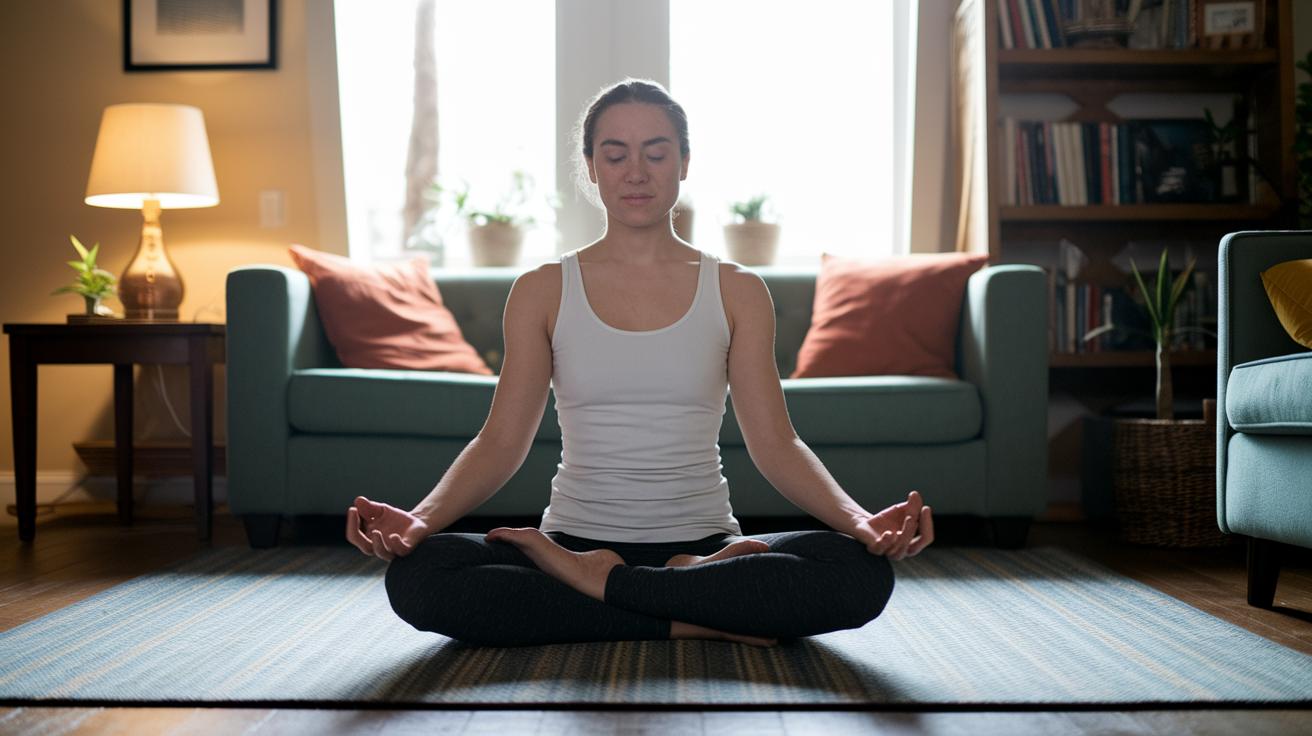
Life’s busy, isn’t it? Between packed workdays, family time, and that ever-growing to-do list, self-care often ends up last. It feels like there's hardly a moment to pause, leaving you with little time to nurture your body, mind, and spirit.
Yet, small, simple routines can turn your day around. Take a minute between tasks to stop, breathe deeply, and let your thoughts settle, like a gentle reset button. Set up a regular sleep pattern by sleeping and waking at the same time every day; this steady rhythm boosts both mental clarity and physical energy. And when it comes to meals, aim for balanced, nutrient-rich options that keep you energized throughout the day. Think of it like crafting a favorite recipe: you gather fresh ingredients, mix them thoughtfully, and enjoy a nourishing result.
Try keeping a little journal to note your moments of calm, the improvements in your energy, and shifts in your mindset. You might also consider using handy apps or joining a support community that nudges you to stick with your healthy habits. Little by little, these steps build a routine that makes self-care more than just an idea, it becomes a part of everyday life.
Choosing and Partnering With Holistic Care Practitioners
When you're looking for a holistic care provider, start by checking that they have solid credentials and explain in simple terms how they mix traditional treatments with natural therapies. It's important they show you how their care works, whether you're meeting in person or chatting online.
Next, make sure they have real training in combining different care methods, and that their approach fits into your lifestyle. Look for someone who’s honest about their fees, this means no hidden charges, keeping in line with the No Surprises Act, and offers a care plan designed to boost your overall well-being.
A provider who listens well and follows up with you shows they genuinely care about your health journey. Setting up an initial consultation can be a great way to discuss your needs and see if their style suits you.
Before your meeting, jot down some questions about their experience with various therapies, how they track progress, and what extra support they offer beyond just the appointment. This little step can help build trust and set the stage for a supportive, real partnership in your holistic care adventure.
Final Words
In the action, we explored how holistic care attends to body, mind, and spirit by addressing symptoms and promoting prevention. We walked through a blend of therapies, from mind-body practices and hands-on techniques to energy therapies, and highlighted easy steps to incorporate these methods every day. We also reviewed personalized care plans and shared guidelines for choosing the right practitioners. Every approach builds on evidence and practical solutions to empower balanced wellness. Keep embracing holistic care as a path to a healthier, happier life.
FAQ
Q: What does holistic care mean?
A: The meaning of holistic care centers on treating the whole person—body, mind, and spirit. It approaches wellness by addressing underlying causes and not just symptoms.
Q: How is holistic care defined in the NHS and the UK?
A: The NHS and UK define holistic care through a comprehensive health approach that integrates physical, emotional, and spiritual care, emphasizing prevention and complete wellbeing in patient treatment.
Q: What are examples of holistic care treatments?
A: Examples of holistic care treatments include yoga, acupuncture, massage, and mindfulness practices. These methods support physical health while reducing stress and enhancing emotional balance.
Q: How does holistic care apply in nursing practice?
A: In nursing, holistic care means considering the full range of patient needs. It involves providing emotional support, promoting healthy lifestyles, and integrating care that addresses both physical and mental aspects.
Q: What are the four holistic needs?
A: The four holistic needs include physical, emotional, social, and spiritual aspects. Balancing these dimensions helps support comprehensive health and improved overall quality of life.
Q: How can I find holistic care near me?
A: Finding holistic care near you can involve searching local health directories, trusted websites, or asking healthcare providers for referrals to integrated wellness services available in your area.
Q: What is a holistic care company?
A: A holistic care company is an organization that offers integrated health services. It focuses on treating the whole person by combining physical, mental, and spiritual care to boost overall wellbeing.
Q: What is a synonym for holistic care?
A: A common synonym for holistic care is whole-person care. This term reflects an approach that addresses all aspects of an individual’s health for balanced and comprehensive treatment.