Have you noticed a persistent ache around your kneecap and wondered what it means? This tool asks clear and simple questions to help you understand exactly where the pain is and why you might be feeling it.
Imagine it like checking your car’s dashboard when the engine light pops on, quick insights that shine a light on your condition. With each answer, you get a clear snapshot of what’s going on, giving you the confidence to decide if it’s time to talk to a health professional.
kneecap pain symptom checker: Quick Confidence Boost
This interactive digital tool is a simple way to understand your kneecap pain. It asks clear questions about where you feel pain, whether it’s at the front, inner side, outer side, or back of your kneecap. It also looks into how long the pain lasts and whether it feels sharp, dull, or aching. The tool even asks if changes in your activity or a small injury might have triggered your discomfort. And keep this in mind: every pound of body weight can add extra pressure on your knees, sometimes up to four pounds more!
The easy, step-by-step process won’t replace a visit to your doctor, but it gives you a clearer picture of what’s happening. It works much like you might check on a familiar ache after a long run. Once you answer the questions, you can use the results as a snapshot of your condition and decide whether it’s time to seek professional advice.
- Where exactly on your kneecap do you feel pain?
- How long have you been experiencing it?
- How would you describe the pain?
- Which activities make it better or worse?
- Have you had any recent falls, twists, or bumps?
- What is your current body weight?
Use your answers as a helpful guide, not as a final diagnosis. This tool is just a first step to help you figure out if you might need to see a health professional for a more in-depth evaluation.
Common Causes of Kneecap Pain and Evaluation
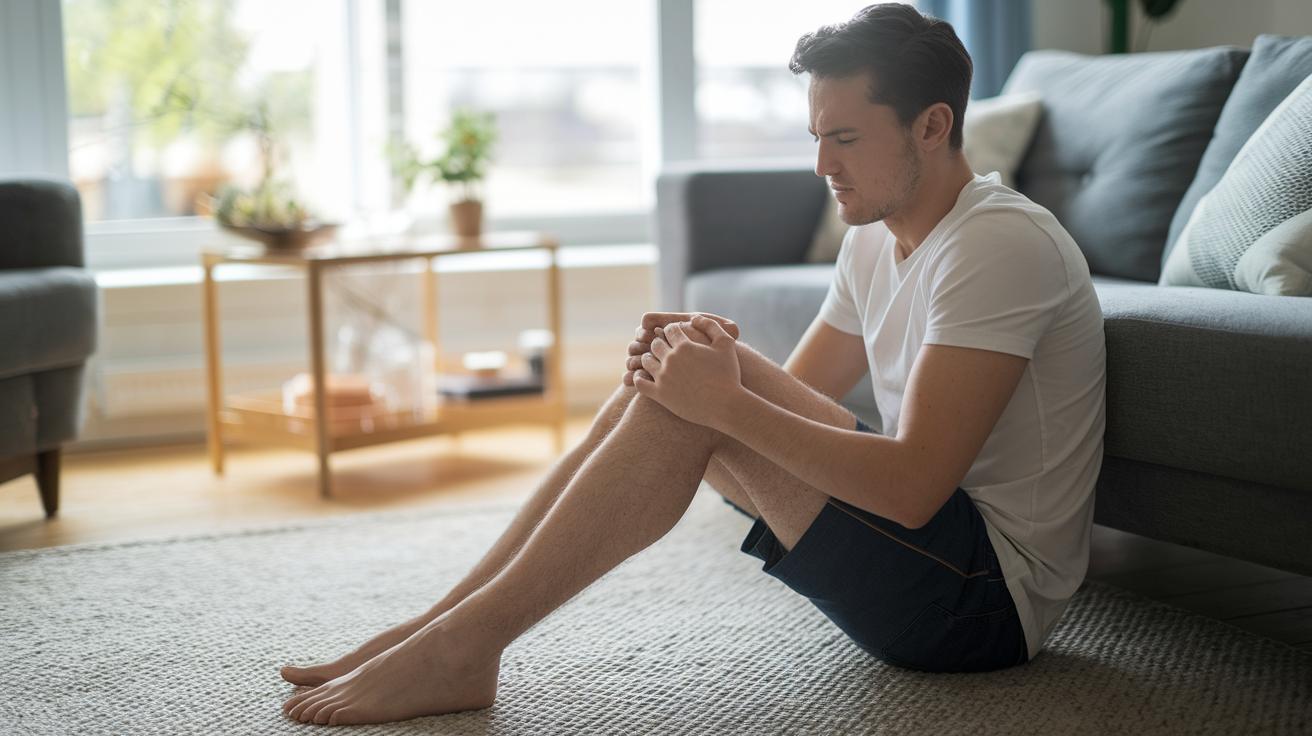
Understanding when and how your knee hurts can give clues about what might be wrong. Different ways of experiencing pain and different triggers can point to specific issues with your kneecap. By noticing the time, place, and feel of your pain, and any other symptoms that show up, you can get a better idea of what might be causing it and decide if you need to see a professional.
Patellofemoral Pain Syndrome
Also known as runner's knee, this condition causes a steady ache at the front of your knee. You might feel more discomfort when you go up and down stairs or put pressure on the knee during activity. If you notice that the pain builds up with repeated movement, it could be a sign of this condition.
Chondromalacia Patella
In this case, the cartilage beneath your kneecap becomes softer than it should be. This can lead to a grinding or clicking feeling when you move your knee. If bending or straightening your leg gives you a rough, grating sensation, it might mean the cartilage is wearing down.
Patellar Tendonitis
Often called jumper's knee, this condition causes pain and swelling in the tendon just below your kneecap. It usually starts after intense physical activities or lots of jumping. If you feel discomfort or notice the tendon area getting swollen after sports or high-impact exercise, keep an eye on it.
Osteoarthritis and Synovitis
These issues involve both the breakdown of joint tissue and inflammation. You might experience stiffness, swelling, or pain during daily activities. If you find that your knee hurts even when you're resting or that it doesn't move as well as it used to, these could be signs of joint wear or inflammation.
Plica Syndrome and Osgood-Schlatter Disease
These conditions are less common but still important to notice. Plica syndrome involves irritation from folds in the lining of the knee. Osgood-Schlatter disease is usually seen in children and teens as a result of growth spurts. If you feel a sharp, pinpoint tenderness in a specific area of your knee, it might be worth getting it checked out.
When to Seek Professional Evaluation for Kneecap Discomfort
If you notice your knee is very swollen, feels unstable, or suddenly locks up when you move, these are signs to watch out for. When pain lasts more than a week or you see changes in the shape of your knee, it could mean something is not right. Picture your knee locking during a step, making everyday movement difficult. That’s a clear signal to get checked.
After an injury or if you have symptoms of an infection like fever or chills, take extra care. For example, if a fall or twist causes immediate, strong pain along with swelling, it might be a ligament tear or even a break. And if you feel generally unwell with a fever along with your knee pain, it could be an infection that must not be ignored.
Seeing a doctor as soon as these symptoms appear can help stop further problems. When experts diagnose issues early, they can treat them before more damage happens. So, if you experience any of these warning signs, consider it a friendly reminder to consult a healthcare professional and take control of your well-being.
Home-Based Relief Methods for Kneecap Pain

If your knee starts hurting after a long day, one good home approach is to use the RICE method. That means you rest the leg, apply ice, wrap the area gently with a bandage, and keep your knee elevated. Try using an ice pack for about 15 to 20 minutes at a time. This routine can help ease the swelling and bring some relief.
You might also consider over-the-counter pain relievers like ibuprofen, following the directions on the label. If your joint feels stiff, a warm compress can help relax the muscles and reduce discomfort. Some people also find that taking supplements like glucosamine (a natural compound that supports joint health) and omega-3 fatty acids (healthy fats that help lower inflammation) supports their joints. Just remember to follow the recommended doses and pay attention to how your body reacts.
A steady routine of gentle, low-impact exercises is key for rebuilding motion without causing more irritation. Activities such as swimming or cycling help you stay active, and simple stretches for the front and back of your thigh can keep your muscles flexible. Notice any changes in how you feel during these exercises, and adjust them if needed. Over time, a cautious yet regular exercise plan can give you natural relief and better mobility.
Preventative and Rehabilitation Plan for Kneecap Pain
Let's begin with Phase 1 by building a solid base. Start by strengthening your quadriceps with a special focus on your VMO (vastus medialis obliquus, a key muscle that supports your kneecap). Try isometric exercises like wall sits or static quad contractions. These activities help steady the joint and gradually reduce stress on the surrounding tissues.
Next, move into Phase 2 by working on balance and body awareness. Practice simple drills such as single-leg stands or use a wobble board to challenge your stability. These exercises retrain your joint sense and boost coordination, making everyday activities feel more secure. You might even try balancing on one leg while brushing your teeth for a gentle start.
In Phase 3, shift your focus to flexibility to widen your range of motion. Gentle stretches for your IT band (iliotibial band) and hamstrings can ease tension around the kneecap. Adding these stretches after your workouts can help prevent stiffness and keep your muscles flexible. If you feel any instability, using braces or orthotics can offer extra support.
Lastly, keep a log of your symptoms to track your progress. Record your workouts and note any changes in discomfort so you can adjust your plan as needed. Even small improvements can lessen the load on your joints and contribute to lasting knee health.
Final Words
In the action of exploring how our interactive digital tool works, we covered self-assessment guidelines, key causes of kneecap pain, and red-flag symptoms that require professional advice. We also shared at-home relief techniques and a step-by-step rehabilitation plan. This clear, fact-based approach helps you understand and track your condition using our kneecap pain symptom checker. Keep a positive outlook, small, informed steps today can lead to a healthier tomorrow.
FAQ
What is a knee pain diagnosis chart?
The knee pain diagnosis chart outlines common symptoms, duration, and triggers to help guide users in understanding potential causes of discomfort, serving as a basic self-assessment tool.
How does knee pain affect females and what causes it?
Knee pain in females can stem from anatomical differences and hormonal shifts that contribute to ligament laxity or arthritis, increasing discomfort during routine activities.
What is the NHS knee pain symptom checker for?
The NHS knee pain symptom checker provides a self-assessment to compare your symptoms with common knee issues, offering preliminary guidance on whether further evaluation is needed.
What does pain on the inner side of the knee indicate?
Pain on the inner side of the knee may point to issues with ligaments, the meniscus, or joint alignment, signaling a need for careful monitoring and professional advice if it persists.
How can I get rid of knee pain fast, especially kneecap pain?
Quick relief for knee or kneecap pain may be achieved with rest, applying ice, over-the-counter pain relievers, and gentle movements, though persistent pain should prompt a consultation with a medical professional.
What can cause knee pain without an injury?
Knee pain without an injury might result from conditions like arthritis, inflammation, or repetitive overuse, which can all occur without a direct traumatic event.
Where can I get a free knee pain diagnosis?
Online tools like the AI Symptom Checker and Symptom Checker Free offer preliminary self-assessments, providing free initial insights based on the symptoms you report.
How do you reset your kneecap?
Resetting the kneecap may involve specific realignment exercises, but any adjustments should be done under professional guidance to prevent further complications.
How can I diagnose knee pain at home?
Diagnosing knee pain at home involves using symptom checkers that ask about pain location, quality, duration, and triggers, giving you a preliminary assessment to decide if professional care is needed.