Mental Health Issues: Embrace Positivity Now

Have you ever noticed how a bit of positive energy can turn a gloomy day into one full of hope? Every day, many of us face moments of deep stress or sadness. Research shows that conditions like depression (a persistent feeling of sadness) and anxiety (excess worry) are more common than we might think. Sometimes, even small changes in our attitude can help us see the brighter side of life.

In this post, we share simple tips to help you notice the early signs of mental stress and benefits from a positive outlook. Have you ever wondered if minor shifts in your mindset could lead to big improvements in how you feel? Give these ideas a try and see how small changes might make a big difference.

mental health issues: Embrace Positivity Now

Mental health problems affect our feelings, thoughts, and how we act daily. They include conditions like depression, anxiety, bipolar disorder, schizophrenia, ADHD (attention deficit hyperactivity disorder), OCD (obsessive-compulsive disorder), eating disorders, and PTSD (post-traumatic stress disorder). In simple terms, these issues can make everyday life and relationships tougher to enjoy.

Every year, millions of people around the world struggle with mental health challenges. For example, organizations such as the World Health Organization report that more than 300 million individuals suffer from depression and anxiety alone. This shows us that mental health issues are common and can affect anyone, regardless of age, gender, or where they live.

When these issues are not treated, they can disrupt work, daily routines, and social life. Not only does this affect individuals, but it also creates challenges for communities with higher healthcare costs and lower productivity. Catching and addressing these challenges early on can help reduce the personal and social impacts.

Recognizing symptoms of mental health issues: key signs and disorder overview

img-1.jpg

Noticing early signs of mental health struggles is very important. When you see even small changes in how you feel, such as a shift in mood, energy, or daily thoughts, it could be a hint that something isn’t right. Subtle clues like trouble sleeping or changes in your appetite often show up before more noticeable symptoms.

Each mental health condition has its own set of signs that you should pay attention to. For instance, depression is usually marked by a long-lasting low mood, recurring negative thoughts, and noticeable changes in sleep, energy, or appetite that last at least two weeks. Anxiety disorders often bring constant worry, a feeling of restlessness, and tension that can get in the way of daily activities. Bipolar disorder is known for swings between periods of very high energy or irritability and times of deep sadness. In the case of schizophrenia, a person might struggle to think clearly or stay grounded in reality, which can lead to experiencing hallucinations or delusions. Posttraumatic stress disorder usually follows a traumatic event like a natural disaster, a serious accident, or an act of violence, and it can make a person relive the event through flashbacks or feel emotionally numb. Obsessive-compulsive disorder involves having unwanted, persistent thoughts along with repetitive actions that interrupt everyday life. Understanding these specific sets of symptoms can help you or someone you care about get help as soon as possible.

Disorder Key Symptoms
Depression Persistent sadness, negative thoughts, changes in sleep and appetite
Anxiety Disorder Excessive worry, restlessness, constant tension
Bipolar Disorder Shifts between high energy and depressive episodes
Schizophrenia Hallucinations, delusions, confused thinking
Posttraumatic Stress Disorder Flashbacks, feeling on edge, emotional numbness
Obsessive-Compulsive Disorder Intrusive thoughts, repetitive behaviors

Root causes and risk factors of mental health issues

Mental health issues come from a mix of factors that work together in complex ways. They involve our biology (how our bodies work), our emotions, and our everyday experiences. Even small changes in our surroundings, personal history, or family genes can tip the balance. For example, many struggles during adolescence are shaped both by traits we inherit and significant life events. No single factor is to blame, it’s a mix of many things.

Some people might inherit a higher risk, meaning they carry vulnerabilities that can affect brain function. Sometimes, an imbalance in brain chemicals, the substances that help control our mood and behavior, plays a role too. And then there’s exposure to trauma, whether from natural disasters, serious accidents, or other distressing experiences, which can lead to conditions like posttraumatic stress disorder. Chronic stress, substance use, and even financial or social pressures can add to these challenges.

Understanding how these biological, emotional, and social factors connect can help us care for mental health in a more complete way. Isn’t it interesting how even small changes in one part of our lives can make a big difference in our overall well-being?

Treatment and therapy options for mental health issues

img-2.jpg

Medications are a common way to help balance brain chemicals and stabilize mood. Depending on what you need, treatment can happen in different settings. Some people get care in a hospital where they are watched all day and night, while others manage treatment at home. Doctors often prescribe medicines like antidepressants for ongoing sadness or mood stabilizers for bipolar disorder to ease daily challenges.

Talk therapy, or psychotherapy, is another helpful approach. It gives you a chance to explore your thoughts, feelings, and actions. For example, cognitive behavioral therapy (CBT) works to change negative thought patterns, and dialectical behavior therapy (DBT) offers skills to handle strong emotions better. Group sessions can also play an important role by letting you share experiences with others who understand what you’re going through. Often, using therapy alongside medications creates a well-rounded plan that addresses both the physical and emotional sides of mental health.

Digital tools and community support are also making mental health care more reachable and affordable. Many online platforms now offer video counseling that fits busy schedules. Peer support groups let you share your experiences and pick up practical advice. And if you’re in crisis, there are helplines available right away. For more everyday tips on keeping your mind healthy, check out these mental wellness ideas (https://factcheckx.com?p=95).

mental health issues: Embrace Positivity Now

Taking a few minutes each day for self-care can really boost your well-being. By building simple daily routines, you create a steady foundation for both your mind and body, making it easier to manage stress and enjoy a better mood. Even small, regular steps can turn a challenging day into a chance to grow.

Here are some simple ideas to consider:

It might be as easy as starting your morning with a short mindfulness session or taking a quick walk in the afternoon. Over time, these little actions blend into your everyday routine, making self-care feel natural. Try a couple of these strategies until they fit comfortably into your day, then gradually add more. Soon enough, you’ll have a steady pattern that supports both your mental and physical health.

mental health issues: Embrace Positivity Now
img-3.jpg

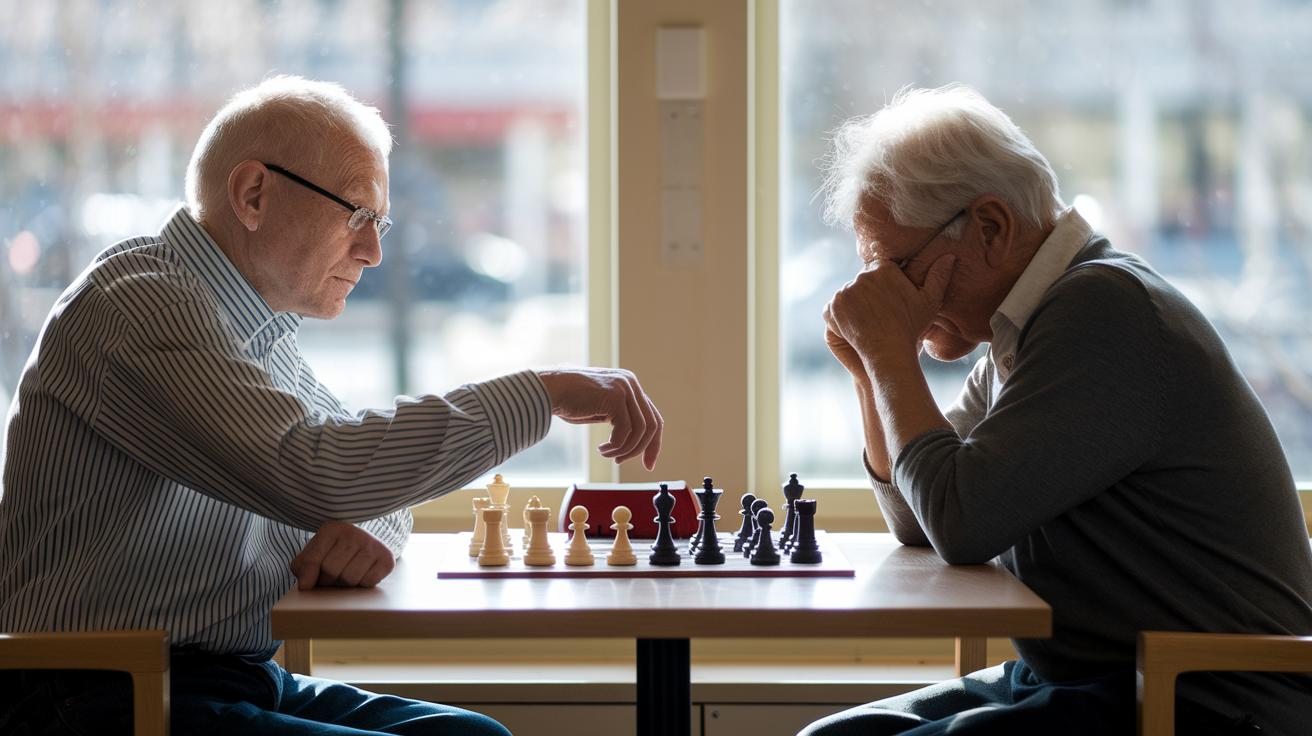
Sometimes, stigma and social prejudice make it really hard to ask for help. When you feel judged for your mental health struggles, you might put off getting the care you need.

Online communities and local groups offer safe places where you can share your story and learn from others in similar situations. Public campaigns, like awareness weeks and educational workshops, work to change how society sees mental health. These community efforts break down barriers and inspire people to speak openly about their experiences.

If you need help right away, crisis support is available. The NAMI HelpLine is open Monday through Friday from 10 a.m. to 10 p.m. ET at 800-950-6264. You can also text "NAMI" to 62640, and for emergencies, dialing 988 connects you with a crisis response service. These services are here to help so that you never have to feel alone on your path to wellness.

Mental health issues across the lifespan: adolescents to seniors

Adolescence is a time of big changes. High school and college come with pressure from classes, shifting friendships, and the challenge of growing up. Many young people find it hard to balance school work, extracurricular activities, and social life. School counselors, mentorship programs, and sessions that teach stress management can really help by sharing useful coping skills. Joining supportive clubs or creative groups also helps keep emotions steady, paving the way for a healthy transition into adulthood.

For older adults, mental health challenges can look different. As people age, they might start to notice changes in memory, thinking, or decision-making. Many seniors feel the pain of loneliness or loss, especially after big changes like retirement. Local community centers and support groups offer practical advice and fun activities to keep the mind active. Regular social events, light exercise, and puzzles can ease some of these challenges. And don’t forget, the well-being of caregivers is just as important. With the right support, older adults can build confidence and resilience, making their later years fulfilling and secure.

Final Words

In the action, this article broke down what mental health issues mean and why they matter. It covered the signs to watch for, key factors behind these concerns, and a look at evidence-based treatments. We also took a close look at practical self-help tips and the importance of reducing stigma. Each step is designed to give you clear insights and empower you with trusted information. Remember, understanding mental health issues can spark positive change in everyday life.

FAQ

What are the common types of mental disorders and mental health issues?

The common mental disorders list includes depression (persistent sadness), anxiety disorders (excessive worry), bipolar disorder (intense mood fluctuations), schizophrenia (difficulty discerning reality), and obsessive-compulsive disorder (compulsive behaviors).

What causes mental illness?

The causes of mental illness include genetic factors, chemical imbalances in the brain, trauma exposure, ongoing stress, and environmental pressures. These elements work together to impact emotional and social well-being.

What are the warning signs of mental illness?

Warning signs of mental illness include abrupt mood changes, alterations in sleep or appetite, social withdrawal, and increased irritability. Recognizing these symptoms early can prompt timely professional support.

How does mental health affect everyday life?

Mental health affects everyday life by influencing our mood, energy, and interactions. It plays a significant role in how we handle stress, work efficiently, and build meaningful relationships.

How can mental health issues be managed?

Mental health issues can be managed by seeking professional care, practicing self-care routines, engaging in therapy or counseling, and leaning on support groups. Early intervention often leads to better overall well-being.

Have you ever noticed how a bit of positive energy can turn a gloomy day into one full of hope? Every day, many of us face moments of deep stress or sadness. Research shows that conditions like depression (a persistent feeling of sadness) and anxiety (excess worry) are more common than we might think. Sometimes, even small changes in our attitude can help us see the brighter side of life.

In this post, we share simple tips to help you notice the early signs of mental stress and benefits from a positive outlook. Have you ever wondered if minor shifts in your mindset could lead to big improvements in how you feel? Give these ideas a try and see how small changes might make a big difference.

mental health issues: Embrace Positivity Now

Mental health problems affect our feelings, thoughts, and how we act daily. They include conditions like depression, anxiety, bipolar disorder, schizophrenia, ADHD (attention deficit hyperactivity disorder), OCD (obsessive-compulsive disorder), eating disorders, and PTSD (post-traumatic stress disorder). In simple terms, these issues can make everyday life and relationships tougher to enjoy.

Every year, millions of people around the world struggle with mental health challenges. For example, organizations such as the World Health Organization report that more than 300 million individuals suffer from depression and anxiety alone. This shows us that mental health issues are common and can affect anyone, regardless of age, gender, or where they live.

When these issues are not treated, they can disrupt work, daily routines, and social life. Not only does this affect individuals, but it also creates challenges for communities with higher healthcare costs and lower productivity. Catching and addressing these challenges early on can help reduce the personal and social impacts.

Recognizing symptoms of mental health issues: key signs and disorder overview

img-1.jpg

Noticing early signs of mental health struggles is very important. When you see even small changes in how you feel, such as a shift in mood, energy, or daily thoughts, it could be a hint that something isn’t right. Subtle clues like trouble sleeping or changes in your appetite often show up before more noticeable symptoms.

Each mental health condition has its own set of signs that you should pay attention to. For instance, depression is usually marked by a long-lasting low mood, recurring negative thoughts, and noticeable changes in sleep, energy, or appetite that last at least two weeks. Anxiety disorders often bring constant worry, a feeling of restlessness, and tension that can get in the way of daily activities. Bipolar disorder is known for swings between periods of very high energy or irritability and times of deep sadness. In the case of schizophrenia, a person might struggle to think clearly or stay grounded in reality, which can lead to experiencing hallucinations or delusions. Posttraumatic stress disorder usually follows a traumatic event like a natural disaster, a serious accident, or an act of violence, and it can make a person relive the event through flashbacks or feel emotionally numb. Obsessive-compulsive disorder involves having unwanted, persistent thoughts along with repetitive actions that interrupt everyday life. Understanding these specific sets of symptoms can help you or someone you care about get help as soon as possible.

Disorder Key Symptoms
Depression Persistent sadness, negative thoughts, changes in sleep and appetite
Anxiety Disorder Excessive worry, restlessness, constant tension
Bipolar Disorder Shifts between high energy and depressive episodes
Schizophrenia Hallucinations, delusions, confused thinking
Posttraumatic Stress Disorder Flashbacks, feeling on edge, emotional numbness
Obsessive-Compulsive Disorder Intrusive thoughts, repetitive behaviors

Root causes and risk factors of mental health issues

Mental health issues come from a mix of factors that work together in complex ways. They involve our biology (how our bodies work), our emotions, and our everyday experiences. Even small changes in our surroundings, personal history, or family genes can tip the balance. For example, many struggles during adolescence are shaped both by traits we inherit and significant life events. No single factor is to blame, it’s a mix of many things.

Some people might inherit a higher risk, meaning they carry vulnerabilities that can affect brain function. Sometimes, an imbalance in brain chemicals, the substances that help control our mood and behavior, plays a role too. And then there’s exposure to trauma, whether from natural disasters, serious accidents, or other distressing experiences, which can lead to conditions like posttraumatic stress disorder. Chronic stress, substance use, and even financial or social pressures can add to these challenges.

Understanding how these biological, emotional, and social factors connect can help us care for mental health in a more complete way. Isn’t it interesting how even small changes in one part of our lives can make a big difference in our overall well-being?

Treatment and therapy options for mental health issues

img-2.jpg

Medications are a common way to help balance brain chemicals and stabilize mood. Depending on what you need, treatment can happen in different settings. Some people get care in a hospital where they are watched all day and night, while others manage treatment at home. Doctors often prescribe medicines like antidepressants for ongoing sadness or mood stabilizers for bipolar disorder to ease daily challenges.

Talk therapy, or psychotherapy, is another helpful approach. It gives you a chance to explore your thoughts, feelings, and actions. For example, cognitive behavioral therapy (CBT) works to change negative thought patterns, and dialectical behavior therapy (DBT) offers skills to handle strong emotions better. Group sessions can also play an important role by letting you share experiences with others who understand what you’re going through. Often, using therapy alongside medications creates a well-rounded plan that addresses both the physical and emotional sides of mental health.

Digital tools and community support are also making mental health care more reachable and affordable. Many online platforms now offer video counseling that fits busy schedules. Peer support groups let you share your experiences and pick up practical advice. And if you’re in crisis, there are helplines available right away. For more everyday tips on keeping your mind healthy, check out these mental wellness ideas (https://factcheckx.com?p=95).

mental health issues: Embrace Positivity Now

Taking a few minutes each day for self-care can really boost your well-being. By building simple daily routines, you create a steady foundation for both your mind and body, making it easier to manage stress and enjoy a better mood. Even small, regular steps can turn a challenging day into a chance to grow.

Here are some simple ideas to consider:

It might be as easy as starting your morning with a short mindfulness session or taking a quick walk in the afternoon. Over time, these little actions blend into your everyday routine, making self-care feel natural. Try a couple of these strategies until they fit comfortably into your day, then gradually add more. Soon enough, you’ll have a steady pattern that supports both your mental and physical health.

mental health issues: Embrace Positivity Now

img-3.jpg

Sometimes, stigma and social prejudice make it really hard to ask for help. When you feel judged for your mental health struggles, you might put off getting the care you need.

Online communities and local groups offer safe places where you can share your story and learn from others in similar situations. Public campaigns, like awareness weeks and educational workshops, work to change how society sees mental health. These community efforts break down barriers and inspire people to speak openly about their experiences.

If you need help right away, crisis support is available. The NAMI HelpLine is open Monday through Friday from 10 a.m. to 10 p.m. ET at 800-950-6264. You can also text "NAMI" to 62640, and for emergencies, dialing 988 connects you with a crisis response service. These services are here to help so that you never have to feel alone on your path to wellness.

Mental health issues across the lifespan: adolescents to seniors

Adolescence is a time of big changes. High school and college come with pressure from classes, shifting friendships, and the challenge of growing up. Many young people find it hard to balance school work, extracurricular activities, and social life. School counselors, mentorship programs, and sessions that teach stress management can really help by sharing useful coping skills. Joining supportive clubs or creative groups also helps keep emotions steady, paving the way for a healthy transition into adulthood.

For older adults, mental health challenges can look different. As people age, they might start to notice changes in memory, thinking, or decision-making. Many seniors feel the pain of loneliness or loss, especially after big changes like retirement. Local community centers and support groups offer practical advice and fun activities to keep the mind active. Regular social events, light exercise, and puzzles can ease some of these challenges. And don’t forget, the well-being of caregivers is just as important. With the right support, older adults can build confidence and resilience, making their later years fulfilling and secure.

Final Words

In the action, this article broke down what mental health issues mean and why they matter. It covered the signs to watch for, key factors behind these concerns, and a look at evidence-based treatments. We also took a close look at practical self-help tips and the importance of reducing stigma. Each step is designed to give you clear insights and empower you with trusted information. Remember, understanding mental health issues can spark positive change in everyday life.

FAQ

What are the common types of mental disorders and mental health issues?

The common mental disorders list includes depression (persistent sadness), anxiety disorders (excessive worry), bipolar disorder (intense mood fluctuations), schizophrenia (difficulty discerning reality), and obsessive-compulsive disorder (compulsive behaviors).

What causes mental illness?

The causes of mental illness include genetic factors, chemical imbalances in the brain, trauma exposure, ongoing stress, and environmental pressures. These elements work together to impact emotional and social well-being.

What are the warning signs of mental illness?

Warning signs of mental illness include abrupt mood changes, alterations in sleep or appetite, social withdrawal, and increased irritability. Recognizing these symptoms early can prompt timely professional support.

How does mental health affect everyday life?

Mental health affects everyday life by influencing our mood, energy, and interactions. It plays a significant role in how we handle stress, work efficiently, and build meaningful relationships.

How can mental health issues be managed?

Mental health issues can be managed by seeking professional care, practicing self-care routines, engaging in therapy or counseling, and leaning on support groups. Early intervention often leads to better overall well-being.

More from author

LEAVE A REPLY

Please enter your comment!
Please enter your name here

Related posts

Advertismentspot_img

Latest posts

How To Create A Daily Wellness Routine: Thriving

Curious about how to create a daily wellness routine that transforms your mornings and days? Read on as secrets await…

2 Daily Wellness Drink Tips For Radiance

Experience a daily wellness drink with natural herbs, green ingredients, and clinical backing that might change your routine forever, stay tuned.

Daily Wellness: Elevate Your Everyday Vitality

Daily wellness transforms everyday routines into mindful adjustments, merging nutrition, movement, and restorative sleep. What unforeseen practice awaits you next?

Want to stay up to date with the latest news?

We would love to hear from you! Please fill in your details and we will stay in touch. It's that simple!