Ever wonder if your night sweats mean more than just a warm room? This handy tool helps you record details like how often you experience night sweats, your room’s temperature, and how damp your bedding gets. Think of it as a personal diary for your body’s nighttime signals, giving you easy steps to track what might be triggering your sweats. By using this self-check guide, you can better understand your symptoms and decide when it might be a good idea to seek further health advice.
Symptom Checker for Night Sweats: Self-Assessment Steps
This interactive tool helps you take a closer look at your night sweats. You will be asked to note details like how often you sweat during the night, the temperature of your room, and how soaked your bedding becomes. Remember, this tool is only meant to help you understand your symptoms better and is not a substitute for advice from a doctor. The information you record might show whether your night sweats are triggered by things like heavy blankets or warm pajamas, or if they suggest a need for further health evaluation.
Use this step-by-step guide to jot down clear details about your night sweats before thinking about a clinical checkup. Updated on April 08, 2025, this tool acts like a diary for your body's nighttime reactions, similar to noticing how a favorite sweater sometimes leaves faint marks after a cool evening.
- Write down how many times you experience night sweats each week.
- Record the room temperature when each episode happens.
- Describe how wet your bedding becomes during these episodes.
- List any extra symptoms you may have, like a fever or feeling unusually tired.
- Finally, submit your results through the interactive tool.
Once you have your score, the tool will offer guidance. A higher score might suggest that you should consider speaking with a health professional, while a lower score may just mean you need to adjust your sleep environment or routine.
Common Causes of Night Sweats in the Symptom Checker
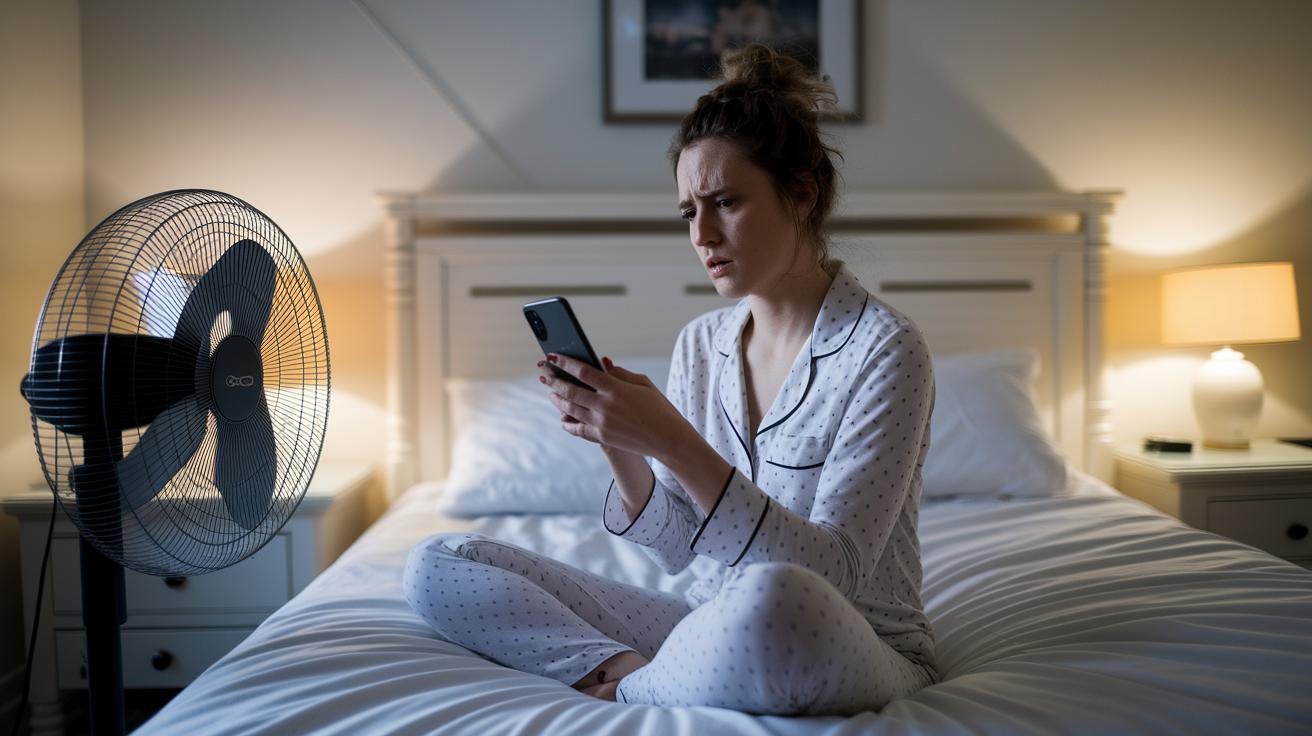
When you use the symptom checker, it looks at many factors that might be behind your night sweats. Some reasons come from your surroundings, while others stem from internal health issues. The tool is designed to help you see if your sweating is due to everyday habits or if there could be a deeper health concern.
• Heavy blankets can trap heat around your body, making you sweat while you sleep. This is usually an environmental issue that you can fix by switching to lighter covers.
• Warm pajamas might restrict air flow, which leads to more sweating. Trying lighter sleepwear could often help reduce this effect.
• A hot room can raise your body temperature, prompting more sweat at night. Adjusting the room temperature with a fan or air conditioner might bring relief.
• Menopause and perimenopause change hormone levels, which can cause both night sweats and hot flashes. This hormonal change is common in women over 40.
• Thyroid disorders influence how your body uses energy by altering metabolism (the process that turns food into energy). This can lead to an increase in body heat and sweating, so a thyroid check might be needed.
• Antidepressant medications sometimes cause side effects like night sweats. It’s a good idea to monitor how you feel after beginning any new medication and report concerns to your doctor.
• Infections, whether bacterial or viral, can cause a fever that naturally raises your body temperature and prompts sweating. These situations should be watched closely by a healthcare professional.
• Autoimmune conditions such as lupus might trigger inflammation across the body, which can result in night sweats. If you have other symptoms, further medical assessment might be necessary.
• Inflammatory bowel diseases are linked to various systemic symptoms, including night sweats. Recognizing these signs can help you understand your overall risk.
• Certain cancers, like breast, prostate, or endometrial cancer, may cause heavy sweating either directly or because of treatment side effects. This possibility requires prompt follow-up with your healthcare provider.
Each of these causes affects the symptom checker’s risk evaluation differently. Environmental factors are usually manageable with simple lifestyle changes, while triggers related to hormones, medications, or systemic illnesses might indicate a need for closer medical attention.
Recognizing Red Flags in Night Sweats
If you notice your sweat patterns at night are unusual, it might be more than just a simple inconvenience. Changes like these can sometimes hint at a bigger health issue. It's important to listen to your body so you can catch any potential problems early.
Some warning signs to watch for include:
- Recurrent fever that might mean there’s an ongoing infection.
- Unexplained weight loss which could signal a body-wide issue.
- Deep, persistent fatigue suggesting your body is really overworked.
- Bone pain that might be pointing to a more serious condition.
- Bruising, which can hint at problems with blood clotting or other issues.
- Severe drenching even in a cool room, which is not typical and may signal rare conditions like leukemia or other cancers.
If you experience one or more of these signs along with night sweats, it’s a good idea to see your healthcare provider right away. Taking action early can really help in identifying and managing any underlying condition before it becomes a bigger problem.
Night Sweats Symptom Checker for Specific Populations
This section explains how the tool changes its evaluation for different groups. It looks at things like how changing hormones in women or warm sleep conditions in children might cause night sweats. The calculator gives advice based on what it finds to help you decide if you need a closer look at your symptoms.
Perimenopausal Women
For women over 40, shifting hormones during perimenopause often trigger night sweats. The tool notices these hormone-related clues and suggests simple lifestyle changes. It also recommends talking to a doctor if the sweats continue.
Men and Testosterone Changes
Men can also get night sweats because of changes in testosterone. The tool spots patterns that point to these hormone differences. It encourages you to watch your symptoms and check in with your healthcare provider if the sweats keep coming.
Pediatric & Elderly Considerations
In children, night sweats often come from simple factors like heavy blankets or warm pajamas. In older adults, changes in the immune system or metabolism might be more important. The tool adapts by checking if the sweat is linked to everyday sleep conditions or if it might be a sign of a more complicated issue.
| Group | Primary Triggers | Checker Focus |
|---|---|---|
| Women | Hormonal changes (menopause or perimenopause) | Evaluation of hormone-related symptoms |
| Men | Testosterone shifts | Analysis of male-pattern sweating |
| Children | Environmental factors (bedding, sleepwear) | Assessment of sleep conditions |
| Seniors | Immune and metabolic changes | Distinguishing routine from more serious issues |
At-Home Remedies and Lifestyle Tips for Night Sweats
Making a few simple changes in your daily habits can help reduce night sweats. By cooling down your sleep environment and tweaking little parts of your routine, you can keep your body comfortable at night. It’s all about small, easy steps that can lead to long-lasting relief.
- Keep your room cool around 65 to 68°F. A cool room helps stop your body from overheating.
- Choose moisture-wicking sheets. They pull sweat away so your bed stays drier.
- Pick light, breathable pajamas. These let air flow and help you stay cool.
- Aim for a healthy weight. A balanced diet and regular exercise can help control body temperature.
- Cut back on caffeine. Fewer caffeinated drinks can mean less body heat.
- Limit alcohol intake. Drinking less alcohol may keep your body temperature steady.
- Try stress-relief techniques like meditation or deep breathing. These can lower stress, which sometimes triggers extra sweating.
- Use quick cool-down methods before bed. A cold shower or a fan can offer immediate relief.
Following these simple strategies consistently can help your body adapt to a cooler, more relaxing sleep environment. Over time, you may notice a big improvement in your sleep quality and fewer interruptions from night sweats.
When to Seek Medical Evaluation for Night Sweats
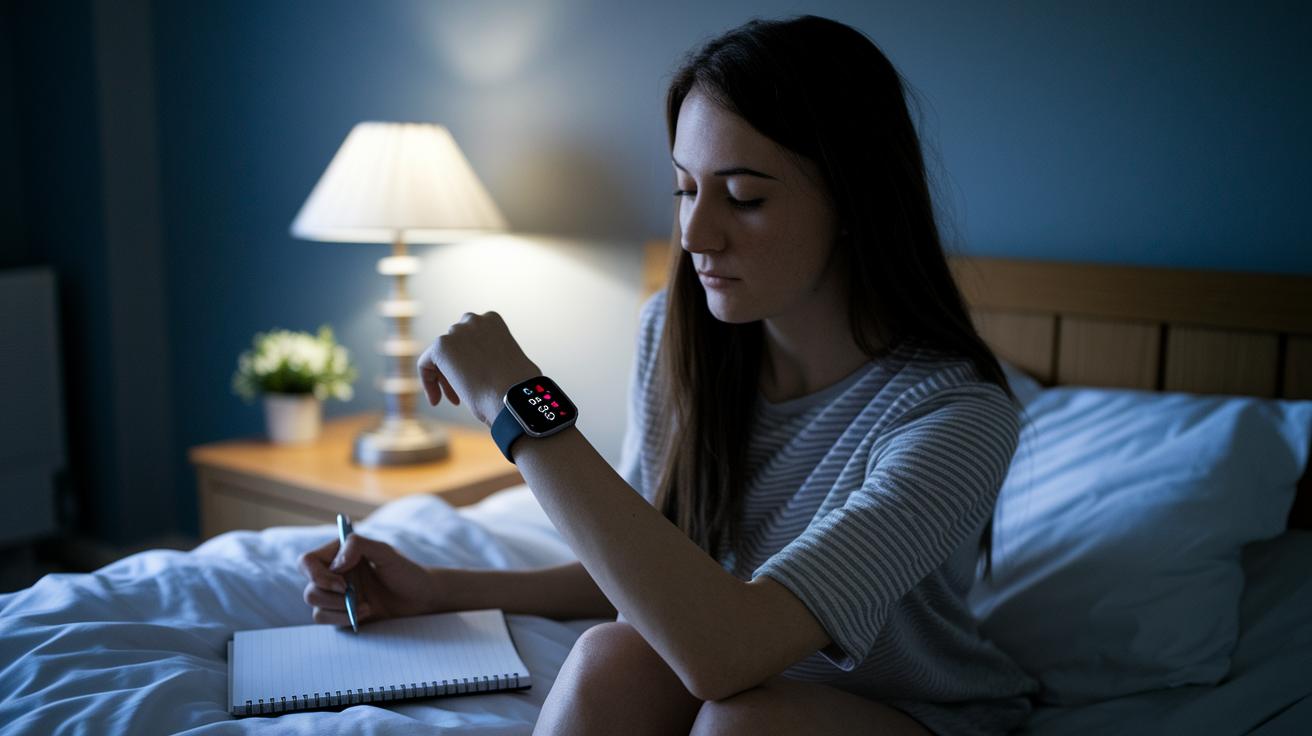
If you keep having night sweats without an obvious reason and notice other worrisome symptoms, it might be time to see a doctor. When these episodes start to disrupt your sleep or happen even in a cool room, you should get them checked out. It helps to keep a simple diary where you record when the sweats occur, how long they last, and any details about your sleep environment, new medications, or changes in lifestyle. This record will give your doctor clear clues during a careful evaluation.
Here are some signs to watch for:
- Night sweats that frequently interrupt your sleep
- Episodes that come with a steady fever
- Unexpected weight loss in a short time
- Ongoing fatigue that doesn't improve with rest
- Other changes like bone pain or unusual bruising
Before your appointment, take a few minutes to review your diary and any self-assessment notes. This preparation helps your provider decide which tests, such as blood work or imaging studies, are needed to get a full picture of your condition.
Digital and Advanced Tools for Night Sweat Analysis
New-age devices that use artificial intelligence and wearable sensors are changing how we understand night sweats. They keep track of your body’s temperature and moisture levels as you sleep, much like a fitness tracker does with your steps. These tools take raw data from your sweat and turn it into clear trends that you can easily follow. It’s a modern way to see how your body reacts during the night, and more people are finding it useful.
Wearable technology and online health tools give you quick insights into your nighttime sweat. They’re designed to work hand in hand with regular doctor check-ups, not to replace them. This method captures a snapshot of your sleep environment and how your body responds, helping you manage discomfort without ignoring professional advice. Plus, as these devices keep getting better, you can trust that your information is recorded accurately and is easy to review when needed.
Final Words
In the action, we covered how to self-assess night sweats using our interactive tool. We broke down causes, red flags, and considerations for various age groups.
We also shared simple at-home steps and highlighted when professional advice may be needed.
Using a symptom checker night sweats tool can help you spot patterns and decide on next steps. Keep track of your symptoms and stay positive about finding reliable solutions for better well-being.
FAQ
Sweating around the neck and chest at night female
The query “sweating around neck and chest at night in females” suggests that this localized sweating may stem from hormonal variations, room temperature, or an underlying condition, warranting a consultation if it continues.
Waking up drenched in sweat in the middle of the night
The inquiry “waking up drenched in sweat in the middle of the night” indicates that heavy night perspiration may be related to environmental factors or underlying health issues, so monitoring for other symptoms is advisable.
When should I be worried about night sweats
The question “when should I be worried about night sweats” signals that frequent or unexplained sweating, especially when accompanied by weight loss or fatigue, might require a medical review to rule out underlying conditions.
How to treat night sweats in males
The query “how to treat night sweats in males” highlights that managing these symptoms may involve lifestyle changes like adjusting room temperature, opting for lighter sleepwear, and reducing triggers such as caffeine or stress.
Night sweats no fever
The inquiry “night sweats with no fever” indicates that the absence of fever may point to non-infectious causes like hormonal shifts or environmental triggers, though persistent sweats should still be evaluated by a healthcare provider.
Waking up drenched in sweat but freezing
The question “waking up drenched in sweat but freezing” suggests that conflicting temperature signals might be linked to how the body regulates heat, and these symptoms warrant discussion with a healthcare professional for further insights.
What is the cause of night sweats in males
The query “what is the cause of night sweats in males” implies that such symptoms may stem from hormone changes, medication side effects, or other conditions affecting temperature control, prompting careful evaluation when symptoms persist.
How do I know if my night sweats are serious
The inquiry “how do I know if my night sweats are serious” means that if the sweating is frequent, severe, or accompanied by signs like weight loss or fatigue, it is important to consult a healthcare provider for further assessment.
Why are night sweats a red flag
The question “why are night sweats a red flag” means that night sweats can signal underlying health issues, especially when paired with additional symptoms, and should prompt timely evaluation and possible medical testing.
What tests should be done for night sweats
The inquiry “what tests should be done for night sweats” indicates that healthcare providers may recommend blood tests, imaging studies, and a detailed history to uncover possible underlying conditions causing the nighttime sweating.
What are night sweats a symbol of
The query “what are night sweats a symbol of” suggests that these symptoms may represent imbalances in hormone levels or signal hidden health conditions, emphasizing the need to monitor the symptoms and seek medical advice if they persist.