Health Claims On Food Labels: Factual And Clear

Have you ever wondered if the bold claims on food packages are as true as they seem? We often see labels promising health benefits without sharing much about the science behind them. In this article, we explain how strong rules ensure that these claims are backed by proven research. We'll walk you through the facts and look at serving sizes to help you understand what food companies can really say. With this clear information, you'll be able to shop smarter and feel more confident about the health advice on your favorite foods.

Defining Health Claims on Food Labels: Regulations and Scientific Basis

When you see a health claim on a food label, it means the product is suggesting that one of its components can help lower your risk of a disease. This claim is different from statements about the nutrient amount or how a nutrient works in your body. Often, labels use phrases like "heart-healthy" to catch your eye, but they may not share all the details. It’s important to understand what these claims really mean.

The FDA requires that any health claim must be supported by solid scientific evidence. In other words, there must be strong research showing that the food component has a real effect on reducing disease risk. Only statements that pass this strict review process make it onto food labels, which sets them apart from other marketing messages that might lack proper backing.

Another key point is serving size. The nutrition facts on a label are based on a suggested serving size, which shows you how much of the food contains the listed nutrients and calories. Knowing the serving size helps you accurately understand the health benefits the product claims to offer.

Regulatory Guidelines for Health Claims on Food Labels
img-1.jpg

The FDA checks every health claim on food labels using a careful process described in CFR Title 21 Section 101.14. They make sure that any health assertion is backed by strong scientific research and reliable testing. In plain language, if a company wants its label to say something like "fiber helps lower the risk of heart disease," it must build that claim on solid evidence. For example, if a sports drink is labeled "supports endurance during exercise," the claim must pass a detailed FDA review first. This process helps ensure that the public gets accurate and trustworthy information.

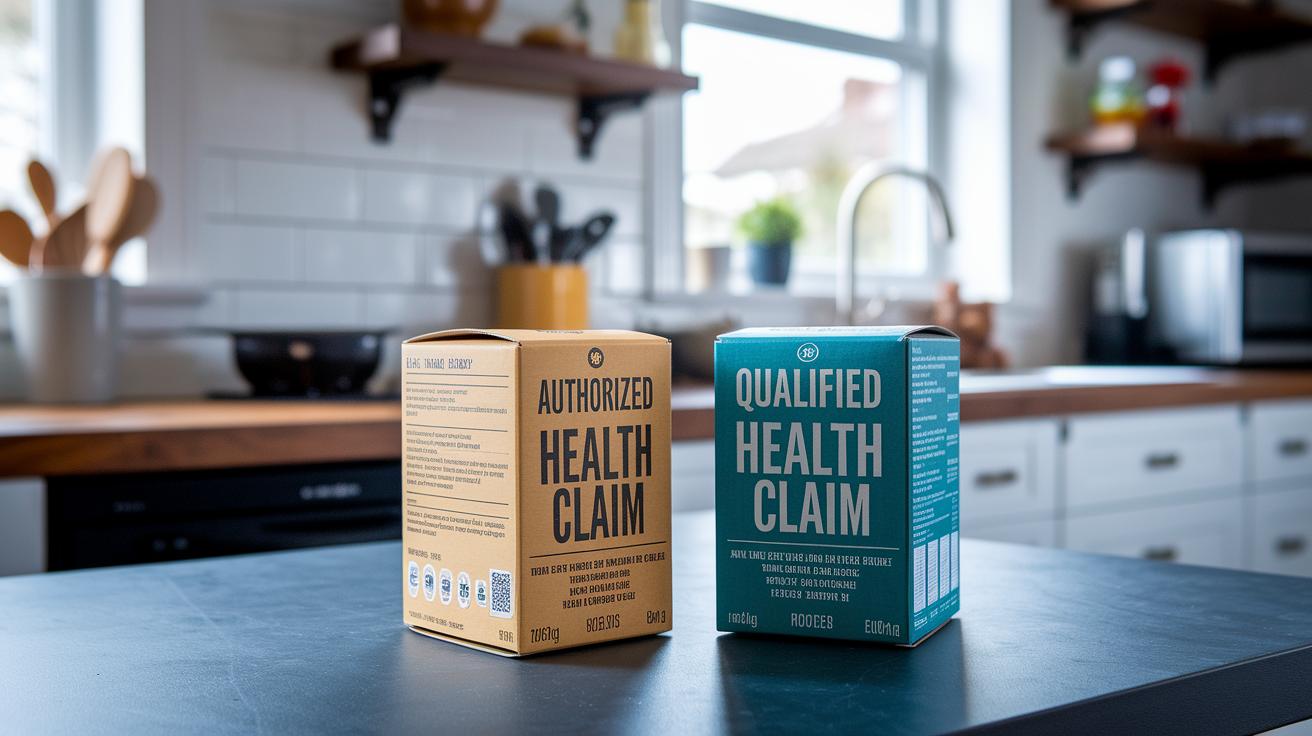
The FDA sorts these claims by how strong the supporting evidence is. When a claim is supported by strong scientific proof, linking a nutrient or food ingredient to a lower risk of disease, it is given an authorized status. When the research is less clear, companies use phrases like "may" or "might" to describe the potential benefits, and these are known as qualified claims. Qualified claims must include a disclaimer that explains the uncertainty. In addition, there are structure/function claims, which talk about how a nutrient works in the body without directly linking it to disease prevention. These claims only need to be notified to the FDA instead of getting pre-approval. Each claim undergoes a careful review based on standards explained in resources like What Is the Scientific Method (https://factcheckx.com?p=107).

Below are the three types of claims:

Claim Type Description
Authorized health claims Pre-approved claims that show a link between a nutrient and reduced disease risk
Qualified health claims Claims using terms like “may” or “might,” with a disclaimer due to less solid evidence
Structure/function claims General benefit statements about a nutrient’s role, which require only notification to the FDA

Differentiating Health Claims from Nutrient Content and Structure/Function Statements

Nutrient content claims tell you exactly what is in a food, using simple phrases like "low fat" or "high fiber." They describe the amount of a nutrient, so you know what you are eating. Structure/function claims, on the other hand, describe how a nutrient works in the body without suggesting it can prevent diseases. For example, a label that says "supports immunity" explains the role of the nutrient.

Health claims connect a specific food component with a lower risk of a disease. They must be backed by strong evidence and receive proper regulatory approval. For instance, a claim such as "calcium and reduced osteoporosis risk" points to a scientific link between the nutrient and better health outcomes. This shows how different labels need different amounts of evidence and have unique effects on public health.

Examples of FDA-Allowed Health Claims on Food Labels

img-2.jpg

When you pick up a box of cereal or a container of yogurt, you might see a clear message noting a health benefit. For example, a label might read "soluble fiber from whole oats." This indicates that the beta-glucan in oats may help lower the risk of heart disease (issues with the heart’s blood vessels). Similarly, many dairy products mention "adequate calcium and vitamin D" to suggest these nutrients can help reduce the risk of osteoporosis (a condition where bones become weak). Rest assured, the FDA reviews these statements carefully, and manufacturers must support them with solid scientific evidence before they reach the shelf.

Food makers add these approved claims so you get honest and useful information about their products. They help guide you toward choices that support your well-being, like promoting heart or bone health. For instance, the claim "plant sterols" is linked to lowering the risk of heart disease in adults. When you compare products, these proven statements show that a food meets strict standards, making it easier for you to shop with confidence.

Health Claim Key Nutrient Target Condition
Soluble fiber from oats Beta-glucan Coronary heart disease
Calcium & vitamin D Calcium, Vitamin D Osteoporosis
Plant sterols Phytosterols Heart disease

The Impact of Misinformation in Health Claims on Food Labels

Food labels sometimes make claims that sound healthy but leave out key details. This can lead you to make choices based on promises without knowing the whole story. For example, a product might shout out that it’s "low-sugar" even though it lists sugars under other names like dextrose or maltose in the ingredients. When important facts like serving size or the order of ingredients are missing, it distracts from the overall nutritional value of the product.

These kinds of claims can also make you focus too much on one benefit while missing a balanced view of the product. You might see a bold health claim and think a food is great, but without all the information, you may not be getting the full picture of its impact on your health. This is why it’s important for labels to share clear, complete, and evidence-based information. After all, everyone deserves to have straightforward facts to help them build a healthy and balanced diet.

Comparative Analysis of Health Claim Messaging Across Products
img-3.jpg

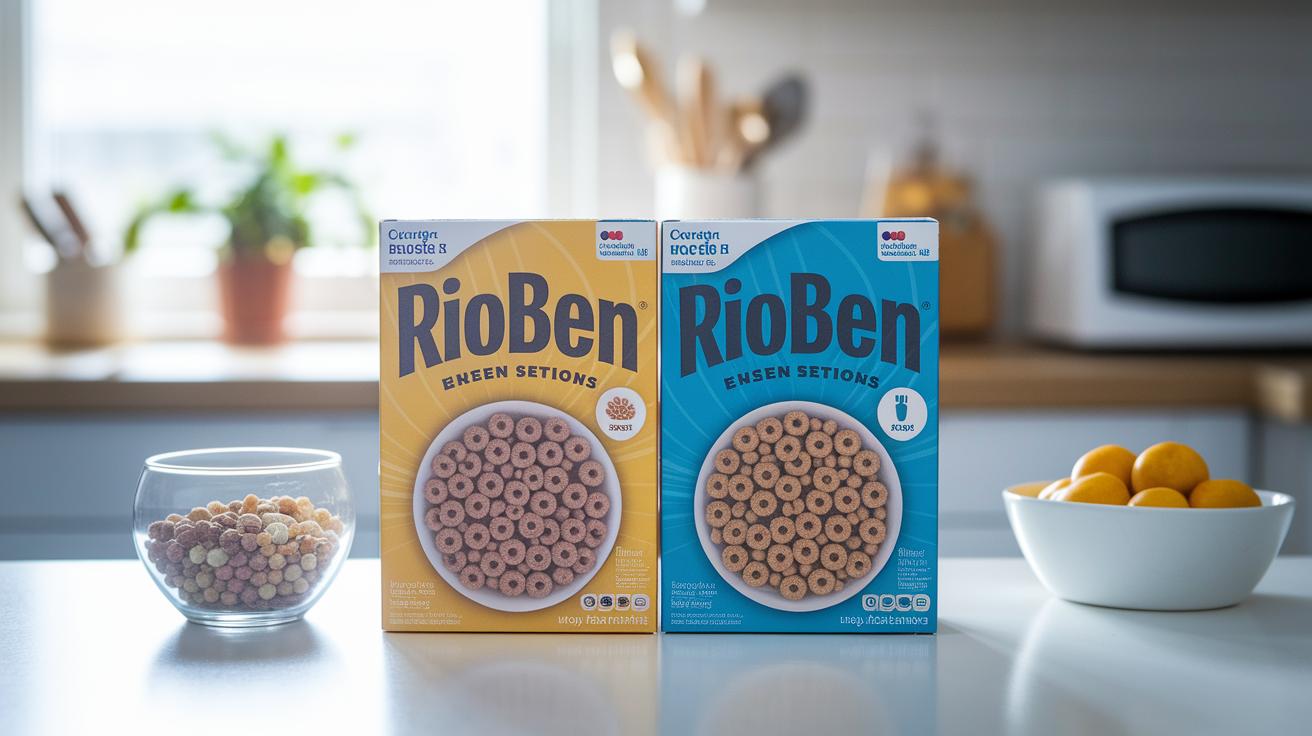
When you’re looking at label statements on products like cereals and granola bars, it really helps to compare them side by side. Take a look at the ingredient lists, especially since they often show ingredients in order of weight. For example, if two items claim to support heart health but one product puts added sugars ahead of the key heart-benefiting ingredient, it might not be as healthy as it claims. Also, different serving sizes can change the nutritional numbers you see, so it’s smart to check how much of a key nutrient you get with each serving. A simple trick is this: if two snacks say they’re a good source of whole grains, the one that lists whole grains first is likely making a better, more honest claim.

Using these tips can really boost your shopping smarts. Next time you’re in the store, set the products out side by side and note little differences, whether it’s the use of various names for sugars or if a product seems to have padded its serving size to look more attractive nutritionally. This kind of careful looking lets you cut through any misleading claims and pick the product that truly lives up to its promises. Try comparing two similar brands by checking the order of ingredients and serving size information. It’s a simple way to find the option you can trust for better health.

International Standards for Health Claims on Food Packaging

In the European Union, a rule called Regulation 1924/2006 makes sure that any health claim on food packaging is checked by the European Food Safety Authority. In other words, if a food is said to lower the chance of getting a disease, scientists carefully review the claim beforehand. This process guarantees that only statements backed by strong research make it to the packaging. It helps give shoppers clear and believable information about what they eat.

Over in the United Kingdom, food labels use a simple traffic light system on the front of packages. This system quickly shows the levels of fat, sugar, and salt so buyers can easily judge a product’s nutritional quality. In Australia, you'll see a Health Star Rating from 0.5 to 5 stars that sums up a food item’s nutrient profile in a way that is easy to understand. Both systems focus on giving straightforward, reliable facts to help everyone make better food choices. By sticking to these standards, countries not only promote healthier decisions but also push the food industry to improve how they share nutritional information with us.

Consumer Strategies for Evaluating Health Claims on Food Labels

img-4.jpg

When you read food labels with health claims, start by looking at the ingredient list and the serving size. The ingredients are listed in order of weight, so the items at the top show you what the product is mostly made of. Make sure that the key nutrient is clearly visible and that the serving size matches what you typically eat.

Then, compare the product with similar items. Seeing them side-by-side can help you notice small differences that might change your decision. This quick comparison adds another layer of clarity without complicating things.

Also, be cautious about the promotional language used on the package. Some catchy words might grab your attention, but they could lack independent verification. Here’s an easy checklist to follow:

  • Confirm the main ingredient is listed at the top.
  • Ensure the serving size fits a normal portion.
  • Compare with similar products to check if the claims are consistent.
  • Verify the claims using trustworthy, independent sources.

For example, if you choose minimally processed foods, you are more likely to find that their health claims match common nutritional practices.

Final Words

In the action, we explored food label statements, examining how regulations and scientific evidence shape trusted messaging on packaging. We walked through how authoritative agencies set guidelines and examples, compared claim types, and outlined clear strategies for evaluating information.

These insights empower you to spot misleading marketing and build confidence in everyday choices. Embrace these empowering strategies to assess health claims on food labels and make choices that support your well-being.

FAQ

What is a health claim on a food label example?

The health claim on a food label is a statement linking a food component to a reduced risk of disease. For example, a claim may note that soluble fiber from oats is connected to a lower risk of heart disease.

What are the FDA health claims on food labels?

The FDA health claims on food labels are statements reviewed by the agency that show a link between a food component and a potential decrease in disease risk, meeting strict scientific evidence standards.

What are the three types of claims on food labels?

The three types of claims on food labels are health claims, nutrient content claims, and structure/function claims. Health claims connect a food component to disease risk reduction, nutrient content claims focus on the amount of a nutrient, and structure/function claims describe a nutrient’s role in body function.

What are some examples of claims producers put on food?

Examples include statements that soluble fiber from oats may lower coronary heart disease risk, adequate calcium and vitamin D may support bone health, and plant sterols can be linked to heart health.

Have you ever wondered if the bold claims on food packages are as true as they seem? We often see labels promising health benefits without sharing much about the science behind them. In this article, we explain how strong rules ensure that these claims are backed by proven research. We'll walk you through the facts and look at serving sizes to help you understand what food companies can really say. With this clear information, you'll be able to shop smarter and feel more confident about the health advice on your favorite foods.

Defining Health Claims on Food Labels: Regulations and Scientific Basis

When you see a health claim on a food label, it means the product is suggesting that one of its components can help lower your risk of a disease. This claim is different from statements about the nutrient amount or how a nutrient works in your body. Often, labels use phrases like "heart-healthy" to catch your eye, but they may not share all the details. It’s important to understand what these claims really mean.

The FDA requires that any health claim must be supported by solid scientific evidence. In other words, there must be strong research showing that the food component has a real effect on reducing disease risk. Only statements that pass this strict review process make it onto food labels, which sets them apart from other marketing messages that might lack proper backing.

Another key point is serving size. The nutrition facts on a label are based on a suggested serving size, which shows you how much of the food contains the listed nutrients and calories. Knowing the serving size helps you accurately understand the health benefits the product claims to offer.

Regulatory Guidelines for Health Claims on Food Labels

img-1.jpg

The FDA checks every health claim on food labels using a careful process described in CFR Title 21 Section 101.14. They make sure that any health assertion is backed by strong scientific research and reliable testing. In plain language, if a company wants its label to say something like "fiber helps lower the risk of heart disease," it must build that claim on solid evidence. For example, if a sports drink is labeled "supports endurance during exercise," the claim must pass a detailed FDA review first. This process helps ensure that the public gets accurate and trustworthy information.

The FDA sorts these claims by how strong the supporting evidence is. When a claim is supported by strong scientific proof, linking a nutrient or food ingredient to a lower risk of disease, it is given an authorized status. When the research is less clear, companies use phrases like "may" or "might" to describe the potential benefits, and these are known as qualified claims. Qualified claims must include a disclaimer that explains the uncertainty. In addition, there are structure/function claims, which talk about how a nutrient works in the body without directly linking it to disease prevention. These claims only need to be notified to the FDA instead of getting pre-approval. Each claim undergoes a careful review based on standards explained in resources like What Is the Scientific Method (https://factcheckx.com?p=107).

Below are the three types of claims:

Claim Type Description
Authorized health claims Pre-approved claims that show a link between a nutrient and reduced disease risk
Qualified health claims Claims using terms like “may” or “might,” with a disclaimer due to less solid evidence
Structure/function claims General benefit statements about a nutrient’s role, which require only notification to the FDA

Differentiating Health Claims from Nutrient Content and Structure/Function Statements

Nutrient content claims tell you exactly what is in a food, using simple phrases like "low fat" or "high fiber." They describe the amount of a nutrient, so you know what you are eating. Structure/function claims, on the other hand, describe how a nutrient works in the body without suggesting it can prevent diseases. For example, a label that says "supports immunity" explains the role of the nutrient.

Health claims connect a specific food component with a lower risk of a disease. They must be backed by strong evidence and receive proper regulatory approval. For instance, a claim such as "calcium and reduced osteoporosis risk" points to a scientific link between the nutrient and better health outcomes. This shows how different labels need different amounts of evidence and have unique effects on public health.

Examples of FDA-Allowed Health Claims on Food Labels

img-2.jpg

When you pick up a box of cereal or a container of yogurt, you might see a clear message noting a health benefit. For example, a label might read "soluble fiber from whole oats." This indicates that the beta-glucan in oats may help lower the risk of heart disease (issues with the heart’s blood vessels). Similarly, many dairy products mention "adequate calcium and vitamin D" to suggest these nutrients can help reduce the risk of osteoporosis (a condition where bones become weak). Rest assured, the FDA reviews these statements carefully, and manufacturers must support them with solid scientific evidence before they reach the shelf.

Food makers add these approved claims so you get honest and useful information about their products. They help guide you toward choices that support your well-being, like promoting heart or bone health. For instance, the claim "plant sterols" is linked to lowering the risk of heart disease in adults. When you compare products, these proven statements show that a food meets strict standards, making it easier for you to shop with confidence.

Health Claim Key Nutrient Target Condition
Soluble fiber from oats Beta-glucan Coronary heart disease
Calcium & vitamin D Calcium, Vitamin D Osteoporosis
Plant sterols Phytosterols Heart disease

The Impact of Misinformation in Health Claims on Food Labels

Food labels sometimes make claims that sound healthy but leave out key details. This can lead you to make choices based on promises without knowing the whole story. For example, a product might shout out that it’s "low-sugar" even though it lists sugars under other names like dextrose or maltose in the ingredients. When important facts like serving size or the order of ingredients are missing, it distracts from the overall nutritional value of the product.

These kinds of claims can also make you focus too much on one benefit while missing a balanced view of the product. You might see a bold health claim and think a food is great, but without all the information, you may not be getting the full picture of its impact on your health. This is why it’s important for labels to share clear, complete, and evidence-based information. After all, everyone deserves to have straightforward facts to help them build a healthy and balanced diet.

Comparative Analysis of Health Claim Messaging Across Products

img-3.jpg

When you’re looking at label statements on products like cereals and granola bars, it really helps to compare them side by side. Take a look at the ingredient lists, especially since they often show ingredients in order of weight. For example, if two items claim to support heart health but one product puts added sugars ahead of the key heart-benefiting ingredient, it might not be as healthy as it claims. Also, different serving sizes can change the nutritional numbers you see, so it’s smart to check how much of a key nutrient you get with each serving. A simple trick is this: if two snacks say they’re a good source of whole grains, the one that lists whole grains first is likely making a better, more honest claim.

Using these tips can really boost your shopping smarts. Next time you’re in the store, set the products out side by side and note little differences, whether it’s the use of various names for sugars or if a product seems to have padded its serving size to look more attractive nutritionally. This kind of careful looking lets you cut through any misleading claims and pick the product that truly lives up to its promises. Try comparing two similar brands by checking the order of ingredients and serving size information. It’s a simple way to find the option you can trust for better health.

International Standards for Health Claims on Food Packaging

In the European Union, a rule called Regulation 1924/2006 makes sure that any health claim on food packaging is checked by the European Food Safety Authority. In other words, if a food is said to lower the chance of getting a disease, scientists carefully review the claim beforehand. This process guarantees that only statements backed by strong research make it to the packaging. It helps give shoppers clear and believable information about what they eat.

Over in the United Kingdom, food labels use a simple traffic light system on the front of packages. This system quickly shows the levels of fat, sugar, and salt so buyers can easily judge a product’s nutritional quality. In Australia, you'll see a Health Star Rating from 0.5 to 5 stars that sums up a food item’s nutrient profile in a way that is easy to understand. Both systems focus on giving straightforward, reliable facts to help everyone make better food choices. By sticking to these standards, countries not only promote healthier decisions but also push the food industry to improve how they share nutritional information with us.

Consumer Strategies for Evaluating Health Claims on Food Labels

img-4.jpg

When you read food labels with health claims, start by looking at the ingredient list and the serving size. The ingredients are listed in order of weight, so the items at the top show you what the product is mostly made of. Make sure that the key nutrient is clearly visible and that the serving size matches what you typically eat.

Then, compare the product with similar items. Seeing them side-by-side can help you notice small differences that might change your decision. This quick comparison adds another layer of clarity without complicating things.

Also, be cautious about the promotional language used on the package. Some catchy words might grab your attention, but they could lack independent verification. Here’s an easy checklist to follow:

  • Confirm the main ingredient is listed at the top.
  • Ensure the serving size fits a normal portion.
  • Compare with similar products to check if the claims are consistent.
  • Verify the claims using trustworthy, independent sources.

For example, if you choose minimally processed foods, you are more likely to find that their health claims match common nutritional practices.

Final Words

In the action, we explored food label statements, examining how regulations and scientific evidence shape trusted messaging on packaging. We walked through how authoritative agencies set guidelines and examples, compared claim types, and outlined clear strategies for evaluating information.

These insights empower you to spot misleading marketing and build confidence in everyday choices. Embrace these empowering strategies to assess health claims on food labels and make choices that support your well-being.

FAQ

What is a health claim on a food label example?

The health claim on a food label is a statement linking a food component to a reduced risk of disease. For example, a claim may note that soluble fiber from oats is connected to a lower risk of heart disease.

What are the FDA health claims on food labels?

The FDA health claims on food labels are statements reviewed by the agency that show a link between a food component and a potential decrease in disease risk, meeting strict scientific evidence standards.

What are the three types of claims on food labels?

The three types of claims on food labels are health claims, nutrient content claims, and structure/function claims. Health claims connect a food component to disease risk reduction, nutrient content claims focus on the amount of a nutrient, and structure/function claims describe a nutrient’s role in body function.

What are some examples of claims producers put on food?

Examples include statements that soluble fiber from oats may lower coronary heart disease risk, adequate calcium and vitamin D may support bone health, and plant sterols can be linked to heart health.

More from author

LEAVE A REPLY

Please enter your comment!
Please enter your name here

Related posts

Advertismentspot_img

Latest posts

How To Create A Daily Wellness Routine: Thriving

Curious about how to create a daily wellness routine that transforms your mornings and days? Read on as secrets await…

2 Daily Wellness Drink Tips For Radiance

Experience a daily wellness drink with natural herbs, green ingredients, and clinical backing that might change your routine forever, stay tuned.

Daily Wellness: Elevate Your Everyday Vitality

Daily wellness transforms everyday routines into mindful adjustments, merging nutrition, movement, and restorative sleep. What unforeseen practice awaits you next?

Want to stay up to date with the latest news?

We would love to hear from you! Please fill in your details and we will stay in touch. It's that simple!