Have you ever wondered if your symptom tracker might be putting your privacy at risk instead of helping you? It's important to choose a tool that not only records your details accurately but also keeps your information safe. A good tracker shows clear trends and useful insights while protecting your data with simple locks and secure backups. This guide will walk you through the important points you should consider when picking the right symptom tracker for your needs.
Key Criteria for Choosing a Reliable Symptom Tracker
Picking the best symptom tracker is important because it directly affects how well you record your health details and share them with your doctor. Whether you keep notes on paper or use a digital app, a reliable and easy-to-use tool can uncover patterns in your symptoms that might otherwise be missed.
A thoughtful choice can help you manage long-term health issues better. For instance, digital trackers can show trends in facts like your heart rate and step count (measurable numbers) as well as feelings like tiredness and mood. This makes it easier to spot what might be triggering your symptoms.
Here’s what to keep in mind:
- Accurate recording of health details
- Strong security, like using a PIN or password
- A design that’s easy to use with quick-entry options
- Custom fields to track unique or multiple symptoms
- Backing from clinical studies or expert advice
- Methods of recording that have been shown to work over time
- Positive reviews and testimonials from other users
When a tracker meets these key points, it not only supports clear communication with your doctor but also helps you understand your health better. This gives you real insight into what might be influencing your well-being.
Data Security and Privacy Standards in Symptom Trackers

When you pick a symptom tracker, keeping your personal data safe is a top priority. A reliable tracker uses solid privacy measures like PIN or password locks and secure cloud backups that help keep your health records out of the hands of strangers. It also shares clear privacy policies that explain how your data is used and shared, so you know exactly what to expect.
The app should also protect your information with strong encryption for both saved data and data on the move. This means it turns your information into unreadable code when it's stored or sent, making it much harder for anyone to intercept. If the tracker follows trusted regulations such as HIPAA (a U.S. law that protects health information), that’s a good sign it meets strict safety standards. Some apps even let you anonymize your data or limit sharing with others, which adds an extra layer of protection for your sensitive details.
Don’t forget, you play a key role in keeping your own data secure. Regularly update your app to benefit from the latest fixes, and use strong, unique passwords to stop potential threats. Take a few moments to check your privacy settings and stay informed about any changes in the tracker’s policy. This way, you keep control over your personal health information while enjoying the technology.
Customization and Usability of Symptom Monitoring Apps
Using a symptom-tracking app that’s simple to navigate can make recording your health details a breeze. A clean layout with easy-to-understand features like star ratings, check boxes, or drop-down lists helps you log your symptoms quickly and confidently, reducing the chance for errors. This ease of use is key to keeping an accurate picture of your wellness over time.
Many of these apps let you personalize your experience to match your health needs. For example, some let you create your own symptom lists and add factors like diet, sleep, or stress. They often come with handy reminders so you never miss an entry. Plus, when these apps connect with wearable devices like smartwatches, they can automatically record important data such as your heart rate (the speed at which your heart beats) and your activity levels, keeping everything in sync across your phone and computer.
A friendly, well-organized design does more than just simplify logging, it helps you build a lasting habit. With flexible fields and quick-entry options, tracking your daily health becomes less of a chore and more of a part of your routine. Over time, this consistent use can offer you clear insights into your health trends, supporting your journey toward better well-being.
Credibility and Validation in Symptom Tracker Selection

A reliable symptom tracker should be backed by strong clinical endorsements and solid research. Look for apps that have been tested in clinical trials or empirical studies to ensure they work accurately. Many doctors recommend tools like Bearable because research supports their methods. Peer-reviewed articles or FDA listings also add extra assurance that the tool meets high standards for tracking important health markers.
User feedback is key when assessing credibility. Check app store ratings and visit condition-specific forums where people share their personal experiences with the tracker. For example, some users appreciate the free app from the MS Association for its useful features such as medication reminders and provider reporting. Similarly, a 90-day lupus journal available on major platforms has been commended for its practical design. These firsthand accounts offer valuable insight into the tool’s long-term reliability and ease of use.
Some trackers earn extra trust by appearing in peer-reviewed studies or receiving endorsements from pharmaceutical companies. This additional layer of review can boost your confidence in the app. Look for mentions of independent research groups that have evaluated its performance.
Finally, always consider independent expert reviews. Trusted healthcare professionals and unbiased reviewers who use standard criteria can help you determine if a symptom tracker truly meets your personal health monitoring needs.
Free vs Premium Symptom Tracker Comparison
Free health tracking apps, like the MS Association app and other basic trackers, let you log your daily symptoms without cost. They help you set up medication reminders and create simple reports so you can keep an eye on how you're feeling each day. These apps are great if you want a quick, no-charge way to record your health details. But, they often come with limited support, offering only basic FAQs instead of a full helpdesk. This means you might miss out on advanced analytics or customization options that are useful for managing more complex health issues. Many people start with a free tool, kind of like taking a test drive, before deciding if they need to upgrade.
Premium symptom journals or paid tracking services offer extra features that can really help if you want to dive deeper into your health. With premium plans, you might get detailed analytics, advice from a dietician, access to community forums, and even personalized stress-relief plans. These tools usually work on a tiered system, which means you pay more for more detailed reports or expert insights. Although you're spending more money upfront, it can lead to better health insights and stronger customer support. In the end, the best choice depends on what you need to track and how much you value extra features over a free option.
Integrating Symptom Trackers with Healthcare Providers
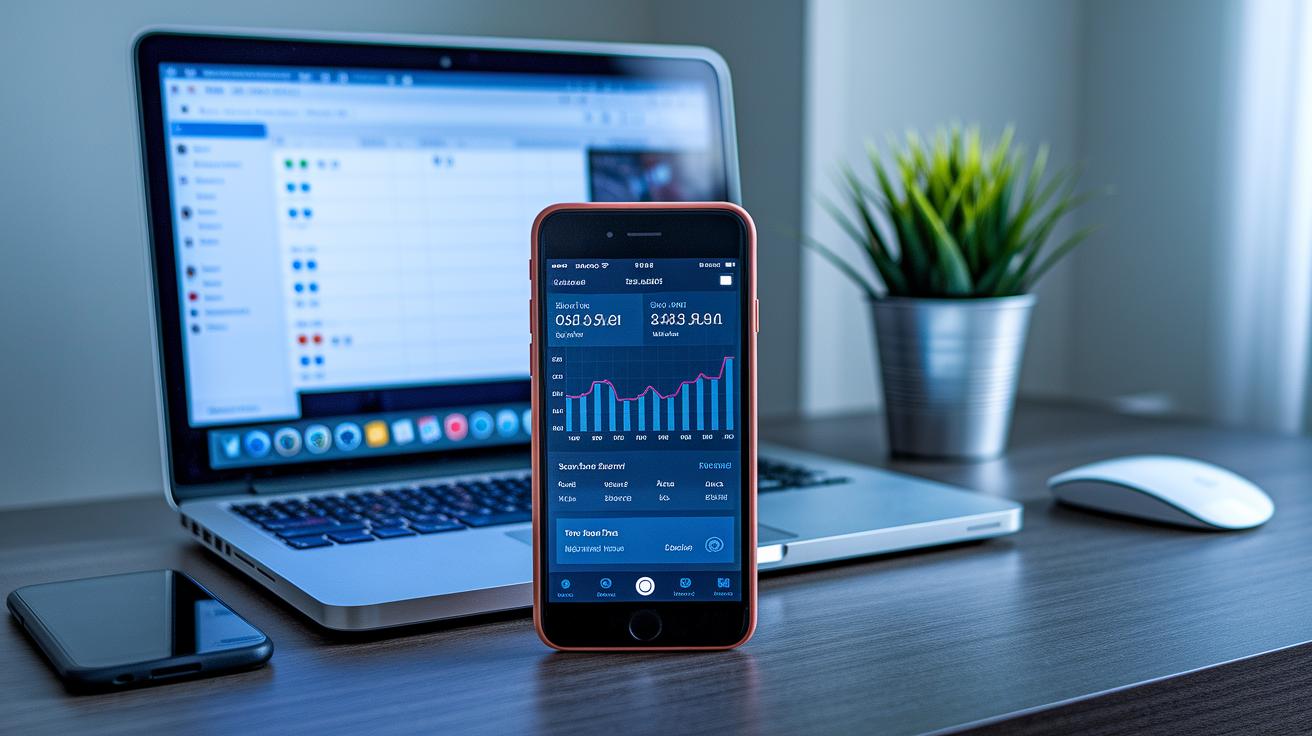
Digital symptom trackers let you share your health data with your doctors quickly and safely. Many apps now let you export your information in formats like PDF or CSV. You can even choose a specific date range to see everything from day-to-day shifts to overall trends. Clear charts and trend lines help your doctor spot early signs and identify possible triggers.
Export Formats and Reporting Tools
A good tracker gives you options to present your health details in the way your provider prefers. You might pick PDF, CSV, or an in-app summary export. With flexible date ranges, these tools let you review your key information over days, weeks, or even months. This simple setup makes it easier to notice patterns in your health, helping you and your doctor understand changes over time.
Collaborative Features with Providers
Modern trackers also support stronger connections with your healthcare team. They often integrate with electronic health record systems through APIs to ensure your records flow smoothly. Some even include direct messaging and patient portals for real-time updates and feedback. This easy sharing of information makes working together more productive. By combining secure technical safeguards with clear reporting, these tools give you a trusted partner in making evidence-based treatment decisions.
Advanced Technology Trends in Reliable Symptom Trackers
Modern technology is changing the way symptom trackers work in amazing ways. They use artificial intelligence (AI) to study numbers like your heart rate and steps, along with how you feel, such as tiredness or stress. Smart computer methods can even alert you before your symptoms get worse. Plus, wearables like fitness bands capture your daily activity and sleep patterns automatically. In short, these tools help you keep a more accurate and flexible record of your health.
Next-generation apps do more than just crunch numbers, they meet real-life needs too. Some apps for digestive issues offer personalized diet plans and gentle meditation sessions to ease discomfort. Other apps, like migraine trackers, record important details such as weather changes, pain levels, and sleep quality while connecting you with supportive communities. For instance, a free tracker might use basic analytics, while a premium version employs machine learning to spot even subtle trends. Each tool is designed to capture both the objective data and your personal experience.
Looking ahead, it’s smart to choose a tracker that gets regular software updates. When your tool works well with the latest wearables and adapts to new digital health advancements, you’re keeping your investment safe. Continuous updates mean your app stays ready for new challenges, ensuring that your health tracking remains as modern and forward-thinking as the technology behind it.
Final Words
In the action-packed guide, we've reviewed key elements like security measures, user-friendly interfaces, clinical validation, and cost comparisons. We broke down factors from basic trackers to advanced tech trends, emphasizing privacy, customization, and provider collaboration.
Our discussion gives you clear steps to assess tracker quality while keeping everyday use simple and effective.
Keep these insights in mind as you explore how to choose a reliable symptom tracker and boost your health confidence.
FAQ
What does a multiple symptom checker do?
A multiple symptom checker gathers various input details to offer insight into several potential causes behind your symptoms, helping you understand and monitor your health with evidence-backed suggestions.
Which free symptom checkers are available and how trustworthy are they?
Free symptom checkers like Ada, Isabel, and WebMD offer basic health insights and are built with varying degrees of clinical validation, so it’s wise to use them as preliminary guides and consult professionals for definitive advice.
Is WebMD symptom checker reliable?
The WebMD symptom checker combines a user-friendly interface with medically sourced information, making it a helpful initial resource while reminding users to follow up with healthcare professionals for a precise diagnosis.
How can I keep track of my medical symptoms effectively?
Keeping track of medical symptoms effectively involves using digital apps that provide customizable fields and quick-entry methods, making it easier to monitor daily changes and share clear data with your healthcare provider.
Is Google a good tool for looking up symptoms?
Google can offer general health information quickly; however, its lack of personalized filtering and clinical context means it should serve only as an initial resource rather than a substitute for dedicated symptom trackers and professional advice.
Is Symptomate legit?
Symptomate’s legitimacy rests on evidence-based design and positive user reviews, so checking its clinical backing and credibility can help determine if it meets your needs as a reliable self-assessment tool.