Health Claims Examples: Inspiring Clarity And Trust

Have you ever taken a moment to really look at your food label? It turns out that those little details can help you understand the benefits of what you’re eating, for example, how certain foods might lower your risk for conditions like high blood pressure (hypertension).

In this post, we explain different types of food claims. Some claims list exact ingredients, while others signal that the food supports normal body functions. Each claim is supported by strong research and plays a part in a bigger picture that helps you make smarter choices.

If you want to turn confusion into confidence when shopping for food, reading clear and trustworthy labels can really make a difference.

Health Claim Categories with Sample Statements

Food labels sometimes feature optional statements that hint at a product's good qualities. They help you understand the benefits, from lowering the risk of certain diseases to highlighting strong nutritional value. Health claims show a connection between the food and a reduced chance of a particular condition. For more details on what counts as a health benefit, see what is health. Claims about nutrient content focus on measurable ingredients like fiber, fats, or vitamins. For example, a label might say "high fiber" to show the product is rich in this beneficial nutrient.

Structure and function claims explain how a nutrient helps maintain normal body processes. One example is a statement like "supports bone health," which tells you about the nutrient's role without exaggerating. Meanwhile, general quality claims point out the product's natural features such as "made with 100% whole grains," indicating overall excellence.

Each claim type plays a unique role in sharing a product's story. Interestingly, before she was renowned, Marie Curie once carried test tubes of radioactive material in her pockets, unaware that they would pave the way for her groundbreaking discoveries. This mix of claims demonstrates how clear messaging can build both trust and confidence in what we consume.

Examples of FDA Approved Health Claims

img-1.jpg

Authorized health claims appear on food labels after the FDA checks that they come from strong scientific evidence. They tell us that a food can help lower the risk of certain health problems. The FDA reviews these claims carefully so that we can trust the benefits they promise.

  1. Diets low in sodium may reduce the risk of high blood pressure.
  2. Soluble fiber from oatmeal may reduce the risk of heart disease.
  3. Soy protein may reduce the risk of coronary heart disease.
  4. Plant sterols may reduce the risk of heart disease.

On December 19, 2024, the FDA introduced a final rule to define the word "healthy" on food labels. This update helps make claims more clear and builds trust by showing that these products meet solid scientific standards.

Qualified Health Claims Phrasing Examples

When a product is approved by the FDA, any health claim made must include a clear warning. This lets you know that the research is still new and not final. In other words, when a company links a food to a possible health benefit, it must say that the evidence is limited.

  • Research that is supportive but not conclusive shows that eating antioxidants might help lower the risk of certain cancers.
  • Limited scientific evidence suggests that drinking green tea could reduce the risk of heart disease (a condition that affects the heart and blood vessels).
  • Some scientific studies indicate that getting enough calcium might help lower the risk of colon cancer.

These examples follow strict rules from the FDA. The guidelines make sure that companies do not exaggerate the benefits of their products. Instead, they share science-backed information in a way that is honest and clear. This careful choice of words builds trust with you, helping you understand that the supporting research is still evolving.

Nutrient Content and Comparative Nutrition Claim Examples
img-2.jpg

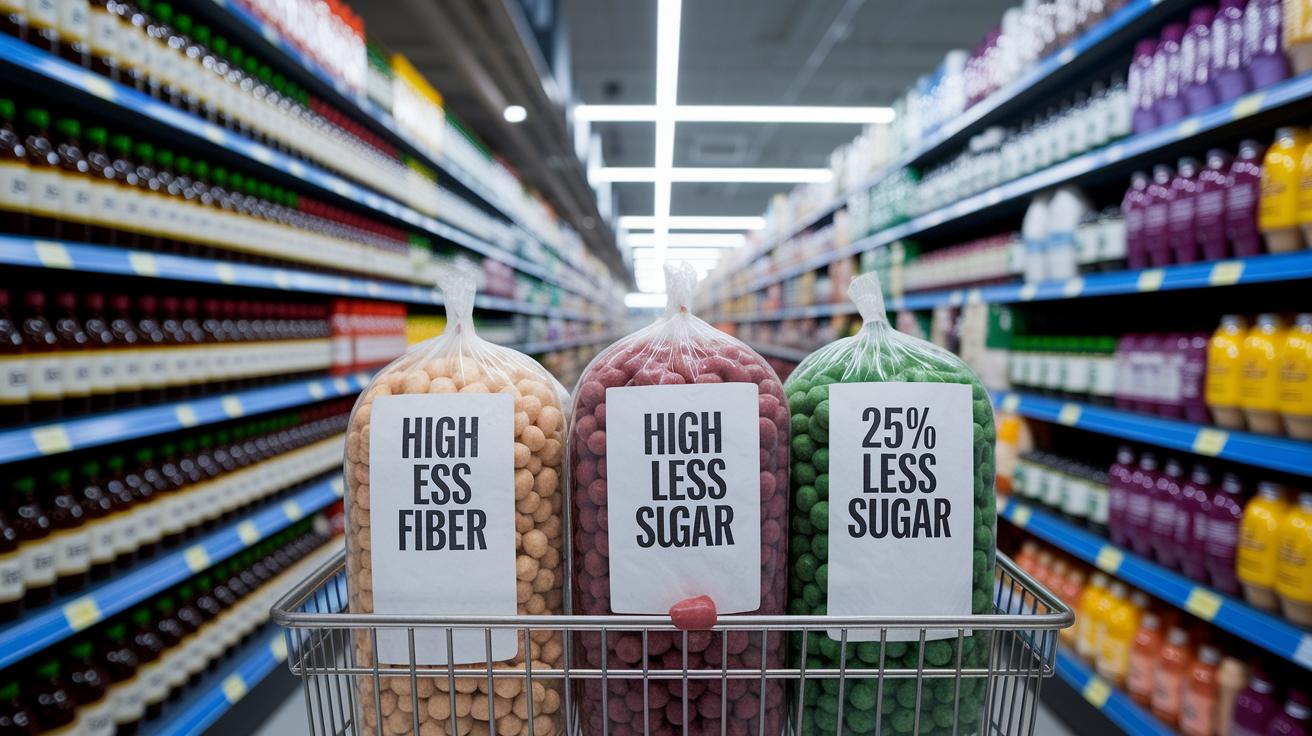
Food labels show two kinds of claims. One type tells you about the exact amount of a nutrient in the food while the other compares the food to similar products. This helps you quickly find items that meet your dietary needs. For instance, when you see “High fiber,” it means the food has a lot of fiber. And when you read “25% less sugar than leading brand,” it shows that the product has much less sugar compared to others.

Claim Type Example Regulation
High fiber “High fiber” 21 CFR 101.13
Low fat “Low fat” 21 CFR 101.62
Good source of vitamin C “Good source of vitamin C” 21 CFR 101.54
25% less sugar “25% less sugar than leading brand” 21 CFR 101.13
50 kcal fewer “50 kcal fewer per serving” 21 CFR 101.13

This setup shows how nutrient claims give clear, measured details about the food while comparative claims put these details into context. When you see labels like "Low fat" or "50 kcal fewer per serving," they follow the rules and help build trust by offering honest nutritional facts. This information is handy for shoppers who want to keep an eye on their diet and helps brands share the benefits of their products in a straightforward way.

Misleading Health Claims and Mislabeling Examples

Sometimes, food labels contain claims that don’t fully tell the truth. These misleading messages can force companies to change their packaging and even pay fines, which can really shake up consumer trust. When labels confuse buyers about a product’s true benefits, it can lead to serious repercussions for the brand.

For instance:

  • "All natural" may sound healthy, but it often offers no real scientific support.
  • Claims like "Supports weight loss" imply benefits that aren’t backed by solid research.
  • Labeling something that is naturally gluten free as "Gluten free" might make people think it has extra benefits.
  • Announcing a "miracle ingredient" can seem like an overblown promise without proper evidence.

Regulatory agencies keep a close eye on these claims. When a company gets caught, it can face both reputational damage and costly rebranding. This oversight reminds manufacturers that clear, honest information is key to maintaining trust with consumers.

Verifying Health Claim Examples Through Regulatory Framework

img-3.jpg

Regulatory bodies like the FDA make sure that food labels share accurate, trustworthy information. They require companies to follow clear rules before any health benefits can be advertised. For example, the rules in 21 CFR 101.14 help ensure that health and nutrient claims are backed by a scientific review, making the information reliable.

  1. Check that the claim has been submitted for FDA review and goes through the 120-day review period for structure and function claims as specified in 21 CFR 101.93.
  2. Make sure the claim fits the exact section of the regulations meant for health or nutrient content claims.
  3. Verify the scientific evidence supporting the claim. It should be based on what experts agree is sound science.
  4. Confirm that any claim not meeting these guidelines won’t trigger enforcement actions that could hurt the brand or lead to costly rebranding.

FDA Notification Procedure

Manufacturers follow a clear process when making a structure or function claim. They gather scientific data, put together a notification package, and submit all the required documents to the FDA. The agency then reviews everything over a 120-day period to ensure that the claim is accurate and not misleading.

CFR Guidance Overview

The Code of Federal Regulations offers essential guidance on health, nutrient content, and structure/function claims. For example, 21 CFR 101.14 sets the requirements for health claims. By following these guidelines, companies make sure that the information on their labels is based on solid science and complies with all regulatory standards.

Following these best practices not only leads to honest advertising but also builds trust with consumers. When brands stick to these rules, it shows their commitment to providing health benefits that are backed by real scientific evidence.

Final Words

in the action, this article examined key claim categories across food labels. We covered health claims, nutrient content statements, structure/function assertions, and general quality messages. Small sections detailed FDA approved wording and phrases that require disclaimers. We looked at nutrition comparisons and common missteps in labeling. A regulatory framework was also presented to verify information. With these health claims examples at your fingertips, you are better equipped to review statements and make informed, confident decisions about the health information you encounter.

FAQ

Q: What is a health claim and what are some examples?

A: The health claim describes a statement on a food label linking a product to a reduced risk of disease. Examples include claims like “Soy protein may reduce the risk of coronary heart disease.”

Q: What are nutrition, structure/function, and nutrient content claims examples?

A: Nutrition claims indicate levels like “high fiber,” structure/function claims describe how a nutrient supports the body (e.g., “supports bone health”), and nutrient content claims specify amounts of vitamins or fats.

Q: What is a qualified health claim?

A: A qualified health claim is based on emerging evidence that is not conclusive, requiring disclaimers. It typically begins with phrases like “Supportive but not conclusive research shows…” linking food intake to benefits.

Q: What are FDA health claims?

A: FDA health claims are statements approved by the Food and Drug Administration that link food products to reduced disease risk. They require rigorous scientific evidence and strict review before use on labels.

Q: What are some examples of false nutrition claims?

A: False nutrition claims include misleading statements such as “all natural” or vague weight-loss promises without proper scientific backing, which may mislead consumers about a product’s actual benefits.

Q: What is an example of a natural health claim?

A: A natural health claim might state that a product is “made with 100% natural ingredients,” implying inherent health benefits, though these statements often lack robust scientific validation.

Have you ever taken a moment to really look at your food label? It turns out that those little details can help you understand the benefits of what you’re eating, for example, how certain foods might lower your risk for conditions like high blood pressure (hypertension).

In this post, we explain different types of food claims. Some claims list exact ingredients, while others signal that the food supports normal body functions. Each claim is supported by strong research and plays a part in a bigger picture that helps you make smarter choices.

If you want to turn confusion into confidence when shopping for food, reading clear and trustworthy labels can really make a difference.

Health Claim Categories with Sample Statements

Food labels sometimes feature optional statements that hint at a product's good qualities. They help you understand the benefits, from lowering the risk of certain diseases to highlighting strong nutritional value. Health claims show a connection between the food and a reduced chance of a particular condition. For more details on what counts as a health benefit, see what is health. Claims about nutrient content focus on measurable ingredients like fiber, fats, or vitamins. For example, a label might say "high fiber" to show the product is rich in this beneficial nutrient.

Structure and function claims explain how a nutrient helps maintain normal body processes. One example is a statement like "supports bone health," which tells you about the nutrient's role without exaggerating. Meanwhile, general quality claims point out the product's natural features such as "made with 100% whole grains," indicating overall excellence.

Each claim type plays a unique role in sharing a product's story. Interestingly, before she was renowned, Marie Curie once carried test tubes of radioactive material in her pockets, unaware that they would pave the way for her groundbreaking discoveries. This mix of claims demonstrates how clear messaging can build both trust and confidence in what we consume.

Examples of FDA Approved Health Claims

img-1.jpg

Authorized health claims appear on food labels after the FDA checks that they come from strong scientific evidence. They tell us that a food can help lower the risk of certain health problems. The FDA reviews these claims carefully so that we can trust the benefits they promise.

  1. Diets low in sodium may reduce the risk of high blood pressure.
  2. Soluble fiber from oatmeal may reduce the risk of heart disease.
  3. Soy protein may reduce the risk of coronary heart disease.
  4. Plant sterols may reduce the risk of heart disease.

On December 19, 2024, the FDA introduced a final rule to define the word "healthy" on food labels. This update helps make claims more clear and builds trust by showing that these products meet solid scientific standards.

Qualified Health Claims Phrasing Examples

When a product is approved by the FDA, any health claim made must include a clear warning. This lets you know that the research is still new and not final. In other words, when a company links a food to a possible health benefit, it must say that the evidence is limited.

  • Research that is supportive but not conclusive shows that eating antioxidants might help lower the risk of certain cancers.
  • Limited scientific evidence suggests that drinking green tea could reduce the risk of heart disease (a condition that affects the heart and blood vessels).
  • Some scientific studies indicate that getting enough calcium might help lower the risk of colon cancer.

These examples follow strict rules from the FDA. The guidelines make sure that companies do not exaggerate the benefits of their products. Instead, they share science-backed information in a way that is honest and clear. This careful choice of words builds trust with you, helping you understand that the supporting research is still evolving.

Nutrient Content and Comparative Nutrition Claim Examples

img-2.jpg

Food labels show two kinds of claims. One type tells you about the exact amount of a nutrient in the food while the other compares the food to similar products. This helps you quickly find items that meet your dietary needs. For instance, when you see “High fiber,” it means the food has a lot of fiber. And when you read “25% less sugar than leading brand,” it shows that the product has much less sugar compared to others.

Claim Type Example Regulation
High fiber “High fiber” 21 CFR 101.13
Low fat “Low fat” 21 CFR 101.62
Good source of vitamin C “Good source of vitamin C” 21 CFR 101.54
25% less sugar “25% less sugar than leading brand” 21 CFR 101.13
50 kcal fewer “50 kcal fewer per serving” 21 CFR 101.13

This setup shows how nutrient claims give clear, measured details about the food while comparative claims put these details into context. When you see labels like "Low fat" or "50 kcal fewer per serving," they follow the rules and help build trust by offering honest nutritional facts. This information is handy for shoppers who want to keep an eye on their diet and helps brands share the benefits of their products in a straightforward way.

Misleading Health Claims and Mislabeling Examples

Sometimes, food labels contain claims that don’t fully tell the truth. These misleading messages can force companies to change their packaging and even pay fines, which can really shake up consumer trust. When labels confuse buyers about a product’s true benefits, it can lead to serious repercussions for the brand.

For instance:

  • "All natural" may sound healthy, but it often offers no real scientific support.
  • Claims like "Supports weight loss" imply benefits that aren’t backed by solid research.
  • Labeling something that is naturally gluten free as "Gluten free" might make people think it has extra benefits.
  • Announcing a "miracle ingredient" can seem like an overblown promise without proper evidence.

Regulatory agencies keep a close eye on these claims. When a company gets caught, it can face both reputational damage and costly rebranding. This oversight reminds manufacturers that clear, honest information is key to maintaining trust with consumers.

Verifying Health Claim Examples Through Regulatory Framework

img-3.jpg

Regulatory bodies like the FDA make sure that food labels share accurate, trustworthy information. They require companies to follow clear rules before any health benefits can be advertised. For example, the rules in 21 CFR 101.14 help ensure that health and nutrient claims are backed by a scientific review, making the information reliable.

  1. Check that the claim has been submitted for FDA review and goes through the 120-day review period for structure and function claims as specified in 21 CFR 101.93.
  2. Make sure the claim fits the exact section of the regulations meant for health or nutrient content claims.
  3. Verify the scientific evidence supporting the claim. It should be based on what experts agree is sound science.
  4. Confirm that any claim not meeting these guidelines won’t trigger enforcement actions that could hurt the brand or lead to costly rebranding.

FDA Notification Procedure

Manufacturers follow a clear process when making a structure or function claim. They gather scientific data, put together a notification package, and submit all the required documents to the FDA. The agency then reviews everything over a 120-day period to ensure that the claim is accurate and not misleading.

CFR Guidance Overview

The Code of Federal Regulations offers essential guidance on health, nutrient content, and structure/function claims. For example, 21 CFR 101.14 sets the requirements for health claims. By following these guidelines, companies make sure that the information on their labels is based on solid science and complies with all regulatory standards.

Following these best practices not only leads to honest advertising but also builds trust with consumers. When brands stick to these rules, it shows their commitment to providing health benefits that are backed by real scientific evidence.

Final Words

in the action, this article examined key claim categories across food labels. We covered health claims, nutrient content statements, structure/function assertions, and general quality messages. Small sections detailed FDA approved wording and phrases that require disclaimers. We looked at nutrition comparisons and common missteps in labeling. A regulatory framework was also presented to verify information. With these health claims examples at your fingertips, you are better equipped to review statements and make informed, confident decisions about the health information you encounter.

FAQ

Q: What is a health claim and what are some examples?

A: The health claim describes a statement on a food label linking a product to a reduced risk of disease. Examples include claims like “Soy protein may reduce the risk of coronary heart disease.”

Q: What are nutrition, structure/function, and nutrient content claims examples?

A: Nutrition claims indicate levels like “high fiber,” structure/function claims describe how a nutrient supports the body (e.g., “supports bone health”), and nutrient content claims specify amounts of vitamins or fats.

Q: What is a qualified health claim?

A: A qualified health claim is based on emerging evidence that is not conclusive, requiring disclaimers. It typically begins with phrases like “Supportive but not conclusive research shows…” linking food intake to benefits.

Q: What are FDA health claims?

A: FDA health claims are statements approved by the Food and Drug Administration that link food products to reduced disease risk. They require rigorous scientific evidence and strict review before use on labels.

Q: What are some examples of false nutrition claims?

A: False nutrition claims include misleading statements such as “all natural” or vague weight-loss promises without proper scientific backing, which may mislead consumers about a product’s actual benefits.

Q: What is an example of a natural health claim?

A: A natural health claim might state that a product is “made with 100% natural ingredients,” implying inherent health benefits, though these statements often lack robust scientific validation.

More from author

LEAVE A REPLY

Please enter your comment!
Please enter your name here

Related posts

Advertismentspot_img

Latest posts

How To Create A Daily Wellness Routine: Thriving

Curious about how to create a daily wellness routine that transforms your mornings and days? Read on as secrets await…

2 Daily Wellness Drink Tips For Radiance

Experience a daily wellness drink with natural herbs, green ingredients, and clinical backing that might change your routine forever, stay tuned.

Daily Wellness: Elevate Your Everyday Vitality

Daily wellness transforms everyday routines into mindful adjustments, merging nutrition, movement, and restorative sleep. What unforeseen practice awaits you next?

Want to stay up to date with the latest news?

We would love to hear from you! Please fill in your details and we will stay in touch. It's that simple!