Evidence-based Methods For Symptom Tracking Boost Wellness

Have you ever thought about keeping a daily health log might boost your well-being? Tracking your symptoms using trusted, science-based tools can give you a clear picture of your health. Writing about your daily experiences is a simple way to spot changes quickly, helping both you and your doctor adjust your care.

Using proven methods like a traditional diary or a digital tracker makes it easy to stay on top of your health. When you combine careful record-keeping with expert advice, you take charge of your care and learn more about your health journey. Isn't it amazing how small steps can lead to big improvements?

Evidence-Based Symptom Tracking: Methods & Key Concepts

Tracking symptoms in an evidence-based way is key because it lets patients take an active role in their care. When you note down your daily health events, you can adjust your care routine and share accurate information with your healthcare provider. This careful record not only helps create a treatment plan that fits your needs but also contributes valuable data that researchers rely on to measure health outcomes.

Clinicians use proven symptom assessment tools to understand overall well-being and watch how treatments are working. By combining what patients report with professional evaluations, doctors can quickly make decisions that improve care and strengthen support systems.

Core methods include traditional patient diaries, standardized scales like Likert (a scale that shows levels of agreement) or Visual Analog Scales (a line where you mark your symptom level), digital symptom trackers, and wearable devices. Digital trackers let you log medical events while gathering both words and numbers through features like branching logic, automatic calculations, and even image or video capture. Wearable gadgets provide ongoing insights by monitoring vital signs, sleep patterns, and activity levels. Together, these techniques offer a well-rounded approach that keeps symptom tracking practical, objective, and connected to your everyday life, supporting healthier, data-driven care.

Traditional Clinical Symptom Analysis and Reporting Techniques

img-1.jpg

Traditional clinical methods have been trusted for years to keep track of health symptoms. Doctors and nurses use clear, step-by-step techniques to piece together a patient’s unique story. For example, keeping a health diary or filling out a straightforward questionnaire helps capture everyday signs as well as unusual events that might otherwise go unnoticed.

In many clinics, open and relaxed talks between patients and nurses are highly valued. This friendly style, known as conversational assessment, helps uncover small symptoms that a standard checklist might miss. Nurses, especially those in cancer care, often mix this natural conversation with proven measurement tools to guide treatment choices and better manage symptoms.

Method
Paper health diaries
Structured questionnaires (like symptom checklists)
Standardized scales (such as numeric or visual ratings)
Conversational assessment interviews
Clinician-administered evaluations

Each method has its own benefits and challenges. Paper diaries are simple and easy to use, but they do need daily attention from the patient. Structured questionnaires keep responses consistent, yet they might miss some of the finer details of a person’s condition. Standardized scales give numerical ratings that can help track changes over time, although individual interpretations can vary. Meanwhile, conversational assessments let patients share more personal details, though they require a caring listener and plenty of time. Clinician-administered evaluations draw on professional expertise, but they depend on patients visiting healthcare facilities. Together, these tried-and-true techniques create a strong system that combines personal self-reporting with professional insights, ultimately leading to better, more informed care.

Digital Wellness Monitoring: Mobile Apps and Electronic Diaries

Mobile health platforms help you keep an eye on many symptoms easily. Apps like Bearable let you log common signs and even add your own unique symptoms. Their user-friendly design makes it a breeze to record daily health details and notice trends in your well-being.

These digital diaries come with solid features to support smooth tracking. They use strong data protection, whether your information is saved on your device or in secure cloud storage. Reminders and push notifications ensure you stick to your routine, while adjustable forms let you tailor the app to meet your specific health needs.

Real-time charts in these apps help connect daily tracking with professional care. Sharing your recorded information with your care team can improve discussions and lead to better treatment choices. This connection supports both your personal health and informed clinical care.

Feature Description
Security Strong measures to protect your sensitive health data
Reminders Timely push notifications that help you keep up with data entry
Customization Adjustable forms that capture your unique symptom profiles
Data Visualization Interactive charts that clearly show your health trends

When choosing an app backed by solid evidence, look for one that is easy to use and quick to set up. It should keep your health data secure and include smart features like automatic calculations and interactive displays. This mix not only helps you monitor your symptoms but also supports clear conversations with your healthcare providers.

Wearable Medical Devices and Sensor-Based Monitoring
img-2.jpg

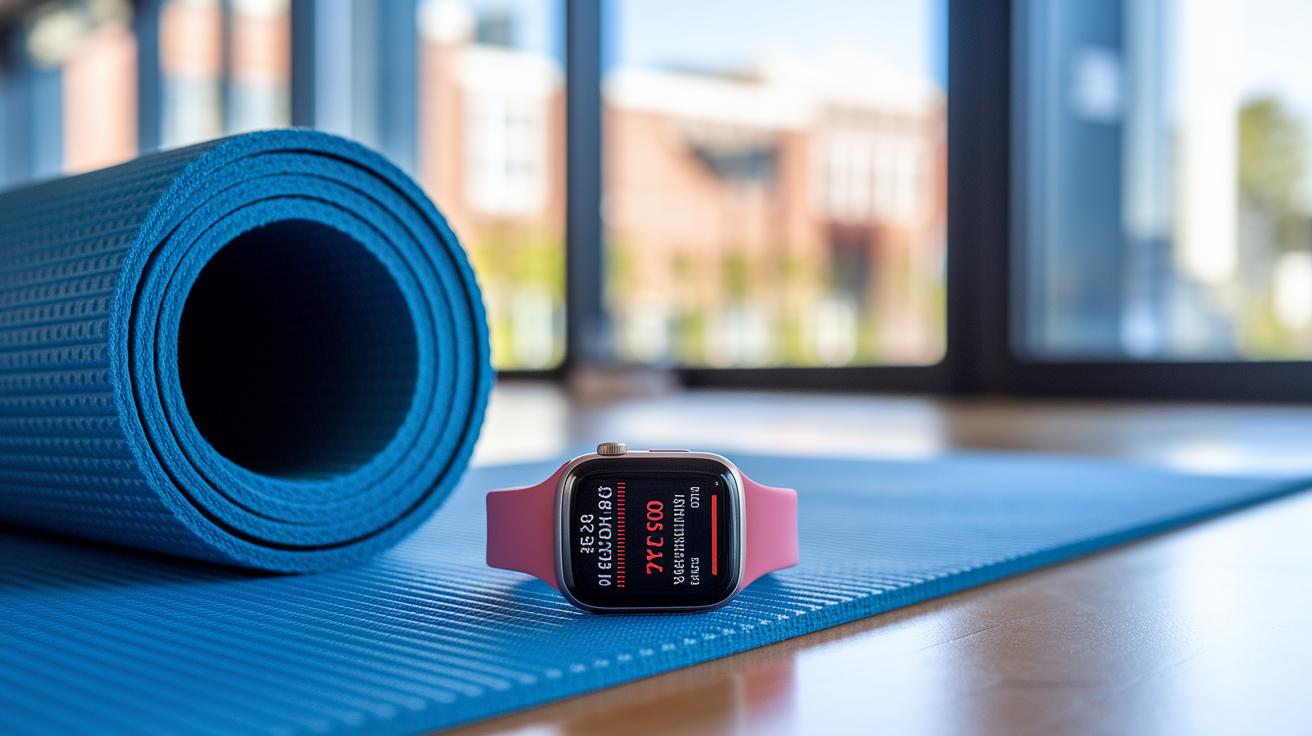
Wearable devices like smartwatches and fitness trackers let you check your health throughout the day. They record details such as heart rate, sleep quality, and daily activity over long periods. This continuous monitoring gives both you and your healthcare provider a clearer picture of how your health is changing over time. It’s like having a friendly nudge that reminds you to pay attention to your body’s signals, offering real-time insights that help guide decisions on self-care and treatment.

Many people love how these devices fit naturally into everyday life. Their small size and easy-to-use design let you keep track of important health data without disrupting your routine. Plus, these monitors play a key role in remote health tracking. Data is often shared with clinicians, making it easier to manage care from a distance. They act as reliable partners by collecting detailed records and providing instant feedback when quick action might be needed.

Device Type Monitored Parameter Typical Use Case
Smartwatch Heart rate, sleep quality General wellness tracking
Fitness Tracker Steps, calories burned Activity monitoring
Chest Strap Precise heart rate Exercise intensity monitoring
Patch Sensor Skin temperature, motion Continuous remote monitoring

Of course, keeping the data accurate can be a challenge. Sensor calibration and how the device is used are important factors. Sometimes the numbers might not tell the whole story, so regular device checks and using them consistently are key to tracking symptoms reliably.

Data-Driven Tracking Methods: Analytics and Verification

Analytics are key to making symptom tracking based on real evidence. Digital tools and everyday wearables gather data in real time, and algorithms (step-by-step computer instructions) turn that data into clear, actionable insights. These insights help us notice trends in symptom intensity, duration, and frequency, which can really enhance discussions between nurses and patients. For example, a tool like the ALMA scorecard shows how collected data supports smart public health choices and guides customized treatment plans. This approach makes it easier to monitor changes in health and ensures that the metrics we record match what the patient is actually experiencing.

Verification is equally important. We use processes like data cleaning and cross-checking to catch any mistakes or inconsistencies, ensuring every number and note is accurate and helpful.

When tracking data is merged with clinical records, it creates a clear link between everyday observations and professional evaluations. Imagine securely sharing your digital health journal or wearable device logs with your doctor, suddenly, the story behind your symptoms becomes much clearer. This blended data aids in making better diagnostic decisions and adjusting treatments when needed. It provides a comprehensive view of a patient’s condition over time, gracefully bridging personal reports and clinical measurements.

Tracked outcomes are far more than just numbers; they actively inform everyday adjustments in care. When doctors spot trends that suggest worsening symptoms or unusual changes, they can quickly update treatment plans. This responsive method ties daily health monitoring directly to precision care, ensuring a better overall approach to wellness.

Standardized Protocols and Best Practices in Symptom Tracking

img-3.jpg

Having clear and simple methods is key to tracking symptoms well. Customizable forms let you start tracking quickly without extra training, making daily reporting easy and consistent.

Adapting these tools for each patient can really help with managing long-term conditions. Research shows that keeping a steady record of symptoms helps guide better care and gives us useful insights into how treatments are working.

  • Use proven scales to get reliable results.
  • Look over your data regularly to notice any new patterns.
  • Train everyone to keep the entries consistent.
  • Set up feedback loops to keep improving the system.

Using these methods in both clinics and research means that evidence-based practices can be used widely. When everyone follows the same plan, it becomes easier to see important trends. This steady approach helps healthcare teams spot changes early, adjust care quickly, and improve overall patient wellness.

Final Words

In the action, we've explored ways to track symptoms with a mix of traditional techniques, digital apps, and wearable devices. We broke down how logs, standardized scales, and sensor data offer clear, measurable insights for self-care and clinical discussions.

The blog reviewed key science-backed tools and outlined protocols that work in real-life settings. Embracing evidence-based methods for symptom tracking empowers you to monitor your health with confidence and make smart, informed decisions every day.

FAQ

How do you keep track of symptoms?

Keeping track of symptoms means recording them either in a diary or using digital tools. Evidence-based trackers let you log, review, and share details, which supports self-care and communication with your healthcare provider.

What is the best app for tracking medical symptoms?

The best apps for tracking medical symptoms combine simplicity, secure data collection, and reminder functions. They offer customizable entry options and reliable analytics, helping you monitor your health consistently and share insights with your doctor.

What is a symptom trigger tracker?

A symptom trigger tracker records conditions or events that may spark your symptoms. By logging potential triggers along with symptoms, it provides a clearer picture of how lifestyle or environmental factors impact your overall well-being.

Is a symptom evidence of a disease?

A symptom indicates a change in your health but does not confirm a disease on its own. It serves as a prompt to seek further evaluation, ensuring you receive an accurate diagnosis and appropriate care.

Have you ever thought about keeping a daily health log might boost your well-being? Tracking your symptoms using trusted, science-based tools can give you a clear picture of your health. Writing about your daily experiences is a simple way to spot changes quickly, helping both you and your doctor adjust your care.

Using proven methods like a traditional diary or a digital tracker makes it easy to stay on top of your health. When you combine careful record-keeping with expert advice, you take charge of your care and learn more about your health journey. Isn't it amazing how small steps can lead to big improvements?

Evidence-Based Symptom Tracking: Methods & Key Concepts

Tracking symptoms in an evidence-based way is key because it lets patients take an active role in their care. When you note down your daily health events, you can adjust your care routine and share accurate information with your healthcare provider. This careful record not only helps create a treatment plan that fits your needs but also contributes valuable data that researchers rely on to measure health outcomes.

Clinicians use proven symptom assessment tools to understand overall well-being and watch how treatments are working. By combining what patients report with professional evaluations, doctors can quickly make decisions that improve care and strengthen support systems.

Core methods include traditional patient diaries, standardized scales like Likert (a scale that shows levels of agreement) or Visual Analog Scales (a line where you mark your symptom level), digital symptom trackers, and wearable devices. Digital trackers let you log medical events while gathering both words and numbers through features like branching logic, automatic calculations, and even image or video capture. Wearable gadgets provide ongoing insights by monitoring vital signs, sleep patterns, and activity levels. Together, these techniques offer a well-rounded approach that keeps symptom tracking practical, objective, and connected to your everyday life, supporting healthier, data-driven care.

Traditional Clinical Symptom Analysis and Reporting Techniques

img-1.jpg

Traditional clinical methods have been trusted for years to keep track of health symptoms. Doctors and nurses use clear, step-by-step techniques to piece together a patient’s unique story. For example, keeping a health diary or filling out a straightforward questionnaire helps capture everyday signs as well as unusual events that might otherwise go unnoticed.

In many clinics, open and relaxed talks between patients and nurses are highly valued. This friendly style, known as conversational assessment, helps uncover small symptoms that a standard checklist might miss. Nurses, especially those in cancer care, often mix this natural conversation with proven measurement tools to guide treatment choices and better manage symptoms.

Method
Paper health diaries
Structured questionnaires (like symptom checklists)
Standardized scales (such as numeric or visual ratings)
Conversational assessment interviews
Clinician-administered evaluations

Each method has its own benefits and challenges. Paper diaries are simple and easy to use, but they do need daily attention from the patient. Structured questionnaires keep responses consistent, yet they might miss some of the finer details of a person’s condition. Standardized scales give numerical ratings that can help track changes over time, although individual interpretations can vary. Meanwhile, conversational assessments let patients share more personal details, though they require a caring listener and plenty of time. Clinician-administered evaluations draw on professional expertise, but they depend on patients visiting healthcare facilities. Together, these tried-and-true techniques create a strong system that combines personal self-reporting with professional insights, ultimately leading to better, more informed care.

Digital Wellness Monitoring: Mobile Apps and Electronic Diaries

Mobile health platforms help you keep an eye on many symptoms easily. Apps like Bearable let you log common signs and even add your own unique symptoms. Their user-friendly design makes it a breeze to record daily health details and notice trends in your well-being.

These digital diaries come with solid features to support smooth tracking. They use strong data protection, whether your information is saved on your device or in secure cloud storage. Reminders and push notifications ensure you stick to your routine, while adjustable forms let you tailor the app to meet your specific health needs.

Real-time charts in these apps help connect daily tracking with professional care. Sharing your recorded information with your care team can improve discussions and lead to better treatment choices. This connection supports both your personal health and informed clinical care.

Feature Description
Security Strong measures to protect your sensitive health data
Reminders Timely push notifications that help you keep up with data entry
Customization Adjustable forms that capture your unique symptom profiles
Data Visualization Interactive charts that clearly show your health trends

When choosing an app backed by solid evidence, look for one that is easy to use and quick to set up. It should keep your health data secure and include smart features like automatic calculations and interactive displays. This mix not only helps you monitor your symptoms but also supports clear conversations with your healthcare providers.

Wearable Medical Devices and Sensor-Based Monitoring

img-2.jpg

Wearable devices like smartwatches and fitness trackers let you check your health throughout the day. They record details such as heart rate, sleep quality, and daily activity over long periods. This continuous monitoring gives both you and your healthcare provider a clearer picture of how your health is changing over time. It’s like having a friendly nudge that reminds you to pay attention to your body’s signals, offering real-time insights that help guide decisions on self-care and treatment.

Many people love how these devices fit naturally into everyday life. Their small size and easy-to-use design let you keep track of important health data without disrupting your routine. Plus, these monitors play a key role in remote health tracking. Data is often shared with clinicians, making it easier to manage care from a distance. They act as reliable partners by collecting detailed records and providing instant feedback when quick action might be needed.

Device Type Monitored Parameter Typical Use Case
Smartwatch Heart rate, sleep quality General wellness tracking
Fitness Tracker Steps, calories burned Activity monitoring
Chest Strap Precise heart rate Exercise intensity monitoring
Patch Sensor Skin temperature, motion Continuous remote monitoring

Of course, keeping the data accurate can be a challenge. Sensor calibration and how the device is used are important factors. Sometimes the numbers might not tell the whole story, so regular device checks and using them consistently are key to tracking symptoms reliably.

Data-Driven Tracking Methods: Analytics and Verification

Analytics are key to making symptom tracking based on real evidence. Digital tools and everyday wearables gather data in real time, and algorithms (step-by-step computer instructions) turn that data into clear, actionable insights. These insights help us notice trends in symptom intensity, duration, and frequency, which can really enhance discussions between nurses and patients. For example, a tool like the ALMA scorecard shows how collected data supports smart public health choices and guides customized treatment plans. This approach makes it easier to monitor changes in health and ensures that the metrics we record match what the patient is actually experiencing.

Verification is equally important. We use processes like data cleaning and cross-checking to catch any mistakes or inconsistencies, ensuring every number and note is accurate and helpful.

When tracking data is merged with clinical records, it creates a clear link between everyday observations and professional evaluations. Imagine securely sharing your digital health journal or wearable device logs with your doctor, suddenly, the story behind your symptoms becomes much clearer. This blended data aids in making better diagnostic decisions and adjusting treatments when needed. It provides a comprehensive view of a patient’s condition over time, gracefully bridging personal reports and clinical measurements.

Tracked outcomes are far more than just numbers; they actively inform everyday adjustments in care. When doctors spot trends that suggest worsening symptoms or unusual changes, they can quickly update treatment plans. This responsive method ties daily health monitoring directly to precision care, ensuring a better overall approach to wellness.

Standardized Protocols and Best Practices in Symptom Tracking

img-3.jpg

Having clear and simple methods is key to tracking symptoms well. Customizable forms let you start tracking quickly without extra training, making daily reporting easy and consistent.

Adapting these tools for each patient can really help with managing long-term conditions. Research shows that keeping a steady record of symptoms helps guide better care and gives us useful insights into how treatments are working.

  • Use proven scales to get reliable results.
  • Look over your data regularly to notice any new patterns.
  • Train everyone to keep the entries consistent.
  • Set up feedback loops to keep improving the system.

Using these methods in both clinics and research means that evidence-based practices can be used widely. When everyone follows the same plan, it becomes easier to see important trends. This steady approach helps healthcare teams spot changes early, adjust care quickly, and improve overall patient wellness.

Final Words

In the action, we've explored ways to track symptoms with a mix of traditional techniques, digital apps, and wearable devices. We broke down how logs, standardized scales, and sensor data offer clear, measurable insights for self-care and clinical discussions.

The blog reviewed key science-backed tools and outlined protocols that work in real-life settings. Embracing evidence-based methods for symptom tracking empowers you to monitor your health with confidence and make smart, informed decisions every day.

FAQ

How do you keep track of symptoms?

Keeping track of symptoms means recording them either in a diary or using digital tools. Evidence-based trackers let you log, review, and share details, which supports self-care and communication with your healthcare provider.

What is the best app for tracking medical symptoms?

The best apps for tracking medical symptoms combine simplicity, secure data collection, and reminder functions. They offer customizable entry options and reliable analytics, helping you monitor your health consistently and share insights with your doctor.

What is a symptom trigger tracker?

A symptom trigger tracker records conditions or events that may spark your symptoms. By logging potential triggers along with symptoms, it provides a clearer picture of how lifestyle or environmental factors impact your overall well-being.

Is a symptom evidence of a disease?

A symptom indicates a change in your health but does not confirm a disease on its own. It serves as a prompt to seek further evaluation, ensuring you receive an accurate diagnosis and appropriate care.

More from author

LEAVE A REPLY

Please enter your comment!
Please enter your name here

Related posts

Advertismentspot_img

Latest posts

How To Create A Daily Wellness Routine: Thriving

Curious about how to create a daily wellness routine that transforms your mornings and days? Read on as secrets await…

2 Daily Wellness Drink Tips For Radiance

Experience a daily wellness drink with natural herbs, green ingredients, and clinical backing that might change your routine forever, stay tuned.

Daily Wellness: Elevate Your Everyday Vitality

Daily wellness transforms everyday routines into mindful adjustments, merging nutrition, movement, and restorative sleep. What unforeseen practice awaits you next?

Want to stay up to date with the latest news?

We would love to hear from you! Please fill in your details and we will stay in touch. It's that simple!