Ever thought a few simple exercises could help you feel more confident and steady? Balance therapy is a set of targeted routines designed to improve your stability and lower your risk of falls. Nearly 80% of people over 70 face balance challenges, so these exercises are important for keeping your independence and safe movement.
These tailored movements help fine-tune your coordination and improve your posture. They work much like creating a strong foundation, letting you move with more assurance every day. Curious how these exercises can make a difference in your life? Let's take a closer look at the proven methods behind balance therapy and find out how you can move more securely and confidently.
Balance Therapy Sparks Stability and Confidence
Balance therapy is a focused way to help you feel steadier and more sure-footed. It uses specific exercises that sharpen your reaction times and lower the chance of falls. This therapy is all about keeping your body balanced when you move and when you stand still. It’s especially helpful if you have inner ear problems that make staying upright challenging. Experts begin with simple tests of your physical skills to choose the exact exercises that will meet your unique balance needs.
• Better stability
• Fewer falls
• Improved coordination
• Relief from inner ear symptoms
• Stronger posture control
This approach mixes several proven methods. Gait training, for example, helps smooth out your walking pattern and builds confidence when you move. Fall prevention strategies teach you safe reactions for sudden shifts, reducing injury risks. Meanwhile, vestibular rehabilitation works by gently correcting inner ear issues with head-movement routines and balance exercises. With almost 80% of people over 70 dealing with balance problems and falls being a common cause of injury for anyone over 65, balance therapy is a key tool. It helps restore equilibrium and boost overall stability, giving you the confidence to stay independent and active.
Physical Exercise Components of Balance Therapy

Balance therapy uses exercises that help you stay steady and move with confidence. These workouts focus on improving your posture, coordination, and core strength, all while helping to lower your risk of falls. By mixing different routines, you gain better control over everyday movements. Here, we break down three main exercise groups that build a solid balance training routine.
Postural Corrective Exercises
These exercises work on improving your stance through specific balance holds. One common technique is to stand on one leg while using a chair or bar for support. This move challenges your body to work hard to stay balanced, engaging muscles in your core and legs. Over time, practicing this way helps keep your body aligned and reduces any tendency to lean during your movements.
Dynamic Coordination Workouts
Dynamic coordination workouts involve fun, movement-based challenges that boost your reaction time and coordination. For example, lateral stepping drills require you to step to the side while holding onto a stable object. These workouts may include cone drills and lunges in various directions, movements that mimic your daily activities. This training helps your brain and muscles quickly work together, so you’re ready for any sudden shifts in balance.
Equilibrium Board Workouts
Equilibrium board workouts use a wobble board to strengthen your core and legs. You might start with short sessions, like 30 seconds, and gradually build up to a minute as your control improves. The wobble board forces you to make small adjustments constantly, which builds muscle and enhances stability. Not only does this exercise boost your physical strength, but it also builds confidence in keeping steady during routine tasks.
Vestibular Rehabilitation Programs in Balance Therapy
Vestibular rehabilitation is a special kind of balance therapy that targets inner ear problems. These issues can make you feel dizzy or unsteady. With a tailored set of exercises, this approach helps retrain your brain and inner ear to handle sensory information better. Over time, your body learns to rely on these improved signals so you can feel steadier.
VRT Techniques
Gaze stabilization exercises are a key part of these programs. For example, you might fix your eyes on a still spot while gently moving your head from side to side. This exercise helps your brain stay focused during movement and makes sudden shifts feel less jarring. In addition, head-movement exercises slowly introduce different head motions. By gradually increasing your tolerance to movement, these routines make everyday activities feel less overwhelming.
Vestibular System Conditioning
Another important component is conditioning your vestibular system. Exercises like balance-board head turns help your body adjust to various speeds and directions. They work by training your inner ear to better understand motion. You may also be encouraged to use other senses, like sight and touch, to help keep your balance when your inner ear is having a tough time. Together, these exercises boost your body’s sensorimotor control, so your balance steadily improves even when inner ear challenges continue.
Complementary Techniques for Enhancing Balance Therapy
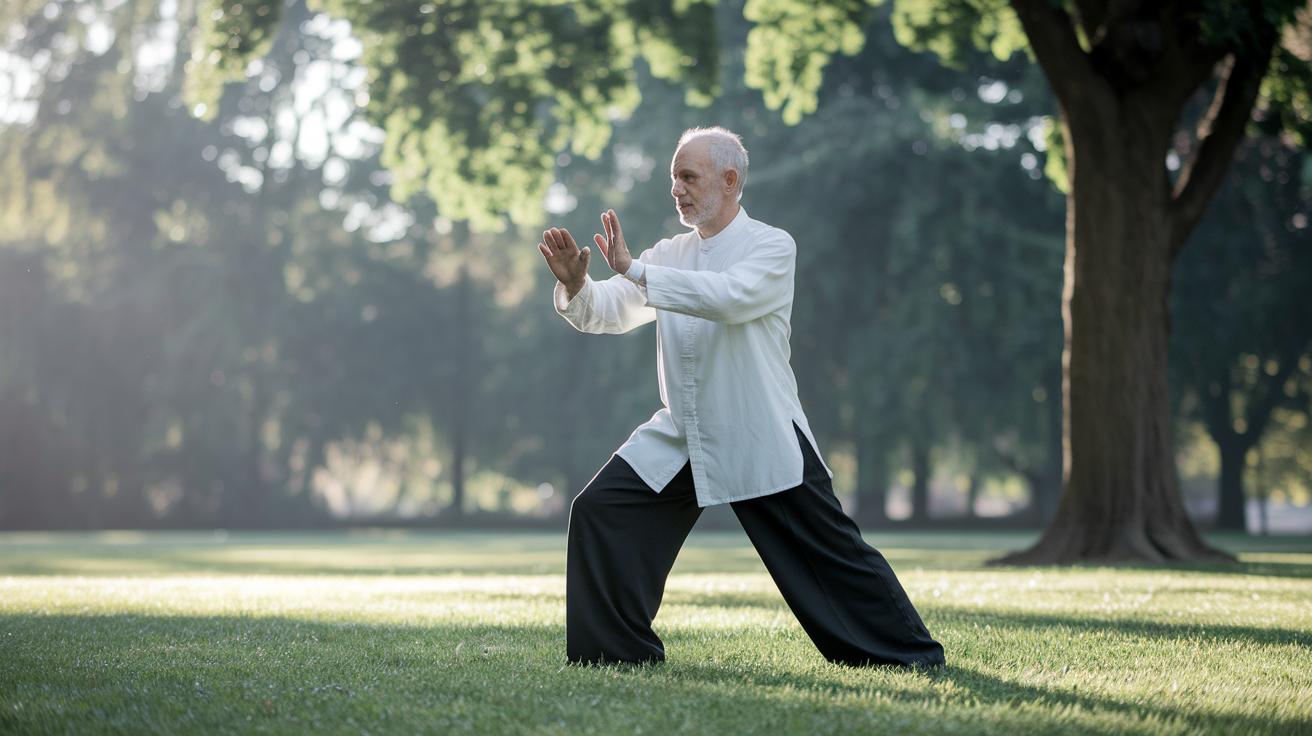
Mind-body exercises and movement-based practices give your balance therapy a helpful boost by working on both your body and mind. They encourage gentle, coordinated movements while you stay aware of your posture and motion. This approach helps relax tight muscles and strengthens your natural balance. It also eases worries about moving, making it easier to build steadier, more confident coordination. These techniques are a great way to improve your sense of body position and enjoy a whole-body approach to wellness.
Tai chi, yoga, aquatic therapy, and Pilates are great examples of these supportive methods. Tai chi focuses on slow, controlled movements that build coordination with each deliberate step, much like a smooth martial art routine. Yoga combines deep breathing with various poses to boost strength and flexibility while tuning into your body’s signals. Aquatic therapy uses water’s natural support to make moving easier and reduce joint stress. Pilates, on the other hand, targets core strength and posture to help refine muscle balance. Each of these practices brings its unique benefits, helping you move with greater ease and confidence.
Adaptations of Balance Therapy for Specific Populations
Older adults often struggle with balance, which makes them more likely to fall. If someone has had a fall in the past year, uses a cane or walker, or feels unsteady while standing, they might really benefit from a personalized balance therapy program. Short steps and occasional lightheadedness, especially when certain medications are involved, are clear signs that balance therapy can lower the risk of falls and help improve mobility.
People dealing with conditions that affect the brain or muscles, like stroke, Parkinson’s disease (a condition affecting movement), or multiple sclerosis (a disease impacting nerve signals), often face serious balance challenges. For them, balance therapy uses simple, focused exercises to improve the way they walk and coordinate their muscles. Even individuals who have lost a limb or are experiencing some cognitive changes can find relief with a balance plan that meets their unique needs, helping them feel steadier when they move.
Athletes can also gain a lot from specially designed balance programs. These exercises focus on stabilizing performance and preventing injuries by boosting walking function and muscle coordination. This approach not only improves on-field performance but also speeds up recovery after injuries, making it easier to get back into the game.
Designing a Personalized Balance Therapy Program

When making your own balance therapy plan, start by focusing on what matters most for you. First, get a full assessment that looks at any falls in your past, current challenges with moving, and possible side effects from medications. This helps you see which areas need work and sets you up to make clear, real goals. By talking with a physical therapist or health care provider, you'll discover which balance issues need special attention. This first step is key to creating a plan that fits your daily life and any tools or devices you use.
Once you've set your goals, it's time to map out the actions that will help you improve. The table below shows the main steps for a customized fall risk reduction program. Each step includes parts like balance training, strength exercises, core posture work, and home-based rehab routines to boost your overall stability:
| Step | Action | Frequency |
|---|---|---|
| Evaluation | Review fall history, assess balance, and set personalized goals | Initial assessment |
| Exercise Selection | Choose postural, dynamic, and vestibular exercises that match your needs | As advised by your therapist |
| Scheduling | Plan regular sessions with varied workouts | 3×/week |
| Progress Review | Monitor improvements and adjust your plan as needed | Monthly check-ups |
Evidence and Outcomes in Balance Therapy Research
New studies show that falling is a major danger for older adults. For those aged 65 and over, falls are the most common cause of injury. In fact, nearly 80% of people over 70 struggle with keeping their balance. CDC data backs this up and points to a clear need for programs that improve coordination and balance. Research tells us that balance therapy can significantly reduce falls while boosting overall stability. Many studies find that older adults and other patient groups experience fewer falls and better balance after doing focused rehabilitation exercises and inner ear (vestibular) workouts.
Clinical trials reveal that even small improvements in how well our senses and muscles work together can have a big impact on stability. People who follow structured training programs, combining fall prevention techniques with balance and sensorimotor exercises, often show clear improvements over time. These results provide strong evidence that balance therapy can help keep you safe and make everyday activities easier, supporting a more independent life.
Final Words
In the action of exploring balance therapy, readers learned how specific exercises, movement strategies, and complementary techniques work together to boost stability and lower fall risk. The post covered physical routines, vestibular methods, and adaptations for different groups. It also guided you through creating a personal plan while citing evidence that supports these methods. The insights shared remind us that balance therapy can be a practical tool for improved coordination and daily well-being. Keep moving forward with confidence and adopt these strategies for a sturdier, healthier tomorrow.
FAQ
What is balance therapy and how does it help with vertigo and vestibular issues?
Balance therapy is a structured program using targeted exercises to improve stability, reduce vertigo symptoms, and support vestibular function by retraining the inner ear and related systems.
What exercises are included in balance therapy and vestibular rehabilitation?
Balance therapy incorporates exercises like single-leg stances, lateral stepping, wobble board routines, and gaze stabilization drills that aim to strengthen core muscles, improve coordination, and enhance overall stability.
How can I find balance therapy near me, such as in Salinas, CA?
The search for local balance therapy services typically involves checking community health centers, rehabilitation clinics, or specialized programs in your area, including Salinas, CA, to access a program that fits your needs.
What is the best treatment for balance problems?
The best treatment for balance issues combines targeted exercise strategies with vestibular rehabilitation and personalized therapy plans that safely improve stability and reduce the risk of falls.
How long does balance therapy take to work?
Balance therapy generally shows noticeable improvements within several weeks, though progress depends on individual conditions, the consistency of the exercises, and adherence to a tailored therapy plan.
What neurological conditions can lead to balance problems?
Neurological issues such as stroke, Parkinson’s disease, multiple sclerosis, and inner ear dysfunction can lead to balance problems by disrupting the brain’s ability to coordinate movement and maintain equilibrium.
How do I get my equilibrium back in balance?
Restoring equilibrium involves regularly engaging in balance exercises, practicing vestibular rehabilitation drills, and following a targeted therapy plan that builds core stability and enhances sensory integration.