Examples Of Translational Research: Practical Cases Spark Curiosity

Ever wondered how a breakthrough in the lab turns into a treatment that truly saves lives? Translational research works like a bridge, linking detailed experiments with real patient care. It takes clever ideas, ones that might have started as an interesting experiment, and turns them into practical therapies that help people every day.

In this blog, we'll share real-life stories that show exactly how science steps off the lab bench and into the bedside, completely transforming the way we approach healthcare. Get ready to explore how a spark of research can ignite a whole new world of healing.

Translational Research Fundamentals and Key Examples

Medical research is like a journey with three distinct stops. First, there’s basic research, which digs into the tiny details of how our bodies work, sort of like exploring the ingredients of a favorite recipe. Then comes clinical research, where new treatments get tested with real patients to ensure they’re safe and truly helpful. Finally, translational research takes those exciting lab discoveries and turns them into practical treatments that make a difference in people’s lives.

Think of translational research as the bridge that connects detailed experiments with everyday care. It links the hard work of scientists with the immediate needs of patients, turning ideas from the lab into life-changing therapies. By drawing on the strengths of both basic and clinical research, this process speeds up the journey from breakthrough to bedside.

In the near future, we’ll explore case studies that show these bench-to-bedside moments in action. We’ll highlight real examples where innovative research led to treatments that effectively tackled chronic diseases and reshaped patient care. Imagine a time when early imaging techniques were so simple compared to today’s modern tools, a small step that eventually opened the door to precise and reliable diagnostics.

Antibiotic Development as a Preclinical-to-Clinical Success

img-1.jpg

Back in 1928, Alexander Fleming made an accidental discovery when he noticed that mold had stopped bacteria from growing nearby. This unexpected finding led to the birth of penicillin. It wasn’t until the late 1930s, though, that Florey and Chain managed to refine and purify the substance, turning a laboratory oddity into a hopeful treatment. Imagine the excitement when researchers first saw a clear substance emerging from a messy mix, it was a hint of great things to come.

In 1939, early lab experiments proved penicillin could work against a range of bacteria in controlled settings. Scientists ran thorough tests to check its effectiveness, and by 1941, animal studies had shown that it was both safe and promising. The success in these early tests was largely because microbiologists, pharmacologists, and clinicians joined forces. This teamwork gave everyone practical insights, which justified moving on to patient trials.

Between 1941 and 1945, clinical trials made it clear that penicillin could truly save lives, drastically cutting down deaths from infections. These trials acted as a crucial bridge, taking the promise from the lab and turning it into real-world results. They confirmed penicillin’s powerful potential and set the stage for it to become a standard treatment, showing that careful, systematic testing is essential when introducing new medical treatments.

Insulin Translation: From Pancreatic Extracts to Life-Saving Therapy

Back in 1921, Banting and Best achieved something truly remarkable: they isolated insulin from pancreatic extracts. After meticulous lab work, they quickly moved on to testing in dogs to see if insulin could lower blood sugar. This early research was a crucial step toward transforming an experimental idea into a treatment that could help real people.

By January 1922, the journey had taken another huge leap. A diabetic patient received the first-ever human insulin injection, and the results were immediate, blood sugar levels dropped right away. Can you imagine the relief and excitement in that moment? It wasn’t just a lab experiment anymore; it was a breakthrough that promised a new era in diabetes care.

Soon after, doctors and regulators adjusted their protocols to allow wider, safer use of insulin. This quick transition from a research discovery to a standard treatment perfectly illustrates how advances in science can rapidly change lives.

Anesthesia Breakthroughs: Applying Biomedical Innovations to Surgery
img-2.jpg

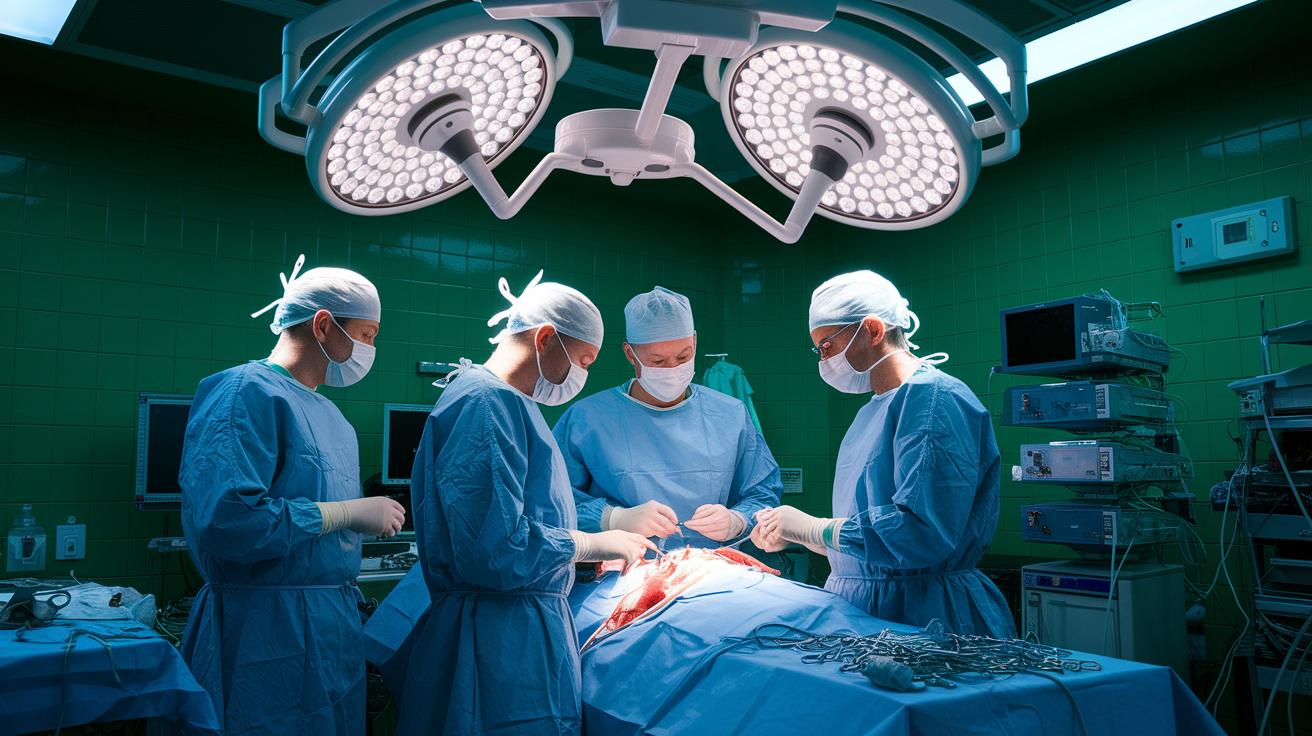
Back in October 1846, William T.G. Morton amazed everyone with a public demonstration of ether at Massachusetts General Hospital. He built on early lab work that showed chemical compounds could ease pain, and he boldly applied those ideas in a live surgical setting. Picture a busy operating room where pain simply wasn’t part of the picture anymore. His work turned lab discoveries into a fresh way to care for patients during surgery.

The results were eye-opening. Surgeons saw firsthand that patients under ether could handle even complicated procedures without feeling pain. This breakthrough quickly changed how people thought about what was possible in surgery. By the early 1850s, hospitals across North America and Europe had begun using this new technique, turning research into real care that was both safe and effective.

This innovation completely changed surgical practices. With anesthesia, operations became less traumatic, allowing doctors to work more precisely and patients to recover faster. Over time, standard procedures were updated to include this powerful tool, forever altering the landscape of surgery. Morton's demonstration remains a vivid example of how one brilliant idea can bring science to life and truly change lives.

Cardiopulmonary Bypass: Integrating Engineering and Clinical Practice

Back in the early 1950s, John Gibbon began a journey that would forever change heart surgery. He embarked on his work with what we now call the heart-lung machine. In 1951, his vision was put to the test through animal experiments designed to see if a machine could safely take over the work of both the heart and lungs during complex operations. These early trials provided essential insights into how blood flows, how the machine worked, and most importantly, how to keep patients safe. It was a fascinating mix of engineering and medical discovery that showed how a creative idea could leap from the lab to help real people.

Then, on May 6, 1953, an incredible breakthrough happened. The first successful human open-heart surgery using cardiopulmonary bypass demonstrated that these lab-tested techniques could truly work in a clinical setting. Over the next two years, from 1953 to 1955, doctors fine-tuned these methods and standardized the procedures, turning a pioneering innovation into a safe and routine part of surgery. Today, modern digital health technologies continue this tradition, blending smart engineering ideas with hands-on medical care to tackle everyday healthcare challenges.

Year Milestone
1951 First successful animal bypass
1953 First human bypass surgery
1955 Protocol standardization for clinical use

Post-COVID Collaborative Models: Emerging Examples of Translational Research
img-3.jpg

In February 2025, a UK think tank launched a cross-border research network that brought together scientists from different regions to tackle COVID-19 challenges. Their mission was simple: mix insights from various fields, turn lab breakthroughs into real treatments, and speed up innovative discoveries. This collaboration was all about shared goals and an international spirit, ensuring that new findings reached patients quickly.

At the heart of the project were hands-on studies that crossed traditional boundaries. Experts in immunology (the study of how our bodies fight illness) and virology (the study of viruses) joined forces to create flexible trial models that could test fresh treatment ideas in record time. These studies acted like real-world experiments, new lab techniques were put to the test in dynamic clinical settings. For instance, one trial evaluated an innovative immune-focused approach in controlled environments before it was rolled out more broadly, sparking both curiosity and confidence among the teams.

The results were impressive, making a real difference in patient care and setting the stage for future projects. Collaborations between academic researchers and industry players meant that emergency protocols could be put into action just months after a lab discovery. This quick shift from research to treatment helped cut delays and ensured that critical care options were available exactly when they were needed. In short, these trials not only improved current health outcomes but also laid a strong foundation for future efforts to keep lab breakthroughs closely connected to everyday clinical care.

Final Words

In the action, our discussion showcased how breakthroughs transition from basic discoveries to real-world care. We explored antibiotic research, insulin development, anesthesia innovations, and cardiopulmonary bypass procedures.

Each case emphasizes translational research at work, bringing lab ideas to patient care. Emerging models post-COVID further prove that solid research and partnership can lead to meaningful, everyday wellness improvements. Embrace these research examples as clear signs of progress and hope.

FAQ

What does translational research in nursing entail?

The translational research in nursing means applying lab breakthroughs to improve nursing care. It bridges basic science and clinical practice, turning findings into actionable patient interventions.

How does translational research differ from basic, clinical, and applied research?

The translational research translates lab discoveries into patient care. Basic research explores fundamental mechanisms; clinical research tests treatments on patients; and applied research implements scientific findings in practical settings.

What are prominent examples and stages of translational research?

The translational research examples include antibiotic development, insulin therapy, and anesthesia breakthroughs. Its stages typically cover lab discovery, proof-of-concept studies, preclinical trials, and iterative clinical adaptations.

Ever wondered how a breakthrough in the lab turns into a treatment that truly saves lives? Translational research works like a bridge, linking detailed experiments with real patient care. It takes clever ideas, ones that might have started as an interesting experiment, and turns them into practical therapies that help people every day.

In this blog, we'll share real-life stories that show exactly how science steps off the lab bench and into the bedside, completely transforming the way we approach healthcare. Get ready to explore how a spark of research can ignite a whole new world of healing.

Translational Research Fundamentals and Key Examples

Medical research is like a journey with three distinct stops. First, there’s basic research, which digs into the tiny details of how our bodies work, sort of like exploring the ingredients of a favorite recipe. Then comes clinical research, where new treatments get tested with real patients to ensure they’re safe and truly helpful. Finally, translational research takes those exciting lab discoveries and turns them into practical treatments that make a difference in people’s lives.

Think of translational research as the bridge that connects detailed experiments with everyday care. It links the hard work of scientists with the immediate needs of patients, turning ideas from the lab into life-changing therapies. By drawing on the strengths of both basic and clinical research, this process speeds up the journey from breakthrough to bedside.

In the near future, we’ll explore case studies that show these bench-to-bedside moments in action. We’ll highlight real examples where innovative research led to treatments that effectively tackled chronic diseases and reshaped patient care. Imagine a time when early imaging techniques were so simple compared to today’s modern tools, a small step that eventually opened the door to precise and reliable diagnostics.

Antibiotic Development as a Preclinical-to-Clinical Success

img-1.jpg

Back in 1928, Alexander Fleming made an accidental discovery when he noticed that mold had stopped bacteria from growing nearby. This unexpected finding led to the birth of penicillin. It wasn’t until the late 1930s, though, that Florey and Chain managed to refine and purify the substance, turning a laboratory oddity into a hopeful treatment. Imagine the excitement when researchers first saw a clear substance emerging from a messy mix, it was a hint of great things to come.

In 1939, early lab experiments proved penicillin could work against a range of bacteria in controlled settings. Scientists ran thorough tests to check its effectiveness, and by 1941, animal studies had shown that it was both safe and promising. The success in these early tests was largely because microbiologists, pharmacologists, and clinicians joined forces. This teamwork gave everyone practical insights, which justified moving on to patient trials.

Between 1941 and 1945, clinical trials made it clear that penicillin could truly save lives, drastically cutting down deaths from infections. These trials acted as a crucial bridge, taking the promise from the lab and turning it into real-world results. They confirmed penicillin’s powerful potential and set the stage for it to become a standard treatment, showing that careful, systematic testing is essential when introducing new medical treatments.

Insulin Translation: From Pancreatic Extracts to Life-Saving Therapy

Back in 1921, Banting and Best achieved something truly remarkable: they isolated insulin from pancreatic extracts. After meticulous lab work, they quickly moved on to testing in dogs to see if insulin could lower blood sugar. This early research was a crucial step toward transforming an experimental idea into a treatment that could help real people.

By January 1922, the journey had taken another huge leap. A diabetic patient received the first-ever human insulin injection, and the results were immediate, blood sugar levels dropped right away. Can you imagine the relief and excitement in that moment? It wasn’t just a lab experiment anymore; it was a breakthrough that promised a new era in diabetes care.

Soon after, doctors and regulators adjusted their protocols to allow wider, safer use of insulin. This quick transition from a research discovery to a standard treatment perfectly illustrates how advances in science can rapidly change lives.

Anesthesia Breakthroughs: Applying Biomedical Innovations to Surgery

img-2.jpg

Back in October 1846, William T.G. Morton amazed everyone with a public demonstration of ether at Massachusetts General Hospital. He built on early lab work that showed chemical compounds could ease pain, and he boldly applied those ideas in a live surgical setting. Picture a busy operating room where pain simply wasn’t part of the picture anymore. His work turned lab discoveries into a fresh way to care for patients during surgery.

The results were eye-opening. Surgeons saw firsthand that patients under ether could handle even complicated procedures without feeling pain. This breakthrough quickly changed how people thought about what was possible in surgery. By the early 1850s, hospitals across North America and Europe had begun using this new technique, turning research into real care that was both safe and effective.

This innovation completely changed surgical practices. With anesthesia, operations became less traumatic, allowing doctors to work more precisely and patients to recover faster. Over time, standard procedures were updated to include this powerful tool, forever altering the landscape of surgery. Morton's demonstration remains a vivid example of how one brilliant idea can bring science to life and truly change lives.

Cardiopulmonary Bypass: Integrating Engineering and Clinical Practice

Back in the early 1950s, John Gibbon began a journey that would forever change heart surgery. He embarked on his work with what we now call the heart-lung machine. In 1951, his vision was put to the test through animal experiments designed to see if a machine could safely take over the work of both the heart and lungs during complex operations. These early trials provided essential insights into how blood flows, how the machine worked, and most importantly, how to keep patients safe. It was a fascinating mix of engineering and medical discovery that showed how a creative idea could leap from the lab to help real people.

Then, on May 6, 1953, an incredible breakthrough happened. The first successful human open-heart surgery using cardiopulmonary bypass demonstrated that these lab-tested techniques could truly work in a clinical setting. Over the next two years, from 1953 to 1955, doctors fine-tuned these methods and standardized the procedures, turning a pioneering innovation into a safe and routine part of surgery. Today, modern digital health technologies continue this tradition, blending smart engineering ideas with hands-on medical care to tackle everyday healthcare challenges.

Year Milestone
1951 First successful animal bypass
1953 First human bypass surgery
1955 Protocol standardization for clinical use

Post-COVID Collaborative Models: Emerging Examples of Translational Research

img-3.jpg

In February 2025, a UK think tank launched a cross-border research network that brought together scientists from different regions to tackle COVID-19 challenges. Their mission was simple: mix insights from various fields, turn lab breakthroughs into real treatments, and speed up innovative discoveries. This collaboration was all about shared goals and an international spirit, ensuring that new findings reached patients quickly.

At the heart of the project were hands-on studies that crossed traditional boundaries. Experts in immunology (the study of how our bodies fight illness) and virology (the study of viruses) joined forces to create flexible trial models that could test fresh treatment ideas in record time. These studies acted like real-world experiments, new lab techniques were put to the test in dynamic clinical settings. For instance, one trial evaluated an innovative immune-focused approach in controlled environments before it was rolled out more broadly, sparking both curiosity and confidence among the teams.

The results were impressive, making a real difference in patient care and setting the stage for future projects. Collaborations between academic researchers and industry players meant that emergency protocols could be put into action just months after a lab discovery. This quick shift from research to treatment helped cut delays and ensured that critical care options were available exactly when they were needed. In short, these trials not only improved current health outcomes but also laid a strong foundation for future efforts to keep lab breakthroughs closely connected to everyday clinical care.

Final Words

In the action, our discussion showcased how breakthroughs transition from basic discoveries to real-world care. We explored antibiotic research, insulin development, anesthesia innovations, and cardiopulmonary bypass procedures.

Each case emphasizes translational research at work, bringing lab ideas to patient care. Emerging models post-COVID further prove that solid research and partnership can lead to meaningful, everyday wellness improvements. Embrace these research examples as clear signs of progress and hope.

FAQ

What does translational research in nursing entail?

The translational research in nursing means applying lab breakthroughs to improve nursing care. It bridges basic science and clinical practice, turning findings into actionable patient interventions.

How does translational research differ from basic, clinical, and applied research?

The translational research translates lab discoveries into patient care. Basic research explores fundamental mechanisms; clinical research tests treatments on patients; and applied research implements scientific findings in practical settings.

What are prominent examples and stages of translational research?

The translational research examples include antibiotic development, insulin therapy, and anesthesia breakthroughs. Its stages typically cover lab discovery, proof-of-concept studies, preclinical trials, and iterative clinical adaptations.

More from author

LEAVE A REPLY

Please enter your comment!
Please enter your name here

Related posts

Advertismentspot_img

Latest posts

How To Create A Daily Wellness Routine: Thriving

Curious about how to create a daily wellness routine that transforms your mornings and days? Read on as secrets await…

2 Daily Wellness Drink Tips For Radiance

Experience a daily wellness drink with natural herbs, green ingredients, and clinical backing that might change your routine forever, stay tuned.

Daily Wellness: Elevate Your Everyday Vitality

Daily wellness transforms everyday routines into mindful adjustments, merging nutrition, movement, and restorative sleep. What unforeseen practice awaits you next?

Want to stay up to date with the latest news?

We would love to hear from you! Please fill in your details and we will stay in touch. It's that simple!