Have you ever wondered if the right treatment can really help in the battle against malignant melanoma (a serious form of skin cancer)? Many feel this disease leaves little room for hope. But breakthroughs in immunotherapy (using your body’s own defenses), surgery, and clinical trials are changing that view.
Today’s care goes far beyond simply removing a tumor. Doctors now offer treatment plans that match both the disease’s stage and your personal needs. In this post, we take a closer look at treatment options that bring renewed hope and a fresh approach to fighting malignant melanoma.
Comprehensive Treatment Options for Malignant Melanoma
Before entering melanoma care, a seasoned clinician once experimented with a targeted regimen that later reshaped standard practice. A dedicated team of specialists, often called a multidisciplinary team, reviews every case of malignant melanoma to choose the best treatment plan. They look at the cancer’s stage, from 0 to 4, and consider the patient’s overall health to guide their decisions.
For early-stage melanoma (stages 0–2), the main approach is wide local excision. This means the surgeon carefully removes the tumor along with a small border of healthy tissue to lower the risk of the cancer coming back. For example, in cases of melanoma in situ, doctors might take an extra 0.5 cm around the tumor to help clear away any remaining cancer cells.
When the cancer reaches stage 3, doctors often use adjuvant therapy after surgery to further reduce the chances of recurrence. And for stage 4, the treatment plan shifts to systemic options. This can include immunotherapy (medicine that boosts your immune system to fight cancer), targeted therapy (drugs that focus on specific cancer cells), chemotherapy (medications that kill cancer cells), or radiation (using high-energy rays to destroy tumors). Sometimes, advanced patients may also have the opportunity to join clinical trials, which explore new treatment methods.
By combining the expertise of surgeons, oncologists, radiologists, and pathologists, each treatment strategy is tailored to meet the unique needs of the patient, ensuring a well-rounded and personalized care plan.
Surgical Excision Principles in Melanoma Management
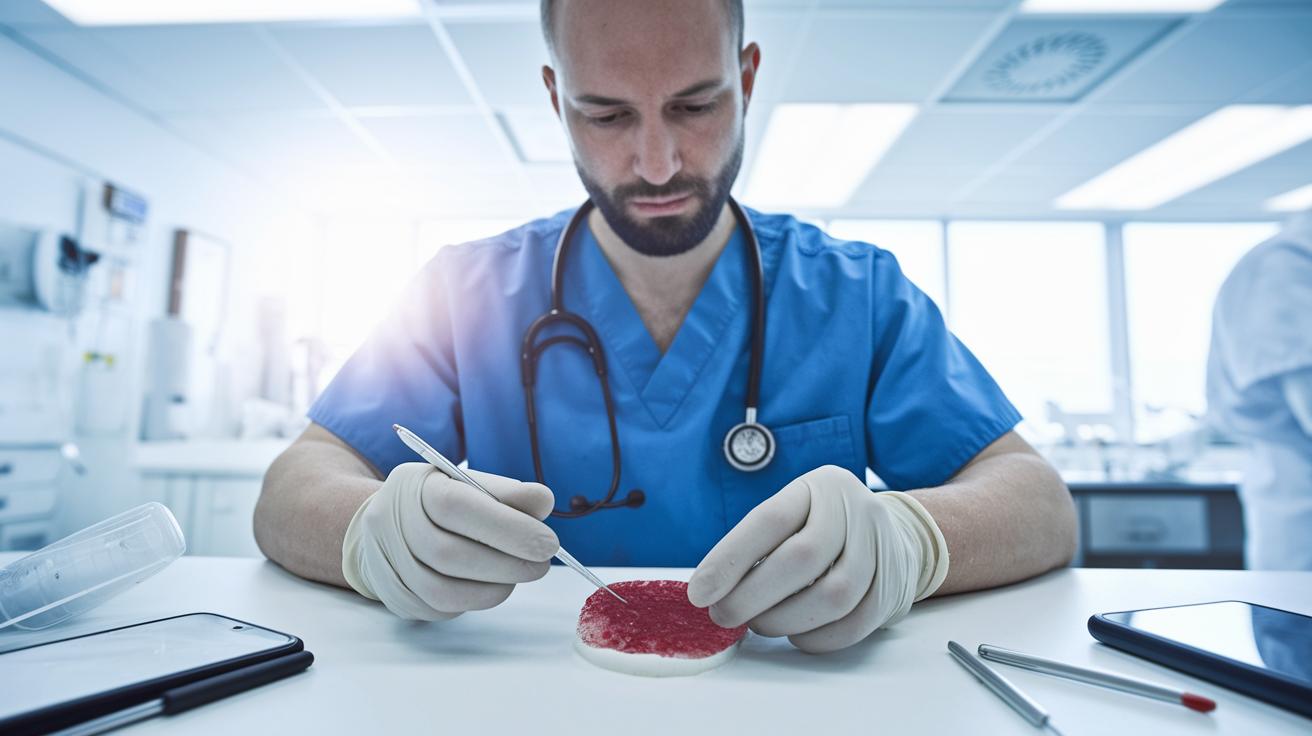
When treating melanoma, doctors perform wide local excision to remove the tumor and a small border of healthy tissue around it. How much extra skin is removed depends on the tumor's thickness. This measurement, called the Breslow depth (a method to measure how deep the melanoma is), guides how much tissue should be excised. For a melanoma in situ, where the cancer is still in the top skin layer, a 0.5 cm margin is usually enough. For invasive melanoma, if the tumor is 1 mm or less thick, a 1 cm margin is recommended. Melanomas between 1 and 2 mm thick typically need a margin between 1 and 2 cm, while those over 2 mm require a 2 cm margin.
Along with the excision, many patients also have a procedure called a sentinel lymph node biopsy (SLNB). This simple test checks nearby lymph nodes for tiny cancer cells, which helps determine the cancer stage and decide on additional treatments. If a patient opts against SLNB, some centers may choose to keep an eye on the lymph nodes with regular ultrasound scans for up to five years.
For those with stage 2B or 2C melanoma, doctors might also suggest extra therapy after surgery. This follow-up treatment is designed to reduce the risk of the cancer coming back.
| Melanoma Type / Thickness | Recommended Margin |
|---|---|
| Melanoma in situ | 0.5 cm |
| Invasive ≤1 mm | 1 cm |
| Invasive 1–2 mm | 1–2 cm |
| Invasive >2 mm | 2 cm |
Immunotherapy Innovations in Advanced Melanoma
Immunotherapy has changed how we treat advanced melanoma by helping your own body fight cancer. It works by boosting your immune system so it can attack cancer cells. One common method uses checkpoint inhibitors. These drugs block proteins that usually slow down the immune system. In simple terms, this lets your T cells attack tumors more strongly.
The drug ipilimumab, which works by blocking a protein called CTLA-4, was a big step forward when it was approved by the FDA in 2011. Later on, medicines like pembrolizumab, which target a protein known as PD-1, have made treatments even better. And very recently, in February 2024, lifileucel (sold as Amtagvi) received quick approval, giving patients new options.
Doctors also use combination therapies to improve the effect. For instance, using two drugs together such as nivolumab with ipilimumab (approved in 2016) or nivolumab with relatlimab (approved in 2022) can lead to more tumor shrinkage. These combinations can sometimes cause more side effects, but they also help the immune system fight cancer more robustly.
Another exciting method is oncolytic virus therapy. T-VEC, approved in 2015, uses a specially modified virus that is injected right into the tumor. When the virus attacks the cancer cell, the cell bursts and releases signals that further activate the immune system.
There is also adoptive cell transfer using tumor-infiltrating lymphocytes. In this process, immune cells are taken from the cancer, grown in a lab, and then given back to the patient. This helps the body target cancer cells even more precisely.
| Treatment | Year/Approval |
|---|---|
| Ipilimumab (CTLA-4 inhibitor) | 2011 |
| Nivolumab-ipilimumab combination | 2016 |
| T-VEC (oncolytic virus therapy) | 2015 |
| Nivolumab-relatlimab combination | 2022 |
| Pembrolizumab and lifileucel (Amtagvi) | February 2024 |
These different methods continue to improve as research goes on. They offer real hope for patients by matching treatment plans with our growing understanding of how the immune system works against melanoma.
Targeted Therapy Strategies for Melanoma

Targeted treatments for melanoma start with a simple blood or tissue test to check for changes in the BRAF gene, especially the BRAF V600 alteration. This test lets doctors know if drugs like vemurafenib or dabrafenib may work well. It helps create a treatment plan that is just right for each patient.
When a BRAF mutation is found, doctors often use inhibitors that stop cancer cells from growing. They tend to combine BRAF inhibitors with MEK inhibitors, like trametinib, to boost the effect. Research shows that using these drugs together can delay the cancer’s return by six to ten extra months.
Choosing the right treatment depends on testing. Doctors carefully look at the mutation test results to decide who will benefit most. They also consider each patient’s overall health and how quickly the cancer is moving.
Side effects may include skin rashes, joint pain, and mild fevers. Doctors can adjust the dose or take a short break from treatment to help manage these effects without losing the benefits of the medicine.
This personalized approach using targeted drugs not only helps keep the cancer at bay but also gives patients renewed hope. It’s a clear example of how precision medicine is making strides in melanoma care by focusing on the tumor cells while keeping side effects manageable.
Role of Chemotherapy and Radiation in Melanoma Care
When melanoma stops responding to surgery, immunotherapy, or targeted therapy, doctors often turn to chemotherapy and radiation treatment. Chemotherapy uses drugs like dacarbazine, but studies show it usually does not help patients live longer. Sometimes, doctors use a special method called electrochemotherapy. This treatment combines the drug bleomycin with gentle electric pulses to help the medicine reach the tumor more directly. Imagine those soft pulses working to push the drug right into a stubborn lesion.
Radiation treatment is another important tool, especially in tougher cases. It is most often used when melanoma has spread to the brain or bones, or after surgery to clear out any remaining cancer cells. Many doctors have seen promising results with radiation in these settings. Researchers are also testing the idea of mixing radiation with drugs called checkpoint inhibitors to see if that can make the treatment even more effective.
- Radiation targets cancer in the brain, bones, and after surgery.
- Trials are ongoing to see if combining it with checkpoint inhibitors can help patients even more.
In advanced melanoma care, doctors blend chemotherapy and radiation into a broader treatment plan when other methods are not enough. This combined approach gives patients another chance at better managing their condition.
Adjuvant and Supportive Care in Melanoma Treatment

After melanoma surgery, proper care is essential for healing and lowering the chance that cancer might return. For patients with stage 3 melanoma, doctors often use additional PD-1 inhibitor medicines to help stop the cancer from coming back. Researchers are also testing therapies before surgery, called neoadjuvant immunotherapy, which might shrink tumors and make the surgery less extensive.
Doctors take a careful approach to managing surgical wounds by changing dressings every 48 hours. This practice helps lower the risk of infection and encourages healthy healing. When a large area of tissue is removed, reconstructive options like flaps or skin grafts are considered to restore both function and appearance. Imagine a surgeon piecing together a skin graft like a puzzle for a smoother, more natural look.
Nutrition is another important piece of the recovery process. Patients are advised to boost their protein intake since protein is key for repairing tissues and enhancing overall healing. Pain management is handled step by step using guidelines from the World Health Organization, which helps ease discomfort while keeping side effects to a minimum. All of these strategies work together to support physical healing and prevent melanoma from reappearing.
Clinical Trials and Future Directions in Malignant Melanoma
Clinical trials continue to expand our options for treating melanoma. Researchers are running studies in Phase I, II, and III that explore new checkpoint inhibitor drugs, fresh targeted treatments, enhanced TIL therapy, and bispecific antibodies. Early data on lifileucel shows a 30 to 40 percent response rate, which brings hope to many facing advanced disease. To join these studies, patients usually need an ECOG performance status between 0 and 2 and healthy organ function.
Doctors are also using genetic profiling more often to create personalized treatment plans. This method helps match patients with therapies that are most likely to work for them, changing how we approach melanoma care. Investigational treatments give patients a chance to try cutting-edge therapies before they become commonly available.
- Doctors are testing new agents and combination treatments.
- Researchers are working to boost response rates while managing side effects.
- Strict eligibility criteria and study designs, as explained in resources like what are clinical trials, play key roles in these studies.
Taking part in clinical trials can offer individual treatment options while also supporting research that may transform future melanoma care. Have you ever wondered how your participation might help shape the future of cancer treatment?
Final Words
In the action, the article walked through treatment options for malignant melanoma by outlining a stage-based strategy. It broke down key methods, from surgical excision and checkpoint inhibitor advances to targeted medications and chemo-radiation techniques. The piece also discussed adjuvant care along with clinical trials shaping future care. This clear roadmap helps guide better health choices by basing treatments on proven guidelines for melanoma care. Staying informed with these insights can empower anyone to assess treatment options for malignant melanoma with confidence.