Have you ever wondered how one small change in words can really improve patient care? Good health communication turns tricky medical details into plain, everyday language that builds trust and encourages action. It started out as simple safety tips and has grown into using modern digital tools to share clear information. Since its beginnings in 1975, this approach has become a key part of public health. In this article, we share simple, powerful tactics that show how clear health communication can make a real difference for both patients and providers.
Foundational Elements and Definitions in Health Communication
Health communication means sharing tricky healthcare information in a way that’s easy to understand. It uses plain language and real-life examples to build trust and create clear messages. Long ago, people passed on safety tips and advice in simple terms, and that idea has evolved over the centuries. The term "health communication" first came about in 1975 through the International Communication Association, and in 1997, the American Public Health Association acknowledged its importance in public health education.
In 2017, experts joined forces and agreed on a style that is both straightforward and supportive. Think of it as polishing a recipe until every step is clear and simple. Health communication has moved from basic instructions to modern messages that educate and empower us. Today, it stands as a key way to turn complex medical details into clear, actionable advice that everyone can use.
The Four Pillars: Types of Health Communication and Task Domains
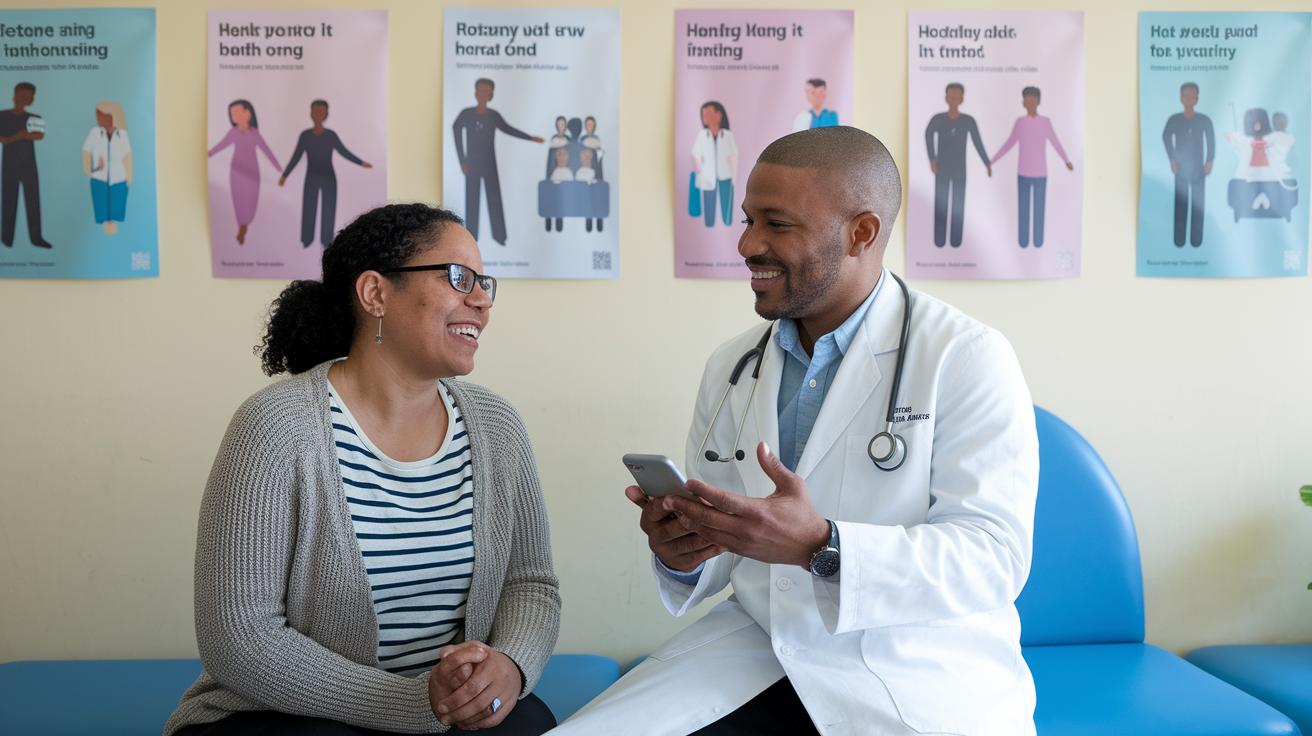
Today, we see health communication as built on four important elements. Each element plays a vital role in how experts share trusted health advice with everyone. Health promotion delivers messages that help prevent illness and inspire a healthier lifestyle. Patient–provider–caregiver interactions focus on clear, supportive conversations that empower patients, families, and caregivers with the information they need. Health care intervention messaging uses digital tools to send targeted advice that supports treatment plans and improvement strategies. And health communication technology leverages modern digital platforms to make sure these messages are easy to reach and share.
Think of these four elements like ingredients in a favorite recipe, each one adds a unique flavor that improves overall health outcomes. For instance, clear communication in hospitals can cut patient readmission rates by nearly 20% when every team member offers simple, consistent advice. Specialists in these fields often create useful brochures, provide one-on-one guidance, and gather feedback from many different sources. Their work became especially important during major public health events like the AIDS crisis and widespread tobacco issues, highlighting how crucial each element is today.
- Health promotion (Preventive care messages)
- Patient–provider–caregiver interactions (Clear, supportive conversations)
- Health care intervention messaging (Targeted digital advice)
- Health communication technology
Research Methods and Models in Health Communication
Health communication works best when we back it up with clear research and careful review. Experts use both number-based studies and personal interviews to see how messages change behavior and encourage social shifts. Often, they begin with straightforward methods like surveys and interviews. For example, one study might do surveys before and after a campaign to show that community understanding improved – say, only 30% grasped the message before, but that number grew after the campaign.
Historical moments help guide today's research too. The International Communication Association first used the term in 1975, and by 1997, the American Public Health Association noted that health communication was its own field. This timeline reminds us that years of testing have built the strong foundation we have today.
Survey results and webinar updates from trusted organizations continue to provide valuable insights. Professionals check everything from how a message is designed to the way it is delivered. They mix counting numbers from surveys with stories from interviews to build strategies for future campaigns. For instance, when studying a campaign to cut down on tobacco use, researchers might look at reduced smoking rates alongside feedback on how clear the message was.
Today, reviews of evidence and data-focused messaging are common practices. Researchers also use models that consider cultural settings and simple behavior change. It is like testing different recipes to find the right mix for a healthy result. By combining these research methods, health communication experts keep refining their approaches so that each new message can truly make a difference.
Patient-Provider Communication: Core Skills and Best Practices

Skilled health communicators speak clearly and use simple language so everyone understands. They work well with team members from different departments and can turn complex medical facts into practical advice. For example, a professional might explain, "Take your medication with a full glass of water to help it work correctly," making sure every patient knows exactly what to do. This friendly approach builds trust and strong relationships in hospitals, clinics, or community centers.
Good clinical conversations need active listening, patience, and real empathy. Health professionals adjust their explanations to fit each patient and their family. They mix clear instructions with a warm, everyday tone to make hard health topics easier to understand. Imagine a nurse outlining a treatment plan like a recipe where every step matters. This method not only makes things clearer but also creates a caring connection between patients, providers, and caregivers.
Teamwork plays a crucial role in healthcare. Professionals share important information with each other to stay consistent and work together to support and educate patients effectively.
Strategies for Public Health Campaigns and Risk Messaging
In the 1990s, health messaging became more urgent as people worked to fight AIDS, reduce tobacco use, and tackle obesity. Campaigns began using clear, simple messages like "Learn the facts today to protect tomorrow." These messages helped steer people’s actions during uncertain times.
Health campaigns work best when experts explain risks in everyday language. When we hear clear advice, such as "Wash your hands frequently to keep germs away," it is easier to follow protective measures without feeling overwhelmed. This approach mixes comforting guidance with practical safety tips.
Community leaders and trusted voices now play a big role in spreading accurate health information. Local partnerships and community events make messages feel more personal and respectful of cultural values. Social media also helps spread these messages quickly to a wide audience.
Media strategies remain a central part of public health work. Experts now plan carefully coordinated messages across newspapers, radio, and online posts. By combining these channels, campaigns create a clear and engaging message that inspires better individual choices and strengthens community support.
Digital and Telehealth Communication Models

Digital platforms are changing the way we talk about health. Telemedicine lets doctors and patients connect live over video, making care faster and more personal. Instead of waiting months for an appointment, you can chat with your doctor in real time. Picture a visit where your doctor kindly reminds you, "Take your medication with a full glass of water," boosting your confidence about your treatment.
Online health information is also on the rise thanks to digital medical outreach. Experts now share health tips, update treatment guidelines, and clear up common myths through online journals, social media, and webinars. Mobile apps bring all these features together by offering appointment scheduling, symptom checking, and real-time updates. Imagine an app that lets you book your next visit with just one tap, cutting down waiting time and making care more efficient.
Chatbots add another layer of support by being available 24/7. If you ask, "What should I do if my fever lasts two days?" you get a clear, helpful response right away. This ensures every message is tailored to individual needs and helps guide you through your health journey.
By combining telemedicine, digital outreach, virtual visits, mobile apps, and chatbot support, healthcare providers are building a bridge between advanced technology and personal care. This digital transformation makes sure that every health message reaches you clearly and promptly.
Ensuring Accessibility: Health Literacy and Cultural Adaptation
Good health communication works best when everyone understands it, no matter where they come from. Using simple words and breaking complex ideas into small parts can make a big difference. For example, a pamphlet might say, "Take your medication with a full glass of water." This easy-to-follow advice can help people remember a daily habit they might miss.
Keeping messages clear builds trust and makes suggestions practical. In 2017, experts created guidelines to help health professionals communicate clearly. They focused on plain language and avoided tricky medical words so that even complicated topics stay simple. Imagine explaining the need for regular checkups like you would remind someone to tune up a car for smooth running.
It’s also important to match health messages with different cultures. Advice should reflect the customs, beliefs, and languages of the people who read it. For example, if a community loves to be close to family, a message might highlight how living a healthy life benefits the whole family. Using images and real-life examples that resonate with a community makes the advice more relatable.
Offering materials in several languages further increases accessibility. At local centers, health educators might hand out brochures in different languages to ensure that no one misses out on important information. By combining simple language with cultural consideration and multiple languages, health professionals make sure that every person can understand and use the advice to improve their health.
Measuring Success: Evaluation and Analytics in Health Communication

Evaluating health messaging means taking a close look at clear data and reliable feedback from the intended audience. Many organizations use surveys and collaborate with journals to see how well their campaigns are doing. Data is essential for fine-tuning messages so that every update offers more helpful advice. Health professionals depend on solid numbers to decide if their work is a success. For example, knowing how many people saw a message helps them see how far the information has spread.
Measuring engagement shows how often people interact by asking questions or sharing content. Checking if people learn something new confirms that the message is making a difference in understanding tough topics. Reviews of behavior changes also help verify if people are following the advice and taking steps toward better health. Looking at health outcomes using clinical data can reveal the true impact of these efforts. Health communicators blend survey feedback with digital data to tweak their strategies continuously. They compare results from before and after campaigns to better reach the right audience.
| Metric | Definition | Data Source |
|---|---|---|
| Reach | Total audience exposed | Media analytics |
| Engagement Rate | Interactions per view | Social/media platform |
| Knowledge Gain | Increase in subject understanding | Pre/post surveys |
| Behavior Change | Action adoption rate | Follow-up studies |
| Health Outcome Improvement | Measured health impact | Clinical data |
Final Words
In the action, this post unpacked the evolution and core definitions of health communication.
It broke down four major types of messaging and highlighted research models that shape everyday practices.
The discussion covered everything from patient dialogue techniques to digital telehealth models, ensuring clarity for diverse audiences.
We also looked at strategies for improving health literacy and evaluating campaign impact with measurable data.
Taking these insights forward promises smarter, clear-cut methods for fostering trust in health communication.
FAQ
What is a health communication degree?
A health communication degree trains you to create clear healthcare messages, build trust among patients and providers, and promote public health through evidence-based strategies.
What is a health communication journal?
A health communication journal publishes peer-reviewed research that examines how clear, plain language and well-designed messages improve public understanding of healthcare.
How do health communication PDFs benefit learners?
Health communication PDFs offer accessible outlines, research summaries, and guidelines that simplify complex healthcare topics, aiding both students and professionals in refining their messaging skills.
What are health communication jobs?
Health communication jobs span roles in public relations, content writing, and digital media where professionals craft clear, evidence-based messages to promote health in varied settings.
What are some examples of health communication?
Health communication examples include public health campaigns, informative social media posts, patient education brochures, and risk messaging during emergencies that help audiences grasp key health concepts.
What is the health communication impact factor?
The health communication impact factor assesses the influence of published research by tracking citation rates, which reflects a journal’s role in advancing clear and effective healthcare messaging.
What is the importance of health communication?
The importance of health communication lies in its ability to build trust, improve patient education, support preventive care, reduce misunderstandings, and ultimately drive better health outcomes across communities.
What is a health communication PPT?
A health communication PPT is a PowerPoint presentation designed to explain public health strategies, research findings, or educational content in a clear and engaging way for varied audiences.
What is the meaning of health communication?
The meaning of health communication involves delivering accurate, actionable, and easy-to-understand health information to the public, which enhances awareness and supports informed decision-making.
What are the 5 components of health communication?
The 5 components include message design, audience targeting, channel selection, evaluation measures, and feedback integration, all of which work together to improve the clarity and impact of health messages.
Is health communication a good major?
Health communication is a good major as it equips you with skills in simplifying complex topics, engaging diverse audiences, and using research to craft clear messages that can lead to rewarding careers in various fields.