Have you noticed your vision getting blurry or felt an unexpected numbness? Sometimes these odd signs start out small and seem to go away until they become hard to ignore.
Our easy, interactive self-assessment guides you through a few simple questions about your sight, energy, and balance. It gives you a clearer picture of what might be going on. The insights you gain can help you decide if it’s time to check in with a doctor for more information.
Interactive Symptom Checker Multiple Sclerosis: Guided Online Self-Assessment
This online test for MS is meant for learning only. It should not replace advice from a doctor. Think of it as a starting point, a way to learn about your symptoms and decide if you need to speak with a neurologist.
Start by answering five simple questions. First, check your vision. For example, you might ask yourself, "Have you had moments of blurry or double vision?" Imagine reading your favorite book and suddenly finding the words a bit fuzzy. That could be an early sign.
Next, think about any numbness or tingling you may have felt in your body. Then, consider your energy levels, do you feel very tired as the day goes on?
After that, pay attention to your balance. Have you struggled to stay steady or experienced a few falls recently? Finally, reflect on your bladder control. You might ask, "Have I noticed any changes with how my bladder works?"
Remember, if you have one unexplained neurological symptom lasting more than 24 hours, it might be an early sign of a condition like MS. For an automated review, try our ai symptom checker. And if you're interested in no-cost options, check out our symptom checker free resource.
Multiple Sclerosis Symptom Overview: Recognizing Key Signs

MS often begins with eye problems. One of the first hints is optic neuritis, which can make your vision blurry or cause double vision. Imagine trying to read your favorite book while the lines keep shifting, it’s like that. Along with these visual changes, you might feel extra tired later in the day, so even simple tasks feel more exhausting.
You could also notice issues with balance and coordination. Sometimes, this might lead to a stumble or make walking more difficult than usual. There might be persistent pain in specific parts of your body that seems odd at first. Emotional changes, such as feeling unusually down or depressed, can also occur. In addition, unexpected bladder or bowel changes might show up. These signs can look a lot like symptoms from other conditions, which is why MS is sometimes misdiagnosed or identified much later than it actually starts.
Remember, everyone’s experience is different. Spotting these early signals can be helpful, especially when you’re figuring out your next steps. Always consider talking to a trusted healthcare professional if you have concerns about these symptoms.
Understanding the MS Diagnostic Checklist and Medical Disclaimer
Doctors don’t rely on one test to diagnose MS. They start by reviewing your medical history and doing a detailed neurological exam. They look for things like balance problems, weakness, or changes in how you feel in your skin. It's a bit like solving a mystery, gathering little clues until the whole picture appears.
An MRI scan is part of the process. This test takes detailed pictures of your brain and spinal cord so doctors can spot areas of recent inflammation. They may also check your cerebrospinal fluid, which involves looking for specific immune system markers that often show up with MS.
You might also hear about clinically isolated syndrome, or CIS. This term is used when someone experiences one unexplained neurological symptom for more than 24 hours. Even though CIS can sometimes be a first sign of MS, it doesn’t mean you have MS by itself.
MS shows up in different ways. The most common type is called relapsing-remitting MS, where symptoms come and go. There are also other forms where symptoms gradually worsen over time without clear flare-ups.
This content is meant to be educational and doesn’t replace advice from a healthcare professional. If you have concerns or symptoms, it’s important to talk with a neurologist for a proper evaluation.
Score Interpretation and Next Steps in Your MS Evaluation
When you use our MS symptom screening tool, you get a risk score that falls into one of three categories: low, moderate, or high. A low score means you reported only a few mild symptoms. In that case, it’s best to keep an eye on any changes while continuing with your normal check-ups.
A moderate risk score suggests you might be noticing more than one symptom, or perhaps a symptom like fatigue or balance issues that sticks around for a while. It could be a good idea to set up an appointment with a neurologist (a doctor who specializes in the brain and nervous system) to talk over an MS diagnostic checklist.
A high risk score means you’re dealing with significant or new symptoms that last over 24 hours. In these situations, you should contact your healthcare provider right away. Persistent or worsening signs could point to conditions like RRMS (relapsing-remitting multiple sclerosis), which affects around 75–85% of people with MS. Alternatively, the symptoms might hint at SPMS (secondary progressive multiple sclerosis), where signs gradually worsen after relapses, or PPMS (primary progressive multiple sclerosis), marked by a steady decline without sudden flare-ups. Early treatment with disease modifying therapies (DMTs) can help reduce relapses and limit nerve damage over time.
You might also consider getting an MRI referral or looking into clinical trials if they apply to your situation. Some people find that advanced online diagnostic platforms, such as digital health tech, offer extra support for monitoring. Keep using your MS risk factor quiz as part of a broader plan to check on multiple sclerosis.
Tracking and Monitoring MS Symptoms with Mobile Tools
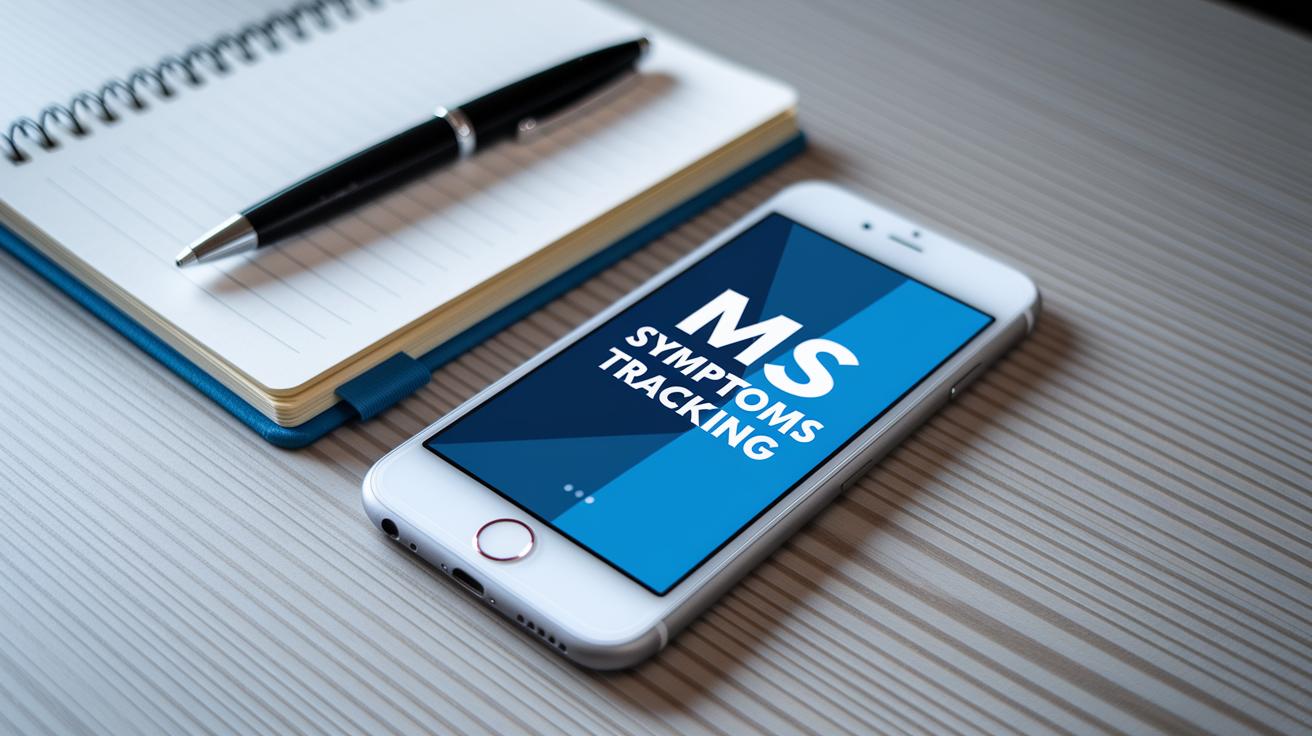
Using a mobile app or keeping a digital diary is an easy way to log your daily symptoms like tiredness, vision changes, balance issues, and changes in how you use the bathroom. It works just like writing a short note in a personal journal about your day. For example, you might write, "This afternoon, I felt really tired, kind of like a phone battery that is almost empty after a long day."
Over a few weeks, you might see trends that suggest your symptoms are changing or that you might be experiencing a flare-up. Your digital diary may show that you have episodes of blurry vision on certain days or that you notice more balance problems after doing certain activities.
Many apps for tracking MS symptoms also come with handy features like reminders to log your data and a summary at the end of each month. A simple checklist could help you keep track of changes in symptoms:
| Symptom | What to Note |
|---|---|
| Fatigue | Your daily energy levels |
| Vision | Any instances of blurry or double vision |
| Balance | Any moments of imbalance or coordination issues |
| Bowel/Bladder | Irregularities or unexpected changes |
Keep in mind that while tracking your symptoms regularly can provide useful insights, you don’t need to focus too much on the numbers. Sharing these notes with your healthcare provider during telehealth appointments can help create more personalized and productive discussions about managing your MS.
Final Words
In the action of our guided self-assessment, you explored key signs of MS with a simple 5-question tool. This symptom checker multiple sclerosis method walks you through changes in vision, numbness, balance, fatigue, and bladder issues while stressing that the tool provides an educational risk score rather than a formal diagnosis.
Our review also explained the importance of clinical assessments and monitoring daily symptoms using digital diaries. Remember, using the symptom checker multiple sclerosis can help you take confident steps toward learning more about your health.