Ever wondered why so many people with type 2 diabetes struggle to hit their blood sugar goals? Almost half don’t reach the healthy levels they need, even when there are treatment choices available. In this article, we explore different ways to manage diabetes. It might mean changing daily habits and diet, or it could involve using medicine and injections. Sometimes, people even turn to surgery when other methods aren’t enough. Combining these options might be the key to a healthier life. Let’s take a closer look at each treatment to see how they can help boost your energy and overall well-being.
Comprehensive Overview of Treatment Options for Type 2 Diabetes
Type 2 diabetes is a long-term condition that makes it harder for your body to use insulin properly. This causes higher levels of sugar in your blood. In the United States, about one in every 10 people manages this condition, yet less than half hit their blood sugar targets. Most adults aim for an A1C score under 7 percent, which reflects the average blood sugar over three months. Reaching this goal often means combining different treatment methods that work together.
Treatment options include several key parts:
-
Lifestyle modifications: Changing what you eat and adding regular exercise is the foundation of managing diabetes. Simple steps like following balanced meal plans and getting at least 150 minutes of moderate physical activity per week can help improve blood sugar control.
-
Oral medications: Medicines such as metformin help lower blood sugar by reducing the liver’s production of sugar and making the body more sensitive to insulin. Other drugs work in various ways, like increasing natural hormone activity or encouraging the kidneys to remove extra sugar.
-
Injectable therapies: For some people, injections offer extra help in controlling blood sugar. Insulin injections and newer injectable medicines not only lower blood sugar levels but can also provide added benefits for heart and kidney health.
-
Monitoring strategies: Regularly checking your blood sugar with home monitors or continuous devices helps make sure your treatment is working well. These checks allow you and your doctor to make adjustments and avoid complications.
-
Advanced options: In certain cases, surgical procedures such as bariatric surgery are considered to achieve significant improvements in blood sugar control. This option is usually explored when other treatments have not been enough.
Lifestyle Modifications to Improve Glycemic Control in Type 2 Diabetes

Changing your daily habits can really help you manage type 2 diabetes. When you adjust your diet and add regular exercise, they work together to keep your blood sugar steady and improve how your body uses insulin (a hormone that helps control blood sugar). It’s not just about managing weight, it’s about helping your body do what it naturally does best.
A well-planned diet can lower your A1C by up to 1%. Sticking with a low-glycemic index meal plan (foods that don’t spike your blood sugar), watching your portions, and eating balanced meals are all important. Daily habits, like those shared on Type 2 Diabetes Self Care, give you easy tips to make healthy eating a regular part of your life. Here are some simple nutrition ideas:
- Eat more low-glycemic foods like whole grains.
- Make sure your meals include lean proteins, healthy fats, and fiber.
- Keep an eye on portion sizes to control your calorie intake.
- Enjoy a colorful mix of fruits and vegetables.
- Cut back on processed sugars and refined carbs.
Pairing these food choices with exercise can boost your insulin sensitivity and help manage your weight. Regular physical activity is one of the best methods to help control your blood sugar. Consider these easy guidelines to get moving:
- Try to get at least 150 minutes of moderate exercise each week.
- Add strength training a couple of times each week.
- Opt for aerobic exercises such as brisk walking or cycling.
- Mix in some stretching to boost your overall mobility.
- Look into structured fitness programs if you need a steady plan.
In short, both a healthy diet and regular exercise are key. When you combine nutrient-rich food with daily movement, you support your body’s ability to regulate blood sugar while also boosting your overall energy and well-being.
Oral Antidiabetic Medication Options for Type 2 Diabetes
Oral medications help lower blood sugar for people with type 2 diabetes. They work in different ways and are often used when diet and exercise changes aren’t enough. Sometimes, your doctor may even use more than one type at the same time to keep your blood sugar on track.
Metformin
Metformin is the drug that many doctors start with for type 2 diabetes. It works by telling the liver to make less sugar and helps muscles use insulin better. Most people take it once or twice a day with their meals. Sometimes, you might feel a little nauseous or have a bit of an upset stomach when you first start taking it.
DPP-4 Inhibitors
DPP-4 inhibitors boost the natural hormones in your body, like GLP-1 and GIP (hormones that help control blood sugar). These drugs usually help lower your A1C levels in about 2 to 3 months and rarely cause low blood sugar. Their effect is gentle but steady, making them a supportive choice in your treatment.
SGLT2 Inhibitors
SGLT2 inhibitors work in your kidneys by stopping them from taking back in too much sugar. This means more sugar leaves your body in the urine, which lowers your blood sugar. They also have extra benefits for your heart and kidneys, making them a good option if you have other health concerns.
Sulfonylureas and TZDs
Sulfonylureas prompt your pancreas to release more insulin right away, which can quickly lower blood sugar but sometimes might drop it too low. On the other hand, TZDs help your muscle and fat cells respond better to insulin while also telling your liver to produce less sugar. Your doctor will choose the best option based on your unique health needs.
| Class | How It Works | Main Benefits | Common Side Effects |
|---|---|---|---|
| Metformin | Reduces sugar production in the liver and improves tissue response to insulin | Effective and well tolerated | Upset stomach |
| DPP-4 inhibitors | Boosts natural hormone levels to help control blood sugar | Steady reduction in A1C | Rare episodes of low blood sugar |
| SGLT2 inhibitors | Stops kidneys from reabsorbing sugar | Benefits for heart and kidney health | Risk of urinary infections |
| Sulfonylureas | Triggers the pancreas to release more insulin | Quick drop in blood sugar | Potential for low blood sugar |
| TZDs | Makes cells more responsive to insulin and reduces liver sugar production | Better insulin sensitivity | May cause weight gain or swelling |
Injectable Therapies and Insulin Strategies for Type 2 Diabetes
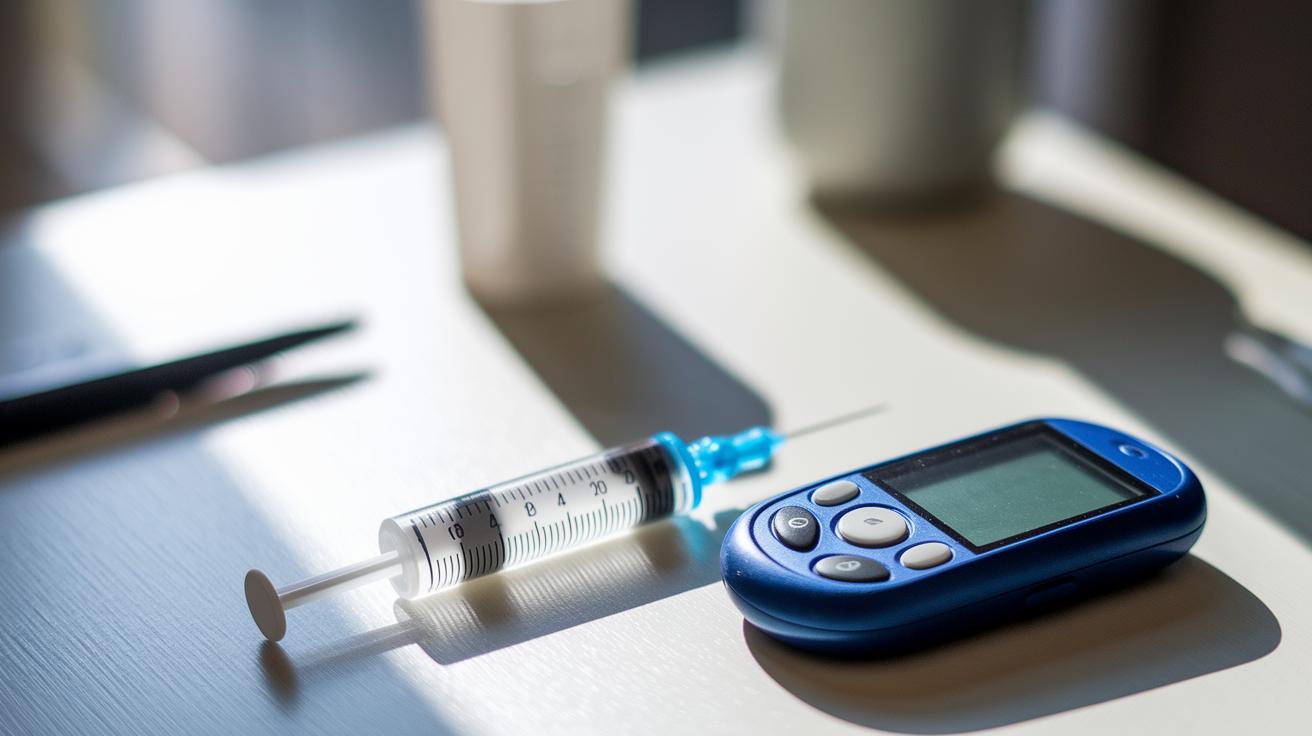
When pills no longer keep your blood sugar in check, many people switch to injectable treatments. This transition often involves insulin shots or newer, non-insulin options that work in harmony with your body's own hormones to help manage blood sugar levels.
Basal and Basal-Bolus Insulin
Basal insulin is taken once a day to keep your blood sugar steady over time. In contrast, a basal-bolus plan uses several injections throughout the day to cover both the body's constant needs and the rises in blood sugar after meals. Your dose is slowly adjusted over time by checking your blood sugar levels regularly. Think of it like gradually adjusting a light dimmer to get just the right brightness.
GLP-1 Receptor Agonists
GLP-1 receptor agonists work by mimicking natural hormones that help lower blood sugar. They do this by boosting insulin release and curbing appetite. You can use them daily or weekly, with the weekly option cutting down on the number of injections. Plus, these treatments may give extra benefits such as better heart and kidney health, making them a helpful option for many people.
Emerging Dual-Agonist Therapies
New treatments now combine two hormones, GLP-1 and GIP, to work together in managing blood sugar. These dual-agonists show promising early results in controlling blood sugar and helping with weight loss. While they are still being studied in clinical trials, early findings make many hopeful that these therapies will improve A1C levels even more in the future.
| Therapy | Frequency | Main Role | Extra Benefits |
|---|---|---|---|
| Basal Insulin | Once daily | Keep steady blood sugar | Simple and good for fasting blood sugar control |
| Basal-Bolus Insulin | Multiple daily shots | Cover meals and background needs | Flexible dosing for meal-time spikes |
| GLP-1 Agonists | Daily or weekly | Boost insulin release and reduce appetite | Support for heart and kidney health |
| Dual-Agonists | Usually weekly | Stimulate two hormones at once | Possible improvements in A1C and weight loss |
Monitoring Blood Sugar and Setting Glycemic Targets in Type 2 Diabetes
Keeping track of your blood sugar is really important if you have type 2 diabetes. Using a finger-stick meter or a continuous glucose monitor (CGM, which gives you constant updates on your blood sugar) helps you see how your levels change during the day. This regular check makes it easier to fine-tune your treatment and steer clear of problems.
Here are some general target ranges to guide your daily routine:
- Pre-meal: 80 to 130 mg/dL
- Post-meal: less than 180 mg/dL
- A1C: below 7%
These numbers serve as a handy guide for lasting control over your diabetes.
If you want to manage your nighttime blood sugar better, try these ideas:
- Check your blood sugar before going to sleep. This nightly check can help you spot any sudden drops or rises, and it tells you if you might need a small, light snack.
- If you often see low blood sugar levels at night, talk with your doctor about changing the timing of your evening insulin dose. This may help you avoid low blood sugar while you sleep.
- Pick a balanced, low-sugar snack if your levels are low at bedtime. For example, a slice of whole-grain toast with a bit of natural almond butter can be both satisfying and nutritious.
These simple steps can help you avoid swings in blood sugar during the night and lower your risk of complications. For more tips on keeping complications away, check out Diabetes Eye Care.
Advanced and Emerging Treatments for Type 2 Diabetes

Bariatric surgeries like gastric bypass and sleeve gastrectomy are showing promising outcomes for many with type 2 diabetes. In fact, up to 60% of very obese patients can see their diabetes go into remission. These surgeries help with significant weight loss and also change the body’s metabolism, which leads to better blood sugar control.
New drug therapies are also exciting news in diabetes care. For example, some newly FDA-approved injections and treatments using two hormones are currently being tested. Early trials show that these treatments can lower A1C levels by about 2% and help with weight loss too. It appears that combining two hormone paths might further improve blood sugar control while also benefiting heart health.
Researchers are also exploring ways to tailor treatments to each person through precision medicine. This approach means that future treatments could be personalized to an individual’s needs, ensuring they receive the most effective care possible. With these advances, the outlook for managing type 2 diabetes and improving quality of life is very encouraging.
Final Words
In the action, we explored everything from lifestyle modifications to oral, injectable, and advanced treatment options for type 2 diabetes. We also uncovered practical strategies for monitoring blood sugar and setting clear glycemic targets.
This post provided a clear breakdown of treatment options for type 2 diabetes that can support better health management. Embracing these approaches gives hope and confidence for moving toward a healthier future.
FAQ
Frequently Asked Questions
What is the best medicine and treatment method for type 2 diabetes?
The best treatment for type 2 diabetes means using a mix of options. Experts often start with metformin, which improves insulin sensitivity, and then add other drugs like DPP-4 inhibitors, SGLT2 inhibitors, or sulfonylureas tailored to each patient’s safety and needs.
What new pill is available for type 2 diabetes?
The new pill option for type 2 diabetes refers to the latest advances in oral medications. For some patients, emerging drug classes like newer SGLT2 inhibitors offer improved blood sugar control and additional benefits with manageable side effects.
What level of blood sugar is dangerous for someone with type 2 diabetes?
The dangerous blood sugar range in type 2 diabetes typically is when pre-meal levels exceed 130 mg/dL or post-meal readings rise above 180 mg/dL. Regular monitoring paired with proper adjustments helps keep levels safe.
What treatment options exist beyond medication for type 2 diabetes management?
The treatment options beyond medication include lifestyle changes like healthy eating, regular exercise, blood sugar monitoring, and, in some cases, surgical procedures. These methods empower individuals to manage blood sugar naturally even without medication.
What benefits do once-week injection therapies offer in type 2 diabetes management?
The once-week injection therapy, such as certain GLP-1 receptor agonists, helps lower blood sugar with a single weekly dose. This approach improves glycemic control while also offering benefits for weight management and cardiovascular health.