Have you ever thought that a few quiet minutes could bring more joy to your day? Mindfulness means focusing on the present and accepting each moment as it is.
Imagine sitting quietly, noticing the gentle rhythm of your breath as it flows in and out. Although these practices might seem small, they can help ease stress and bring a warm sense of calm to your everyday life.
It’s amazing how little moments of awareness can create balance and inner peace. If you're curious about how simple mindfulness can spark inner joy, keep reading to discover easy ways to get started.
how to practice mindfulness: Spark Inner Joy
Mindfulness means focusing completely on the present moment without judging what comes to mind. If you’re curious about it, check out what is mindful meditation. Begin by writing down a clear reason for your meditation practice. It might be to reduce stress or to nurture gratitude, whatever feels right to you.
Next, choose a cozy spot where you can sit comfortably with your back straight, helping you feel calm and balanced. Then, pay close attention to your natural breathing by noticing how the air enters and leaves your nostrils. If other thoughts pop up, gently guide your attention back to your breath, just as you would with a caring friend.
Start by spending five minutes in meditation, and slowly extend this time as you get more comfortable. Picture your inner joy as a tiny flame that grows brighter and steadier with every moment of focus. Let your meditation be a simple, steady anchor in your day that reminds you to live in the moment.
Following these easy steps helps create a peaceful routine that boosts both mental clarity and emotional strength. So, why not invite mindfulness into your everyday life and watch your inner light shine a little brighter?
Building a Daily Mindful Routine
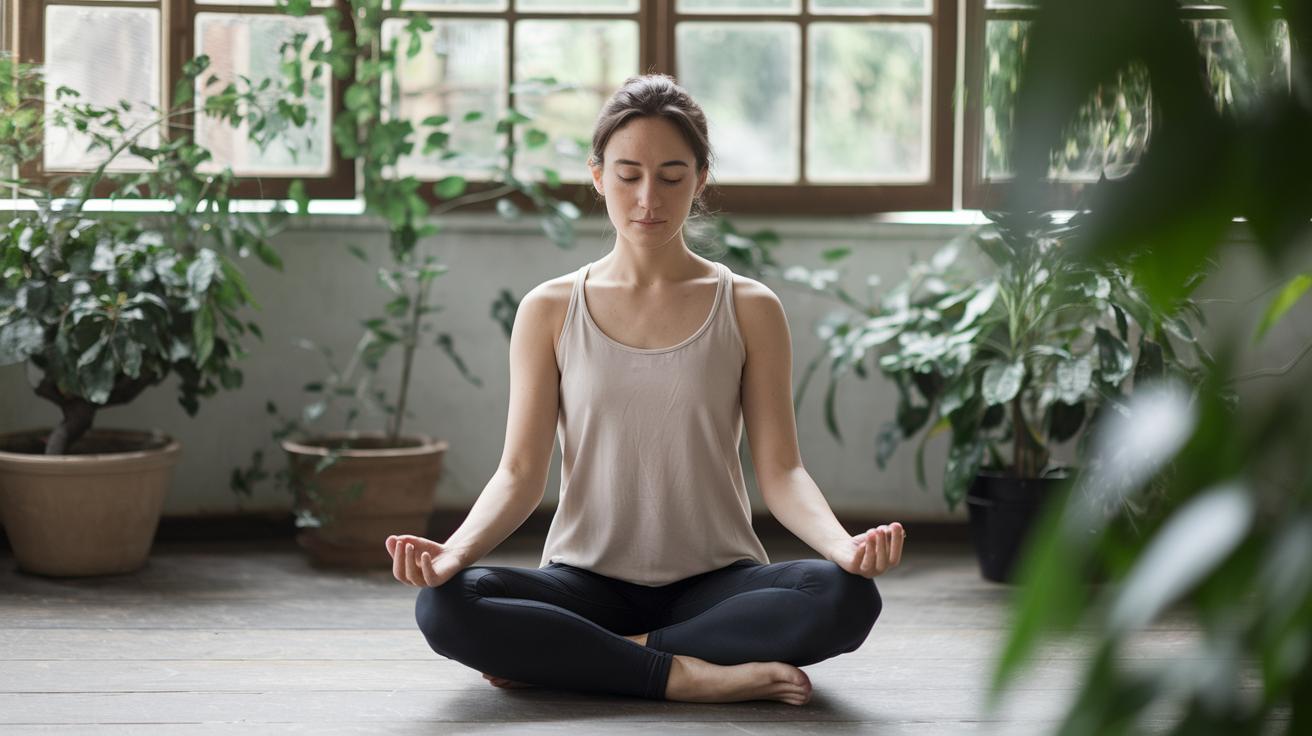
You can start your day with simple moments that help you stay present. Pick a set time when you can pause and really focus on what’s happening now. Maybe it’s right after waking up, at lunch, or before you head to bed. Instead of trying to do many things at once, choose one task to focus on, whether you’re slowly enjoying a meal or watching the world outside your window.
When life feels hectic, take a few deep breaths to calm your mind. For instance, each time you glance at the clock, pause for a moment and take some slow, deliberate breaths. A brief 10- to 15-minute walk where you pay attention to your surroundings can also help keep you grounded. After your walk, jot down a few thoughts in a journal to mark your progress and note any challenges you faced.
This routine is simple and doesn’t need any special tools, just a bit of time and regular practice. For more tips on keeping your mind healthy, check out tips for mental wellness and for additional ideas, explore mindful meditation for beginners.
Breathing and Body Scan Techniques for Mindfulness
Breathing Meditation
Start by settling into a quiet space where you can sit with your back straight. Close your eyes and feel the air as it moves in and out of your nostrils. Breathe in slowly for a count of four and then breathe out for six. Count each breath to keep your mind focused on the process. If a random thought pops up, gently label it as "thinking" and bring your focus back to your breath. This simple routine helps you stay in the present moment while also training your mind to handle stress.
Body Scan Practice
Now, take a moment to check in with your body. Whether you choose to lie down or sit comfortably, begin with your toes. Spend about 20 to 30 seconds noticing any feelings like tension, warmth, or relaxation. Then move your attention slowly upward through your legs, your torso, your arms, and finally your head. Over the course of 5 to 10 minutes, note each sensation without judgment and treat every feeling as part of your current experience. This mindful process deepens the connection between your mind and body, helping you remain centered throughout your day.
Mindful Movement and Walking Meditation Methods
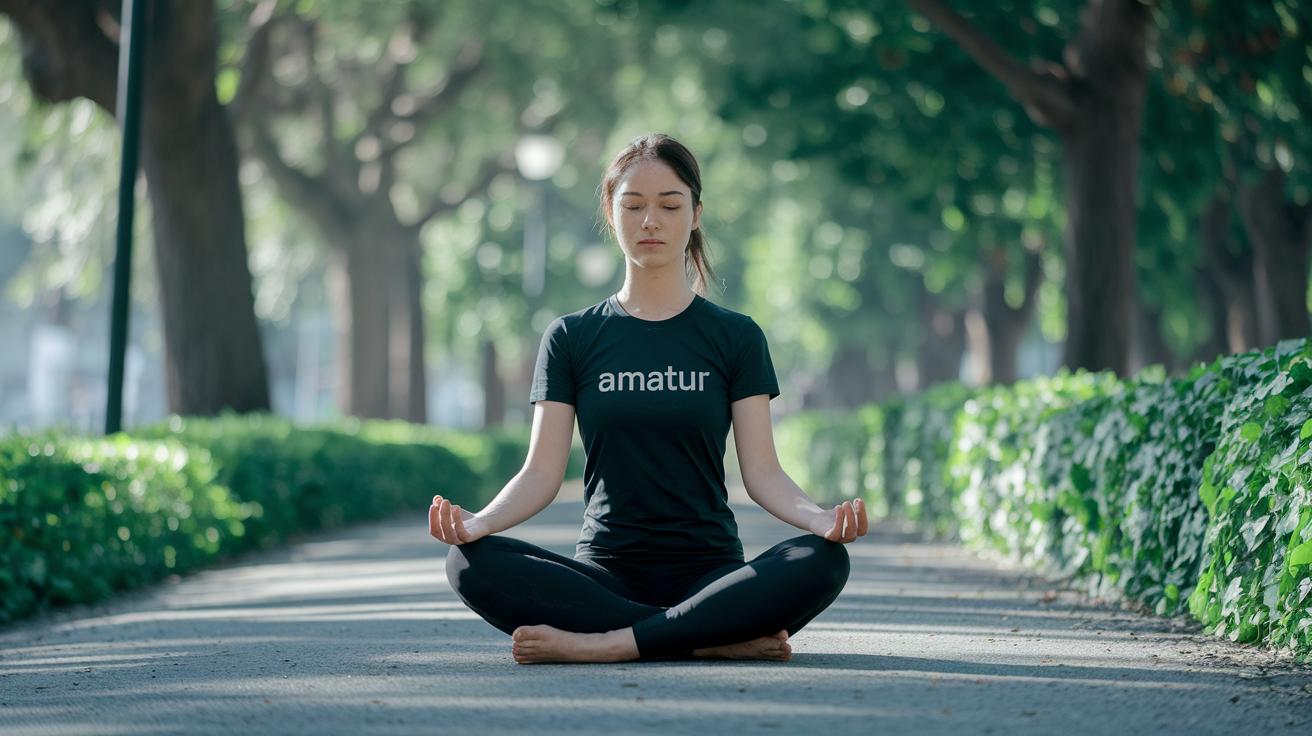
Mindful movement helps you focus on the here and now, connecting your body and mind. When you add gentle movement to your daily routine, you create a way to center yourself easily. Try setting aside about 10 to 15 minutes for a walking meditation where every sound, step, and view deepens your focus. As you walk, notice how your feet touch the ground, as if each step helps calm your thoughts and steady your spirit. It’s a simple way to make everyday walking feel like a peaceful pause.
You can mix in other gentle practices that awaken your body and ease tension. For example:
- A walking meditation that brings awareness to each step
- Mindful stretching, whether sitting or standing, to relieve tight spots
- A simple yoga flow that moves with your breath
- Slow tai chi or qigong movements to promote balance and good posture
Using these methods, you can transform routine movement into a rewarding act of mindfulness. Enjoy your journey and see how each step brings a little more calm and clarity into your day.
Integrating Mindfulness into Work and Study Environments
Even on the busiest days, short mindfulness breaks can help you feel more alert and at ease. When you're working or studying, try pausing for one minute to breathe deeply before starting a new task. Just stop for a moment, close your eyes, and feel the air gently moving in and out of your nostrils. Focusing on one task at a time instead of multitasking can make you feel less stressed and help sharpen your focus.
It also helps to set a reminder to take a quick stretch break every now and then. Step away from your desk, feel the tension in your muscles, and let your thoughts slow down. Another good trick is to use small sensory check-ins throughout your day. For example, feel the texture of your desk or listen to the soft sound of your chair as you adjust your sitting position. This simple habit brings you back to the present without needing any extra tools.
After these moments of mindfulness, you'll likely notice that your mind feels refreshed and more ready to tackle creative problems. Keeping this practice consistent can boost your mental clarity and make switching between different tasks feel a lot smoother.
Scientific Benefits of Mindfulness Practice

For many years, research, including work from Jon Kabat-Zinn’s Mindfulness-Based Stress Reduction program, shows that regular mindfulness practice can make a real difference in how you feel, both physically and mentally. Imagine spending a few minutes each day focused on the present, and noticing that stress starts to fade away, much like the fresh feeling you get from a cool morning breeze. Regular mindfulness helps bring down your cortisol levels, which means less stress and fewer signs of anxiety and depression.
Mindfulness also sharpens your concentration and helps you manage your emotions better. Studies have found that a steady meditation routine gives you mental benefits similar to those you get from regular exercise. In other words, over time you might find it easier to focus and handle even the toughest challenges. These findings confirm that mindfulness is a valuable practice for boosting self-awareness and keeping your mind clear.
| Benefit | Description |
|---|---|
| Stress Reduction | Lowers cortisol levels and reduces stress |
| Anxiety Relief | Helps calm brain regions linked to fear |
| Enhanced Focus | Improves attention and working memory |
| Emotional Balance | Boosts the brain’s ability to regulate emotions |
Research time and again shows that practicing mindfulness is a powerful way to find calm and clarity, making your mind stronger and more resilient.
Advanced Guided Visualization and Reflective Mindfulness
Guided Visualization Steps
Pick a peaceful setting that calms your mind. You might imagine a quiet beach at sunset or a gentle forest clearing. Close your eyes and let your mind build this place in detail. Think of the soothing sound of waves, the warm feel of soft sand, the salty smell in the air, the changing colors in the sky, and even the hint of ocean taste. Spend about five minutes in this space, letting each detail draw you into a deep, relaxed state. And if your thoughts wander, simply return to your mental picture without judgment, like tuning back into your favorite, calming movie.
Reflective Journaling
When you finish your visualization, take a few minutes to jot down your thoughts. Ask yourself open questions such as "What am I feeling right now?" and "How did my body react during this time?" Write down any hints of tension, warmth, or calm you experienced. This little exercise not only builds self-compassion but also gives you insights into your inner self. Over time, these reflections might reveal patterns in your thoughts and emotions, helping you approach each new session with even greater awareness.
Troubleshooting Common Challenges in Mindfulness Practice
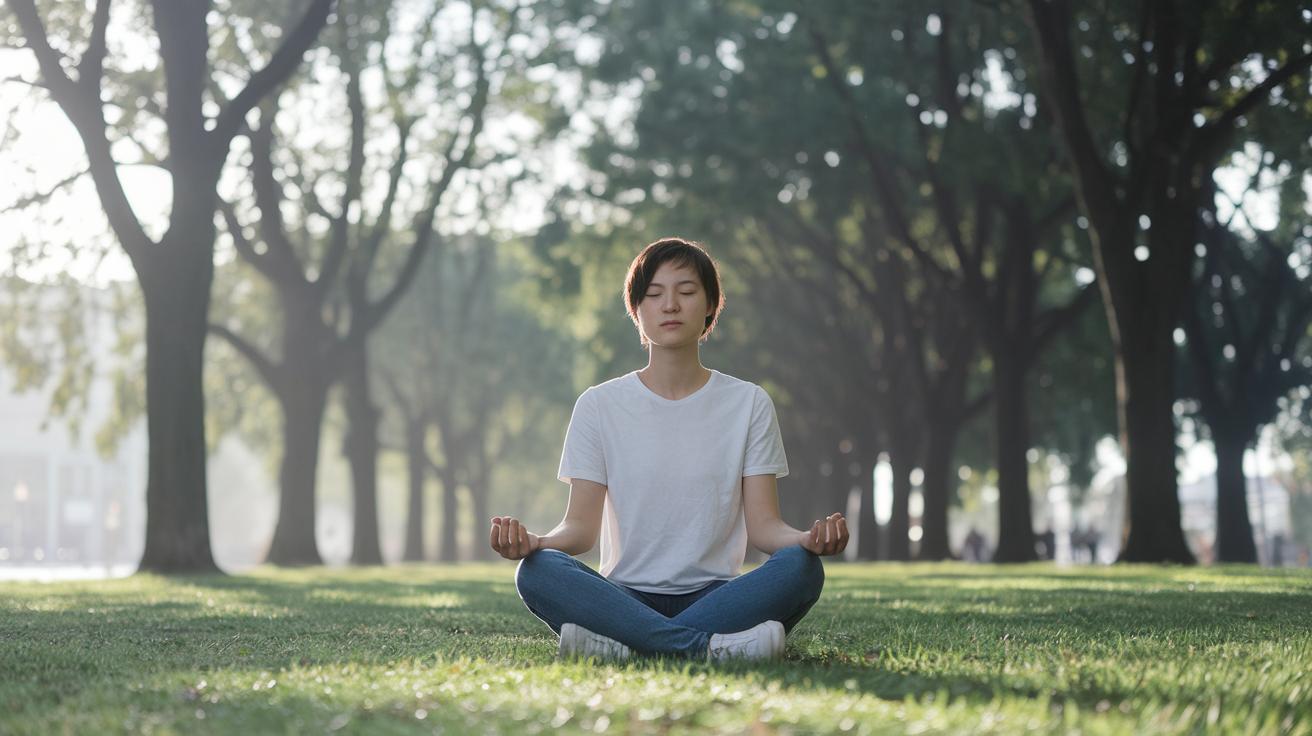
When you notice your mind wandering, simply call it "thinking" and gently bring your attention back to your breath. This kind approach shows self-kindness by reminding you that every stray thought is a natural part of mindfulness. For instance, if you catch yourself drifting during your session, just say, "There it goes again," and slowly focus on breathing once more.
At times, you might feel a bit restless or experience mild physical discomfort. Instead of getting upset, try to explore these feelings with a curious and gentle attitude. If impatience creeps in, think about shortening your session a bit. Even taking one extra deep breath can help you reset and refocus, like just adjusting a camera lens to clear up your view of inner peace.
Remember, every moment of discomfort or restlessness is a step on your path. Treat each challenge as a chance to grow, knowing that every time you return to your mindfulness practice, you build more clarity and strength.
Final Words
In the action, we explored clear steps for mindful meditation practice, from setting intentions and focusing on your breath to incorporating gentle movement and reflective mindfulness. The article shared simple ways to build a daily routine, fit mindfulness into work or study, and handle common distractions with ease. It provided practical examples that show how to practice mindfulness and gradually enhance overall well-being. Enjoy these practical tips and feel reassured as you embrace a healthier, focused lifestyle.
FAQ
How to practice mindfulness for anxiety?
Practicing mindfulness for anxiety involves focusing on the present moment using simple breathing exercises and gentle body scans. This approach eases anxious thoughts and helps lower stress throughout daily challenges.
How to practice mindfulness in daily life?
Practicing mindfulness in daily life means setting aside moments to fully engage in activities like eating and walking. This practice offers a clear chance to notice feelings and thoughts without judgment.
What are the five basics, steps, or R’s of mindfulness practice?
The five essential aspects of mindfulness practice include setting an intention, choosing a comfortable posture, focusing on your breath, noticing distractions, and gently redirecting your attention—each step building a strong, practical practice.
How do I start practicing mindfulness meditation?
Starting mindfulness meditation means choosing a quiet spot, sitting in a comfortable position, and dedicating a few minutes to focus solely on your breath while gently returning your mind when it wanders.
How to practice mindfulness with ADHD?
Practicing mindfulness with ADHD involves using short, focused sessions with clear exercises like deep breathing or sensory observation. These techniques help channel attention and reduce impulsivity while staying present.
How do I practice mindful eating?
Practicing mindful eating means slowing down at mealtime, savoring the food’s taste and texture, and paying attention to hunger and fullness without distractions, thereby enhancing the overall eating experience.
How do I practice mindfulness in Islam?
Practicing mindfulness in Islam involves reflective prayer, focusing on the present during worship, and using moments of gratitude to appreciate God’s creation, which promotes inner peace and spiritual awareness.
How to practice mindfulness on Reddit?
Practicing mindfulness as shared on Reddit often includes community tips for simple exercises like brief breathing breaks and body scans, offering practical and relatable advice ready to incorporate into everyday life.