Ever wonder why trendy health advice can sometimes mislead you? In today’s fast-moving digital world, claims about health spread quickly even when they don’t have real science behind them. Misleading tips are like little magic tricks that distract you from the truth and may lead to risky choices.
This article explains how false health claims can shape our views and behavior and shows why staying informed is important for your well-being. Knowing the real facts helps you feel confident and make smarter decisions about your health.
How false health claims shape public perception and behavior
False health claims travel fast online, catching our eyes with bold, eye-catching messages that seem trustworthy at first glance. People often share these messages because they believe the information is important for their own health or for those close to them. With an overload of online content, there's little time to double-check facts, so misleading messages can easily win over audiences even if they lack real scientific proof.
When we see viral health misinformation, we might begin to believe in benefits that are exaggerated and overlook hidden risks. This can steer us away from safe practices and reliable treatments simply because the slick language and appealing presentation overpower careful thought.
Here are some common tricks used in false health claims:
| Issue | Description |
|---|---|
| Misrepresented studies | Using research in a way that distorts its true meaning |
| Unsupported endorsements | Citing so-called experts who don’t have real evidence |
| Emotional storytelling | Sharing touching personal stories without factual backup |
| Overstated benefits | Claiming results that are far more dramatic than reported |
| Anecdotal success | Relying on isolated stories as if they were scientific evidence |
Often, when we see catchy stories and pseudo-expert advice on social feeds, we might ignore careful research and advice from trusted health professionals. Over time, this can weaken our trust in genuine health information and lead us to make choices that aren’t truly in our best interest.
In the end, the cycle of exciting yet dramatic health claims can leave us less prepared to make informed decisions about our well-being. Isn't it worth taking a moment to look a little deeper before we share?
Regulatory scrutiny of false health claims by FTC and FDA

The FTC handles ads for foods, drugs, devices, and cosmetics, while the FDA focuses on brand messaging and prescription drug advertising. This means each agency uses its own rules to make sure that health claims are not only true but also backed by solid science. When an ad makes a product seem better than it really is, one or both of these agencies can step in to check the facts.
Since 1998, the FTC has dealt with over 200 cases of misleading health claims. More recently, since 2021, it has taken action in about 27 healthcare-related cases. These actions have cost companies a lot of money and disrupted their operations. Sometimes, the FDA has even recalled products that were falsely advertised, which has led to further economic losses and legal trouble for those companies.
Today, regulators are calling for stronger proof of health claims. Businesses now need to back up what they say with high-quality studies, like randomized trials (studies where people are randomly assigned to different treatments so that the results are reliable). This shift means companies must design careful studies or they risk fines and losing the trust of their customers.
Societal consequences of false health claims on community health
When false health claims spread, they can lead people to try treatments that might not work or could even be harmful. Patients relying on this misleading information might end up making their conditions worse. Sometimes, these claims keep people from getting treatments that have been proven to work and instead steer them toward risky choices, like supplements that haven’t been properly regulated. This situation not only endangers individual health but also shakes the trust we have in trusted medical advice. In simple terms, whole communities become more at risk during health crises and are less equipped to make choices that truly protect their well-being.
Case Study: OxyContin marketing scandal
Purdue Pharma made a big mistake by downplaying the risk of addiction when they marketed OxyContin. They used claims that made both patients and doctors feel that the medication was safer than it really was. As a result, people were misled about the long-term dangers, and this contributed to a steep rise in opioid addiction. Communities were deeply hurt as many faced lost lives and ongoing health challenges.
The consequences were huge. Settlements and lawsuits topped more than $35 billion, showing us the massive financial and legal fallout from such deceptive practices. Public trust in pharmaceutical companies and regulatory systems was seriously shaken, leading many people to wonder if other health claims might be just as unreliable. Cases like the OxyContin scandal remind us that misleading health claims can seriously harm community well-being and undermine the very foundation of trust in healthcare marketing.
Digital amplification of false health claims on social media
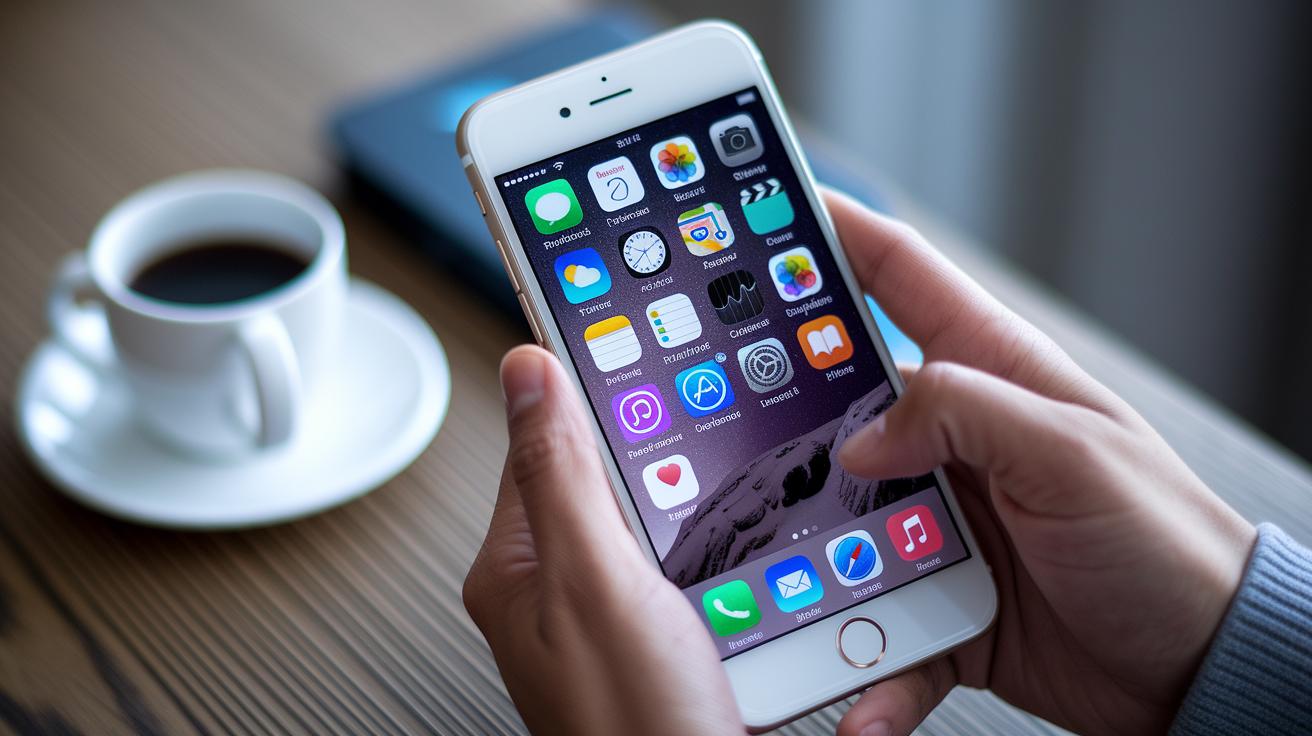
Social media sites use smart algorithms that boost posts based on how much attention they get, not on whether the health information is true. It's easy to see a well-made website or persuasive post and think, “Wow, that must be right!” even when there is no real evidence behind the claim. For example, a post about a miracle cure can quickly get lots of likes and shares before anyone gets a chance to check the facts.
When we're scrolling through our feeds, we’re often bombarded with countless health tips and ideas, making it hard to tell which ones are based on real science. This overload of information means that catchy, unverified claims can grab our attention more than carefully checked facts. In many cases, the truth gets lost in the noise of sensational headlines and quick reactions.
Adding to this problem is the fact that many platforms don’t have the same strong fact-checking systems in place. People usually share interesting stories without stopping to look at the actual evidence, which lets false claims spread unchecked. This can lead vulnerable readers to trust information that might push them toward poor health decisions, simply because these messages are designed to be more eye-catching and memorable.
Strengthening health communication to counter false health claims
Healthcare providers, regulators, and consumers can all take simple steps to verify health claims. Public health organizations suggest that we carefully review online content and check any medical assertions with trusted sources. Start by looking to see if claims are backed by well-designed studies that include comparisons and reliable methods. This kind of careful fact-checking helps stop misleading information and lets everyone make better health choices.
Businesses should also support a science-based approach when sharing health information. This means putting resources into research like randomized trials (studies where participants are randomly divided into groups) and control groups, as well as tests that focus on real user experiences. By clearly explaining the methods and sharing both the benefits and possible risks, companies not only guard against deceptive practices but also help rebuild trust in their products.
Trusted journalism and strict peer review (a process where experts review each other’s work) are key to fighting false health claims. When media outlets and academic experts follow solid review practices, they can point out where research has limits and where it’s strong. This careful checking keeps sensationalized and unverified information in check and helps make sure that what we read about health is based on true, factual evidence.
Everyone, from healthcare providers to regulators to everyday consumers, can play a role in spreading accurate health information. By backing programs that teach us how to check medical claims, we all become better at thinking critically about treatment options. When we work together in this way, health communication grows stronger and guides us through information overload with clear, evidence-based facts.
Final Words
In the action from this post, we explored how misleading health information jumps on social media, how regulators work to keep misinformation in check, and how these false claims affect public decisions and community health.
Remember, understanding the impact of false health claims empowers you to make better choices. Reliable, evidence-based guidance builds trust and helps everyone feel more confident about their health. Stay curious and keep seeking clear, science-backed answers for a healthier tomorrow.
FAQ
Q: What is the impact of false health claims on social media?
A: The impact of false health claims on social media creates confusion by spreading unverified health advice, which can lead individuals to make poor medical decisions.
Q: What is the positive impact of false health claims?
A: The positive impact of false health claims is minimal; though they may increase engagement, they primarily distract from sound, evidence-based health information.
Q: What does “Impact of false health claims pdf” refer to?
A: The impact of false health claims PDF refers to documents that compile research on how misleading information affects consumer behavior and decision-making.
Q: What is the negative impact of false health claims?
A: The negative impact of false health claims results in unsafe health choices, diminished trust in genuine medical research, and a tendency to choose ineffective or harmful treatments.
Q: How do false health claims appear in the media?
A: False health claims in the media often use engaging visuals and language that overstate benefits, leading to public misunderstanding and erosion of trust in real health advice.
Q: What are some examples of misleading health claims?
A: Misleading health claims examples include exaggerated treatment benefits, claims based on misinterpreted research, and endorsements lacking proper scientific support.
Q: How does false medical information spread on the internet?
A: False medical information on the internet spreads quickly because it is often shared in appealing formats that bypass thorough fact-checking by the audience.
Q: What is health misinformation on social media?
A: Health misinformation on social media is incorrect or unverified information that circulates online, often causing confusion and delays in receiving proper medical care.
Q: How has the False Claims Act affected the healthcare sector?
A: The False Claims Act has impacted the healthcare sector by holding organizations accountable for deceptive practices, reducing fraudulent claims and promoting financial integrity.
Q: Who investigates complaints about false or misleading health claims in food advertisements?
A: Complaints about false or misleading health claims in food advertisements are investigated by regulatory bodies such as the Federal Trade Commission, which works to maintain truthful marketing.
Q: Who regulates health claims?
A: Health claims are regulated mainly by the Federal Trade Commission and the Food and Drug Administration, ensuring that advertising and product messaging are based on credible science.
Q: How does health promotion impact health around the world?
A: Health promotion impacts health globally by providing accurate information that empowers individuals to follow sound health practices and make well-informed decisions.