Have you ever noticed that a small change in your meal can brighten your whole day? Some people believe that adding the right foods to your plate can lift your mood and boost your energy in a way that feels truly refreshing.
Today, we’re highlighting two nutrient-packed food choices that might just bring a spark of vitality to your day. Picture each bite as a mini burst of energy that keeps you alert and feeling balanced, like the crisp air during an early morning walk. Give these simple additions a try, and you might find that they become a game changer in your quest to feel great every day.
Core Health Food Categories to Eat Everyday
Remember, no single food can give you all the nutrients you need. The 2015–2020 US Dietary Guidelines are pretty clear: a balanced diet comes from eating a mix of different foods. Imagine a plate filled with bright fruits, crisp vegetables, lean proteins, whole grains, healthy fats, and dairy or fortified alternatives. This mix is what we call a whole food regimen, if you’re curious, you can learn more about whole foods over at FactcheckX.
Each group brings something special to your plate. For instance, apples and berries offer fiber and natural antioxidants, while lean proteins like chicken or fish provide the protein your body can easily use along with essential minerals. Whole grains like quinoa and oats give you low-glycemic energy and B vitamins, which is a recipe for a balanced day.
When you plan your meals, aim to include these different food groups. Think about pairing a serving of lean protein with steamed broccoli and a small bowl of brown rice. Every bite works together to keep your energy steady throughout the day. And a little tip: prepping your meals ahead of time can really help when you’re on the go. Getting your ingredients pre-portioned means you’re always ready for a quick, nutrient-packed meal.
By embracing this balanced approach, you’re not just eating to stay full, you’re taking a big step toward feeling great and staying healthy every day.
Fruit and Berry Selections for Health Food to Eat Every Day
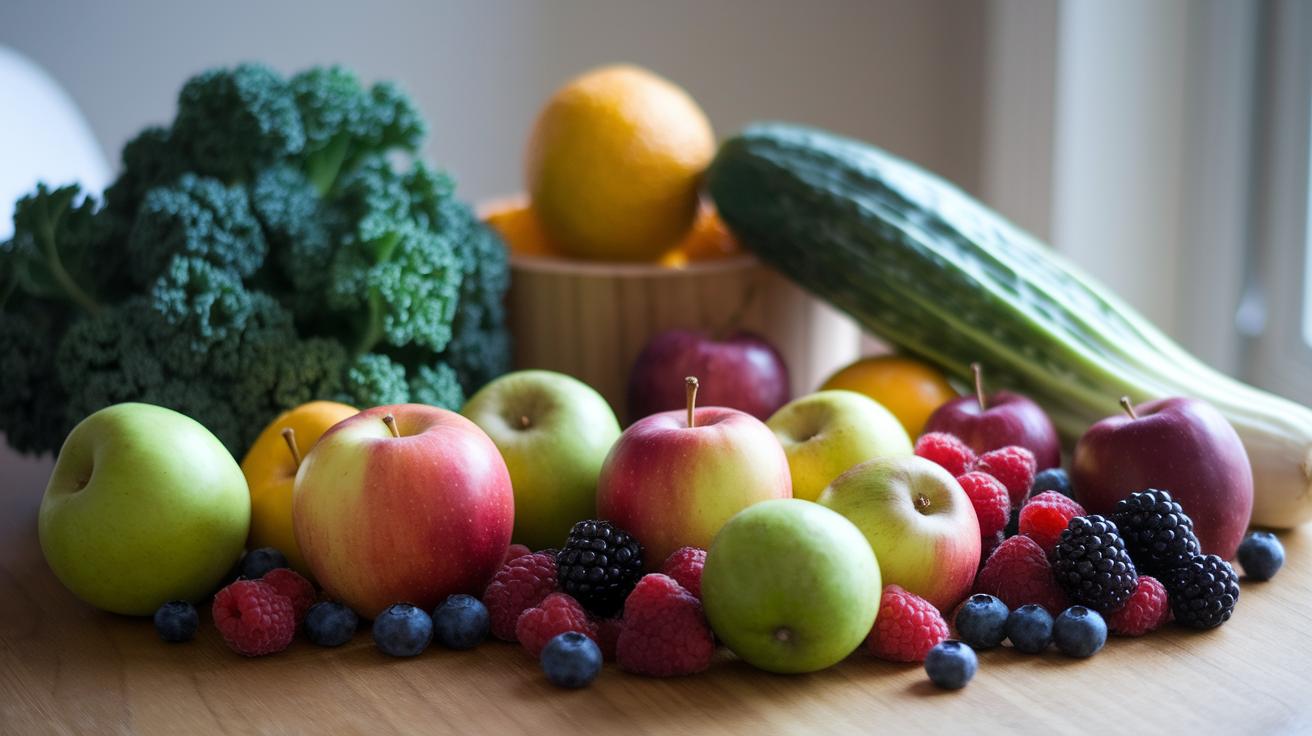
Fruit and berries are like little bursts of natural energy that brighten your day. Apples, for example, bring along fiber, vitamin C, and flavonoid antioxidants, all of which add a satisfying crunch and help support your wellbeing. Berries, such as blueberries and strawberries, are real champions when it comes to antioxidants. Blueberries pack in resveratrol and extra fiber, offering a sweet, tangy boost that helps protect your cells, while strawberries, though low in carbs, are loaded with nutrients that play a part in fighting off disease. In fact, resources like What Is a Superfood highlight these fruits as top picks for naturally boosting your vitality.
Oranges are another great choice, delivering a juicy hit of vitamin C along with beneficial flavonoids, perfect for anyone who loves fresh produce. Bananas, with their generous helping of potassium and vitamin B6, make a quick, portable snack that fuels your day. And don’t forget avocados, they’re rich in heart-healthy fats, potassium, and fiber, giving you a creamy treat that’s as nutritious as it is delicious.
When planning your next meal, try these simple ideas:
- Grab an apple or banana for a quick on-the-go boost.
- Mix a handful of berries into your morning oatmeal for a pop of flavor.
- Top your salad with avocado slices to add creaminess and extra nutrients.
By incorporating these choices into your daily routine, you're loading up on vitamins, minerals, and antioxidants in a tasty, natural way.
Vegetable Staples and Fiber-Rich Dishes for Daily Health Food
Broccoli is a real treat for your body. It packs plenty of fiber, vitamins C and K, and special compounds that help your body detox, like glucosinolates (which clear out toxins). You can munch on it raw in a salad or steam it just a little to keep that satisfying crunch. Try steaming it lightly, it feels like a fresh bite straight from your garden.
Spinach is another superstar. Its tender leaves are not only delicious in smoothies or salads, they're also full of lutein and zeaxanthin, which support clear vision (a natural boost for your eyes). Spinach is like that little green nudge, keeping your meals both tasty and good for you.
Kale brings a sturdy, earthy flavor to the plate. Its leaves are rich in antioxidants and can help lower cholesterol. Whether you transform it into crispy kale chips or toss it with a tangy dressing, kale makes every bite count by adding a burst of vitality to your meals.
Beets offer a vibrant boost of nutrients too. They’re loaded with carotenoids and dietary nitrates that can naturally support your energy levels and endurance. Roasted beets or a zesty beet salad, paired with a squeeze of lemon, provide an easy, colorful way to power up your day.
In short, mixing these vegetables into your daily routine is a delicious way to nurture your health while enjoying a variety of textures and flavors.
Lean Proteins and Whole Grains for Health Food to Eat Everyday

Lean proteins like chicken, fish, and lean beef deliver high-quality protein, iron, and B vitamins to help keep your muscles strong and repair them when needed. For example, salmon and sardines are packed with omega-3 fats, vitamin D, and heart-loving benefits. Imagine starting your day with a plate of salmon, it's a quick way to give both your body and your heart a boost.
Whole grains such as brown rice, oats, and quinoa are not only delicious but also bring fiber and B vitamins to the table. These grains offer a low-glycemic source of energy that supports balanced blood sugar levels. One easy idea is to toss together some quinoa, grilled chicken, and a mix of colorful vegetables for a satisfying, ready-to-eat meal later on.
Combining these food groups brings added benefits, too. Mixing quality protein with fiber-rich whole grains can slow sugar absorption, which means you get longer-lasting energy and sustained stamina throughout your busy day.
| Food | Nutrients Provided | Health Benefit |
|---|---|---|
| Salmon, Sardines | Omega-3, Vitamin D | Heart support |
| Chicken, Lean Beef | Protein, Iron, B vitamins | Muscle repair and energy |
| Brown Rice, Oats, Quinoa | Fiber, B vitamins | Steady energy and balanced blood sugar |
Healthy Fats, Nuts, and Dairy Alternatives in Everyday Health Food
Healthy fats, nuts, and dairy alternatives pack your meals with anti-inflammatory goodness and essential nutrients. They give your everyday diet a tasty boost and keep you feeling energized. For example, almonds come loaded with vitamin E, magnesium, and fiber that support your immune system and help you stay active.
Walnuts bring ALA omega-3s and antioxidants to the table, working hard to protect your cells all day long. And chia seeds? They offer nearly 10 grams of fiber per ounce plus a mix of minerals, making them a simple yet powerful addition to your breakfast bowl or snack.
Extra-virgin olive oil is a heart-friendly helper, thanks to its monounsaturated fats and antioxidants. Drizzle it over your salad or mix it into your cooking to enjoy its benefits. Coconut oil provides medium-chain triglycerides, which are great in both savory and sweet dishes. Meanwhile, fortified plant milks and yogurts deliver calcium and B-vitamins without dairy, perfect for anyone keeping things dairy-free.
Adding these nutrient-rich choices to your routine not only balances your diet but also spices up your meals. Try sprinkling nuts on your cereal, blending dairy alternatives into your smoothies, or stirring a little olive oil into your dressing. Each bite fuels energy and nurtures lasting, vibrant health.
Meal Planning and Simple Recipe Inspiration for Health Food to Eat Everyday

Taking a little time each week to plan your meals can completely change the way you eat. Imagine coming home to a fridge full of ready-to-use ingredients: whole grains like quinoa and brown rice that are already cooked and waiting to be turned into a tasty bowl or salad. It feels like having a shortcut to a healthier you!
Picture this, you pre-portion fruit and vegetable combos into grab-and-go packages for a quick snack or a side that pops with color and crunch. And if you cook lean proteins in bulk, like grilling chicken or baking fish, you can easily toss them into a salad or wrap them in a whole grain tortilla whenever hunger strikes. A splash of extra-virgin olive oil in a homemade dressing adds a smooth richness that ties your meal together, both in flavor and nutrition. Keeping dairy or fortified alternatives and nut snack pouches on hand means you’re always set for a nourishing bite, even on hectic days.
Here are some simple, effective meal-planning tactics:
- Batch-cook whole grains.
- Pre-portion fruit and veggie mixes.
- Prepare lean proteins in advance.
- Boost your dressings with healthy fats.
- Stock up on dairy or fortified alternatives.
- Pack nut snack pouches.
- Whip up a soup or stew in a slow cooker.
- Reinvent leftovers into fresh new meals.
- Outline a weekly menu.
- Create a shopping list based on your plan.
And if you’re in the mood for quick and nourishing snack ideas, why not try:
- Chickpea hummus bites.
- Berry-oat smoothies.
- Almond energy balls.
- Quinoa salad jars.
- Apple-peanut butter stacks.
With these ideas in your back pocket, even the busiest days can feel vibrant and full of energy. A bit of planning and a sprinkling of creativity go a long way in keeping your meals as nourishing as they are delicious. Enjoy the journey to better eating!
Final Words
In the action, the blog broke down the core food groups that build a balanced nutrition plan. It showcased essential fruits, vegetables, lean proteins, and whole grains in a simple, approachable way. Meal planning tips and quick recipe ideas were offered to help incorporate a whole food regimen into daily life. Choosing good health food to eat everyday not only supports overall wellness but also aids in managing chronic conditions. Small, mindful changes can pave the way to a more balanced and fulfilling life.
FAQ
What are some examples of healthy foods to eat everyday?
Some lists highlight nutrient-dense options like antioxidant fruits, colorful vegetables, lean proteins, whole grains, and healthy fats such as nuts and dairy alternatives to keep your body fueled.
What is the healthiest thing you can eat everyday?
The healthiest everyday approach isn’t one food but a balanced mix of fruits, vegetables, lean proteins, whole grains, and healthy fats that together meet your nutrient needs.
How can I combine healthy foods for breakfast, lunch, and dinner?
A balanced routine might include a fruit-based breakfast, a fiber-packed salad or veggie dish for lunch, and lean proteins with whole grains at dinner, ensuring a full range of nutrients.
What types of foods should be part of my daily balanced diet?
A daily balanced diet includes a variety of fruits, vegetables, lean proteins, whole grains, and healthy fats, offering essential vitamins, minerals, and fiber for overall wellbeing.
What is the #1 super food?
No single food is the definitive super food; instead, a mix of nutrient-rich options across all food groups delivers the most benefit for your body.