One Health Approach: Seamless Health Integration

Have you ever wondered how your pet’s health, the clean air you breathe, and our environment all connect? One Health shows us that our well-being is a team effort. Imagine a group of experts, from doctors and veterinarians to environmental scientists, all pooling their knowledge to catch problems early, like spotting pollution or signs of breathing difficulties. This approach, based on shared insights, offers a fresh perspective on how our world works together to keep us healthy. In today’s conversation, we’re exploring how combining these fields can strengthen our overall health.

Understanding the One Health Approach: Defining the Integrated Health Strategy

One Health is an approach that brings together human, animal, and environmental health into one unified picture. It’s all about recognizing that what happens in one area, like the air we breathe or the animals around us, can affect every piece of our wellbeing. Local communities even found that when they started tracking pollution, they noticed sudden spikes in breathing problems. Surprising, right?

This strategy is built on teams of experts from diverse fields such as medicine, veterinary science, nursing, dentistry, and environmental science. Each field adds its own unique perspective. For example, a veterinarian might spot early signs in animals that hint at diseases potentially affecting people, while environmental data can alert health professionals to step in quickly. Think of it like a group of researchers working together to investigate waterborne germs, showing how teamwork creates stronger, faster responses.

Worldwide, the One Health idea has won strong support. Over 114 national and international organizations, including the CDC and USDA, back this approach, and more than 1,200 scientists, doctors, and veterinarians are actively involved in research and advocacy. Their combined efforts remind us that human health, animal health, and the environment are deeply intertwined. In short, our future health depends on collaboration across many different fields.

One Health Approach: Seamless Health Integration

img-1.jpg

This approach began with a fresh idea that brought together voices from medicine, animal health, and environmental science. Early on, experts from these areas joined forces, sharing research and strategies to control diseases that pass from animals to humans. A simple website helped connect data and expertise, making it easier to spot outbreaks before they took hold. This early effort set a solid foundation that later influenced health policies worldwide.

  • April 2006 – A website launch introduced this global concept
  • 2010 – The first worldwide expert meeting created a platform for open dialogue
  • November 3, 2016 – The first One Health Day celebrated and spotlighted this approach
  • February 2021 – A complete platform update was rolled out to meet modern health challenges

Later, forming dedicated groups pushed the idea even further. A Task Group and Guidance Team were set up to keep all the different experts working together smoothly. Their ongoing efforts fine-tune the processes and widen the outreach, making sure that working together, sharing research, and controlling zoonoses stay at the core of this growing global health strategy.

Core Principles Guiding the One Health Approach

Humans, animals, and nature are all connected in a way that each affects the other. Think about a beehive, if one bee is missing, the whole colony feels it. In the same vein, even a small change in the environment can influence both our health and that of animals around us.

We work together through integrated prevention measures to stop illnesses that travel from animals to people. For example, when we run a combined vaccination program for pets and livestock, it not only shields the animals but also lowers the chance of diseases spreading to our communities. Experts in veterinary and public health join forces to spot potential issues early on.

We keep an eye on the natural world by regularly checking soils, water, and air for harmful germs. Picture it like watching for storm clouds, a small change in water quality or soil makeup can signal bigger problems ahead if not addressed.

Our study of the overlap between people and wildlife looks at how both interact in shared spaces. By blending eco-epidemiology with traditional public health tools, we get a clearer picture of disease risks. For instance, mapping out where people and animals frequently meet helps us design smart interventions that protect both our communities and the environments we all rely on.

One Health Approach in Practice: Case Studies in Cross‐Sectoral Health Governance
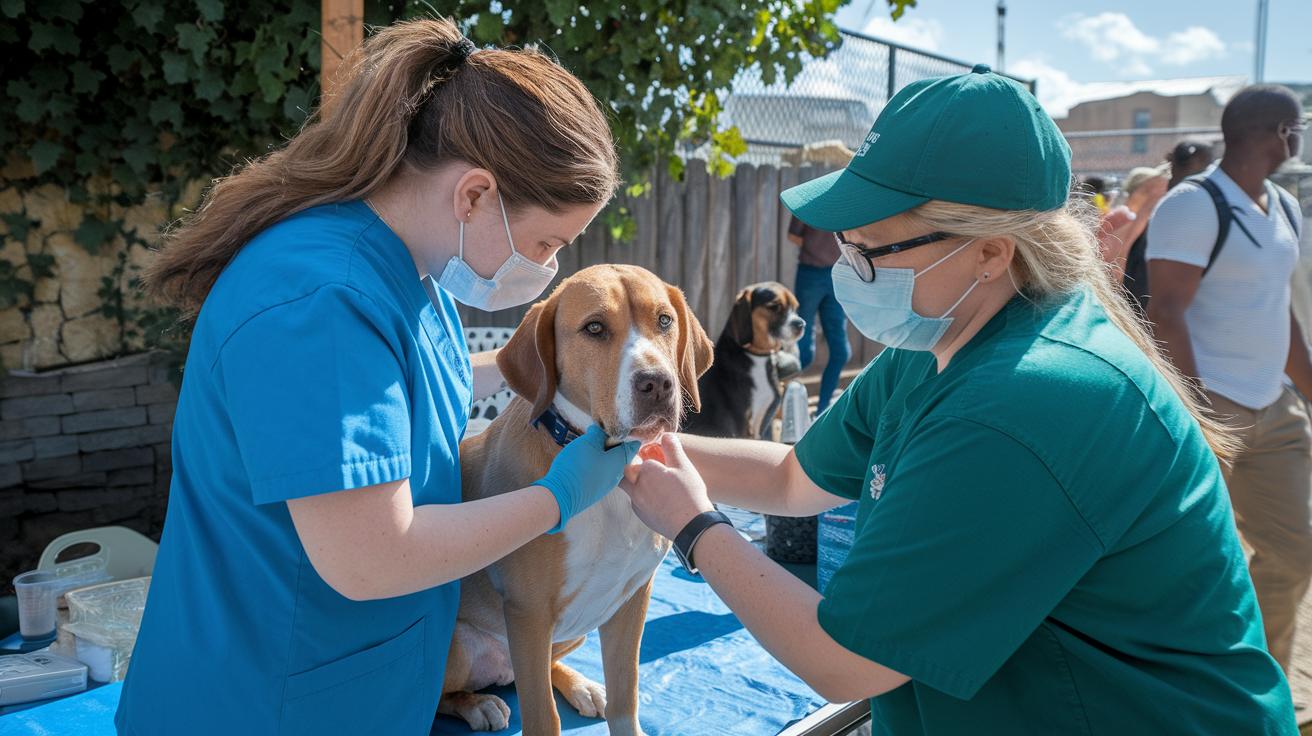
img-2.jpg

Real-life examples show how combining skills from different fields can really change the way we manage health. When experts join forces, using coordinated outbreak response, keeping an eye on diseases in nature, and taking steps to stop illnesses before they jump between species, communities can act fast against new threats. For example, when teams mixed bird environment sampling with poultry shots and vet check-ups, avian influenza outbreaks dropped by 65%. And when mass dog shots were paired with timely human treatments and community learning, rabies cases fell by over 70%. In one region, a unified COVID-19 approach, blending market monitoring, public vaccine drives, and better hygiene, slashed transmission by 50%.

Case Study Pathogen Collaborative Measures Outcomes
Avian Influenza H5N1 Wild-bird sampling, poultry vaccination 65% fewer outbreaks
Rabies Control Rabies virus Dog vaccination, PEP, education 70% drop in human cases
COVID-19 Response SARS-CoV-2 Market monitoring, vaccination, hygiene campaigns 50% transmission reduction

Each of these examples teaches us something important. The fight against avian influenza shows that catching problems early and acting on them makes a big difference. The success in controlling rabies highlights how mixing animal vaccinations with human treatments can boost overall public health. And the COVID-19 response reminds us that bringing together different experts and community efforts really helps us adapt quickly in a crisis.

All in all, these case studies offer a clear roadmap for fighting infectious threats. Working together across sectors creates a strong, resilient defense that protects both people and animals, proving that unity isn’t just powerful, it’s essential.

Challenges and Barriers to the One Health Approach

Data-sharing silos make it tough for the One Health approach. When human health agencies, veterinary clinics, and environmental experts keep their own records, important insights get locked away. For example, imagine a lab spotting a new animal virus but not sharing the news fast enough for human health teams to act. This lack of shared info slows down coordinated decisions.

Insufficient funding is another big roadblock. Limited budgets mean there’s not enough money for joint research or to improve our tech and data systems. In smaller regions, funds can run so tight that cross-sector efforts stall for years. This shows how financial challenges can seriously undermine the integration we need.

Fragmented policy frameworks add to the confusion. When rules at the federal and local levels don’t match up, chances to intervene effectively slip away. A mismatch in regulations can leave experts uncertain about the right steps, delaying responses and breaking down coordinated efforts.

A shortage of cross-disciplinary training also creates challenges. Many professionals stick to learning within their own fields, missing out on the benefits of other areas. For instance, a doctor might not pick up on vital lab details from a veterinary technician. This gap in knowledge can weaken our overall ability to respond to emerging health threats.

Lastly, coordinating efforts to manage antibiotic use and fight drug resistance remains a tricky task. When different sectors follow different guidelines, it becomes hard to enforce unified practices. Without standardized monitoring protocols, key players often struggle when new resistance trends emerge, posing ongoing risks to both humans and animals.

Policy, Collaboration, and Future Directions for the One Health Approach

img-3.jpg

Global policies are increasingly working together to pave the way for unified response strategies and smarter ways to predict health risks. Imagine getting real-time outbreak forecasts on your phone, just like checking a weather update, to help keep your community safe. Initiatives such as the WHO-FAO-OIE Tripartite Collaboration are laying the groundwork for a future where data and resources merge seamlessly across different sectors. By sharing information broadly, we can create simple, effective methods to spot health risks early and act quickly. Think of it like baking a perfect loaf of bread: you gather the finest ingredients, mix them just right, and watch it rise into something amazing.

On the education and training side, interdisciplinary programs are blooming all over the world. More professionals are enrolling in One Health courses, like Masters and Continuous Professional Development classes, that break down the usual barriers between veterinary, public, and environmental health. Imagine a one-stop online hub where local practitioners and global policymakers can share the latest health insights. This kind of platform ensures that everyone, whether in a small community clinic or a major health agency, is equipped to work together and tackle risks head-on. Truly, it’s a refreshing shift toward coordinated action in the face of modern health challenges.

Final Words

In the action, we explored how the one health approach weaves together human, animal, and environmental health through integrated strategies and real-life case studies. The blog examined multidisciplinary management, global milestones, and challenges such as funding and data silos. It also highlighted emerging policies and interdisciplinary training that promise a more connected future. Small steps today lead to better health outcomes tomorrow. Keep moving forward with confidence in the one health approach.

FAQ

What is the One Health approach?

The One Health approach defines an integrated strategy that unites human, animal, and environmental health into a cohesive framework aiming to achieve sustainable, shared wellness.

What are the three key components of One Health?

The three key components are human, animal, and ecosystem health. Each part interconnects to prevent and control diseases that can cross between species and affect the broader environment.

What are examples of the One Health model in practice?

One Health examples include avian influenza control, rabies reduction through mass vaccination, and integrated COVID-19 responses, all using cross-disciplinary collaboration to achieve significant health improvements.

How does the One Health approach tackle zoonotic diseases?

The approach targets zoonotic diseases by combining animal surveillance, environmental monitoring, and human health strategies, which work together to detect and manage potential disease spillovers promptly.

How does the One Health approach address antimicrobial resistance?

The approach combats antimicrobial resistance by fostering cross-sector data sharing and joint antibiotic stewardship, aligning treatment guidelines from human, veterinary, and environmental health to minimize resistance development.

What are the 4 C’s of One Health?

The 4 C’s—collaboration, coordination, communication, and capacity—emphasize the commitment of diverse sectors working together seamlessly to address complex health challenges through unified efforts.

Where can I find One Health PDFs and PPTs?

One Health PDFs and PPTs are available through reputable sources like the CDC, academic institutions, and international public health agencies that provide accessible, research-backed materials online.

What role does the CDC play in the One Health approach?

The CDC plays a key role by supporting cross-sector collaboration, policy development, and data integration efforts that connect public health, veterinary science, and environmental studies to safeguard community well-being.

Have you ever wondered how your pet’s health, the clean air you breathe, and our environment all connect? One Health shows us that our well-being is a team effort. Imagine a group of experts, from doctors and veterinarians to environmental scientists, all pooling their knowledge to catch problems early, like spotting pollution or signs of breathing difficulties. This approach, based on shared insights, offers a fresh perspective on how our world works together to keep us healthy. In today’s conversation, we’re exploring how combining these fields can strengthen our overall health.

Understanding the One Health Approach: Defining the Integrated Health Strategy

One Health is an approach that brings together human, animal, and environmental health into one unified picture. It’s all about recognizing that what happens in one area, like the air we breathe or the animals around us, can affect every piece of our wellbeing. Local communities even found that when they started tracking pollution, they noticed sudden spikes in breathing problems. Surprising, right?

This strategy is built on teams of experts from diverse fields such as medicine, veterinary science, nursing, dentistry, and environmental science. Each field adds its own unique perspective. For example, a veterinarian might spot early signs in animals that hint at diseases potentially affecting people, while environmental data can alert health professionals to step in quickly. Think of it like a group of researchers working together to investigate waterborne germs, showing how teamwork creates stronger, faster responses.

Worldwide, the One Health idea has won strong support. Over 114 national and international organizations, including the CDC and USDA, back this approach, and more than 1,200 scientists, doctors, and veterinarians are actively involved in research and advocacy. Their combined efforts remind us that human health, animal health, and the environment are deeply intertwined. In short, our future health depends on collaboration across many different fields.

One Health Approach: Seamless Health Integration

img-1.jpg

This approach began with a fresh idea that brought together voices from medicine, animal health, and environmental science. Early on, experts from these areas joined forces, sharing research and strategies to control diseases that pass from animals to humans. A simple website helped connect data and expertise, making it easier to spot outbreaks before they took hold. This early effort set a solid foundation that later influenced health policies worldwide.

  • April 2006 – A website launch introduced this global concept
  • 2010 – The first worldwide expert meeting created a platform for open dialogue
  • November 3, 2016 – The first One Health Day celebrated and spotlighted this approach
  • February 2021 – A complete platform update was rolled out to meet modern health challenges

Later, forming dedicated groups pushed the idea even further. A Task Group and Guidance Team were set up to keep all the different experts working together smoothly. Their ongoing efforts fine-tune the processes and widen the outreach, making sure that working together, sharing research, and controlling zoonoses stay at the core of this growing global health strategy.

Core Principles Guiding the One Health Approach

Humans, animals, and nature are all connected in a way that each affects the other. Think about a beehive, if one bee is missing, the whole colony feels it. In the same vein, even a small change in the environment can influence both our health and that of animals around us.

We work together through integrated prevention measures to stop illnesses that travel from animals to people. For example, when we run a combined vaccination program for pets and livestock, it not only shields the animals but also lowers the chance of diseases spreading to our communities. Experts in veterinary and public health join forces to spot potential issues early on.

We keep an eye on the natural world by regularly checking soils, water, and air for harmful germs. Picture it like watching for storm clouds, a small change in water quality or soil makeup can signal bigger problems ahead if not addressed.

Our study of the overlap between people and wildlife looks at how both interact in shared spaces. By blending eco-epidemiology with traditional public health tools, we get a clearer picture of disease risks. For instance, mapping out where people and animals frequently meet helps us design smart interventions that protect both our communities and the environments we all rely on.

One Health Approach in Practice: Case Studies in Cross‐Sectoral Health Governance

img-2.jpg

Real-life examples show how combining skills from different fields can really change the way we manage health. When experts join forces, using coordinated outbreak response, keeping an eye on diseases in nature, and taking steps to stop illnesses before they jump between species, communities can act fast against new threats. For example, when teams mixed bird environment sampling with poultry shots and vet check-ups, avian influenza outbreaks dropped by 65%. And when mass dog shots were paired with timely human treatments and community learning, rabies cases fell by over 70%. In one region, a unified COVID-19 approach, blending market monitoring, public vaccine drives, and better hygiene, slashed transmission by 50%.

Case Study Pathogen Collaborative Measures Outcomes
Avian Influenza H5N1 Wild-bird sampling, poultry vaccination 65% fewer outbreaks
Rabies Control Rabies virus Dog vaccination, PEP, education 70% drop in human cases
COVID-19 Response SARS-CoV-2 Market monitoring, vaccination, hygiene campaigns 50% transmission reduction

Each of these examples teaches us something important. The fight against avian influenza shows that catching problems early and acting on them makes a big difference. The success in controlling rabies highlights how mixing animal vaccinations with human treatments can boost overall public health. And the COVID-19 response reminds us that bringing together different experts and community efforts really helps us adapt quickly in a crisis.

All in all, these case studies offer a clear roadmap for fighting infectious threats. Working together across sectors creates a strong, resilient defense that protects both people and animals, proving that unity isn’t just powerful, it’s essential.

Challenges and Barriers to the One Health Approach

Data-sharing silos make it tough for the One Health approach. When human health agencies, veterinary clinics, and environmental experts keep their own records, important insights get locked away. For example, imagine a lab spotting a new animal virus but not sharing the news fast enough for human health teams to act. This lack of shared info slows down coordinated decisions.

Insufficient funding is another big roadblock. Limited budgets mean there’s not enough money for joint research or to improve our tech and data systems. In smaller regions, funds can run so tight that cross-sector efforts stall for years. This shows how financial challenges can seriously undermine the integration we need.

Fragmented policy frameworks add to the confusion. When rules at the federal and local levels don’t match up, chances to intervene effectively slip away. A mismatch in regulations can leave experts uncertain about the right steps, delaying responses and breaking down coordinated efforts.

A shortage of cross-disciplinary training also creates challenges. Many professionals stick to learning within their own fields, missing out on the benefits of other areas. For instance, a doctor might not pick up on vital lab details from a veterinary technician. This gap in knowledge can weaken our overall ability to respond to emerging health threats.

Lastly, coordinating efforts to manage antibiotic use and fight drug resistance remains a tricky task. When different sectors follow different guidelines, it becomes hard to enforce unified practices. Without standardized monitoring protocols, key players often struggle when new resistance trends emerge, posing ongoing risks to both humans and animals.

Policy, Collaboration, and Future Directions for the One Health Approach

img-3.jpg

Global policies are increasingly working together to pave the way for unified response strategies and smarter ways to predict health risks. Imagine getting real-time outbreak forecasts on your phone, just like checking a weather update, to help keep your community safe. Initiatives such as the WHO-FAO-OIE Tripartite Collaboration are laying the groundwork for a future where data and resources merge seamlessly across different sectors. By sharing information broadly, we can create simple, effective methods to spot health risks early and act quickly. Think of it like baking a perfect loaf of bread: you gather the finest ingredients, mix them just right, and watch it rise into something amazing.

On the education and training side, interdisciplinary programs are blooming all over the world. More professionals are enrolling in One Health courses, like Masters and Continuous Professional Development classes, that break down the usual barriers between veterinary, public, and environmental health. Imagine a one-stop online hub where local practitioners and global policymakers can share the latest health insights. This kind of platform ensures that everyone, whether in a small community clinic or a major health agency, is equipped to work together and tackle risks head-on. Truly, it’s a refreshing shift toward coordinated action in the face of modern health challenges.

Final Words

In the action, we explored how the one health approach weaves together human, animal, and environmental health through integrated strategies and real-life case studies. The blog examined multidisciplinary management, global milestones, and challenges such as funding and data silos. It also highlighted emerging policies and interdisciplinary training that promise a more connected future. Small steps today lead to better health outcomes tomorrow. Keep moving forward with confidence in the one health approach.

FAQ

What is the One Health approach?

The One Health approach defines an integrated strategy that unites human, animal, and environmental health into a cohesive framework aiming to achieve sustainable, shared wellness.

What are the three key components of One Health?

The three key components are human, animal, and ecosystem health. Each part interconnects to prevent and control diseases that can cross between species and affect the broader environment.

What are examples of the One Health model in practice?

One Health examples include avian influenza control, rabies reduction through mass vaccination, and integrated COVID-19 responses, all using cross-disciplinary collaboration to achieve significant health improvements.

How does the One Health approach tackle zoonotic diseases?

The approach targets zoonotic diseases by combining animal surveillance, environmental monitoring, and human health strategies, which work together to detect and manage potential disease spillovers promptly.

How does the One Health approach address antimicrobial resistance?

The approach combats antimicrobial resistance by fostering cross-sector data sharing and joint antibiotic stewardship, aligning treatment guidelines from human, veterinary, and environmental health to minimize resistance development.

What are the 4 C’s of One Health?

The 4 C’s—collaboration, coordination, communication, and capacity—emphasize the commitment of diverse sectors working together seamlessly to address complex health challenges through unified efforts.

Where can I find One Health PDFs and PPTs?

One Health PDFs and PPTs are available through reputable sources like the CDC, academic institutions, and international public health agencies that provide accessible, research-backed materials online.

What role does the CDC play in the One Health approach?

The CDC plays a key role by supporting cross-sector collaboration, policy development, and data integration efforts that connect public health, veterinary science, and environmental studies to safeguard community well-being.

More from author

LEAVE A REPLY

Please enter your comment!
Please enter your name here

Related posts

Advertismentspot_img

Latest posts

How To Create A Daily Wellness Routine: Thriving

Curious about how to create a daily wellness routine that transforms your mornings and days? Read on as secrets await…

2 Daily Wellness Drink Tips For Radiance

Experience a daily wellness drink with natural herbs, green ingredients, and clinical backing that might change your routine forever, stay tuned.

Daily Wellness: Elevate Your Everyday Vitality

Daily wellness transforms everyday routines into mindful adjustments, merging nutrition, movement, and restorative sleep. What unforeseen practice awaits you next?

Want to stay up to date with the latest news?

We would love to hear from you! Please fill in your details and we will stay in touch. It's that simple!