Challenges In Replicating Breakthrough Research Findings!

Can we truly rely on breakthrough research when only a few studies repeat the same results? Recent findings reveal that many experiments falter when scientists try to duplicate them. Think of it like trying to bake your favorite cake without knowing the right measurements for each ingredient. Up to 65% of researchers admit they couldn’t replicate their own work, which highlights significant flaws in our scientific methods. In this blog, we'll walk through the hurdles of reproducing breakthrough findings and explore why these challenges slow scientific progress.

Key Obstacles to Reproducing Breakthrough Research Results

Before we can celebrate a breakthrough, scientists need to be able to repeat the experiment and get the same results. Yet many studies stumble along the way. In fact, up to 65% of researchers admit they couldn’t recreate their own experiments, leaving us to wonder about the initial findings. When results can’t be reproduced, progress slows down and new treatments get delayed.

Consider the Reproducibility Project: Cancer Biology. This project tried to repeat 193 experiments but only managed to confirm 25 of them. Similarly, replications in psychology have reproduced less than half of the original outcomes. These numbers clearly show that something isn’t right, and the problems they reveal can lead to misleading conclusions and hold back future innovations.

  • Incomplete protocols and missing reagent details
  • Small sample sizes and low statistical power
  • Publication bias that favors positive results
  • Variability in experimental conditions
  • Inconsistencies in data interpretation and analysis
  • Limitations in resources and funding

When all these obstacles hit together, they really burden the process of scientific validation. Without complete protocols and precise details, other labs can’t exactly follow the same steps. Small sample sizes might give results that look convincing at first, but they often don’t stand up to closer scrutiny. And when only positive findings get published, it hides the full picture. Different experimental conditions and varied approaches to analyzing data only add to the confusion, while limited funding and resources mean that many important discoveries remain on the shelf.

Methodological Constraints Undermining Reproducibility of Breakthrough Studies

img-1.jpg

Imagine trying to bake a cake without knowing exactly how much flour to use. Detailed protocols are the backbone of reliable research, and missing key information forces scientists to guess important steps. When researchers substitute parts of a method with their own ideas, the experiment’s consistency takes a hit.

Leaving out precise details, like the exact concentration of a chemical or a necessary calibration step, adds even more uncertainty. Without clarity, even careful replication can run into unexpected challenges that alter the final results.

Even tiny variations matter. A slight change in temperature or a vague timing instruction, like "about 20 minutes" for incubation, can divert the outcome when every second counts. These small differences can add up fast, making it really hard to reproduce breakthrough findings reliably.

Statistical Shortcomings and Data Integrity Risks in Reproducing Breakthrough Science

Scientists often push the limits when testing new ideas, but using these tools the wrong way can hide the full picture. Sometimes researchers keep tweaking their analysis until they hit a statistically significant result, a practice called p-hacking, which can lead to many false-positive findings. Equally, when models are tuned too closely to one set of data, their conclusions might fall apart if the experiment is done again. It's a bit like bending a game's rules just enough to win.

Data integrity problems also have a big impact. When some results are selectively reported, or even outright fabricated, it can mask what really happened. Without sharing all the raw data, it’s nearly impossible for others to verify the work or build on it. This lack of transparency can lead to mistakes being carried forward, resulting in studies that stray from reliable, repeatable methods.

The rise of AI and machine learning only adds to these challenges. With opaque algorithms, potential data leaks, and secretive model training processes, it's hard for independent researchers to spot errors or misinterpretations. When these computational details remain hidden, trust in breakthrough science can start to crumble.

Case Studies Highlighting Reproduction Failures of Groundbreaking Findings

img-2.jpg

Real world examples show how hard it can be to replicate breakthrough research. They remind us that even high-profile studies sometimes stumble when others try to repeat their experiments. These examples offer a reality check and highlight that no research area is completely immune to challenges in reproducibility.

Study Experiments Attempted Success Rate Duration Cost
Cancer Biology 193 25% 8 years (avg. 197 weeks per study) $2 million
Psychology 100 <50% Variable Not specified
Alzheimer’s Trials N/A 1% effective (99% failure) Multiple overlapping studies $3.1 billion annually

These cases show that factors like inconsistent methods, small sample sizes, and the constant pressure to produce positive results can skew findings and lead to high failure rates. When only a fraction of experiments succeed, it becomes hard to trust breakthrough research fully. Each failure not only slows scientific progress but also drains precious resources. This evidence is a clear call for researchers and funding organizations to use more transparent and robust methods, so future studies can rest on truly reliable science.

Impact of Publication Bias and Peer Review Gaps on Replication of Breakthrough Studies

Researchers often feel enormous pressure to report new, exciting results. This pressure means that studies with positive outcomes tend to get published, while those with no effect or negative results are pushed aside. In our “publish or perish” culture, this focus on breakthroughs can sometimes lead to skipping over important details that would help others repeat the experiment.

Traditional peer review usually celebrates innovative findings rather than diving deep into every aspect of the study's setup and data. Reviewers might miss checking every tiny detail of the methodology, which means that some mistakes or omissions can slip through. It’s a bit like admiring a beautifully wrapped gift without taking the time to examine what’s inside.

When errors are discovered or misconduct comes to light after publication, the work may face retraction. These retractions can seriously shake our trust in the findings, leaving us wondering how much of the original discovery was solid. This cycle creates uncertainty and makes it challenging for new research to build confidently on past studies.

Evidence-Based Strategies to Address Reproduction Challenges in Breakthrough Research
img-3.jpg

Researchers need to follow proven, step-by-step methods to tackle reproducibility problems. Think of it like laying a firm foundation before building a house. By sticking with clear procedures and sharing every detail openly, scientists set up future studies on rock-solid ground.

Here are some key practices:

When these methods are in place, research works more like a team effort where everyone can double-check findings and spot any gaps. Pre-registering protocols and sharing all data means other experts can review the work easily, just like having a friend proofread your homework. Standardized materials and detailed checklists help cut down on mistakes that might throw off the experiment. Funding for replication studies and strict publication rules encourage accuracy over just chasing novelty.

This friendly, reliable framework supports research that’s both honest and clear. It ensures that breakthrough discoveries stand on firm ground, paving the way for even more trustworthy advancements in the field of science.

Leveraging Technology to Strengthen Reproducibility of Breakthrough Discoveries

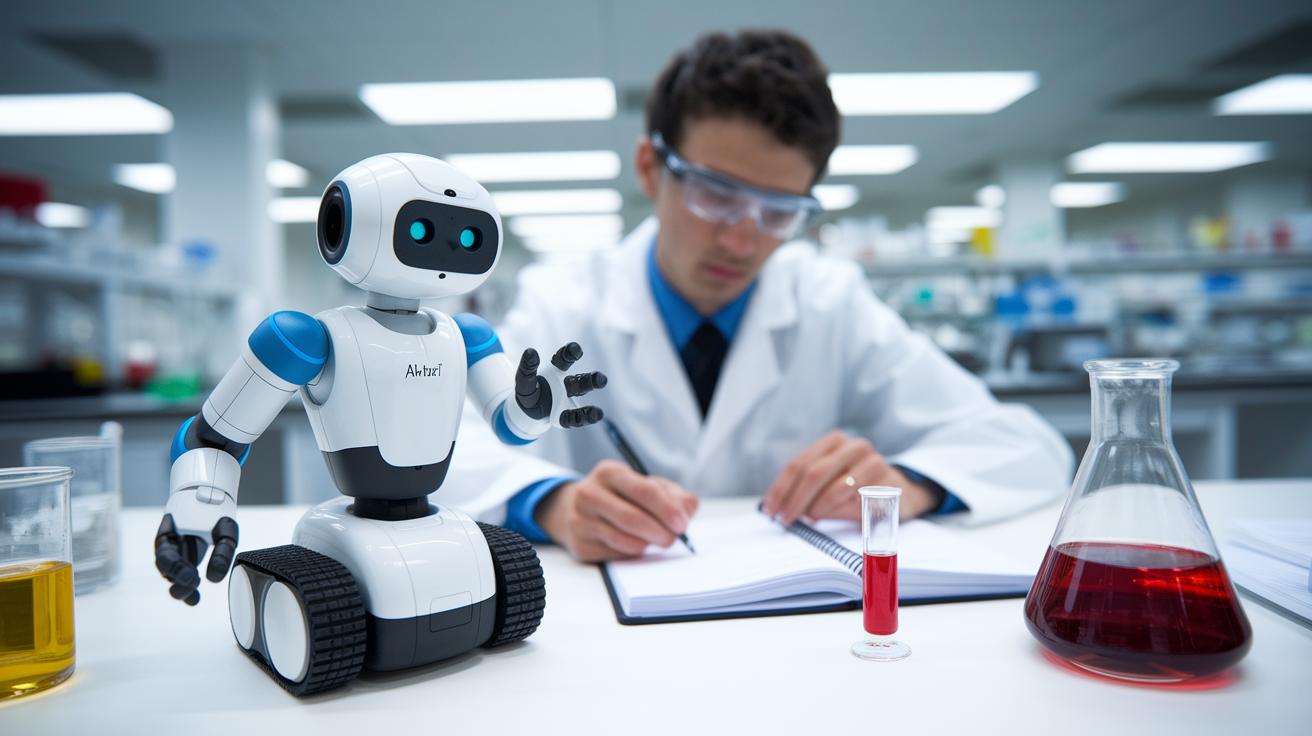
Blockchain technology is changing the game by keeping a clear, unchangeable record of each step in research. Think of it like a digital diary that logs every update and tweak with a timestamp, so you know exactly when and how things happened. Imagine a digital ledger that captures everything, from the detailed plan of an experiment to every little change made along the way. This kind of openness builds trust by ensuring that nothing ever goes unnoticed.

Automated lab robots and digital lab notebooks also play a big role in reducing mistakes. Robots take care of repetitive tasks with precision, cutting down on human error. Meanwhile, version-controlled code repositories keep a clean, step-by-step record of every action in data analysis. These digital tools work together to create an easy-to-follow audit trail, so scientists can focus on understanding their results rather than retracing every detail. In short, these innovations help pave the way for more reliable, technology-driven breakthroughs.

Final Words

In the action, our blog post explored real-world examples and practical obstacles like incomplete protocols, limited sample sizes, and data misinterpretation that challenge breakthrough research. We stepped through key issues, from methodological flaws to publication bias, demonstrating how each factor adds up to significant hurdles in achieving reliable results.

Amid these challenges in replicating breakthrough research findings, every small step toward transparency and best practices boosts confidence in scientific progress. Embracing these insights can brighten the future of health research.

FAQ

Q: What is the replication crisis?

A: The replication crisis refers to difficulties in reproducing research findings. It highlights issues across fields such as medicine and psychology, where studies often fail to produce consistent results due to methodological and statistical inconsistencies.

Q: Why is it difficult to replicate research?

A: The difficulty in replicating research lies in incomplete protocols, low participant numbers, and subtle changes in experimental conditions. These issues contribute to variations that challenge the reproduction of original findings.

Q: What are the challenges of replication?

A: The challenges of replication include missing protocol details, small sample sizes, publication bias, variations in experimental conditions, data interpretation differences, and limited resources. These factors create hurdles for confirming breakthrough findings.

Q: What is a drawback of replicating research?

A: A drawback of replicating research is that repeated unsuccessful attempts to match original results can cast doubt on study validity, potentially slowing scientific progress and undermining confidence in breakthrough claims.

Q: Why can’t some psychology studies be replicated?

A: In psychology, replication struggles arise from low participant numbers, subtle shifts in experimental settings, and unclear methodological details. These factors lead to inconsistent results and raise concerns about study reliability.

Q: Is high replicability of newly discovered social-behavioral findings achievable?

A: High replicability of social-behavioral findings is achievable when strict protocols, standardized procedures, and robust statistical analyses are used. These measures help reduce variance and improve the consistency of research outcomes.

Can we truly rely on breakthrough research when only a few studies repeat the same results? Recent findings reveal that many experiments falter when scientists try to duplicate them. Think of it like trying to bake your favorite cake without knowing the right measurements for each ingredient. Up to 65% of researchers admit they couldn’t replicate their own work, which highlights significant flaws in our scientific methods. In this blog, we'll walk through the hurdles of reproducing breakthrough findings and explore why these challenges slow scientific progress.

Key Obstacles to Reproducing Breakthrough Research Results

Before we can celebrate a breakthrough, scientists need to be able to repeat the experiment and get the same results. Yet many studies stumble along the way. In fact, up to 65% of researchers admit they couldn’t recreate their own experiments, leaving us to wonder about the initial findings. When results can’t be reproduced, progress slows down and new treatments get delayed.

Consider the Reproducibility Project: Cancer Biology. This project tried to repeat 193 experiments but only managed to confirm 25 of them. Similarly, replications in psychology have reproduced less than half of the original outcomes. These numbers clearly show that something isn’t right, and the problems they reveal can lead to misleading conclusions and hold back future innovations.

  • Incomplete protocols and missing reagent details
  • Small sample sizes and low statistical power
  • Publication bias that favors positive results
  • Variability in experimental conditions
  • Inconsistencies in data interpretation and analysis
  • Limitations in resources and funding

When all these obstacles hit together, they really burden the process of scientific validation. Without complete protocols and precise details, other labs can’t exactly follow the same steps. Small sample sizes might give results that look convincing at first, but they often don’t stand up to closer scrutiny. And when only positive findings get published, it hides the full picture. Different experimental conditions and varied approaches to analyzing data only add to the confusion, while limited funding and resources mean that many important discoveries remain on the shelf.

Methodological Constraints Undermining Reproducibility of Breakthrough Studies

img-1.jpg

Imagine trying to bake a cake without knowing exactly how much flour to use. Detailed protocols are the backbone of reliable research, and missing key information forces scientists to guess important steps. When researchers substitute parts of a method with their own ideas, the experiment’s consistency takes a hit.

Leaving out precise details, like the exact concentration of a chemical or a necessary calibration step, adds even more uncertainty. Without clarity, even careful replication can run into unexpected challenges that alter the final results.

Even tiny variations matter. A slight change in temperature or a vague timing instruction, like "about 20 minutes" for incubation, can divert the outcome when every second counts. These small differences can add up fast, making it really hard to reproduce breakthrough findings reliably.

Statistical Shortcomings and Data Integrity Risks in Reproducing Breakthrough Science

Scientists often push the limits when testing new ideas, but using these tools the wrong way can hide the full picture. Sometimes researchers keep tweaking their analysis until they hit a statistically significant result, a practice called p-hacking, which can lead to many false-positive findings. Equally, when models are tuned too closely to one set of data, their conclusions might fall apart if the experiment is done again. It's a bit like bending a game's rules just enough to win.

Data integrity problems also have a big impact. When some results are selectively reported, or even outright fabricated, it can mask what really happened. Without sharing all the raw data, it’s nearly impossible for others to verify the work or build on it. This lack of transparency can lead to mistakes being carried forward, resulting in studies that stray from reliable, repeatable methods.

The rise of AI and machine learning only adds to these challenges. With opaque algorithms, potential data leaks, and secretive model training processes, it's hard for independent researchers to spot errors or misinterpretations. When these computational details remain hidden, trust in breakthrough science can start to crumble.

Case Studies Highlighting Reproduction Failures of Groundbreaking Findings

img-2.jpg

Real world examples show how hard it can be to replicate breakthrough research. They remind us that even high-profile studies sometimes stumble when others try to repeat their experiments. These examples offer a reality check and highlight that no research area is completely immune to challenges in reproducibility.

Study Experiments Attempted Success Rate Duration Cost
Cancer Biology 193 25% 8 years (avg. 197 weeks per study) $2 million
Psychology 100 <50% Variable Not specified
Alzheimer’s Trials N/A 1% effective (99% failure) Multiple overlapping studies $3.1 billion annually

These cases show that factors like inconsistent methods, small sample sizes, and the constant pressure to produce positive results can skew findings and lead to high failure rates. When only a fraction of experiments succeed, it becomes hard to trust breakthrough research fully. Each failure not only slows scientific progress but also drains precious resources. This evidence is a clear call for researchers and funding organizations to use more transparent and robust methods, so future studies can rest on truly reliable science.

Impact of Publication Bias and Peer Review Gaps on Replication of Breakthrough Studies

Researchers often feel enormous pressure to report new, exciting results. This pressure means that studies with positive outcomes tend to get published, while those with no effect or negative results are pushed aside. In our “publish or perish” culture, this focus on breakthroughs can sometimes lead to skipping over important details that would help others repeat the experiment.

Traditional peer review usually celebrates innovative findings rather than diving deep into every aspect of the study's setup and data. Reviewers might miss checking every tiny detail of the methodology, which means that some mistakes or omissions can slip through. It’s a bit like admiring a beautifully wrapped gift without taking the time to examine what’s inside.

When errors are discovered or misconduct comes to light after publication, the work may face retraction. These retractions can seriously shake our trust in the findings, leaving us wondering how much of the original discovery was solid. This cycle creates uncertainty and makes it challenging for new research to build confidently on past studies.

Evidence-Based Strategies to Address Reproduction Challenges in Breakthrough Research

img-3.jpg

Researchers need to follow proven, step-by-step methods to tackle reproducibility problems. Think of it like laying a firm foundation before building a house. By sticking with clear procedures and sharing every detail openly, scientists set up future studies on rock-solid ground.

Here are some key practices:

When these methods are in place, research works more like a team effort where everyone can double-check findings and spot any gaps. Pre-registering protocols and sharing all data means other experts can review the work easily, just like having a friend proofread your homework. Standardized materials and detailed checklists help cut down on mistakes that might throw off the experiment. Funding for replication studies and strict publication rules encourage accuracy over just chasing novelty.

This friendly, reliable framework supports research that’s both honest and clear. It ensures that breakthrough discoveries stand on firm ground, paving the way for even more trustworthy advancements in the field of science.

Leveraging Technology to Strengthen Reproducibility of Breakthrough Discoveries

Blockchain technology is changing the game by keeping a clear, unchangeable record of each step in research. Think of it like a digital diary that logs every update and tweak with a timestamp, so you know exactly when and how things happened. Imagine a digital ledger that captures everything, from the detailed plan of an experiment to every little change made along the way. This kind of openness builds trust by ensuring that nothing ever goes unnoticed.

Automated lab robots and digital lab notebooks also play a big role in reducing mistakes. Robots take care of repetitive tasks with precision, cutting down on human error. Meanwhile, version-controlled code repositories keep a clean, step-by-step record of every action in data analysis. These digital tools work together to create an easy-to-follow audit trail, so scientists can focus on understanding their results rather than retracing every detail. In short, these innovations help pave the way for more reliable, technology-driven breakthroughs.

Final Words

In the action, our blog post explored real-world examples and practical obstacles like incomplete protocols, limited sample sizes, and data misinterpretation that challenge breakthrough research. We stepped through key issues, from methodological flaws to publication bias, demonstrating how each factor adds up to significant hurdles in achieving reliable results.

Amid these challenges in replicating breakthrough research findings, every small step toward transparency and best practices boosts confidence in scientific progress. Embracing these insights can brighten the future of health research.

FAQ

Q: What is the replication crisis?

A: The replication crisis refers to difficulties in reproducing research findings. It highlights issues across fields such as medicine and psychology, where studies often fail to produce consistent results due to methodological and statistical inconsistencies.

Q: Why is it difficult to replicate research?

A: The difficulty in replicating research lies in incomplete protocols, low participant numbers, and subtle changes in experimental conditions. These issues contribute to variations that challenge the reproduction of original findings.

Q: What are the challenges of replication?

A: The challenges of replication include missing protocol details, small sample sizes, publication bias, variations in experimental conditions, data interpretation differences, and limited resources. These factors create hurdles for confirming breakthrough findings.

Q: What is a drawback of replicating research?

A: A drawback of replicating research is that repeated unsuccessful attempts to match original results can cast doubt on study validity, potentially slowing scientific progress and undermining confidence in breakthrough claims.

Q: Why can’t some psychology studies be replicated?

A: In psychology, replication struggles arise from low participant numbers, subtle shifts in experimental settings, and unclear methodological details. These factors lead to inconsistent results and raise concerns about study reliability.

Q: Is high replicability of newly discovered social-behavioral findings achievable?

A: High replicability of social-behavioral findings is achievable when strict protocols, standardized procedures, and robust statistical analyses are used. These measures help reduce variance and improve the consistency of research outcomes.

More from author

LEAVE A REPLY

Please enter your comment!
Please enter your name here

Related posts

Advertismentspot_img

Latest posts

How To Create A Daily Wellness Routine: Thriving

Curious about how to create a daily wellness routine that transforms your mornings and days? Read on as secrets await…

2 Daily Wellness Drink Tips For Radiance

Experience a daily wellness drink with natural herbs, green ingredients, and clinical backing that might change your routine forever, stay tuned.

Daily Wellness: Elevate Your Everyday Vitality

Daily wellness transforms everyday routines into mindful adjustments, merging nutrition, movement, and restorative sleep. What unforeseen practice awaits you next?

Want to stay up to date with the latest news?

We would love to hear from you! Please fill in your details and we will stay in touch. It's that simple!