Ever feel completely drained, like you're running on empty? You’re not alone, 76% of U.S. workers say that burnout is a real struggle. Self-care isn’t just a luxury; it’s a lifesaver. Imagine a simple daily routine that refreshes your mind and body like a quick morning boost.
Stress can creep in unexpectedly, leaving you worn out and overwhelmed. Today, I’m sharing three easy, evidence-backed strategies to help keep burnout at bay and recharge your energy. These steps can give you a fresh spark to tackle your day with renewed vigor.
Essential Self Care for Burnout: Core Recovery Strategies
Burnout is what happens when long-term stress leaves you feeling completely drained, both mentally and physically. Did you know that 76% of U.S. workers have felt burnt out at some point in the past year? This shows why it’s so important to have simple self-care routines that not only help you find your inner balance but also build stronger, more caring relationships at work.
When you use targeted self-care, you can break the cycle of stress before it overwhelms you. Instead of letting exhaustion win slowly, a quick self-care routine can really power up your day. Here are three practical and proven strategies to help manage stress in a snap:
-
Deep Breathing Break (5 minutes)
Take a moment to focus on your breathing. Close your eyes, breathe in slowly for about 4 counts, and then exhale gently for another 4 counts. Keep repeating this until you feel that wave of calm. It’s a quick way to help reset your body and mind. -
Micro-Walk Therapy (10 minutes)
Stand up and take a quick, brisk walk, even if it’s just around your room or office. A change of scenery paired with a breath of fresh air can clear your head and boost your energy levels. -
Journaling Session (5 minutes)
Spend a few minutes writing down your thoughts. It could be anything on your mind. This simple practice not only helps you understand your feelings better but also lets you check in with yourself to see how you’re doing.
Each of these simple routines gives you a handy tool to reduce stress, protect your well-being, and keep burnout at arm’s length.
Recognizing Burnout Early: Signs and Self-Assessment

It all starts with tuning in to the messages your body sends. When daily tasks begin to feel overwhelmingly heavy or you’re constantly running low on energy, it might be time to pause and reflect. These everyday signals can be hints that you’re on the brink of burnout, so keeping an eye on your emotional and physical well-being is really important.
Here are six common signs that you might be experiencing burnout:
- Persistent fatigue
- Irritability
- Brain fog
- Sleep issues
- Frequent headaches
- Loss of motivation
Imagine this: it’s mid-afternoon and you feel completely drained, as if your body is begging for a break. Have you ever woken up feeling just as tired, even after a full night’s sleep, or found that even small setbacks make you unusually upset? These questions can help you pinpoint the stress building up inside you.
A quick self-check like this can really help you spot where the stress is coming from before it escalates any further. For example, if you notice trouble sleeping or feel extra foggy-headed, consider taking a short pause to reflect and recharge. Balancing these moments of self-care with your busy routine might be the key to regaining your energy and keeping burnout at bay.
Designing a Personal Recovery Roadmap with Self Care for Burnout
Start by figuring out what stressors are weighing you down. Imagine drawing a simple map where work deadlines, family demands, or even random moments of self-doubt leave little bumps along your daily path. A handy tip? Write them down or use a phone app to note each stress trigger as it comes.
Next, pick three self-care goals that feel doable and true to you. Maybe you decide to spend less time in front of screens after work, whip up a healthy meal a few times a week, or add a brief period of mindfulness to your day. These goals serve as your stepping stones on the path to feeling better.
Then, look for small changes you can make right now. For example, you might take a short walk at lunch or spend a few quiet minutes doing deep breathing exercises. This is about simple, actionable tweaks, just one or two small adjustments that can lighten your daily load.
After that, consider reaching out for support. Talk with a trusted friend, coworker, or even schedule time with a therapist. Just like sharing a favorite recipe, chatting about your challenges can open up fresh perspectives and new ideas. Having someone to lean on might be exactly what you need to see things a bit differently.
Finally, think about what you eat. Adding simple dietary tweaks, like those outlined in these nutritional strategies for stress management, might boost your energy and lift your mood. Keep checking in with yourself to see if your self-care goals are working, and adjust your plan along the way. This step-by-step approach can help you reclaim your energy and manage burnout one day at a time.
Restorative Practices to Recharge Energy After Burnout
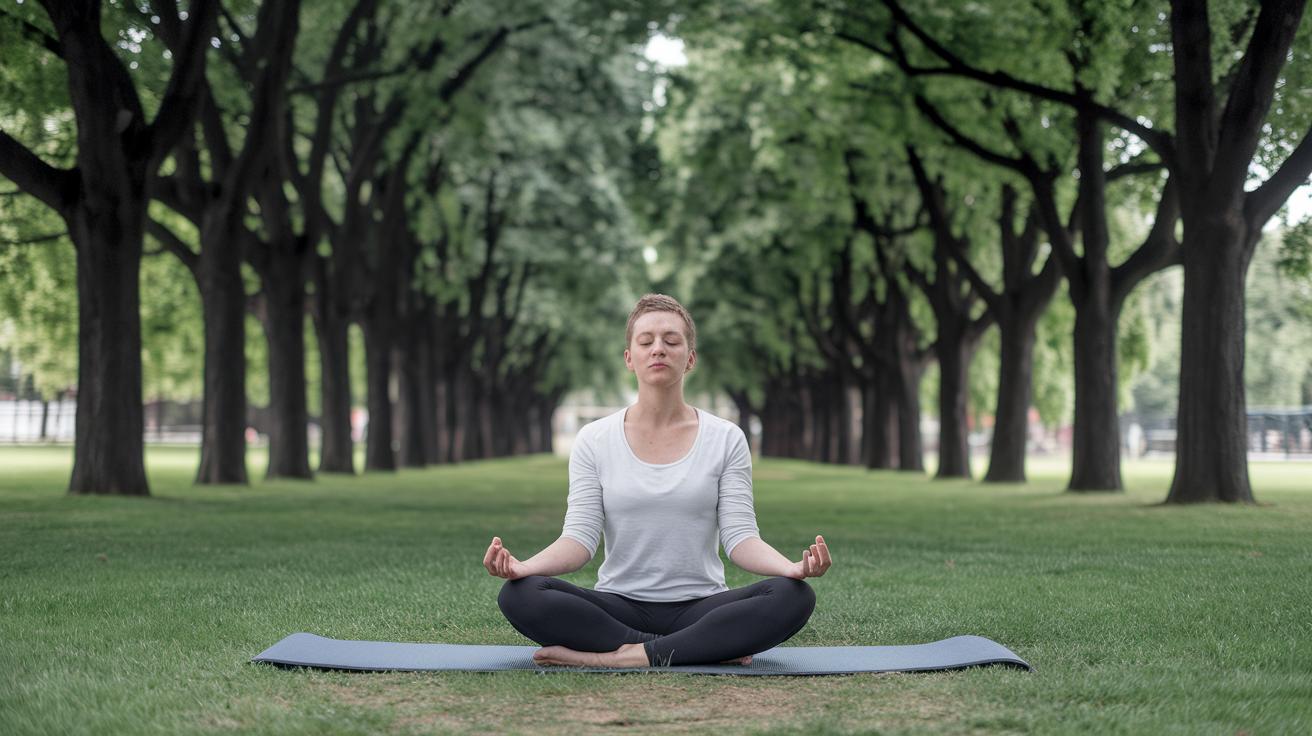
Taking a few short, regular breaks can help you shake off stress and welcome back a calm, centered feeling. Research shows that these brief daily moments can cut your anxiety by nearly 25%. Let’s dive into four gentle exercises you can easily weave into your day:
-
Focused Breathing (5 minutes, quiet space)
Find a comfy, quiet spot and sit down. Close your eyes, and slowly breathe in for a count of four, hold for two, and exhale gently for four counts. Keep this pattern going while you remind yourself, “I am present and here.” It’s a simple way to reset your thoughts and ease stress quickly. -
Guided Imagery (10 minutes, peaceful environment)
Settle into a cozy seat or lie down somewhere free from distractions. Close your eyes and imagine a soothing place, like a quiet beach at sunrise. Picture the soft sound of gentle waves, feel a cool breeze, and notice the warm touch of the sun. Let these sensory details wash away any tension. -
Gentle Yoga Flow (20 minutes, open and relaxed space)
Roll out a yoga mat in a space where you feel relaxed and unconfined. Begin with slow, easy stretches and ease into a gentle sequence that soothes both your muscles and your mind. This routine not only recharges your energy but also clearly marks the shift from busy work to much-needed rest. -
Self-Compassion Pause (5 minutes, reflective area)
Sit quietly and speak kind words to yourself. A simple affirmation like “I am doing my best and deserve this break” can play a powerful role in calming your inner critic. Allow yourself to feel these words deeply without judgment.
Try to make these practices a regular part of your day, a morning pause with focused breathing, a mid-day escape with guided imagery, some gentle yoga in the early evening, and a self-compassion moment before bedtime. Over time, you might find that these small breaks build a big bridge from burnout back to balance.
Daily Lifestyle Adjustments for Sustained Burnout Self Care
Creating a daily routine can really help ease burnout. Start your day with a few minutes of mindfulness, it’s like setting a gentle tone for everything that follows. Later, a short stroll outside, even just 15 minutes in nature, can clear away that mental fog. Taking these planned breaks not only keeps your mind sharp but also helps you unwind and sleep better at night.
Below is a simple daily schedule to inspire your routine:
| Time | Activity | Benefit |
|---|---|---|
| 7:00 AM | Morning Mindfulness (10 min) | Sets a calm, positive tone |
| 12:00 PM | Midday Walk (15 min) | Refreshes your energy and focus |
| 2:00 PM | Afternoon Micro-Break (5 min) | Stops fatigue from building up |
| 6:00 PM | Evening Wind-Down (30 min) | Helps your body get ready for sleep |
| 9:00 PM | Sleep & Nutrition Check | Boosts recovery and improves sleep quality |
Here are seven practical tips to keep your energy up and manage burnout:
- Begin with a short mindfulness exercise to settle your thoughts.
- Enjoy a quick midday walk, even a little stroll can spark fresh energy.
- Take small breaks every hour to help keep your energy steady.
- Establish a calming evening routine to signal that it’s time to relax.
- Improve your sleep habits by setting aside devices before bed.
- Grab a high-protein snack during an afternoon dip for an energy boost.
- Regularly update your schedule to match your work demands and personal energy levels.
Try incorporating these changes into your day. They can help balance work pressures while keeping both your mind and body refreshed and resilient.
Building Resilience and Preventing Burnout Relapse

Taking care of yourself over the long haul isn’t about quick fixes, it's about creating habits that help you recover when life gets challenging. Regular check-ins with yourself and setting clear work boundaries can stop stress before it builds up. And sometimes, mixing your everyday routine with a bit of professional support can be a real game changer. One health pro even shared that by firmly setting work hours and doing regular mental check-ins, they managed to find work-life balance in just eight weeks.
Try these six down-to-earth tips to build up your own resilience:
- Regular Self-Check-Ins: Every few days, pause and ask, "How am I feeling today?" This simple question can catch early signs of stress or relief.
- Establishing Clear Work Boundaries: Pick a set time to shut down work, like turning your computer off, to protect your personal time.
- Measurement-Based Mental Health Reviews: Keep an eye on your mood and energy by tracking how you feel over a week, so you know if you need to tweak your routine.
- Periodic Boundary Reviews: Regularly reassess your work-life limits by asking, "Are these boundaries still working for me?" Adjust as needed.
- Occasional Mental Health Breaks: Know when to step back. If things feel overwhelming, consider discussing a short break with your employer.
- Seeking Organizational Support: Connect with supportive colleagues or groups at work where you can share ideas and ways to take care of yourself.
Taking a moment for self-evaluation with these simple steps can help maintain balance over time, turning self-care into a lasting, everyday practice.
Final Words
In the action, we explored practical steps to reduce burnout and embrace wellness tactics that fit into busy lives. We identified key warning signs and crafted a personal recovery plan that includes restorative practices and daily lifestyle adjustments. Small but meaningful routines can pave the way for a healthier mindset and balanced living. By integrating self care for burnout habits, you can focus on building resilience and preventing future burnout. Enjoy the process and keep nurturing your well-being every day.
FAQ
How can self-care help prevent burnout in nursing?
Self-care for nursing involves daily practices like mindful breathing, regular breaks, and gentle exercises that help manage stress, boost resilience, and maintain a healthier work-life balance.
Can self-care alone address burnout?
Self-care supports burnout recovery by relieving stress, yet it might not fully resolve burnout. Combining self-care with adjustments at work and professional support typically brings more effective, lasting relief.
How do you recover from burnout while still working?
Recovering from burnout while working means creating short breaks, setting clear boundaries, and incorporating quick stress-relief exercises into your day to maintain energy and focus despite a busy schedule.
What are common burnout symptoms?
Burnout symptoms often include persistent fatigue, irritability, brain fog, sleep issues, frequent headaches, and loss of motivation, which signal the need to implement restorative self-care practices early on.
What activities help students manage burnout?
Students can ease burnout by scheduling regular micro-breaks, engaging in brief mindfulness sessions, and incorporating physical activities into study routines to reduce stress and enhance concentration.
How can psychological approaches help avoid burnout?
Psychological strategies recommend following structured routines, practicing mindfulness, and setting realistic goals. These techniques, paired with regular self-reflection, can help prevent burnout before it deepens.
What defines burnout, compassion fatigue, and self-care?
Burnout is chronic, work-related exhaustion; compassion fatigue refers to emotional strain from caring for others; and self-care involves simple, daily practices that restore energy and mental well-being.
What is burnout training?
Burnout training educates on stress-management techniques, coping strategies, and effective self-care routines that empower individuals to recognize, reduce, and prevent long-term work-related exhaustion.
How can you take care of yourself when feeling burnt out?
Taking care during burnout means pausing to rest, engaging in deep breathing and light movement, and modifying daily routines to gently replenish energy and restore emotional balance.
What is the 42% rule for burnout?
The 42% rule indicates that nearly half of workers report experiencing burnout. This statistic underscores the importance of early self-care practices and workplace adjustments to counter rising stress levels.
How can you use self-care to treat burnout?
Using self-care to treat burnout involves a mix of restorative practices such as brief meditation, structured breaks, and mindful exercises that collectively ease stress and help rebuild physical and emotional resilience.