Have modern cures really left natural healing behind? This topic sparks lively discussions among friends and experts alike. Modern treatments use well-tested drugs and specially designed plans that help ease symptoms quickly. Meanwhile, traditional methods lean on natural herbs and old-school practices passed down through generations.
Each approach has its own perks. Modern therapy offers fast relief backed by science, while traditional care gives you that warm, familiar comfort only time-tested remedies can provide. Let’s look at these ideas up close and see how blending them might lead to a more balanced, healthier life.
Modern vs Traditional Medicine: Core Definitions and Distinctions
Traditional medicine is a healing approach passed down from one generation to the next. According to the WHO, it uses natural herbs and holistic methods that have been trusted for centuries. Imagine a warm herbal tea brewed with age-old ingredients, a comforting remedy that many have relied on for everyday ailments.
Modern medicine, on the other hand, is all about science and careful testing. It uses treatments developed from real patient studies, with precise doses to target specific symptoms. Think of it like a carefully crafted tablet designed to ease pain, even if it comes with a few side effects. Plus, modern care includes methods like acupuncture or chiropractic techniques, all of which have undergone strict testing to make sure they work.
Traditional remedies often steer clear of heavy chemicals, which means fewer side effects even if they don’t always work as quickly. Modern treatments usually provide fast, measurable relief, but the detailed chemical formulas can sometimes lead to unwanted reactions. If you’re curious about how modern treatments can be adjusted just for you, check out more on personalized medicine.
In the end, both methods have their own benefits. They show us how healing has evolved, from the timeless wisdom of natural remedies to the cutting-edge work of clinical science.
Traditional Medicine Practices: Historical Evolution and Cultural Impact
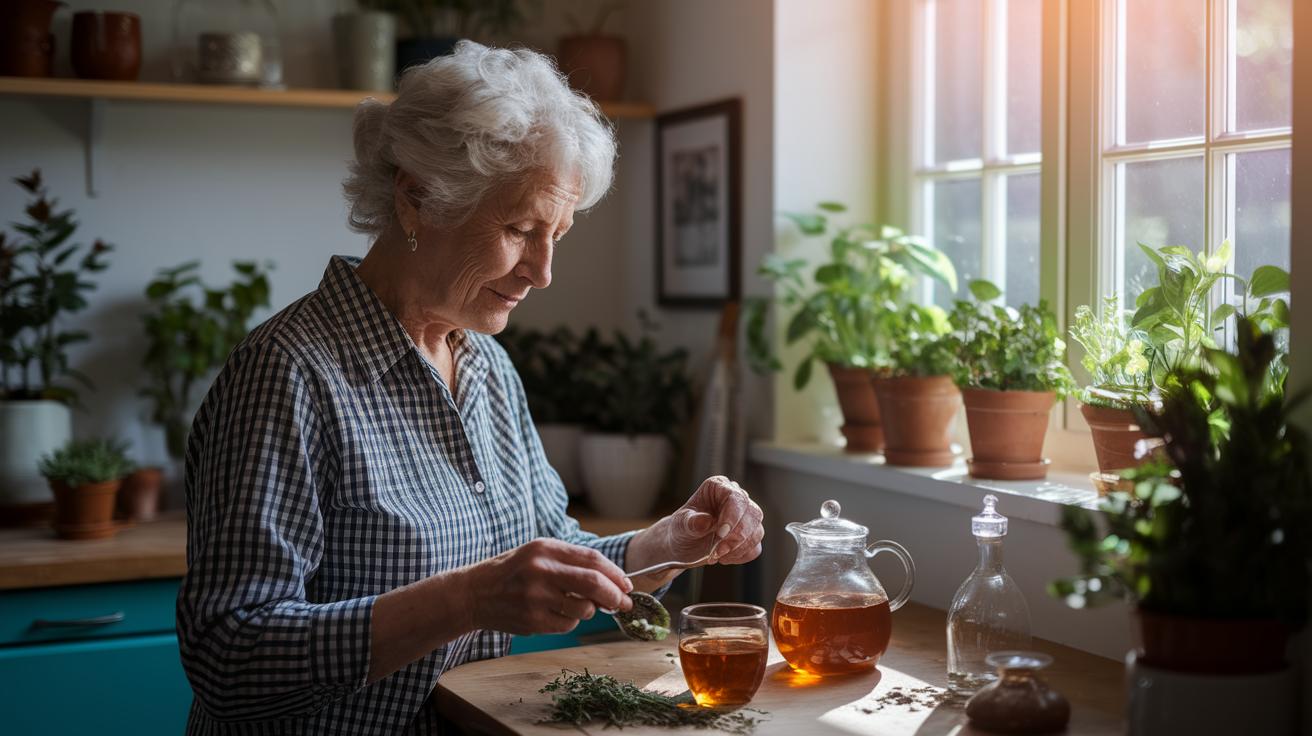
Traditional healing methods run deep in many cultures around the world. Think of small communities where families pass down herbal recipes and healing rituals like cherished secrets. Picture a warm kitchen where a loved one brews a special herbal tea – a recipe that has soothed minor aches for generations. Even if these practices aren't backed by modern tests, they persist because people trust them and feel connected to their heritage.
The World Health Organization even sees these age-old therapies as important parts of global healthcare. They remind us that healing isn't just about medicine, it’s about feeling at home with our culture. Local ceremonies and familiar rituals give us the sense that nature quietly cares for us. Every time someone uses these remedies, it strengthens the bond between health and identity.
In everyday life, you might see these traditions at local festivals or family gatherings. The act of preparing a natural remedy becomes a shared, comforting ritual. It not only eases minor health issues but also brings people closer together. Resources like holistic health and wellness highlight how traditional healing continues to influence and enrich our lives.
Modern Medicine Approaches: Technological and Evidence-Based Advances
Modern medicine builds on a strong base of scientific research and new technology. Every year, over 3,000 global conferences and 700+ open-access journals share the latest clinical trial information, making sure doctors and researchers have the freshest data. This steady flow of discoveries fuels breakthroughs in diagnostic tools, so treatments always rest on solid, tested evidence.
Many therapies today depend on precise chemical blends and set dosages. They’re developed through thorough clinical trials that reveal exactly how well a treatment works, and what side effects might pop up. Imagine a patient taking a medication where every tablet is measured just right for their needs. It’s all about making treatments work safely and effectively.
New diagnostic tools, like cutting-edge imaging and innovative health data systems, have transformed how we spot and track diseases. Think of them like high-definition cameras that capture every essential detail for a clear diagnosis. At the same time, approaches such as acupuncture and chiropractic care have also improved thanks to rigorous testing and careful dosing, showing that modern medicine is as much about caring as it is about data.
By blending advanced biotech with time-tested clinical methods, modern medicine continues to break new ground in patient care.
Modern vs Traditional Medicine Comparison: Effectiveness, Safety, and Cost Considerations
Modern medicine works fast. Imagine feeling sharp pain and taking a small tablet that eases your discomfort in minutes. This method is backed by many clinical studies to ensure the right dose every time. But sometimes, its strong chemicals can cause side effects.
Traditional medicine is different. Picture a natural herbal remedy loved for generations that soothes common discomfort gently. Although it's known for fewer side effects, its results can vary from person to person. People trust these remedies for their long history in cultural traditions, even though they might not have the same strict proof of efficiency as modern treatments.
When it comes to cost, the two methods also differ. Modern treatments, with their strict manufacturing rules, tend to be more expensive. It’s like buying a cutting-edge gadget that costs more but works quickly. Traditional treatments might seem cheaper at first, but without guaranteed results, you might end up spending more over time.
There are also big differences in regulation. Modern therapies are approved by agencies like the FDA or EMA, so every treatment goes through tight safety tests. Traditional methods follow local rules and have less formal oversight. In short, modern medicine is closely monitored, while traditional practices rely on cultural wisdom instead of strict regulation.
| Characteristic | Modern Medicine | Traditional Medicine |
|---|---|---|
| Effectiveness | Fast action and precise outcomes | Gentle, holistic benefits with varied results |
| Safety | Proven side effects in some cases | Typically fewer immediate side effects |
| Cost | Higher due to strict production rules | Usually cheaper upfront, but not always cost-effective long term |
| Regulatory Oversight | Strict FDA/EMA guidelines and testing | Varies by region with less formal oversight |
Integrative Medicine Models: Combining Modern and Traditional Therapies
Integrative medicine brings together modern healthcare precision and ancient healing methods to tailor treatments for each person. Imagine someone with chronic back pain: they might take a carefully measured modern pain reliever while also enjoying acupuncture sessions rooted in centuries-old practices. It’s like two puzzle pieces coming together, clinical tests meet a gentle, traditional touch.
Studies show that these blended approaches can ease ongoing symptoms, reduce unwanted side effects, and even improve how patients feel about their recovery. One research project found that when people combined these treatments, their recoveries were smoother and their outlook on managing long-term health issues more optimistic.
A big part of integrative care is pairing trusted modern pharmaceuticals with natural herbal remedies. For instance, someone with arthritis might use a proven anti-inflammatory drug along with a herbal treatment known for supporting joint comfort. Plus, techniques like chiropractic adjustments and acupuncture, informed by careful diagnostics, ensure that each treatment fits the unique needs of the individual perfectly.
This mix can ease the challenges of chronic illness while cutting down on the side effects that sometimes come with medications. In a recent study, patients who followed an integrative approach saw nearly a 30% reduction in chronic pain incidents. In short, when hard evidence meets traditional wisdom, the result is a care system that feels balanced, supportive, and truly personal.
Future Trends in Modern vs Traditional Medicine: Innovations and Patient-Centered Care

Healthcare is venturing into exciting new ground by mixing modern technology with trusted, time-honored treatments. Imagine high-tech tools using artificial intelligence to quickly study your health details and offer clear advice, while telemedicine and wearable gadgets keep you connected with your doctor, even during a peaceful evening walk. These devices gather little bits of information, like your heartbeat, and instantly help adjust your care plan.
Experts now gather at scientific conferences to discuss blending age-old remedies with modern biotech innovations. They’re using smart number-crunching techniques, known as predictive analytics (a way to predict health issues before they happen), that join everyday habits with solid clinical data. This means care can now focus on stopping illnesses early instead of just waiting for symptoms to show up.
Today’s approach puts you at the center of your care. Treatments are becoming tuned to your personal needs thanks to real-time insights from daily health tracking and advanced testing. This blend of practical, traditional wisdom with cutting-edge science is paving the way for a healthcare system that is flexible, personal, and always growing to meet your needs.
Final Words
In the action, we weighed the benefits of modern vs traditional medicine, exploring how each method brings its own strengths. We looked at current clinical advances, detailed traditional methods, and compared their safety, cost, and overall impact on well-being. Integrative models merge data-driven treatments with time-tested natural practices while future trends promise even greater synergy. Every approach offers unique value, inspiring a proactive and balanced view of health that guides informed, positive choices.
FAQ
What is the difference between traditional medicine and modern medicine?
The difference between traditional medicine and modern medicine is that traditional methods rely on long-established herbal remedies and holistic practices, while modern medicine uses scientifically backed treatments and standardized dosage protocols.
What are the advantages and disadvantages of traditional versus modern medicine?
The advantages and disadvantages of these approaches vary; traditional medicine offers natural, culturally rooted care with low side-effect risks, while modern medicine provides rapid, measurable relief but may carry higher costs and adverse effects.
Why do some argue that modern medicine is better than traditional medicine?
The stance that modern medicine is better arises because it emphasizes precision, extensive clinical testing, regulatory oversight, and fast symptom relief, though individual preferences and experiences can differ.
What is the difference between traditional and non-traditional medicine?
The difference between traditional and non-traditional medicine is that traditional practices are based on cultural heritage and folk remedies, whereas non-traditional methods may blend alternative therapies with modern medical practices.
What is an example of traditional medicine?
An example of traditional medicine is the use of herbal remedies and time-honored healing rituals passed down through generations to alleviate common ailments.
What distinguishes modern medicine from holistic medicine?
The distinction between modern and holistic medicine is that modern medicine focuses on scientifically verified interventions for specific symptoms, while holistic medicine considers overall physical, mental, and social factors in patient care.