Have you ever thought about how old remedies paved the way for modern treatments? Long ago, healers in Egypt, Mesopotamia, and Greece used basic tools and natural ingredients to care for those who were sick. Their simple, hands-on experiments laid the groundwork for the practices we rely on today.
Over the centuries, a mix of ancient methods and new discoveries transformed medicine from basic survival care into a refined, precise science. In this post, we take a friendly look back at key moments in the evolution of medicine and see how those timeless milestones still shape our health.
Milestones in the History of Medicine: A Chronological Overview
Early Civilizations (2600 BCE–500 BCE) set the stage for what we now call medicine. In ancient Egypt and Mesopotamia, people used herbal remedies and even fashioned basic surgical tools. Their written instructions not only guided treatments but also gave us our first glimpse into organized healing practices.
In Classical Greece, thinkers like Hippocrates promoted the idea of watching closely and letting nature take its course. And then the Roman Empire picked up the thread, developing public health systems and cleaner sanitation methods to improve everyday care.
During the Medieval Period, European monasteries cared for the sick while scholars from the Islamic Golden Age expanded on old techniques with new ideas. This mix of preserving ancient wisdom and exploring innovative practices kept the light of medicine shining through challenging times.
The Renaissance burst onto the scene with a dramatic shift in how people understood the human body. Detailed anatomical studies and sharper surgical techniques transformed medicine. Fun fact: some Renaissance artists doubled as medicine experts, creating detailed drawings that still influence our science today! Soon after, the Scientific Revolution introduced experiments and data that pushed aside old beliefs in favor of proven facts.
Fast forward to the 19th Century, and you see modern clinical practices taking shape. Better sanitation and the advent of vaccines helped reduce the spread of infectious diseases. Then, in the Early 20th Century, imaging technologies and antibiotics made a huge difference in patient care, tackling illnesses with precision and speed.
By the late 20th Century, innovations like X-rays and MRIs took diagnostic and treatment techniques to the next level. And now, in the 21st Century, digital monitoring and personalized treatment plans continue to change how we approach our health. Medicine’s journey is ongoing, a testament to our constant search for better care and understanding.
Ancient and Classical Medicine: Origins of Healing Arts and Ancestral Botanical Treatments
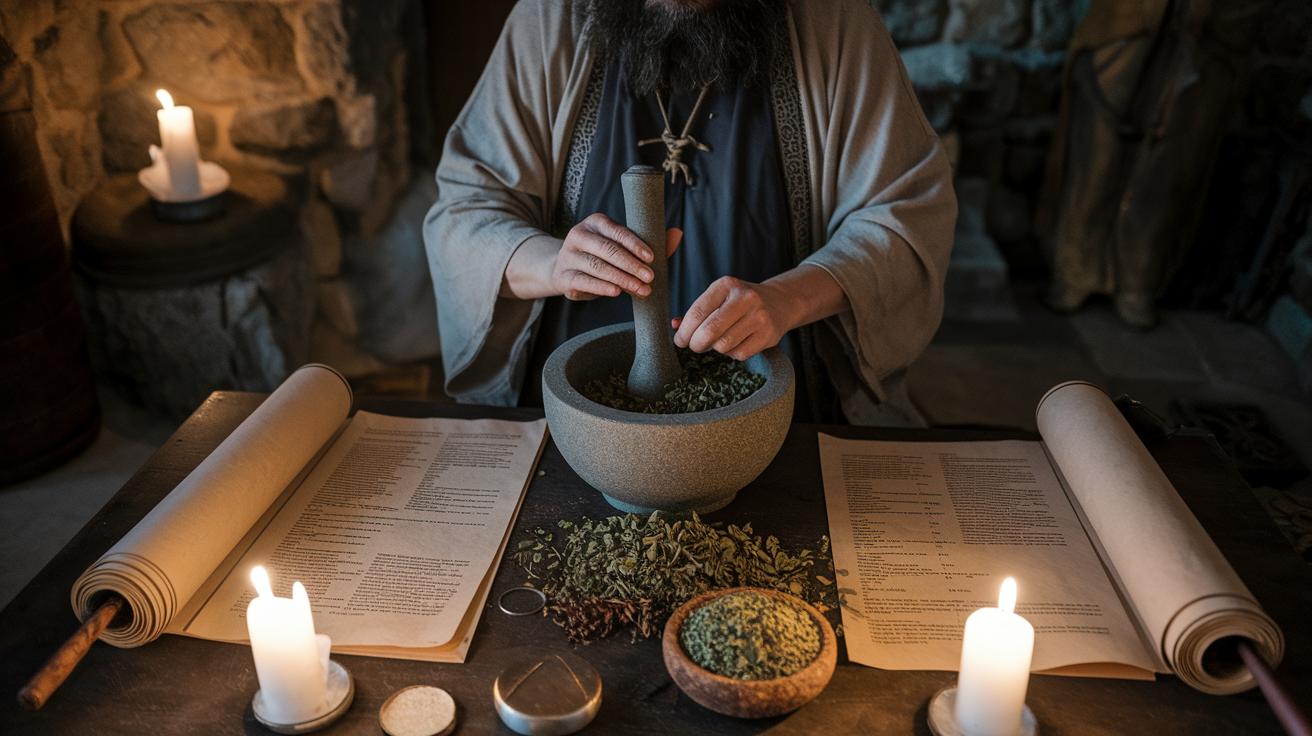
Long ago, healers mixed faith, careful watching, and nature's gifts to cure ailments. In Egypt, scribes jotted down medical knowledge on papyrus, sharing simple herbal recipes and basic surgical tools. Imagine seeing an instruction like, "Mix crushed blue lotus with water for a soothing remedy," which shows us that ancient healing was both practical and heartfelt.
In Mesopotamia, healers studied natural elements and combined ritual with treatment. They discovered many plants with healing powers and created remedies that balanced the spirit and body. Picture ancient Sumerian healers who believed that upset gods caused disease, so they mixed prayers with plant extracts to calm both body and soul.
In India, the system of Ayurveda emerged as a complete guide to wellness. Ancient texts described a wide array of herbs and their effects on the body in simple language. They recommended using common spices like turmeric and ginger to ease inflammation and boost immunity, offering advice that still inspires modern practices.
In China, the revered Huangdi Neijing provided a framework connecting botanical remedies with overall balance. Early Chinese healers developed rich herbal formulas to harmonize the body’s energy. One piece of timeless wisdom urged them to, "Treat the root, not just the branch," urging a complete, balanced approach to health.
Over in Greece, the Hippocratic corpus laid down the first rules of medical ethics and systematic care. Greek doctors thoughtfully recorded various herbs and surgical methods, showing how careful observation paired with natural treatments. These early traditions remind us that healing is both a science and an art, deeply rooted in nature and nurtured by generations of wisdom.
Foundations of Hippocratic Care and Classical Therapeutic Philosophies
Hippocrates kick-started our understanding of health by emphasizing natural balance. He believed that our bodies rely on a delicate mix of elements, blood, phlegm, yellow bile, and black bile, to stay in tune with the world around us. Imagine this: a small shift in the seasons could tweak this balance and change someone’s mood or energy. Later on, Galen took these ideas even further by using dissections to match up how our body parts work with their functions, giving a practical twist to these early insights.
Ancient health systems like Ayurveda and Traditional Chinese Medicine share a similar focus on balance. Ayurveda, for example, offers clear dietary and lifestyle tips to help regulate your natural energies. Meanwhile, Traditional Chinese Medicine highlights the importance of letting your qi, the life energy, flow smoothly throughout your body. In short, these traditions add extra layers of wisdom to what we see in classical Western thought, blending careful observation with practical advice.
Key strategies passed down through these legacies include:
| Strategy | Description |
|---|---|
| Diet | Eat in a way that supports and balances your body. |
| Regimen | Set up daily routines that boost overall well-being. |
| Herbal Formulas | Use natural, plant-based remedies to help restore balance. |
| Manual Therapies | Apply physical techniques to encourage healing. |
| Balancing Humors/qi | Focus on restoring your body’s natural fluids or life energy. |
Medieval Cure Paradigms to Renaissance Healing Breakthroughs

Medieval medicine mixed old wisdom with early science. Islamic doctors, especially Avicenna, wrote texts that guided healers for centuries. Avicenna’s Canon shared detailed herbal remedies and new treatments, blending ideas with practical care and cultural insight. In Europe, many ideas took root in monastic infirmaries where religious orders cared for the sick. These places were not just hospitals; they were hubs of learning where treatments were recorded and medical texts were kept safe. Even during fierce plagues, strict quarantine rules showed a clear understanding of limiting infections, even when science was still finding its way.
Then came the Renaissance, and everything shifted. Doctors like Vesalius began doing anatomical dissections, really changing how we understood the body. His detailed drawings helped push medicine away from old myths and toward studies based on clear evidence. At the same time, Paracelsus experimented with chemical remedies, offering new ideas that challenged old herbal methods. His work opened the door to using minerals and chemicals in treatments, sparking more experiments among his colleagues.
These two periods show us how medicine grew through both steady traditions and bold new ideas. Medieval practices highlighted natural remedies and caring institutions, while the Renaissance embraced careful observations and hands-on learning. This blend of old and new ideas paved the way for modern medicine, where what we’ve learned in the past helps us innovate today.
| Period | Key Figure | Innovation |
|---|---|---|
| Medieval (Islamic Golden Age) | Avicenna | Detailed texts that combined herbal remedies with practical treatment |
| Medieval (Europe) | Monastic Infirmaries | Organized care and careful recording of treatments and texts |
| Medieval Crisis | Plague Practices | Strict quarantine measures to control infections |
| Renaissance | Vesalius | Anatomical dissections and detailed body illustrations |
| Renaissance | Paracelsus | Chemical remedies that began replacing pure herbal approaches |
Illustrated Chronicles of Cures: Professionalization and Institutional Legacies
Scholarly organizations and academic institutions have been at the heart of tracking and shaping how modern medicine came to be. Back in 1925, the American Association for the History of Medicine was founded to spark research into medical history. They brought together historians, doctors, nurses, archivists, curators, and librarians to carefully revisit and celebrate the milestones that have improved patient care over the years.
Every year, events like the 2026 Annual Meeting (June 3–7) and regional gatherings such as the Buffalo event (October 6–10) create warm spaces for sharing insights and learning from the past. And with History of Medicine Week coming up, both new learners and seasoned experts will have a chance to dive into the rich stories of old healing practices and the traditions that continue to influence today’s healthcare.
Academic institutions have also played a key role in these chronicles. For instance, Johns Hopkins, established in 1929, holds the title of the oldest department in the English-speaking world dedicated to this kind of study. Its William H. Welch Medical Library collection, boasting over 70,000 volumes, is a treasure trove for anyone curious about medical history. Plus, through publications like the Bulletin of the History of Medicine, they keep the conversation alive with detailed accounts of early medical practices and the professionals who made them possible.
By recording everything from primitive surgical techniques to evolving therapies, these institutions inspire us today to keep learning and striving for better public health.
Advancement of Diagnostic Techniques and 20th Century Innovations

X-rays changed everything in 1895. Suddenly, doctors could peek inside the human body and spot surprises like hidden fractures – a glowing shadow on a film that revealed what was once invisible. Can you imagine the excitement in those early days of breakthroughs?
By 1903, EKG technology was making waves too. This tool, which captures the heart's electrical rhythm (basically the signals your heart sends out as it beats), transformed how we watch over and treat heart conditions. It was like hearing the steady drum of life for the very first time.
Also in 1895, chiropractic care started taking shape. With a focus on gentle spinal adjustments, it offered a fresh perspective on healing by aiming to realign the body. And then, from the 1920s to the 1950s, huge strides in immunology led to the creation of vaccines and immune therapies that drastically cut down deaths from infectious diseases.
In the 1950s, ultrasound diagnostics added another essential tool to the doctor’s kit. Imagine a pregnant mother’s face lighting up as she saw her baby’s first images on a screen – it was science meeting the sweetness of life. More recently, groundbreaking biomarkers research has pushed the limits of what we can detect and treat.
For instance, a case study in the History of Medicine Journal (Vol. 11 No. 2, 2025), titled "COVID19 & FUO: A Case of an Invasive COVID19 Presented as Unexplained Prolonged Fever," shows how innovative this field has become. Another key study looked at serum C-reactive protein and fibrinogen (markers that help predict flare-ups in conditions like ulcerative colitis) to guide patient care. Licensed under CC BY 4.0 and indexed in Scopus and Web of Science, these ongoing advances remind us that modern diagnostics are always evolving to better our health outcomes.
Modern Milestones in Patient Care and Pharmaceutical Records
In the late 1900s and early 2000s, healthcare leapt forward in ways that still inspire us today. Thanks to recombinant DNA drugs, medications created in labs by blending genes, we finally had tools to target diseases with surgical precision. Picture it like this: a treatment designed to mend a specific gene flaw, much like a perfectly cut key fits a unique lock.
Antiretroviral treatments brought hope and stability to many by bolstering immune systems for those battling viral infections. These breakthroughs not only helped people live longer but also made daily life a little brighter for millions. At the same time, mRNA vaccines burst onto the scene. Imagine a vaccine that goes from concept to clinic in mere weeks instead of years, it truly marked an era where science raced to meet urgent needs.
Telemedicine quickly emerged as another game changer, letting expert care reach directly into patients’ homes. Virtual doctor visits meant instant advice and follow-up care, which was especially welcome for folks in remote areas. Meanwhile, clinical trials started shifting from one-size-fits-all research to plans that truly consider each patient’s experience. These trials test treatments in real-life settings, ensuring that the journey from research lab to bedside is smoother than ever.
Each one of these breakthroughs has played a part in building a health system that’s both pioneering and compassionate. Looking back, these milestones don’t just document the past, they continue to fuel new research and shape how we care for patients every day.
Final Words
In the action, this article traced the evolution from ancient herbal medicines and classical therapeutic philosophies to modern patient care breakthroughs. Each section highlighted key transitions, from early botanical treatments to the rise of diagnostic innovations. The narrative wove past and present to show how the history of medicine has shaped today’s clinical practices. The detailed timeline offers a fresh perspective on our health heritage and inspires us to embrace a future of informed, balanced wellness with confidence.
FAQ
What are the key periods in the history of medicine timeline?
The history of medicine timeline covers phases from ancient herbal treatments and early surgical methods, through the classics of Greek and Roman care, medieval practices, renaissance breakthroughs, and modern diagnostic innovations.
What are some recommended history of medicine books?
The history of medicine book recommendations include works offering detailed insights into early healing practices, key medical figures, and how treatments evolved, making them ideal for both beginners and professionals.
How can I access a history of medicine PDF?
The history of medicine PDF resources provide digital versions of scholarly articles, timelines, and textbooks that outline the evolution of healing practices from ancient remedies to modern techniques.
What insights does the History of Medicine Journal offer?
The History of Medicine Journal delivers scholarly research, recent case studies, and detailed discussions on medical breakthroughs, linking past practices with today’s scientific approaches in healthcare.
What information does the History of medicine Wikipedia page provide?
The History of medicine Wikipedia page presents a comprehensive overview of medical milestones, detailing early healing methods, influential medical texts, and the transition toward modern patient care and pharmaceutical innovations.
What does a brief history of medicine cover?
A brief history of medicine outlines major milestones, from primitive herbal remedies and surgical tools to classical therapeutic philosophies, medieval practices, and modern diagnostic and treatment breakthroughs.
What topics are included in a history of medicine PPT?
A history of medicine PPT typically covers chronological milestones, key turning points in therapeutic practices, influential figures like Hippocrates, and the evolution of diagnostic techniques from ancient to contemporary times.
How has the history of medicine in America evolved?
The history of medicine in America evolved from early colonial treatments and indigenous practices to institutional advancements, modern medical research, and significant contributions from academic and clinical communities.
What started the history of medicine?
The history of medicine started when early civilizations began using natural herbs, simple surgeries, and ritualistic practices to treat ailments, laying the foundation for systematic healing methods over centuries.
Who discovered the first medicine?
The first medicine was discovered by early healers who relied on natural remedies and plant-based extracts, forming the basis of traditional practices that gradually evolved into modern medicinal techniques.
What are 10 major events in the history of healthcare?
Ten major events in healthcare history include ancient herbal remedies, the emergence of Greek medical ethics, Roman surgical advancements, medieval quarantine practices, Renaissance anatomical studies, the scientific revolution, the advent of X-rays and EKGs, immunology breakthroughs, modern pharmaceuticals, and the integration of telemedicine.
Who is considered the father of medicine?
The father of medicine is attributed to Hippocrates, whose systematic approach to clinical observations and ethical medical practice laid the groundwork for the development of modern medicine.