Have you ever thought about blending ideas from different fields to tackle big challenges? Experts from science to social studies are joining forces, stirring up fresh ways to solve problems we once thought were unsolvable. When you combine skills from various areas, you create a mix of insights that no single field could produce on its own. In short, when we work together, we spark smarter and more creative solutions for the pressing issues of our time.
Defining Interdisciplinary Research and Its Scope
Interdisciplinary research means experts from different fields join forces to tackle tough social and economic challenges. It’s like gathering friends who know about biology, engineering, and the social sciences so they can mix their ideas. Imagine a statistician, a chemist, and a public health expert sitting together to solve community health challenges, each one brings a unique piece to the puzzle. Together, they find solutions that no one field could create by itself.
Today’s big issues, whether it’s climate change or public health crises, call for these mixed partnerships. For example, urban planners, environmental scientists, and economists working side by side can come up with plans that address both the deep causes and the noticeable signs of environmental troubles. Likewise, when experts in medicine, sociology, and technology combine their ideas, they often discover fresh ways to improve community well-being. In short, this blend of perspectives not only deepens our understanding but also builds practical, inclusive solutions that really respond to the complex problems facing modern society.
interdisciplinary research sparks bold insights
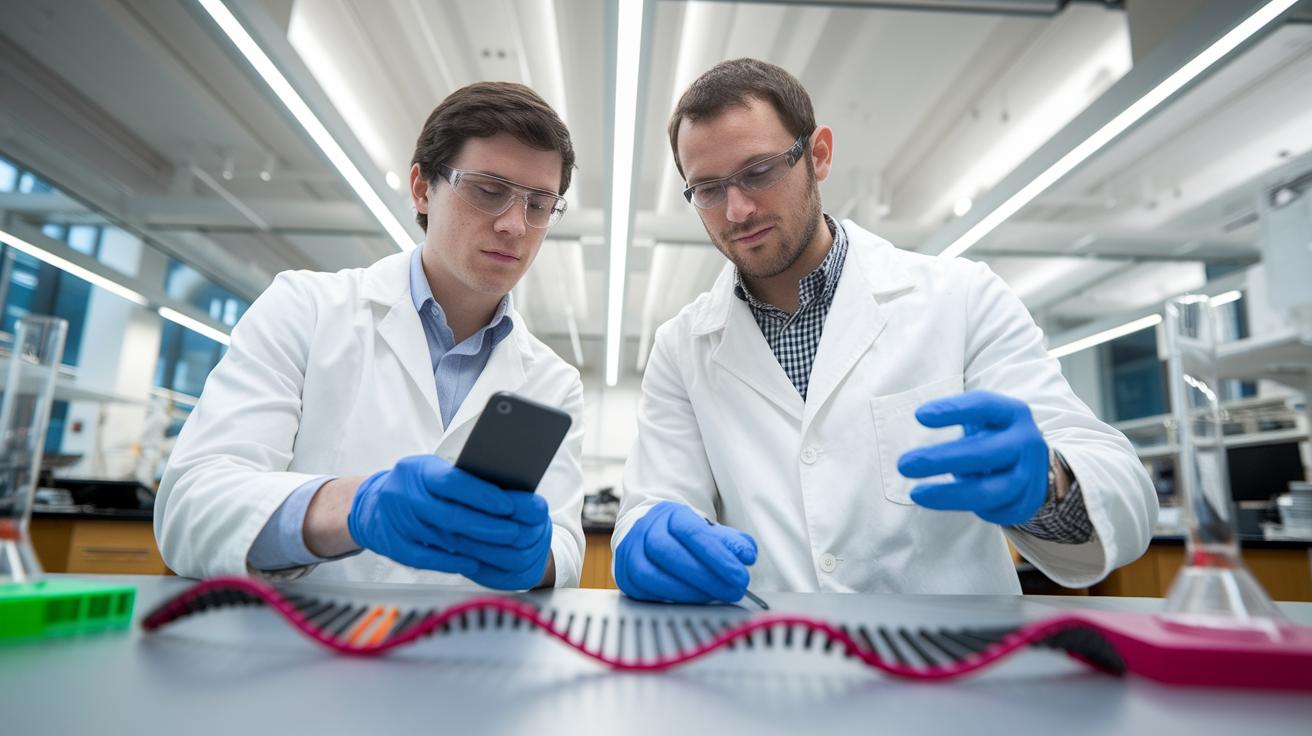
For years, researchers have combined ideas from different fields to tackle big social challenges. Back in the 1970s, some very curious minds mixed computer science with biology. This mix led to bioinformatics, a field that used computers to decode life’s secrets. Imagine blending ingredients in your favorite recipe; that’s how these trailblazers stirred up a whole new way of thinking. Their early work paved the way for later ideas that brought together experts from all walks of life.
In the 1990s and 2000s, scientists began fine-tuning this approach. They created formal models that showed how different research methods could work together. By joining detailed numbers with real-life stories, these theories opened up fresh perspectives on issues like public health gaps and changes in our ecosystem.
Origin of Bioinformatics
In those early days, when computers were just starting to make an impact, researchers bridged the gap between biology and technology. Think of it like mixing different paint colors to form an entirely new shade. Scientists paired complex algorithms with genetic data to catch patterns that might have slipped through the cracks with old methods. Before the era of computers, processing genetic information was slow and often error-prone.
Emergence of Convergent Inquiry Theories
By the 1990s and early 2000s, the way we combined different ideas became more structured. Scholars started to create systems that mixed statistical analysis with storytelling techniques. This period showed that blending numbers with narratives can really sharpen how we solve challenges. Ever noticed how looking at a problem from multiple angles can reveal solutions you’d otherwise miss?
Establishment of Institutional Frameworks
Today’s programs, like the Interdisciplinary Research Leaders (IRL) initiative, reflect this rich history. These programs bring together experts, community advisors, and focused teams to push boundaries and drive breakthrough insights. It’s a team effort that highlights just how much we can learn when we collaborate across different fields.
Methodological Approaches in Interdisciplinary Research
Interdisciplinary research brings together hard numbers and real-life stories to create a full picture of what’s happening. Researchers not only count statistics but also share everyday experiences to explain those figures. This blend, often called a mixed-methods design, helps teams spot trends while staying connected to human stories. For example, a survey might reveal rising metrics, and then personal accounts from community members add context and depth.
Integrating Quantitative and Qualitative Methods
Mixed-methods approaches work like bridges, joining precise data and vivid narratives into one clear story. Researchers collect measurable facts and mix them with interviews, case studies, or even direct observations. Think of it like cooking your favorite meal, you combine fresh vegetables with hearty grains to create something satisfying and complete. Using both sides of the coin uncovers details that may be missed when relying on just one type of data.
Digital and AI-Assisted Techniques
Today, digital tools and artificial intelligence are reshaping how research is done. Innovations like the IRL learning system offer help through academic writing assistance, literature searches, journal recommendations, and even graphic creation. These tools organize large amounts of data and turn complex numbers into clear visuals. When research teams combine traditional methods with these digital resources (see this research methodology: https://factcheckx.com?p=1731), they save time and gain extra clarity, making the whole process smoother and more accessible.
Managing Complex Projects
Handling a project that spans different fields means keeping a large team organized and focused. Clear roles, shared goals, and regular check-ins are key. Researchers now rely on digital calendars, progress dashboards, and straightforward communication to coordinate tasks. This clear structure reduces misunderstandings and keeps everyone on the same page. In short, when roles are defined and timelines are steady, everyone, from researchers to community members, can concentrate on uncovering insights that make a real difference.
Key Benefits of Interdisciplinary Research

Interdisciplinary research brings together experts from very different fields so they can share what they know. It’s like mixing different flavors in your favorite recipe, each one adds something special. When professionals in environmental science, geology, economics, and political studies join forces, they blend methods and ideas, sparking bold insights that help tackle tough issues.
- Better sharing of expertise across different subjects
- Fresh, creative solutions for complicated global challenges
- Growth of new scientific areas
- Increased involvement from community members in solving problems
- More flexible and imaginative thinking
These benefits completely change how research happens and widen our view of the world. By sharing knowledge and developing inventive ideas, interdisciplinary teams not only boost their own work but also offer practical tools for communities everywhere. For example, fields like bioinformatics have blossomed when experts combined their know-how, leading to breakthroughs that none could have achieved alone. Getting more minds involved also means research stays relevant and connected to the needs of people. Ultimately, this teamwork creates a ripple effect: uplifting communities, sparking thoughtful policy changes, and paving the way for healthier, more resilient societies.
Addressing Common Challenges in Interdisciplinary Research
Working across different academic fields often means battling communication hiccups, mismatched methods, and extra resource needs. Cultural backgrounds can also lead to varied interpretations, which can shift a project’s focus. For instance, one study shared a moment of confusion: a researcher said, "When I meant statistically significant, my colleague interpreted it as immediately actionable," which delayed the data review. These mix-ups, paired with the extra training needed to understand each other’s language, can really stretch a team’s capacity and add unexpected emotional stress.
Bringing in fresh approaches can boost team unity and strengthen the project overall. Try setting up clear workflows that include sessions focused on cultural sensitivity and regular discussions to work through both mental and emotional challenges. For example, you might meet every other week so everyone can explain their own jargon, share any recent misunderstandings, and develop simple guidelines together. It also helps to have a dedicated coordinator who manages deadlines and smooths out differences, making sure that clear roles and regular check-ins take care of both the practical and personal sides of the work.
interdisciplinary research sparks bold insights

Researchers are blending classic science with modern technology, using real-time analytics and fresh data-sharing techniques, to unlock new findings in gene research and climate modeling. At the same time, they’re building stronger bonds with community partners to turn discoveries into real-world benefits.
| Field(s) | Objective | Outcome |
|---|---|---|
| Bioinformatics | Merge biology with modern computing to speed up gene discovery | Taking cues from techniques established in the 1970s, today’s methods analyze data faster and reveal deeper genetic insights |
| Climate Change Research | Bring together environmental science, geology, economics, and politics to shape smart policies | In 2020, teams created predictive models that help better assess climate risks and guide decisions |
| IRL Program | Combine academic know-how with community insights to tackle early childhood and structural inequities | From 2016–2025, improved team structures and interactive platforms boosted efforts to solve social challenges |
These real-life case studies show that new strategies and digital tools not only drive scientific breakthroughs but also bring practical benefits to communities.
Practical Strategies and Best Practices for Interdisciplinary Research Collaboration
Strong leadership and clear rules create a solid base for successful work across different fields. Programs like the IRL lean on advisory committees, such as the National Advisory Committee and the Community Action Advisory Board, to help steer projects while keeping the conversation flowing. Regular updates through a national newsletter and a special learning platform ensure that everyone stays on the same page. Many educational models now include co-designed curricula and cross-department workshops that build a common understanding among team members. For example, someone might kick things off with a surprising fact like, "Our combined efforts boosted project efficiency by 30% in just one review period!" This little nugget of information shows how sharing successes can spark enthusiasm and commitment among the team.
Clear guidelines also play a big role in building strong teams and sharing resources. When everyone uses the same language, it’s easier for researchers to understand each other’s methods and contributions. Regular interactive workshops and planning sessions can break down big projects into bite-sized tasks. Imagine drawing up a simple graphic to show roles and responsibilities, this visual tool can work just as well as a detailed planning framework (check out this research design: https://factcheckx.com?p=1722). By holding structured reviews and keeping feedback open, projects can flourish as ideas grow and collaboration deepens, ensuring that every project benefits from the combined expertise of its members.
Future Directions, Policy Implications, and Support for Interdisciplinary Research

Interdisciplinary research is stepping into the spotlight by bringing together fresh ideas from many fields to tackle big global challenges. Whether it’s addressing public health concerns, grappling with environmental shifts, or fighting social inequities, this blended approach makes a real difference. New policies are paving the way by encouraging closer ties between universities, local community groups, and industry. These changes offer benefits like grant opportunities and faster project approvals for work that cuts across traditional boundaries. As researchers join forces more frequently, we’re set to see partnerships rewarded and future science and public policy shaped by what really works.
Innovative funding strategies are also fueling this collaborative spirit. For instance, some new models offer tiered AI-tool memberships that help broaden access to advanced research tools, students can even enjoy a 60% discount! Long-term programs, like multi-year cohorts running from 2016 to 2025, underline a strong commitment to ongoing partnerships. With these evolving support systems, researchers are gaining the resources they need to mix their diverse skills into projects that make a measurable impact, both in policy and practice.
Final Words
In the action, this article illustrated how multiple fields come together to tackle complex health challenges. It showcased the definition, history, methods, benefits, and practical strategies that empower research teams, proving that even everyday wellness decisions can be elevated.
The discussion revealed that strategic teamwork and innovative planning pave the path forward. Embracing interdisciplinary research opens up pathways for creative, evidence-based solutions that uplift overall well-being, leaving us with a hopeful spirit for the future.
FAQ
What is meant by interdisciplinary research and what does it encompass?
Interdisciplinary research means teams from different fields working together to tackle complex issues by merging diverse methodologies and insights, resulting in innovative and well-rounded solutions.
How does multidisciplinary research differ from interdisciplinary research?
Multidisciplinary research involves experts contributing side-by-side from their fields, whereas interdisciplinary research integrates their approaches to form a unified method that cross-pollinates ideas for deeper understanding.
What are some examples or topics of interdisciplinary research?
Interdisciplinary research spans examples like climate studies, public health, and law, combining perspectives from environmental science, medicine, and legal studies to answer multifaceted questions and develop comprehensive insights.
What is an interdisciplinary research approach?
An interdisciplinary research approach blends theories and methods from varied fields to address complex challenges, creating a collaborative framework that leads to innovative strategies and practical problem-solving.
What are common resources or publications for interdisciplinary research?
Interdisciplinary research is supported by PDFs, specialized journals, and scholarly articles that compile studies from different fields, providing integrative insights and evidence-based findings for broader academic and practical use.
How is interdisciplinary research applied in law?
In law, interdisciplinary research combines legal analysis with insights from social sciences, technology, and policy studies, leading to comprehensive strategies for tackling legal issues and influencing effective legal reforms.
What is a synonym for interdisciplinary research?
A synonym for interdisciplinary research is cross-disciplinary study, which also refers to collaborative efforts that merge methods and perspectives from multiple fields to address complex challenges.