Have you ever thought about why staying fit doesn’t always bring a happy heart? We often link wellness to daily habits like moving our bodies and eating well. But true wellbeing goes further, it’s about caring for your body, mind, and emotions all at once.
This discussion takes a close look at how little choices every day can shape a healthier, happier you. It also asks: what really makes life satisfying? Let’s dive in and explore how balancing these parts of your life can help you feel your absolute best.
wellbeing vs wellness: Embrace Your Best Self
When we talk about wellness, we mean the everyday habits that keep you in tip-top shape, like moving your body with regular exercise, eating meals packed with good-for-you nutrients, and going for routine checkups. Think of it like committing to a fun fitness challenge where every little step builds a healthier you. For example, did you know a simple 20-minute walk can instantly lift your mood and give your heart a boost?
Now, wellbeing is a bit bigger than that. It’s about how you feel overall in life, blending your physical and mental health with your social life, career joy, and even your financial peace of mind. Imagine a complete picture of satisfaction, where work, relationships, and a little "me time" all come together to create balance and happiness.
Expert Susie Ellis often points out that while wellness focuses more on keeping us physically fit and preventing issues, wellbeing reflects our overall joy in life. Research from the Gallup-Healthways Well-Being Index and the UN’s World Happiness Report shows that even if someone is physically healthy, it doesn’t always mean they feel truly happy. This tells us that caring for our daily routines is just one part of a bigger, richer picture of what it means to feel fulfilled.
Historical Evolution of Wellness and Wellbeing Concepts

Most folks trace modern wellness back to the 1950s. That’s when Halbert Dunn introduced “high-level wellness,” a way of thinking that focused on keeping life in balance through everyday habits like exercise and healthy eating. Picture a time when the main goal was simply to build a sturdy, well-cared-for body using easy, preventive routines.
Then, in the early 2000s, things began to change. New tools started to measure how people really felt about their lives. In 2008, the Gallup-Healthways Index rolled out, offering numbers that reflected our everyday wellbeing. A few years later, in 2012, the UN’s World Happiness Reports appeared, gathering data on overall life satisfaction. This marked a clear shift from viewing wellness as just physical care to embracing a broader sense of balance that includes our minds, relationships, and even our finances.
Susie Ellis points out that the global wellness movement has grown well beyond spa treatments and beauty routines. Today, our idea of health blends timeless habits with modern metrics of happiness and fulfillment. In short, wellness has evolved into a vibrant mix of traditional care and fresh, holistic measures of life’s wellbeing.
Key Dimensions and Differences in Wellbeing vs Wellness
Imagine starting your day with a brisk walk, enjoying a healthy breakfast, and feeling that fresh surge in focus. When we talk about wellness, it often brings to mind regular gym visits, planned diets, and routine checkups. These are habits meant to shape both our physical and mental health.
Wellness programs usually focus on things you can easily measure, like your body mass index or how often you exercise. They track simple numbers and behaviors that show progress. On the other hand, wellbeing takes a broader view. It doesn’t just look at physical or mental states; it also considers how supported you feel by friends or how satisfied you are at work. It even includes aspects like your financial security. In short, wellbeing sees life as a mosaic of different areas that all need to be in balance.
Research breaks this idea into five key areas:
- Physical
- Emotional
- Social
- Vocational
- Financial
Think of it like this: emotional wellbeing isn’t only about feeling mentally sound, it’s also about having a support network that feels like a warm embrace on a chilly day. Meanwhile, vocational wellbeing taps into how fulfilled you feel about your work life, and financial wellbeing relates to that comforting sense of security.
Traditional wellness is a bit like tracking your steps on a pedometer, simple and straightforward. Holistic wellbeing, however, is more like taking a self-reflection survey to see if every corner of your life glows with balance and satisfaction.
Workplace Wellness vs Employee Wellbeing in Practice
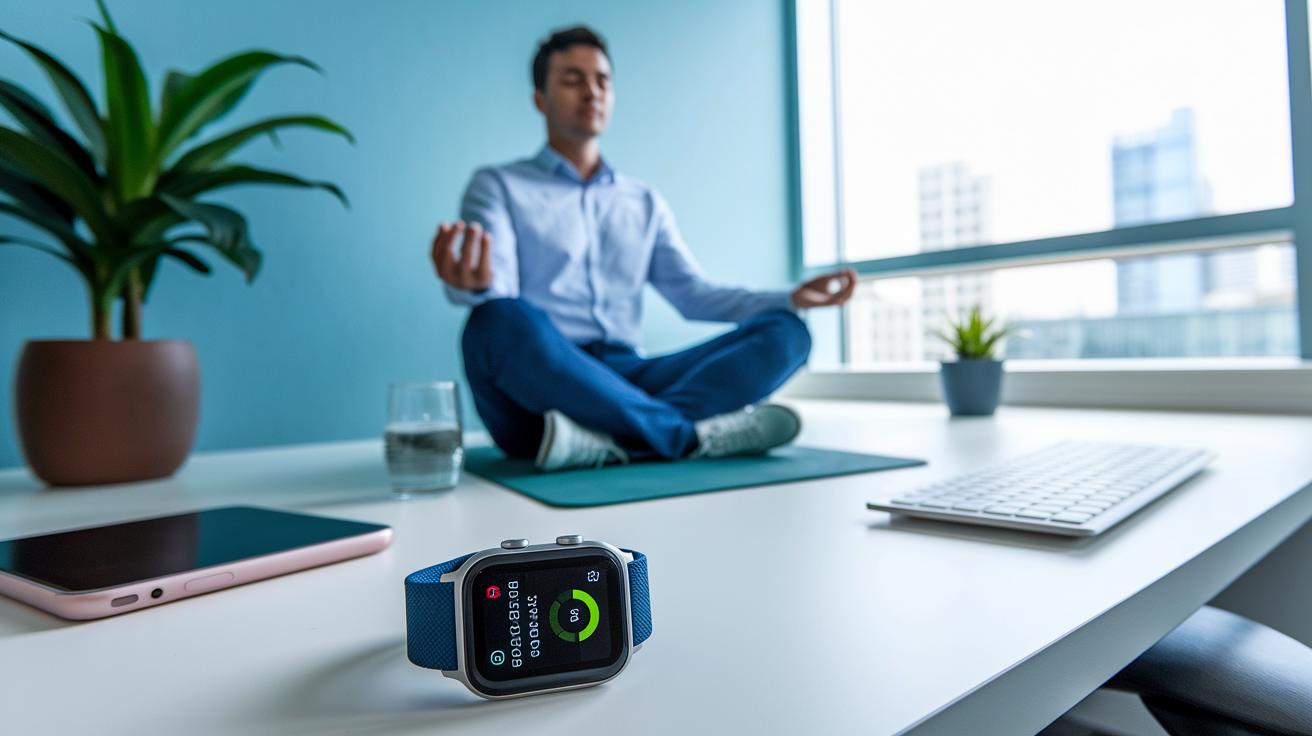
Back in the day, workplace wellness programs were all about the basics, think step challenges, quick fitness checkups, and simple health-risk scans. Imagine teams competing in a step contest, where every step added up to a fun prize. It was a straightforward way to keep everyone moving and in shape.
Today, things have shifted. Companies now see health as a whole package. It’s not just about your physical fitness anymore; they've broadened the focus to include stress relief, financial counseling, mental health days, and flexible schedules that fit a variety of personal lives. This more rounded approach has been shown to boost employee engagement by as much as 20%, reduce staff turnover by around 15%, and even lift overall productivity.
The change is clear:
| Traditional Programs | Holistic Initiatives |
|---|---|
| Focused on physical fitness and routine checkups | Included mental health support, financial advice, and flexible work options |
Imagine a workplace that offers a serene room for mindfulness breaks alongside practical workshops on money management. One company even found that employees felt much more valued when they switched to a personalized wellbeing plan. This shift in approach makes the work environment feel supportive and acknowledges that every part of a person’s life matters.
Integrating Wellness and Wellbeing: Holistic Approaches
Mixing a bit of daily exercise with mindful moments can really brighten your mood. Think of it like cooking your favorite meal, you start by planning structured habits such as regular workouts, a set meal prep routine, and periodic health checkups, then fold in activities like a quick meditation, enjoying a hobby, or simply chatting with a friend. It’s all about creating a balanced blend that nurtures both your body and mind.
Try setting up an easy routine at home or work. For instance, use a fitness watch to count your steps and notice how moving a little more each day can boost creativity and lift your spirits. After a short mindfulness break or a friendly conversation, jot down how you feel in a mood journal. Many people use digital tools that combine tracking steps, moods, and social activities on one clear dashboard. In fact, places that have adopted these integrated systems notice roughly a 30% increase in sticking with their routines, leading to a more balanced and fulfilling life.
Measuring Success: Metrics for Wellness vs Alternative Wellbeing Indicators
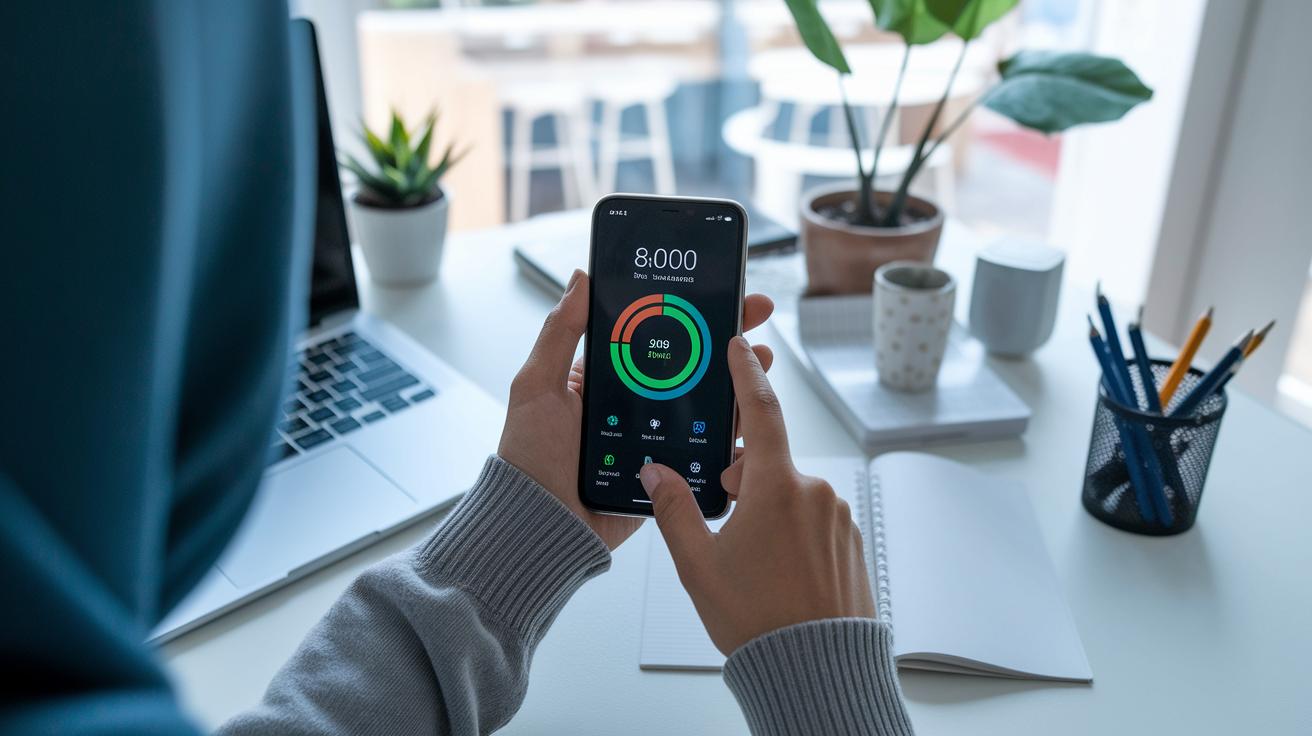
Unified dashboards now tie together physical stats and your everyday feelings, offering a clear snapshot of your overall wellness. Picture this: you check your dashboard and see 8,000 steps logged alongside a bright mood score, signaling that you’re well-balanced.
This smooth integration blends hard health data with your daily emotional state, making it simple to tweak your routine as needed.
| Physical Activity | Mood Metrics |
|---|---|
| Step counts, exercise duration | Mood ratings, emotional surveys |
Final Words
In the action of exploring wellbeing vs wellness, we talked about basic definitions, historical shifts, and core differences between the two. We looked at physical routines and broader life satisfaction. The discussion shed light on managing chronic conditions while integrating research-based tips into daily life. Combining both approaches creates a balanced strategy that supports overall health. Embracing these insights may boost happiness and quality of life, encouraging a positive, proactive outlook on personal health.
FAQ
Frequently Asked Questions
Q: What are examples of wellbeing vs wellness?
A: The examples of wellbeing include a balanced life with strong social ties, career fulfillment, and financial security, while wellness examples focus on daily habits like exercise, nutrition, and routine health checkups.
Q: How does psychology view wellbeing versus wellness?
A: Psychology views wellness as a set of health-promoting habits such as regular exercise and nutrition, whereas wellbeing is seen as a holistic measure of life satisfaction, encompassing mental, emotional, and social aspects.
Q: Where can I find wellbeing vs wellness PDF resources?
A: Wellbeing vs wellness PDFs offer detailed comparisons, including definitions, examples, and research findings; many academic sites and health organizations provide free downloadable guides on the subject.
Q: How are wellness and wellbeing applied in the workplace?
A: In the workplace, wellness initiatives include fitness challenges and biometric screenings, while wellbeing efforts address stress management, flexible schedules, and mental health support to boost overall job satisfaction.
Q: What is the difference between employee wellness and employee well-being?
A: Employee wellness focuses primarily on physical and mental routines like workouts and health checkups, whereas well-being extends to include work-life balance, financial security, and emotional resilience at work.
Q: How do wellness and wellbeing compare with overall health?
A: Wellness centers on preventive practices and daily healthy habits, whereas overall health involves medical care and treatment, and wellbeing takes a broader approach by measuring overall life satisfaction across multiple areas.
Q: How do mental wellness and mental wellbeing differ?
A: Mental wellness typically emphasizes daily practices for maintaining good mental health, while mental wellbeing encompasses broader aspects of emotional stability, life satisfaction, and social support.
Q: Is wellbeing one word or two words?
A: Wellbeing is most commonly written as one word when referring to a holistic state of life balance, though some sources may use two words; current popular usage favors the single-word form.
Q: What qualifies as wellbeing?
A: Wellbeing qualifies as a state where an individual experiences good physical health, emotional balance, strong social connections, fulfilling work, and financial security, all contributing to overall happiness.
Q: What is a synonym for wellbeing and wellness?
A: Synonyms for wellness include “health” or “fitness,” while for wellbeing, terms like “balance” or “wholeness” reflect the broader, holistic approach to life satisfaction.
Q: What are the three types of wellbeing?
A: The three common types of wellbeing are physical, which relates to bodily health; mental or emotional, which encompasses mood and stress; and social, focusing on relationships and community connections.