Have you ever woken up feeling off even after a solid night’s sleep? It might be that your body is just a bit out of tune. Acupuncture could be the gentle fix you need. This ancient practice uses very small needles placed on specific spots of your body to help ease tiredness and smooth out those sudden mood swings.
Imagine your body as a musical instrument. When every note rings clear, your energy naturally soars. By encouraging the smooth flow of energy, what traditional practitioners call Qi, or vital life force, as well as blood, acupuncture may help balance the hormones that affect stress and weight. Essentially, this treatment can spark a renewed sense of vitality and support a more balanced, healthier life.
How Acupuncture Balances Hormones
Acupuncture uses targeted needle placements to help with lingering fatigue, sudden weight changes, mood swings, and even some reproductive concerns. It gently stimulates specific points on your body, restoring the natural flow of Qi (pronounced "chee") and blood to support organ function without needing artificial hormone treatments. For example, needles placed on the lower leg or inner forearm can create a calming balance, encouraging your body to regulate its hormones naturally.
Experts believe that needle stimulation can affect the HPA axis, a system involving the hypothalamus, pituitary, and adrenal glands that helps control key hormones like cortisol, estrogen, progesterone, testosterone, and thyroid hormones. This mechanism is a cornerstone of acupuncture's approach to hormone balancing. Studies and clinical insights suggest that keeping the HPA axis in balance can ease stress-induced hormone swings that cause various discomforts.
Acupuncture works by smoothing out your body's stress response while keeping your internal environment steady. Simply put, ensuring a free flow of Qi and blood helps each organ operate at its best, leading to overall hormone harmony. Think of your body like a musical instrument, when every string is perfectly tuned, the resulting melody is clear and balanced.
This holistic approach tackles not just immediate symptoms but also supports your long-term vitality. With well-established methods, acupuncture offers a gentle yet effective way to promote natural hormone regulation, providing an appealing alternative for anyone striving for a healthier, more balanced life.
Mechanisms Behind Acupuncture’s Hormone Regulation
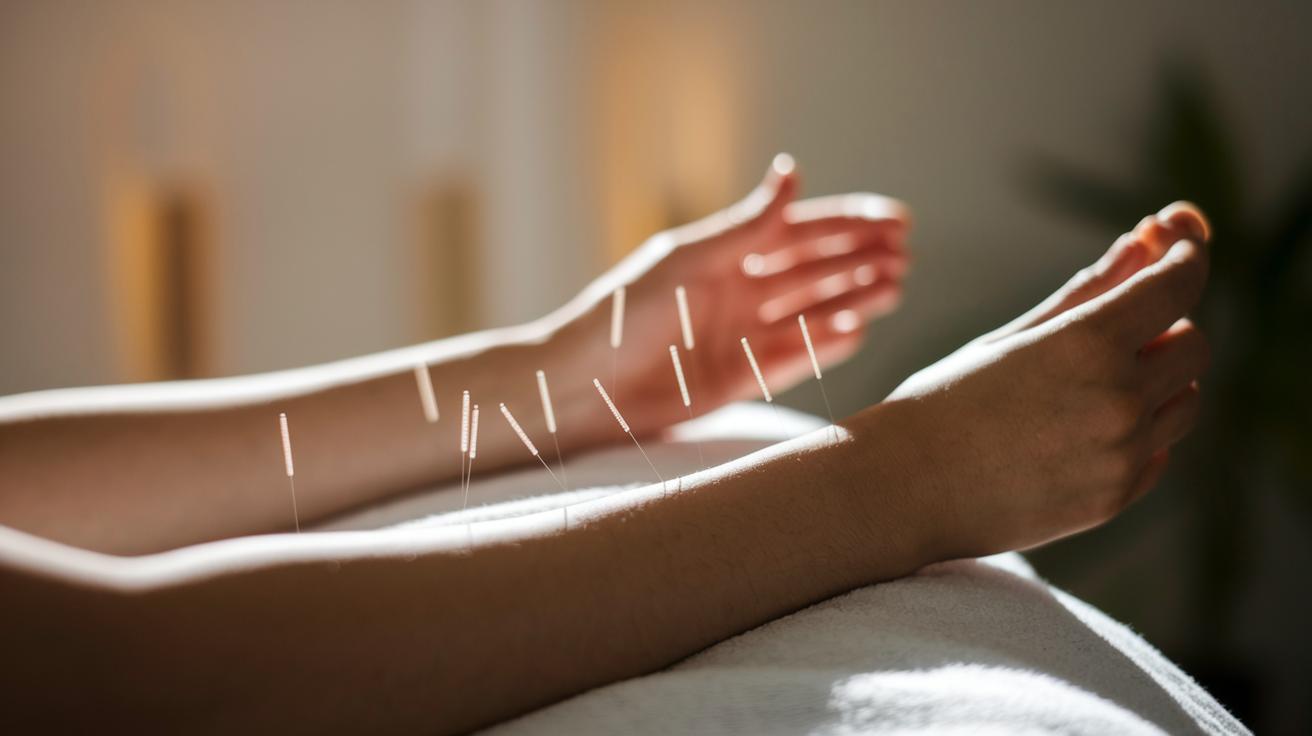
Recent studies suggest that acupuncture helps lower stress hormones. In one small study, patients saw nearly a 25% decrease in cortisol, a hormone linked to stress, after just a few weeks. One patient explained it best: "After a few treatments, I felt a lightness I hadn't experienced in years."
Unlike typical treatments that work on one hormone at a time, acupuncture taps into your body's natural control system. Researchers using advanced imaging have found that needle stimulation adjusts electromagnetic signals along key meridian pathways, which connect to organs like the kidneys, spleen, and liver. In other words, while medications target specific hormones, acupuncture helps restore your body's overall balance.
New insights into qi theory add another layer to this understanding. Sensors have detected subtle shifts in how tissues conduct electricity along these meridians, channels that have long been thought of as carriers of vital energy. This suggests that acupuncture might be balancing your hormones both on a chemical level and through the energy that flows in your body.
| Aspect | Acupuncture | Modern Treatments |
|---|---|---|
| Mechanism | Supports the body’s natural systems by regulating the HPA axis and fine-tuning electromagnetic signals along meridians | Uses medications to target hormone levels directly |
| Clinical Findings | Studies show significant stress hormone reduction and an overall boost in vitality | Often provides only short-term stabilization of hormone levels |
Acupuncture Hormone Balance Sparks Renewed Vitality
Using acupuncture’s time-honored needle techniques, experts gently stimulate select points to help restore your natural hormone balance and bring back a renewed sense of energy. These techniques work by targeting key body pathways, allowing your system to find its natural rhythm. Ever felt a wave of calm after a session? It’s like giving your body a little reset, similar to tuning a well-loved instrument.
Kidney 3 (KD3) plays a vital role by nourishing both the Yin and Yang aspects of the kidneys, essential for reproductive health. Spleen 6 (SP6), located three cun above the inner ankle, links the Spleen, Liver, and Kidney pathways, which can boost women’s wellness. Ren 4 (CV4), positioned three cun below the navel along the midline, supports comfort in the lower abdomen and pelvis. Liver 3 (LV3) helps keep your Liver Qi flowing smoothly, which is key to maintaining balanced hormones.
Pericardium 6 (PC6), found three cun below the wrist crease, works to soothe the mind and ease nausea. Stomach 36 (ST36), about four finger-widths below the kneecap, is a go-to point for enhancing energy and supporting healthy digestion. Yin Tang, the extra point nestled between your eyebrows, helps melt away stress and clear your thoughts. And Ear Shenmen, located in the upper part of the ear’s triangular fossa, offers a strong calming effect on your nervous system.
| Point | Location | Primary Benefit |
|---|---|---|
| Kidney 3 (KD3) | Nourishes Kidney Yin/Yang | Vital for reproductive health |
| Spleen 6 (SP6) | Three cun above inner ankle | Boosts women’s health |
| Ren 4 (CV4) | Three cun below navel on midline | Supports lower-abdominal and pelvic issues |
| Liver 3 (LV3) | On the dorsum of the foot, between the first and second toes | Promotes smooth Liver Qi flow |
| Pericardium 6 (PC6) | Three cun below wrist crease on inner forearm | Calms mind, eases nausea |
| Stomach 36 (ST36) | Four finger-widths below kneecap, lateral to the shin | Enhances energy and digestion |
| Yin Tang | Between the eyebrows | Reduces stress and clarifies thought |
| Ear Shenmen | Upper part of the ear’s triangular fossa | Strong nervous-system calming |
By blending these targeted points, acupuncture treatments can touch on many facets of hormonal harmony. Each session is uniquely tailored, kind of like fine-tuning a delicate instrument, to help restore your body’s natural balance in a gentle, yet effective way.
Acupuncture Protocols for Menstrual and Fertility Hormones
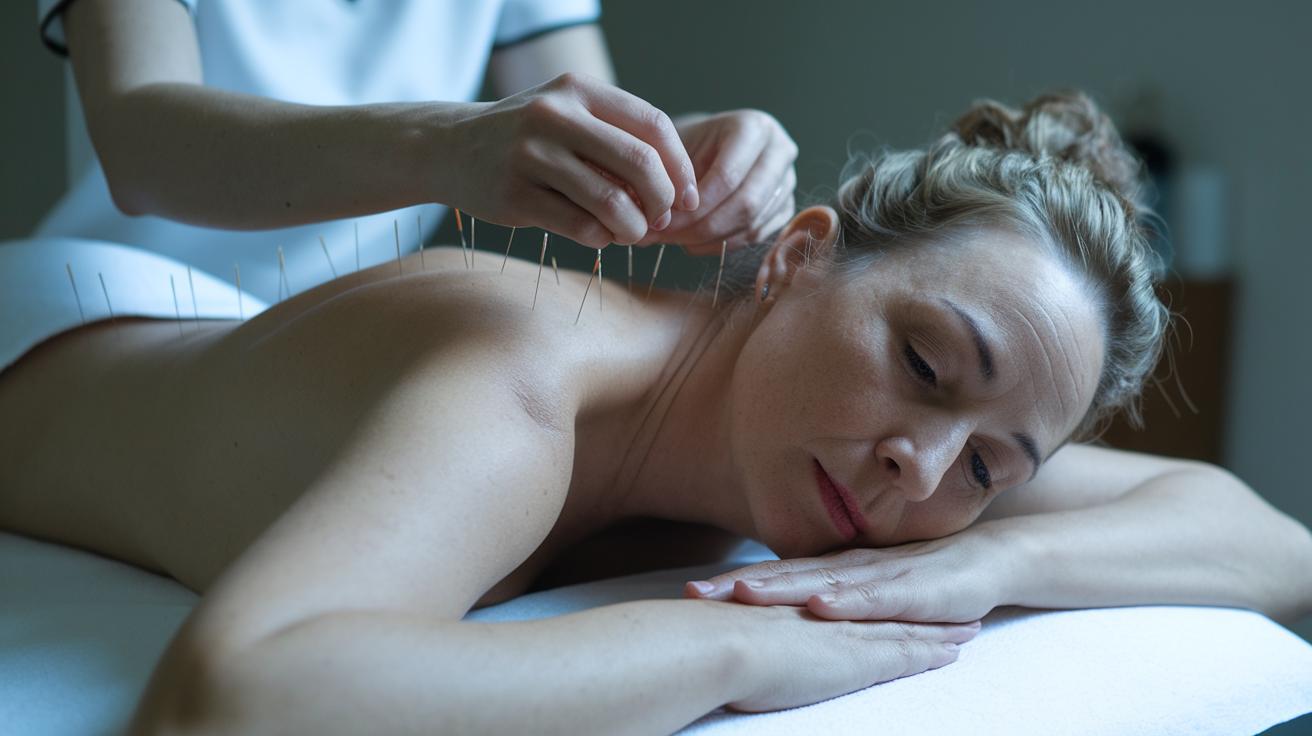
If you’ve been dealing with period pain or are looking to support your fertility, you might consider trying weekly acupuncture sessions or even using an acupressure mat regularly for three to four months. Studies suggest that this natural approach can help about 8–12% of couples facing infertility, and nearly 95% of people who menstruate say they experience relief from severe cramps. One person even shared, “After a few weeks of regular sessions, I felt a big drop in the cramping and just a lighter overall mood.”
These treatment plans are often customized to help with issues like menstrual migraines, affecting about 60% of those who menstruate, and other health concerns like PCOS (a common hormonal condition that affects the ovaries). In short, your acupuncturist will work with you to tailor the sessions specifically to your health history and symptoms.
Many patients report feeling more energetic and notice that their cycle regularity improves over time. This personalized method not only eases period discomfort but also naturally supports fertility. Your practitioner will adjust how often and how strongly the treatment is applied, always keeping your unique needs in mind.
Acupuncture Strategies for Menopause Hormone Balance
Acupuncture is emerging as a natural way to help with the challenging symptoms of menopause. Using fine needles on specific spots tied to reproductive health and stress relief, this treatment can ease hot flashes, night sweats, mood swings, and trouble sleeping during both perimenopause and menopause.
By gently targeting these key points, acupuncture works to balance your estrogen and progesterone levels, hormones that often fluctuate during this time. When these hormones settle into a steadier rhythm, many women find their discomfort lessens and their transition becomes smoother. Early studies even suggest that the relief from acupuncture can be similar to what some experience with standard synthetic hormone treatments.
For example, a typical session might involve a light, soothing needle stimulation that calms the body, reducing the intensity of hot flashes and encouraging a better night's sleep. Practitioners usually craft a personalized plan, tailoring each session to address the unique symptoms you experience.
In essence, acupuncture offers a promising, natural option to support both physical comfort and emotional well-being as you navigate the changes of menopause.
Thyroid Hormone Support Through Acupuncture
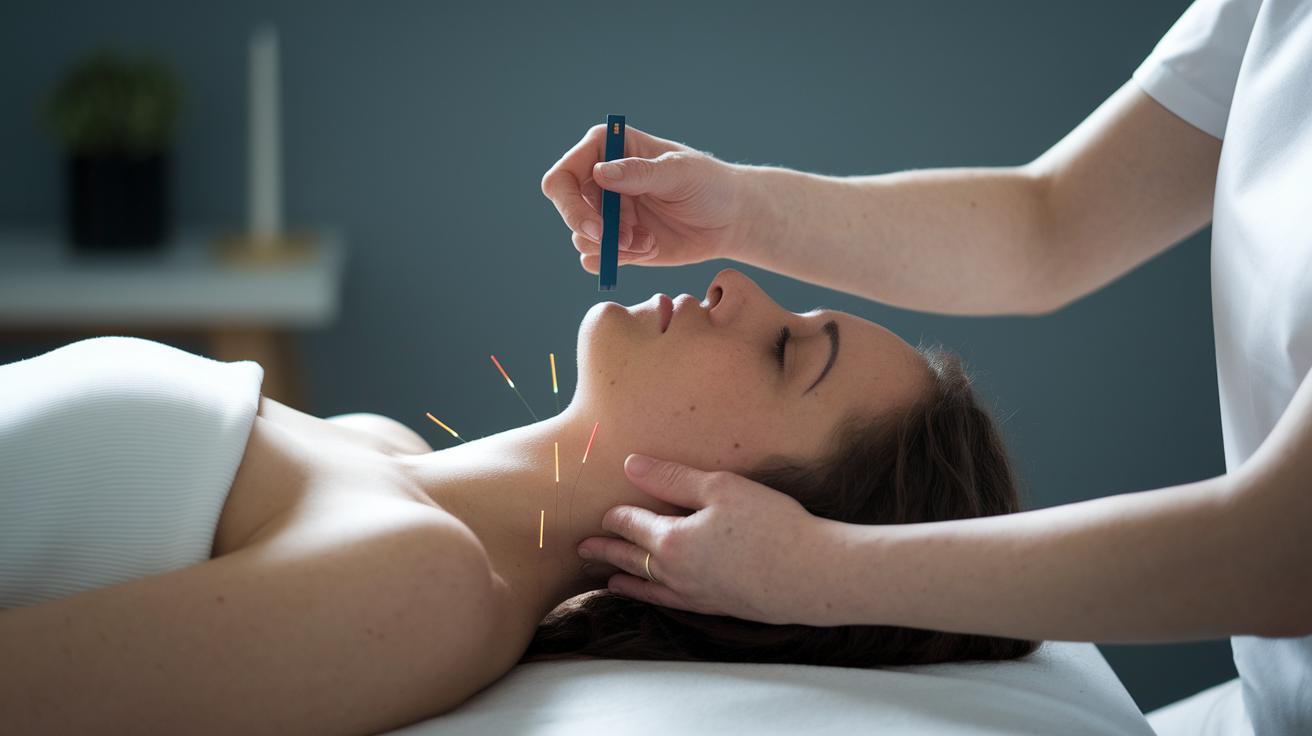
Acupuncture is a gentle, time-tested method that uses thin needles to help balance thyroid function. It brings together age-old techniques and modern support for your body's metabolism.
Practitioners work at specific points, like CV22, right near your throat, and ST9, close to your neck, to boost blood flow and calm any inflammation around the thyroid gland.
This treatment can be helpful whether you’re dealing with an underactive or overactive thyroid. In simple terms, it aims to balance the natural energies in your body, often described as Yin and Yang.
Acupuncture isn’t a stand-alone fix. It’s usually paired with smart dietary choices and lifestyle changes, giving you a whole-body approach to thyroid health.
The gentle nudge of each needle helps your body rediscover its natural rhythm. Many people find that it eases common symptoms like feeling tired, unexpected weight changes, or mood swings.
This integrative approach marries traditional wisdom with modern research, offering a supportive method alongside regular treatments.
You might just find yourself enjoying renewed energy and a clearer mind as your body starts feeling more balanced and at ease.
Personalized Acupuncture Plans and Risk Management for Hormone Health
Acupuncture for hormone balance isn’t one-size-fits-all. Practitioners use traditional Chinese medicine to really understand your unique symptoms and background. They look at your stress levels, sleep patterns, and diet to fine-tune the needle techniques that suit you best. One person might benefit from sessions aimed at calming stress hormones, while another could need a focus on reproductive or thyroid function.
Alongside the needles, personalized care often includes lifestyle tweaks. Think about incorporating a balanced diet, a regular sleep schedule, and simple stress reduction techniques like mindfulness or a gentle walk. Some practitioners even add integrative supplements or nutritional support to help smooth out hormone fluctuations.
Safety remains a top priority, too. Before starting treatment, your practitioner checks for any reasons to avoid certain treatments, explains what to expect, and sets clear, step-by-step goals. They offer advice on handling chronic stress that might be affecting your hormones. With this tailored approach, acupuncture becomes a trusted part of a broader wellness strategy that blends ancient wisdom with modern care, helping you embrace balance and inner calm.
Clinical Evidence and Patient Experiences in Acupuncture Hormone Balance
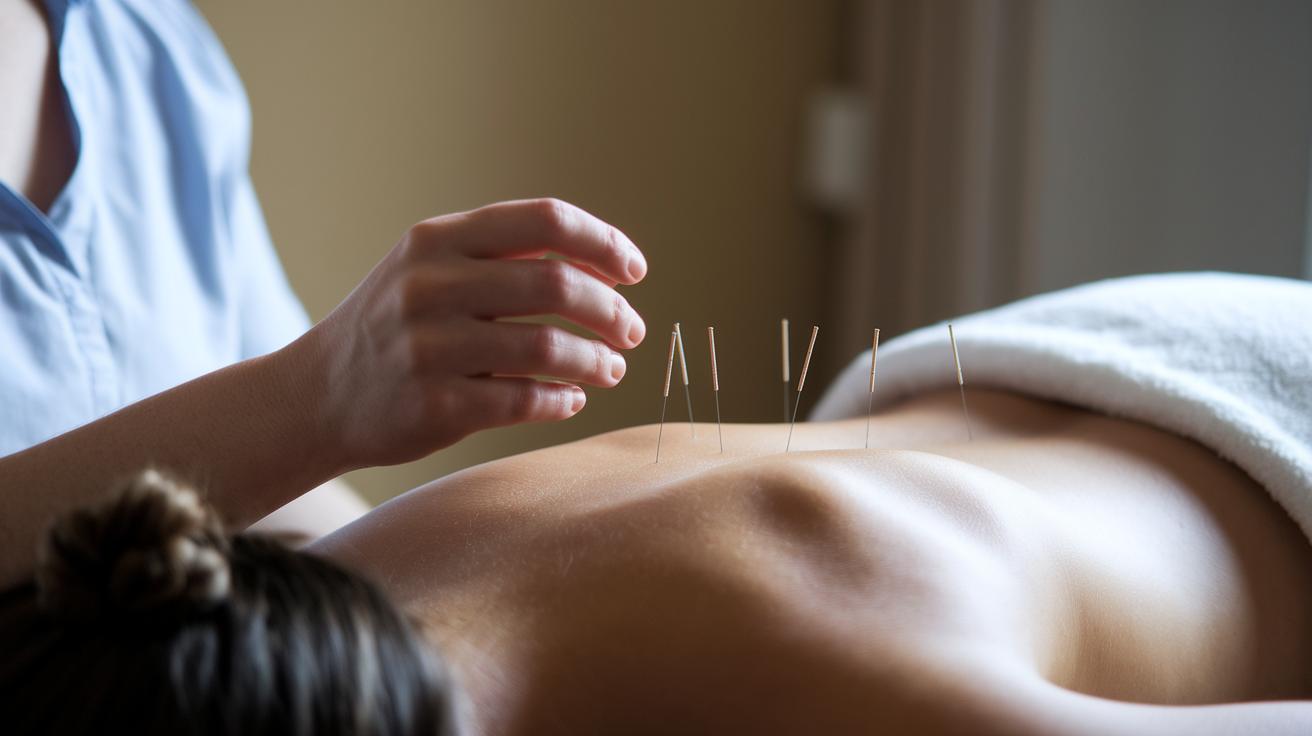
Clinical studies suggest that acupuncture can ease hormone discomfort by helping with symptoms like hot flashes and night sweats in a way similar to hormone replacement therapy. One study on February 17, 2025, noted that many patients experienced significant relief from these menopausal issues.
Research also points to acupuncture being helpful for menstrual pain and migraines. Patients often mention feeling an overall boost, like lighter moods, deeper sleep, and more energy. One person even shared that each session felt like a weight being lifted off her shoulders. All of this makes acupuncture a promising natural option for balancing hormones.
Early research on fertility shows similar hopeful trends. Some studies suggest that couples facing reproductive challenges can see supportive benefits from these treatments.
| Study Focus | Key Findings |
|---|---|
| Menopausal Symptoms | Fewer hot flashes and night sweats, improved sleep |
| Dysmenorrhea/Migraines | Significant pain relief and boosted overall well-being |
| Fertility | Encouraging outcomes for couples with reproductive challenges |
Final Words
In the action, acupuncture hormone balance shows promise in addressing fatigue, mood swings, and reproductive challenges by naturally supporting hormonal function. The post explored how needle therapy works to regulate the HPA axis, detailed key acupoints like KD3 and SP6, and explained tailored protocols for menstrual, menopausal, and thyroid support.
The insights bring hope, evidence-based methods that blend age-old wisdom with modern wellness strategies can help guide a healthier and more balanced life.
FAQ
Frequently Asked Questions
What acupuncture points are used for balancing hormones and supporting weight loss?
The acupuncture points used for balancing hormones include Kidney 3, Spleen 6, Ren 4, Liver 3, PC6, ST36, Yin Tang, and Ear Shenmen. These points benefit hormonal harmony and may aid weight management by improving digestion and reducing stress.
How long does it take for acupuncture to balance or regulate hormones?
The time for acupuncture to balance hormones varies by person. Many start to notice improvements within a few sessions, while comprehensive hormone regulation may take several weeks or months of regular treatment.
Where can I find acupuncture for hormone balance near me?
Locally available acupuncture for hormone balance can be found at licensed clinics and wellness centers. Searching online directories or asking your healthcare provider often leads to recommended professionals in your area.
What do online reviews and communities like Reddit say about acupuncture for hormonal imbalance?
Online reviews and posts on platforms like Reddit often share positive experiences, noting improvements in mood, energy, sleep, and reduced menopausal or menstrual symptoms following regular acupuncture sessions.
Can acupuncture balance hormones during menopause?
Acupuncture can help balance hormones during menopause by helping to regulate estrogen and progesterone levels, thereby reducing hot flashes, night sweats, mood swings, and improving sleep patterns for many patients.
How can one reset or address a hormonal imbalance with acupuncture?
Acupuncture addresses hormonal imbalances by stimulating the hypothalamus-pituitary-adrenal axis and targeting key acupoints, which together support a more balanced hormone production, often complemented by lifestyle adjustments.
What hormones are affected or released during an acupuncture session?
Acupuncture can influence the release of endorphins, serotonin, and cortisol regulators. This hormonal activity helps reduce stress and promote a balanced state in the body’s endocrine system.
What aspects of Chinese medicine help balance hormones?
Traditional Chinese medicine, including acupuncture, herbal treatments, and dietary guidance, works holistically to balance hormones by promoting the smooth flow of Qi and supporting the proper function of key organs involved in hormone production.