Have you ever wondered if the sound of a tuning fork can help calm your busy thoughts? Sound healing uses gentle vibrations to help reset your mind. Imagine your inner rhythm syncing up with soft notes that take you from tension to ease. This practice does more than simply fill your space with soothing sounds, it works to balance both your body and emotions. With ancient roots and a modern touch, sound healing gives you a safe space to rediscover calm and clear your mind.
Sound Healing Elevates Your Inner Calm
Sound healing is a gentle practice that uses music and vibrations to help your body and emotions feel balanced. It uses instruments like Tibetan singing bowls, crystal bowls, gongs, tuning forks, chimes, drums, and even the human voice. Each sound creates its own ripple, like when you tap a glass and hear the echo, and can help align your body's natural rhythm. Imagine a small tuning fork chiming in tune with your heartbeat, softly reminding you that balance is always within reach.
At its heart, sound healing is based on the idea that everything, including you, vibrates at its own unique frequency. When stress, injury, or illness disrupts these natural rhythms, things can feel a little off. By listening to targeted sounds, our brain can shift into more relaxed states, commonly known as alpha or theta waves, that promote deep calm. It’s like pressing a reset button for your mind, easing you away from everyday stress.
Many people have discovered benefits like lower stress, better sleep, clearer thinking, and even some relief from pain through improved circulation and relaxed muscles. Sound healing can also help you release built-up emotions, much like opening a window on a stuffy day. Just picture a quiet evening where every gentle note guides you back to a state of inner peace.
Historical Roots of Sound Healing: Ancient Practices & Cultural Traditions
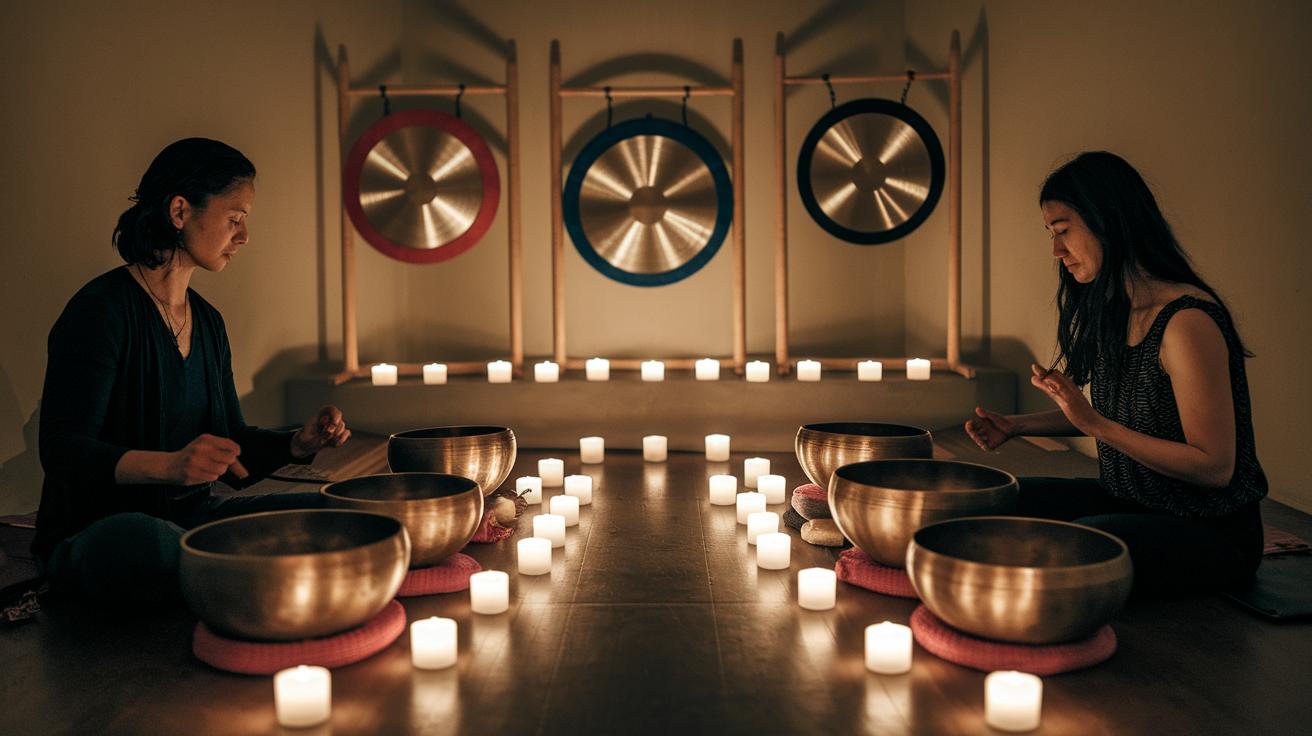
Sound healing has been a part of cultures all over the world for centuries. Long ago, people held lively ceremonies using drums, rattles, cymbals, bells, and even crystal bowls to boost both their body and mood. These weren’t simple shows; they were carefully planned experiences meant to help everyone feel balanced. Picture a community gathering where a deep, steady note begins the session, almost like a strong heartbeat setting the foundation, before gently rising into a lighter tone that lifts the spirit. Many believed this gradual shift helped clear emotional blockages and restore harmony.
Instruments like Tibetan singing bowls, tuning forks, and gongs were more than just musical devices. Each chime or strike carried a specific purpose, acting as a gentle reminder that we’re part of a much bigger picture. These tools helped connect people with nature and the wider universe, giving a feeling of oneness and peace.
Sound healing didn’t come in just one format. Sometimes, people joined group sound baths, and other times, they experienced one-on-one sessions. Each setting offered its own way to repair the connection between mind and body. Through thoughtful, culturally rooted techniques, these ancient methods set the stage for modern acoustic healing. It’s fascinating to think that even back then, the healing power of sound was celebrated and cherished.
Sound Healing Instruments & Techniques
Sound healing uses a variety of instruments, each sending out its own unique vibration that can help balance your energy and bring deep relaxation. Take Tibetan singing bowls, for example. Their rich, resonant tones work with your chakras, grounding you with every chime. Imagine that soft, calming sound echoing like nature’s own gentle hymn, soothing both your mind and spirit.
Crystal singing bowls create clear, pure tones from quartz, which many believe help clear away emotional clutter. Picture a crystal note so smooth that it lifts tension like sunlight breaking through a light morning mist. Then there are gongs that emit deep, resonant waves designed to release trapped energy. Their powerful sounds send ripples that gently shift heavy emotions, offering much-needed relief.
Tuning forks act like precise tools, each one emitting exact frequencies to target specific areas or chakras in your body. When used properly, these small instruments can help you feel more balanced. Alongside them, chimes and drums join forces to guide your brain into its natural rhythm. The chimes, like delicate raindrops, mark each moment, while the steady beat of a drum keeps your inner rhythm grounded.
Your own voice is another effective instrument, especially in overtone singing or chanting. It taps into your personal energy, helping align your body and mind naturally. In group sessions, often called sound baths, several instruments come together to create an immersive sound experience that clears your mind and soothes your spirit.
| Instrument | Material/Type | Primary Use |
|---|---|---|
| Tibetan singing bowl | Bronze alloy | Helps balance chakras and ground energy |
| Crystal singing bowl | Quartz crystal | Clears emotions and sharpens focus |
| Gong | Bronze plate | Releases deep, trapped energy |
| Tuning fork | Steel or aluminum | Delivers precise frequency balancing |
| Chimes | Metal rods | Encourages rhythmic brainwave patterns |
| Drum | Wood & skin | Provides steady grounding and stress relief |
Scientific Research & Evidence on Sound Healing
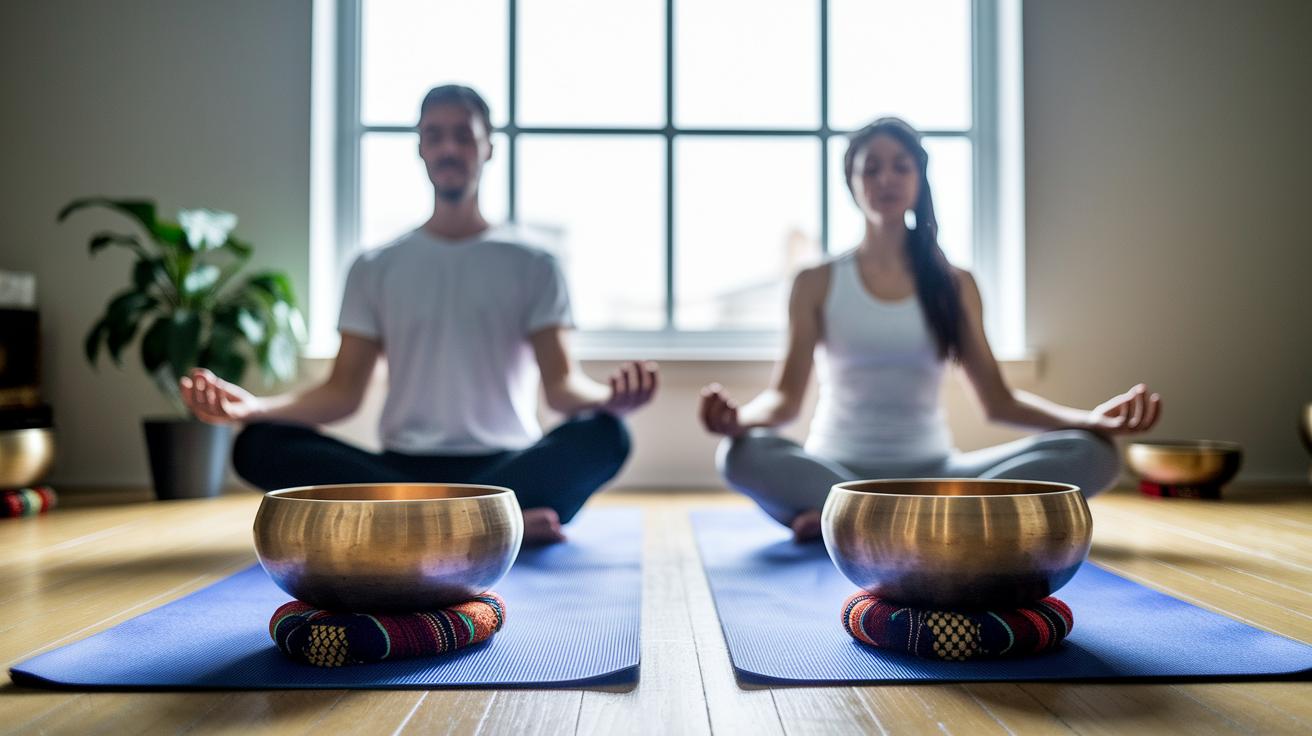
Research shows that sound healing can lower stress by reducing cortisol levels, the hormone our body releases when we’re under pressure. In simple terms, fewer cortisol levels mean you can feel calmer and more at ease.
In controlled studies, people who participated in sound healing sessions experienced a noticeable drop in stress. EEG and fMRI scans even revealed increased activity in the alpha and theta wave ranges, brain waves that are commonly seen during deep relaxation or meditation. One person even shared, “It felt like my mind had shifted into a peaceful rhythm.”
Some trials also suggest that sound healing can help improve sleep and boost mental clarity. Imagine waking up feeling refreshed and focused, that’s what some researchers believe happens when your brain’s natural rhythm is enhanced. Even pain relief is on the table, thanks to increased blood flow and reduced muscle tension measured during these sessions.
Preliminary trials hint that regular sound healing might support your immune system as well, with improvements seen in certain immune markers over time. In short, this practice appears to help realign your body's natural energy patterns and foster overall well-being.
All in all, sound healing isn’t just a soothing experience, it’s backed by scientific research that shows real benefits for both body and mind.
Benefits & Applications of Sound Healing
Sound healing can help ease your body and mind by lowering stress and cutting down on tension. Studies show that practices like sound baths reduce cortisol, a hormone linked to stress, which in turn can lead to better sleep and a more balanced mood. Instruments such as Tibetan singing bowls send out gentle, rhythmic vibrations that relax muscles and boost circulation, helping to relieve everyday aches.
Think about joining a group sound bath where you and others sit together as resonant tones wash over you, much like the soft ebb of a familiar tide easing away your stress. On the other hand, a private session lets the practitioner adjust the tones just for you, promoting a more focused sense of inner calm.
Here are some key benefits:
| Benefit | Description |
|---|---|
| Stress Reduction | Lowers stress and calms your emotions. |
| Improved Sleep | Encourages deeper, more restorative sleep. |
| Pain Relief | Enhances blood flow for muscle relaxation. |
| Mental Clarity | Boosts focus and clears the mind. |
| Energy Balance | Supports a harmonious state of overall well-being. |
Sound healing blends scientific insights and personal experience, making it a versatile tool in your health routine, whether you enjoy the communal vibe of group sessions or the tailored approach of one-on-one work.
Safety Considerations & Potential Side Effects of Sound Healing
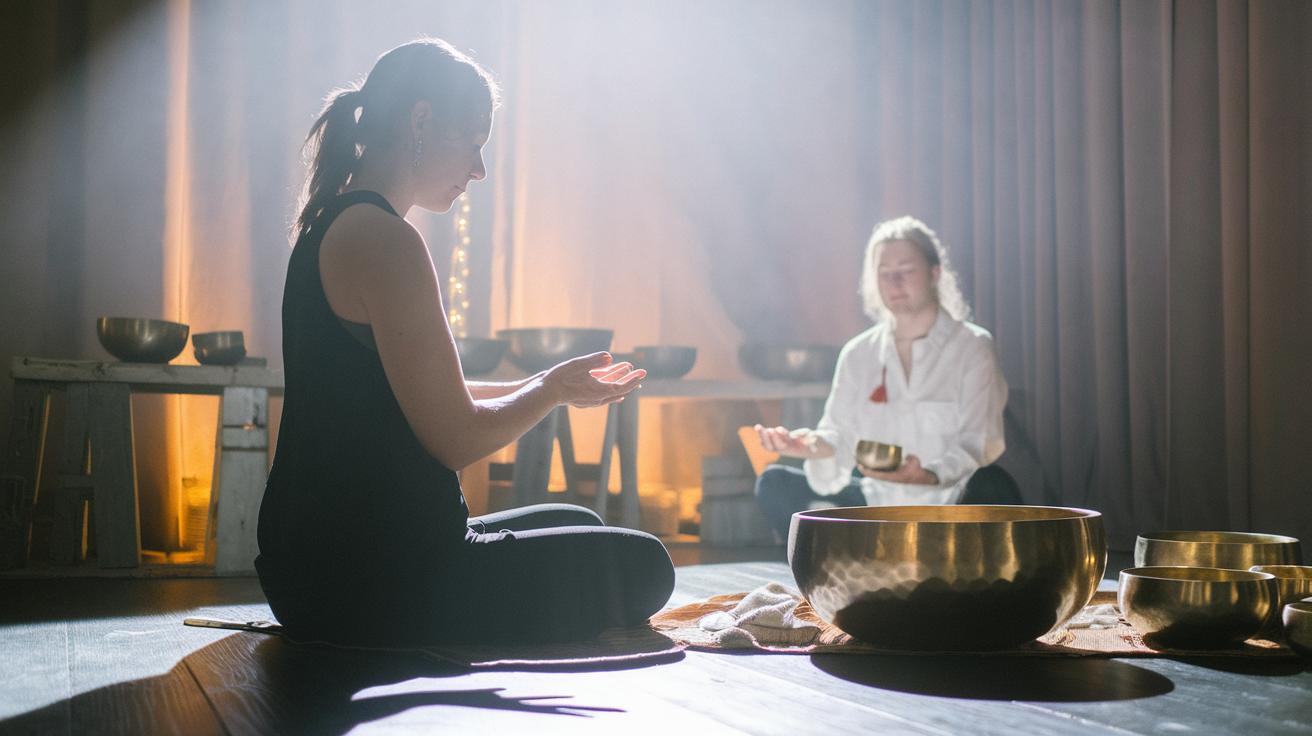
Sound healing is a gentle way to help you relax when guided by trained practitioners. These experts work hard to create a safe, supportive space that cares for both your body and your feelings, so you can enjoy the experience without worry.
During a session, you might feel a burst of emotions or even a bit of anxiety. This can be normal, almost like a little storm clearing away built-up tension to leave you feeling lighter. It’s common for some to experience a brief moment of intense feelings before settling back into calm.
On rare occasions, you might get a headache or migraine, especially if you’re exposed to loud sounds for too long. If you’re sensitive to sounds or have a history of seizures, be extra cautious, because even small shifts in audio levels can sometimes trigger a reaction.
Below are some key points to remember:
| Aspect | Note |
|---|---|
| Safety | Generally safe when guided by professionals |
| Emotional Response | May trigger brief intense emotions or mild anxiety |
| Headache/Migraine | Rare cases after prolonged exposure to high volumes |
| Sensory Sensitivity | Extra caution advised for those with heightened sensitivity |
Studies in controlled settings haven’t shown any serious adverse events, making sound healing a safe option when done with care. It’s like a reset, a little shake-up that often leads to a calmer, clearer state.
Incorporating Sound Healing into Daily Life & Retreat Settings
Have you ever taken a few minutes to let your mind and body settle? At home, there are lots of simple ways to try sound healing. Think about using a guided audio session with calming solfeggio tones (a special set of sounds believed to help relax you) or even making your own soothing melodies with an instrument or a smartphone app. Just close your eyes, press play, and let the gentle sounds clear your thoughts.
Find a quiet spot where outside noise fades away. Use good headphones or speakers to catch every soft tone. Before you start, set a clear intention, almost like tuning your favorite instrument. Pair your sound session with some deep breathing or gentle stretches to boost your calm and balance.
If you prefer a more social experience, check out community wellness centers or mobile therapy studios. They often host sound baths where multiple sound sources work together, wrapping you in a peaceful cocoon of sound. And if you’re up for a deeper dive, look for weekend retreats or wellness academies that focus on energy tuning and immersive sound practices.
Plus, there are cool wearable gadgets that can track your body’s vibrations in real time. Try experimenting with these to see any subtle shifts in your energy levels. With sound healing, whether at home or in a community setting, you can turn everyday moments into little opportunities for healing and renewal.
Final Words
In the action of this article, we explored the basics of sound healing, its ancient origins, and its modern practice. We looked at tools like Tibetan singing bowls and tuning forks, supported by promising research on stress relief and sleep quality.
We also covered safety notes and practical tips for daily use. Embracing these insights can help you integrate sound healing and encourage a more balanced, relaxed lifestyle. Enjoy the potential benefits and the positive changes it may bring!
FAQ
Sound healing near me
The term “sound healing near me” indicates a search for local practitioners or sessions. Many wellness centers, studios, and community retreats offer guided sound baths using instruments like Tibetan bowls and gongs.
Sound healing benefits
Sound healing benefits include reduced stress, improved sleep, emotional release, and enhanced mental clarity. These sessions help lower cortisol levels while promoting relaxation and overall well-being through resonant vibrational therapy.
Sound healing side effects
The phrase “sound healing side effects” refers to transient reactions such as temporary anxiety, strong emotional release, or occasional headaches. Sessions are usually safe when led by experienced practitioners, ensuring supportive guidance throughout.
Sound healing therapy
Sound healing therapy uses vibrational instruments to help synchronize brainwaves, lower muscle tension, and promote deep relaxation. This technique leverages natural frequencies to support physical, mental, and emotional balance.
Sound healing YouTube
“Sound healing YouTube” content features guided sessions, calming sound baths, and demonstrations of vibrational instruments. These videos offer accessible ways to experience auditory relaxation and self-care from the comfort of home.
Sound healing instruments and music
Sound healing instruments such as Tibetan singing bowls, crystal bowls, gongs, and tuning forks produce resonant tones. The music created supports relaxation, emotional balance, and energetic alignment, making it a cornerstone of vibrational therapy.
Sound healing debunked
Discussions on “sound healing debunked” highlight that while some studies support its benefits like stress reduction and improved sleep, critics argue that more rigorous research is needed to fully confirm all therapeutic claims.
What does sound healing do?
The question “what does sound healing do?” addresses how vibrational frequencies promote relaxation, balance the body’s energy, reduce stress, and support physical healing by engaging brainwave entrainment and emotional release.
What are the 5 healing sounds?
The phrase “what are the 5 healing sounds?” refers to traditional vocal expressions linked to specific energy centers. Often, these sounds are used in practices aimed at releasing stagnant energy and balancing the body’s chakras.
Can you be healed by a sound frequency?
The idea that “you can be healed by a sound frequency” suggests that targeted vibrational therapy supports deep relaxation and cellular balance. Many individuals experience improvements in emotional and physical wellness with such acoustically based treatments.
What are the four pillars of sound healing?
The term “four pillars of sound healing” typically covers the key components: vibrational instruments, brainwave entrainment, emotional release, and structured session settings—whether in group sound baths or private treatments.