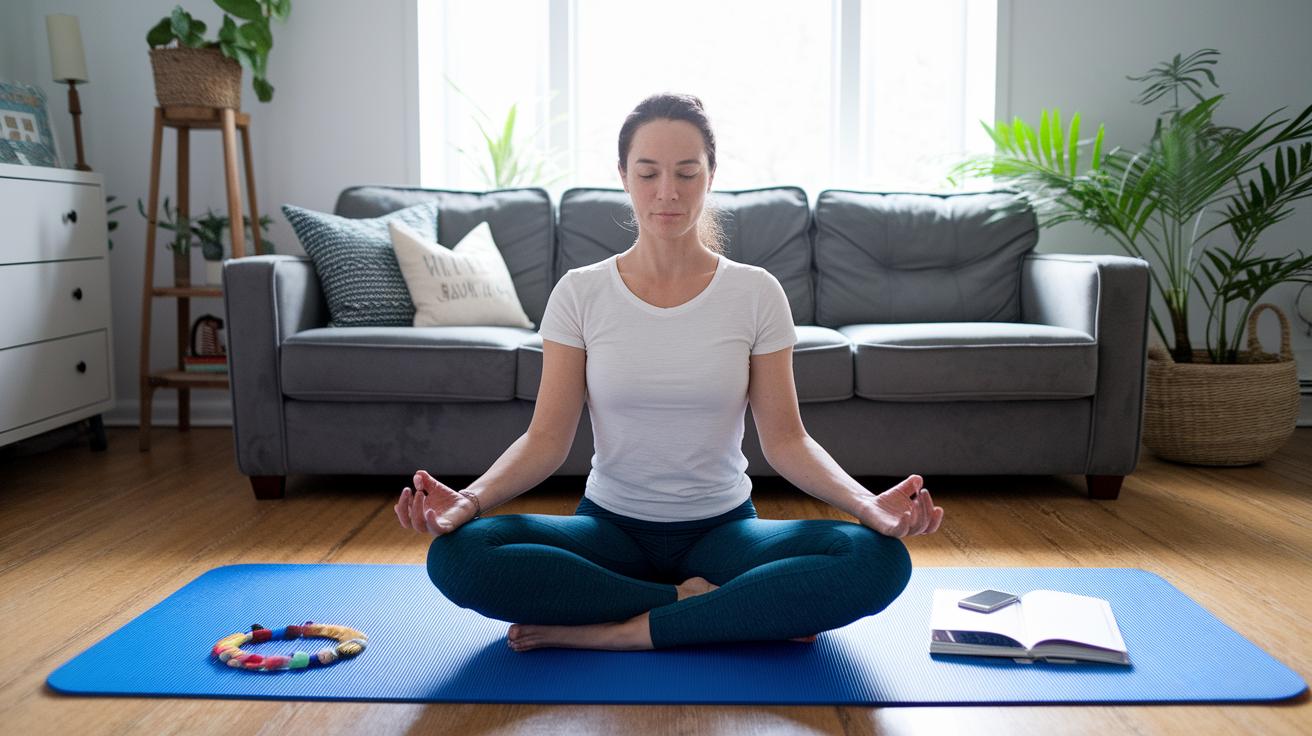
Ever wonder if one quick fix can truly solve a health problem? Holistic healing means caring for your body, mind, and spirit all at once so you can feel your best. It’s like tending a garden, each plant needs water, light, and a little extra care to grow strong.
By looking after every part of your life, you set up a balanced path to lasting health. In this article, we’ll dive into how holistic healing can refresh your natural well-being and open up new ways to think about everyday health choices.
Holistic Healing Foundations: Treating Body, Mind, and Spirit
Holistic healing is about caring for your entire self, body, mind, and spirit, all at once. Instead of just easing symptoms, it’s a way to build long-lasting health. Imagine someone designing a unique nutrition plan paired with mindful movement to bring balance to life. It’s like tending a garden, nurturing every part so you can truly flourish.
Unlike regular healthcare that often focuses on quick fixes like medications or procedures to treat a symptom, holistic healing digs deeper. It looks at everything from the stress you feel every day to the food choices you make. For example, rather than just dulling a headache with painkillers, you might choose to eat healthier and get moving regularly to keep those uncomfortable moments at bay.
This approach puts a big emphasis on prevention and lasting change. It usually involves one-on-one sessions, clear goals, and tweaks to everyday habits that fit your unique needs. By working alongside traditional treatments, it creates a balanced path to build your inner strength and keep your overall well-being strong over time.
Core Principles and Dimensions of Holistic Healing
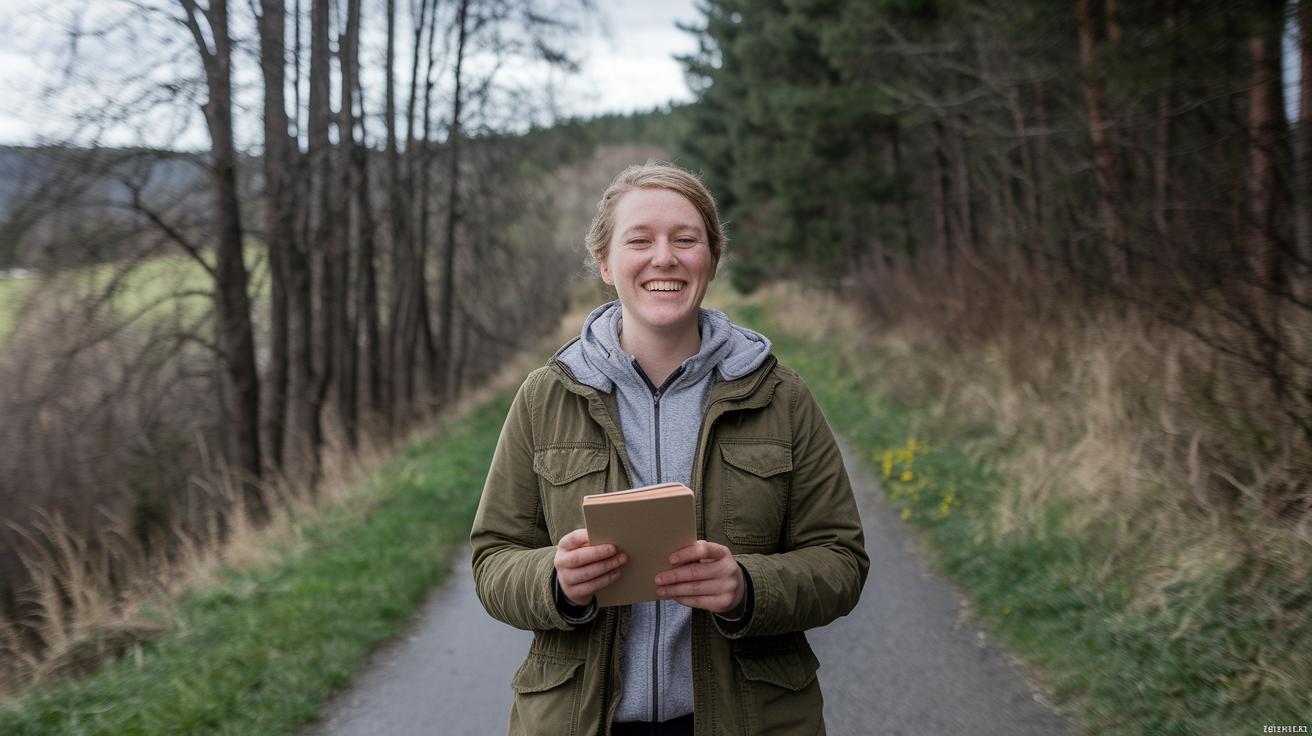
Holistic healing is all about caring for you as a whole person instead of just treating a single symptom. It looks at every part of your life, your body, feelings, spirit, relationships, mind, surroundings, work, and even money, to create a plan that truly fits you. For example, if you love spending time outdoors, combining nature walks with a few minutes of quiet reflection might boost both your mood and sense of peace.
Staying on track is a big part of this approach. One-on-one sessions help you set small, reachable goals while using simple tools to check your progress, like online wellness programs or keeping a gratitude journal. Regular check-ins give you the chance to tweak your routine as your needs change, making your journey feel steady and supported. Working closely with a professional in this way encourages you to play an active role in your care, so every part of you gets the attention it deserves.
Holistic Healing: Revitalize Your Natural Well-being
Holistic healing is all about bringing together a variety of natural therapies that work hand in hand to boost your overall wellness. It’s like having a little toolkit where each method plays its part in easing everyday aches and nurturing a calm state of mind. Imagine gentle practices that not only soothe physical discomfort but also help quiet a busy mind.
For example, acupuncture (where tiny needles are used to kickstart your body’s natural healing) and massage therapy ease muscle tension and help you relax. Meanwhile, yoga and meditation offer a way to strengthen both your body and your mind by blending movement with mindfulness. It’s a simple, natural mix that shows caring for yourself doesn’t have to be complicated, it’s about blending small, effective steps into your daily routine.
When you combine these methods, the benefits really add up. You might find yourself with more energy, less stress, and even improved digestion. Ultimately, this approach creates a natural rhythm where your body and mind work together as one, evolving with you as your needs change.
| Therapy | How It Helps | ||||||||||||
|---|---|---|---|---|---|---|---|---|---|---|---|---|---|
| Yoga | Boosts strength and eases stress through gentle movement | ||||||||||||
| Acupuncture | Provides mild pain relief by stimulating key points | ||||||||||||
| Massage Therapy | Relieves muscle tension and promotes a relaxed state | ||||||||||||
| Herbal Remedies | Supports immune and digestive health with nature’s ingredients | ||||||||||||
| Mindful Eating | Encourages presence
Daily Practices and Lifestyle Shifts for Holistic Healing
Holistic healing is all about taking care of both your body and your mind through everyday habits. Many people find that using tools like meditation apps, fitness trackers, or online wellness programs helps them stay on top of their habits and keep their spirits high. For example, keeping a gratitude journal not only captures your daily wins but also reminds you of life's bright moments. And when you practice mindful eating, focusing on the taste, texture, and aroma of your food, you support healthy digestion and balanced emotions. Small tweaks in your daily routine can really strengthen the bond between your body and your mind. Adopting simple, practical habits can brighten up your whole day. Here are five easy steps to weave into your routine:
These simple practices do more than boost your physical health, they help cultivate a sense of calm and clear focus throughout your day. Evidence, Research, and Case Studies in Holistic HealingWhen you explore alternative therapies, you quickly notice the real promise of holistic healing. Research shows that simple tools like meditation apps and fitness trackers can provide tangible benefits, think better heart rate variability and reduced stress, by making practices like yoga and mindfulness measurable. This isn’t just busy talk. Studies confirm that natural approaches work hand in hand with conventional treatments. For example, models like the Integrated Approach to Wellness reveal that blending standard medical care with holistic practices can boost overall health in a noticeable way. Real-life stories bring these findings to life. One group of patients, who started a regular routine of meditation and yoga, shared how their sleep quality and energy levels improved, as recorded by their digital health tools. Another group added mindful breathing exercises to their day and experienced a clear drop in anxiety. These examples show that mixing natural methods with traditional care can lead to real, measurable progress in both mental and physical health. Finding and Collaborating with Holistic Healing Experts
When you're exploring holistic healing, it helps to know who’s offering help. Sometimes, you might work with a registered dietitian who provides personalized advice on nutrition and lifestyle. Other times, you might connect with a licensed counselor, clinical social worker, or a certified natural healing specialist who can guide you in balancing your body, mind, and spirit. Many centers run accredited natural care programs that confirm they meet trusted quality standards. These professionals bring recognized credentials, so you know you're working with someone capable of understanding your unique needs and setting clear, realistic goals. When setting up your first meeting, be sure to ask plenty of questions. For instance, ask about their experience and how they integrate holistic care with advice from your primary doctor. You could say, "How do we track progress?" or "What steps are taken to blend natural therapies with conventional treatments?" Getting clear answers about these details, and also about how insurance helps manage the costs, ensures that your care plan feels both safe and effective. Final WordsIn the action of choosing better health, this article mapped out holistic healing foundations, exploring complete wellness through balanced nutrition, mindful practices, and expert guidance. The discussion unpacked natural therapies, daily routines, and the latest evidence that supports these methods. Every tip and research insight connects big ideas with simple daily actions. Embracing holistic healing can help boost well-being, letting each step guide you toward a healthier, more balanced life. FAQWhat is holistic healing?The definition of holistic healing is a comprehensive approach that treats your body, mind, spirit, and emotions. It promotes balance and prevention through personalized natural therapies, often working alongside traditional medicine. What holistic healing methods and treatments can I try?The examples of holistic healing methods include acupuncture, yoga, massage, herbal remedies, mindful eating, and meditation. Each approach naturally supports complete well-being by addressing physical, mental, and emotional health. How do I start holistic healing?The process of starting holistic healing involves researching local practitioners, exploring natural practices like yoga and meditation, and consulting healthcare professionals to develop a personalized wellness plan that suits your needs. Where can I find holistic healing near me?Finding local holistic healing options means checking community directories, health centers, or reputable websites where certified practitioners offer natural therapies to support your body, mind, and spirit. What can I expect at a holistic healing dispensary?A holistic healing dispensary provides natural remedies, wellness products, and supplements designed to support a balanced lifestyle. These offerings often complement traditional treatments for well-rounded care. What do holistic healing schools offer?Holistic healing schools teach natural therapy techniques, wellness strategies, and comprehensive care methods. They help learners build skills for personal growth or a professional practice in supporting overall health. What is a holistic healing menu?A holistic healing menu details a range of natural therapies and personalized treatments available at a practice. It guides you in choosing services that align with your physical, emotional, and spiritual well-being. What information can I find in holistic healing books?Holistic healing books provide insights into natural therapies, wellness tips, and research-based advice. They help you understand and implement balanced lifestyle changes for improved overall health. What does a holistic healing logo symbolize?A holistic healing logo typically represents unity, balance, and nature. Its design often includes calming visuals and interconnected shapes that highlight the integration of body, mind, and spirit. What resources do holistic healing websites provide?Holistic healing websites offer educational articles, practitioner directories, detailed therapy guides, and interactive tools. These resources help you explore natural treatment options and adopt personalized wellness strategies. What are the 7 natural ways of healing?The 7 natural ways of healing might include exercise, proper nutrition, mindfulness meditation, herbal remedies, massage, acupuncture, and energy techniques—each supporting different aspects of full-body health and resilience. Ever wonder if one quick fix can truly solve a health problem? Holistic healing means caring for your body, mind, and spirit all at once so you can feel your best. It’s like tending a garden, each plant needs water, light, and a little extra care to grow strong. By looking after every part of your life, you set up a balanced path to lasting health. In this article, we’ll dive into how holistic healing can refresh your natural well-being and open up new ways to think about everyday health choices. Holistic Healing Foundations: Treating Body, Mind, and SpiritHolistic healing is about caring for your entire self, body, mind, and spirit, all at once. Instead of just easing symptoms, it’s a way to build long-lasting health. Imagine someone designing a unique nutrition plan paired with mindful movement to bring balance to life. It’s like tending a garden, nurturing every part so you can truly flourish. Unlike regular healthcare that often focuses on quick fixes like medications or procedures to treat a symptom, holistic healing digs deeper. It looks at everything from the stress you feel every day to the food choices you make. For example, rather than just dulling a headache with painkillers, you might choose to eat healthier and get moving regularly to keep those uncomfortable moments at bay. This approach puts a big emphasis on prevention and lasting change. It usually involves one-on-one sessions, clear goals, and tweaks to everyday habits that fit your unique needs. By working alongside traditional treatments, it creates a balanced path to build your inner strength and keep your overall well-being strong over time. Core Principles and Dimensions of Holistic Healing
Holistic healing is all about caring for you as a whole person instead of just treating a single symptom. It looks at every part of your life, your body, feelings, spirit, relationships, mind, surroundings, work, and even money, to create a plan that truly fits you. For example, if you love spending time outdoors, combining nature walks with a few minutes of quiet reflection might boost both your mood and sense of peace. Staying on track is a big part of this approach. One-on-one sessions help you set small, reachable goals while using simple tools to check your progress, like online wellness programs or keeping a gratitude journal. Regular check-ins give you the chance to tweak your routine as your needs change, making your journey feel steady and supported. Working closely with a professional in this way encourages you to play an active role in your care, so every part of you gets the attention it deserves. Holistic Healing: Revitalize Your Natural Well-beingHolistic healing is all about bringing together a variety of natural therapies that work hand in hand to boost your overall wellness. It’s like having a little toolkit where each method plays its part in easing everyday aches and nurturing a calm state of mind. Imagine gentle practices that not only soothe physical discomfort but also help quiet a busy mind. For example, acupuncture (where tiny needles are used to kickstart your body’s natural healing) and massage therapy ease muscle tension and help you relax. Meanwhile, yoga and meditation offer a way to strengthen both your body and your mind by blending movement with mindfulness. It’s a simple, natural mix that shows caring for yourself doesn’t have to be complicated, it’s about blending small, effective steps into your daily routine. When you combine these methods, the benefits really add up. You might find yourself with more energy, less stress, and even improved digestion. Ultimately, this approach creates a natural rhythm where your body and mind work together as one, evolving with you as your needs change.
|