Ever wonder if your body might benefit from a diet that truly fits you? Many find that skipping a one-size-fits-all approach is the smartest move. Research shows that custom diets can help you build lasting healthy habits and even boost your energy.
With personalized nutritional plans, your unique genes, lifestyle, and daily routines work in harmony to balance carbs, proteins, and fats. Think of it like mixing your very own recipe that blends your personal health story with science-backed advice, filling in any gaps in your daily nutrition.
Building a Personalized Nutritional Blueprint for Diet Optimization
Imagine having a dietary plan that’s made just for you. By looking closely at your genes, medical history, and daily habits, you get a plan that fits your life perfectly. In fact, studies show that people following such tailored plans stick to them about 20% better than those on one-size-fits-all diets. It’s not just about choosing the right foods; it’s also about knowing when to eat to support your unique metabolism and overall wellbeing.
This approach is much more than basic advice. It’s a deep dive into your personal data, like your genetic blueprint (which gives clues about your body’s natural tendencies) and your gut bacteria (the tiny helpers that aid digestion). With this information, the plan fine-tunes your nutrient intake to support better weight management and everyday energy levels. It really helps you make smarter food choices with a clear focus on what your body needs.
- Genetic and genomic analysis
- Metabolic and biomarker profiling
- Lifestyle and physical activity check
- Gut microbiome evaluation
- Customized meal planning
- Advanced hydration scheduling
All these elements come together to form a blueprint that’s uniquely yours. By combining genetic tests, metabolic assessments, and lifestyle reviews, the strategy creates a clear roadmap to fill any nutritional gaps. For example, if your results show a slower-than-average metabolism or a minor gut flora imbalance, simple tweaks in your meal plan and hydration can go a long way. This custom approach not only makes sure your body gets the right calories at the right time but also builds steady, long-term habits that match your health goals.
Adaptive Macronutrient and Micronutrient Frameworks in Diet Optimization
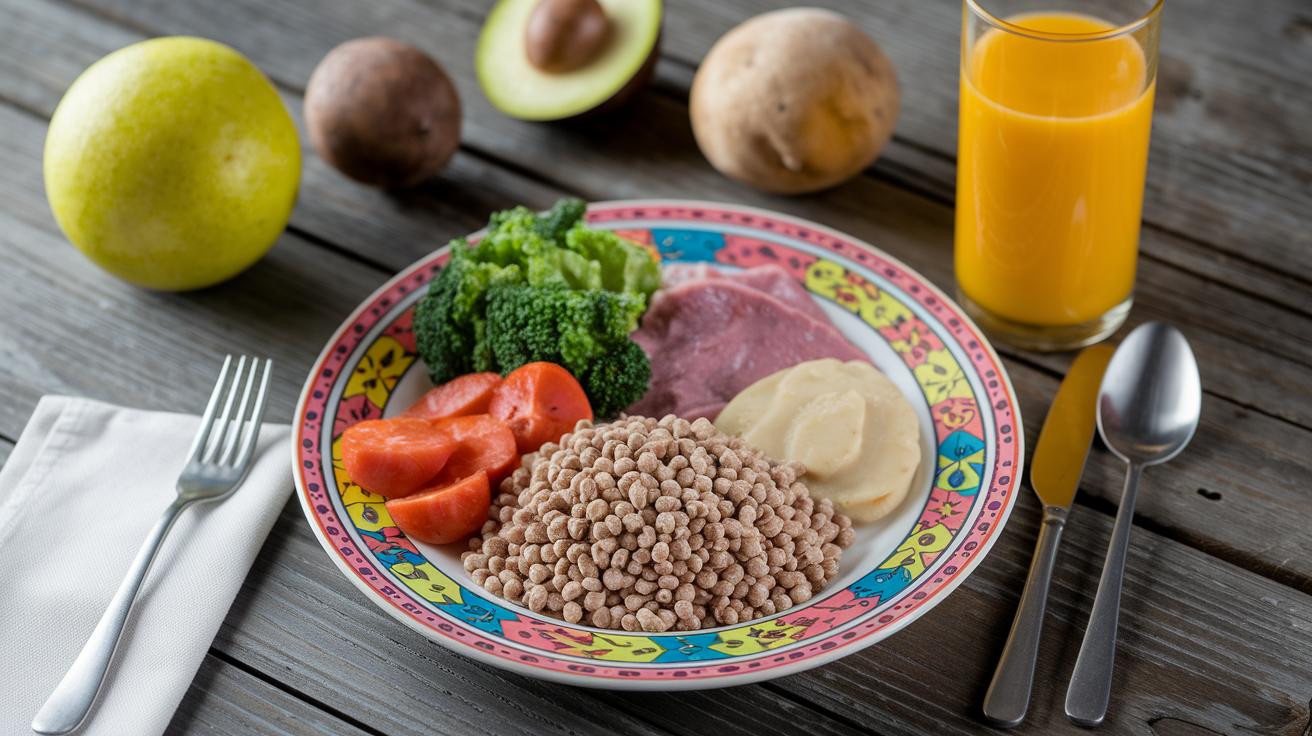
When you build your own eating plan, adjusting your macronutrient ratios is key. Think of carbs, proteins, and fats as parts of a recipe that needs to match your metabolism, body makeup, and everyday activities. For instance, you might aim for carbohydrates to make up about 30–60% of your calories, depending on your energy needs. Getting around 1.2–2.0 grams of protein per kilogram of body weight helps your muscles recover properly, while keeping fats between 20–35% of your calories ensures you receive essential fatty acids that support hormone balance. Also, planning the perfect time for your vitamins and minerals can really improve how your body absorbs these nutrients.
By matching your nutrient goals with your own body stats, you can fine-tune the way your body digests and uses what you eat. A personalized eating blueprint lets you adjust not just the amounts of each macronutrient but also the timing for taking your vitamins and minerals. Imagine your vitamin schedule syncing perfectly with your body’s natural rhythm, it can boost how well you absorb nutrients and keep your overall energy steady.
| Nutrient Category | Your Personal Target | Main Benefit |
|---|---|---|
| Carbohydrates | 30–60% of calories | Steady, lasting energy |
| Protein | 1.2–2.0 g per kg body weight | Helps repair muscles |
| Fats | 20–35% of calories | Supports hormone balance |
| Micronutrients | Follow recommended timing | Boosts absorption |
This straightforward guide makes it easier to see how each nutrient plays a part in your day. With clear targets in place, you can tweak your diet to keep your energy high, speed up recovery, and support your overall health.
Integrating Health Metrics into Precision Nourishment Planning
Precision nutrition brings together genetic details, lab markers, and your daily habits to create a diet that’s truly personalized. When experts dive into your DNA using tools like SNP panels and polygenic risk scores, they can predict how you'll handle different foods. This deep-dive helps pick out the best fuel, whether you need foods that support muscle repair, keep your energy up, or boost your overall health. It's like your body is giving clues to guide a perfectly balanced meal plan throughout your day.
Genetic and Genomic Data Analysis
Experts use SNP panels and polygenic risk scores to understand your genetic blueprint and how you process carbs, proteins, and fats. Imagine having a custom map that shows your metabolism’s little twists and turns. This insight makes it easier to plan meals that maintain steady energy and support muscle recovery.
Biomarker and Microbiome Profiling
Checking things like your blood lipid panels and glucose levels gives a clear snapshot of your internal nutrition. When you mix in a look at your gut microbiome, the variety and balance of bacteria in your digestive system, you get tailored advice on the right mix of fiber, prebiotics, and probiotics. For example, if your insulin levels are a bit off, a few tweaks in fiber and probiotic intake might help keep your blood sugar stable.
Lifestyle and Phenotypic Assessment
We don’t stop at just the biology. Daily activity like step counts, heart rate, sleep, and stress levels plays a huge role in understanding your needs. Insights from wearables and mobile apps reveal your routine, letting experts adjust your calorie and hydration plans. This full-circle approach combines your lifestyle with your biological data to create a nutrition plan that’s as adaptable and dynamic as your everyday life.
Leveraging Technology for Customized Diet Monitoring and Adjustment

Mobile health apps teamed with wearable gadgets let you keep an eye on your meals, daily activities, and blood sugar levels in real time. They track your steps, heart rate, and even subtle changes in your day, so you get instant feedback that helps you adjust your diet as needed and keeps your motivation up.
AI-powered meal recommendation systems also ease the stress of planning your nutrition. Devices like continuous glucose monitors send data to diet apps, while nutrition platforms mix lab results with real-world activity information. As a result, your diet plan can get small, smart tweaks to macronutrient ratios that fit easily into your everyday life.
These advanced tools make managing calories feel almost automatic. Feedback loops instantly update your eating plan based on current metrics, syncing your nutrient intake with your physical activity and lab results. When apps and wearables work together, they create a practical nutrition roadmap that adapts as your lifestyle changes. In short, this evolving process keeps your nutritional strategy lively and responsive, turning everyday updates into daily steps toward better health.
Specialized Dietary Strategies for Performance and Chronic Disease Management
Personalized nutrition can truly boost athletic performance. It’s all about crafting meal plans that keep you energized and speed up recovery. For instance, athletes often use something called carbohydrate cycling (which means adjusting your carb intake based on how hard you work) to ensure they have enough fuel for intense workouts. And timing your protein intake is key, having a protein snack within about 30 minutes after exercise can help your muscles start repairing themselves.
Recovery meals that follow a roughly 3:1 carbohydrate-to-protein ratio not only refill your energy stores but also help your body repair tissues. These sport-focused tweaks mean your nutritional plan changes with your training, keeping you on top of your game.
When it comes to managing chronic conditions, a personalized diet can also make a huge difference. For example, if you’re dealing with issues like diabetes or heart disease, eating plenty of fruits and vegetables packed with natural compounds called polyphenols, as well as omega-3 fatty acids found in foods like fish, can help reduce inflammation and keep your blood sugar steady. Some self-care programs for type 2 diabetes even offer custom methods to balance your blood sugar levels based on your personal health details.
Moreover, these tailor-made plans take into account food sensitivities like celiac or lactose intolerance by using insights from your genetic and medical history. By combining weight management with nutrient-dense, anti-inflammatory foods, you’re not only enhancing your athletic performance but also managing chronic conditions in a way that helps you feel your best every day.
Behavioral and Timing Strategies to Sustain Personalized Diet Optimization

Eating at the right time can really change how your body processes food. Research tells us that syncing your meals with your natural body clock helps keep your blood sugar levels steady. For example, if you try eating only during an 8-hour window each day, you may find that your body handles sugar better and your overall metabolism improves. Imagine starting your morning with a protein-rich meal that keeps you feeling full for 3 to 4 hours, suddenly, those mid-morning snack cravings seem less tempting.
Tweaking when you eat can also help control body fat while making it easier to stick to a healthy diet over time. By creating a small daily calorie deficit, around 500 calories when teamed with high-fiber foods, you gradually lose weight and feel satisfied longer. Many people have tried intermittent fasting methods, like the 16:8 approach, and seen body fat drop by as much as 10–15% in just 12 weeks. In short, creating a consistent eating rhythm not only helps control your appetite but also supports a diet that feels uniquely right for you.
Final Words
In the action, we explored creating a customized nutritional blueprint using detailed assessments, from genetic and metabolic profiling to lifestyle evaluations, that shape effective, adaptive eating guidelines. We also focused on fine-tuning macros, using technology for ongoing adjustments, and integrating behavior and timing strategies to maintain steady progress.
Keep personalized nutritional strategies for diet optimization at the center of your plan. Small, informed choices can lead to significant improvements in energy, well-being, and overall health.
FAQ
What is personalized nutrition for optimal health, and can you provide an example?
Personalized nutrition for optimal health customizes meal plans by using your genetic, medical, and lifestyle information. An example is a plan that uses metabolic profiling to adjust macronutrient ratios to meet your unique needs.
How to create a personalized nutrition plan?
Creating a personalized nutrition plan involves gathering details such as lab markers, genetic insights, and daily habits. This information is then used to design food recommendations that promote balanced meals and overall well-being.
What are some nutritional strategies?
Nutritional strategies include adjusting macronutrient ratios based on metabolic profiles, scheduling meals to boost energy, and planning balanced servings that support digestion and long-term healthy eating.