Ever feel like reaching 30 grams of protein a day is tougher than it should be? You might be surprised to hear that a few simple food portions can do the trick. In this guide, I’m sharing practical tips that explain exactly how much chicken, eggs, or tofu you need at each meal.
Imagine your plate as a roadmap. Each side of your meal helps fuel your energy and supports muscle repair. With a few easy swaps and balanced choices, hitting your protein goal could soon be the simplest, and even the most satisfying, part of your day.
Portion Guide to Reach Your 30g Protein Goal
Knowing how much protein each food offers makes planning your meals a breeze. With these simple serving sizes, you can quickly adjust your plate to hit that 30g target every day. It’s like having a cheat sheet that helps you manage your nutrition without any fuss.
- 100 g chicken breast gives about 31g protein
- 150 g salmon provides around 30g protein
- One can of tuna yields roughly 25–30g protein
- Five whole eggs offer close to 30g protein
- One cup cottage cheese contains nearly 28g protein
- Two cups cooked lentils pack about 36g protein
- ¾ cup tofu supplies roughly 22g protein
- Protein shakes typically range from 20–30g per serving
These clear examples let you swap foods or blend different sources to meet your daily protein need. Whether you prefer meat or plant-based options, using these measurements removes the guesswork. It’s all about keeping your meals balanced and delicious while supporting muscle repair and overall health. Enjoy mixing and matching your favorites to craft a diet that works perfectly for you!
Meal Strategies for Hitting 30g of Protein
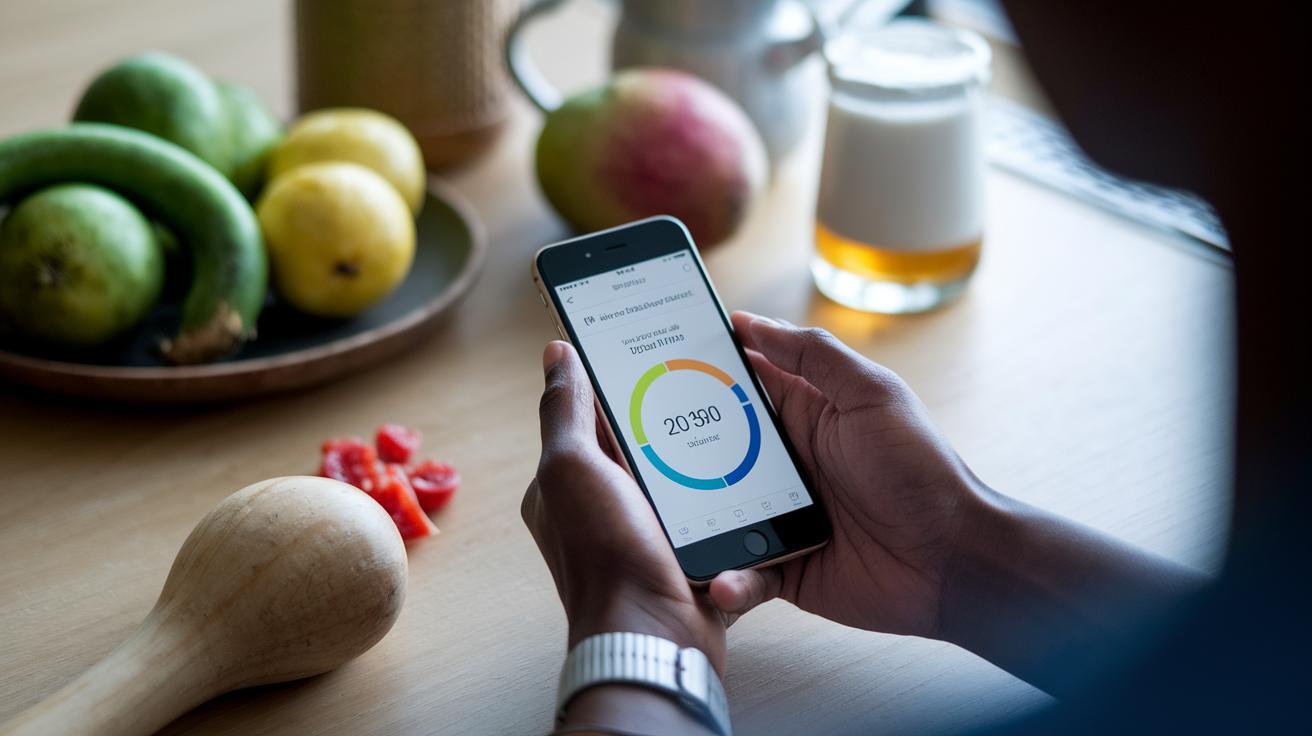
Spreading 30 grams of protein evenly across your meals gives your muscles a steady boost and helps keep body fat in check. When every meal contains its fair share of protein, your body gets a continuous supply of amino acids, the building blocks that repair muscles and fuel your day. Plus, combining protein with complex carbs and healthy fats keeps your energy levels consistent, even on the busiest days.
Sometimes life means grabbing food on the run, and that’s totally okay. By prepping items ahead of time, like grilling chicken or boiling eggs, you can whip up a protein-packed dish quickly. And if you're in a hurry, a simple snack like Greek yogurt or a protein bar can do the trick. Using an app like MyFitnessPal makes it easy to see how you're doing in real time.
Here are a few quick ideas to meet your 30g protein goal:
- Greek yogurt with berries – about 15g protein
- A protein bar – around 10 to 15g protein
- A protein smoothie with a scoop of protein powder – roughly 25 to 30g protein
- Pre-cooked grilled chicken slices wrapped in a whole-grain tortilla – about 30g protein
- Quick egg muffins made from boiled eggs – nearly 30g protein per batch
Small tweaks and simple swaps can make a big difference. By keeping things balanced and planning a bit ahead, you support your muscles and keep your energy steady all day long. Consider using a weekly meal planner to make sticking to your protein targets even easier.
Plant-Based Paths to 30g Protein
Reaching your daily protein goal with plant-based foods is simpler than you might imagine. By mixing different protein sources, you naturally get all the amino acids your body needs without using animal products. For example, a tofu scramble (about ¾ cup) packs roughly 22g of protein. Add a little tempeh or scatter some seeds on top, and you’re well on your way to topping that target.
Sometimes, it helps to think of your meal as a fun puzzle. Combining legumes, grains, and even a scoop of plant-based protein powder, in a way that feels right for you, is a great strategy to craft a balanced meal that fits your daily routine. It’s all about making choices that feel both healthy and satisfying.
| Food | Serving Size | Protein |
|---|---|---|
| Tofu scramble | ¾ cup | 22 g |
| Cooked lentils | 2 cups | 36 g |
| Cooked beans | 2 cups | 30–36 g |
| Protein shake (plant-based) | 1 scoop + milk | 20–25 g |
You can also play around with other protein sources. For instance, a cup of quinoa gives you about 8g of protein. Pair that with beans or lentils, and you fill in the gaps. This flexible approach lets you adjust portions and mix ingredients to comfortably hit the 30g mark, day after day.
Tracking Progress Toward 30g Protein Meals

Keeping tabs on your protein intake can be a game changer for hitting that magic 30g per meal. When you note down what you eat, it becomes easier to spot gaps and make small tweaks that support muscle repair and weight management.
Imagine starting your day by jotting down your meals and the protein each one offers. Using tools like a protein or macro calculator helps you see exactly where you stand, and a quick peek at nutrition labels puts the power of informed choices right at your fingertips. Apps like MyFitnessPal or Cronometer turn this into a smooth, everyday habit.
Here’s an easy plan to follow:
- Write out your daily meals and include a spot to record the protein in grams, this keeps the goal clear.
- Use a daily protein or macro calculator set to your 30g goal per meal to nail your portions.
- Log every meal with an app that tracks your numbers, and always check nutrition labels to confirm the protein content.
- Regularly review your chart and adjust your portions as needed, integrating these insights into your wellness plan.
Stick with this structured approach, and you'll find it easier to maintain balance while steadily reaching your health goals.
Timing Tips to Optimize 30g Protein Intake
Getting your protein at the right moments can really boost your energy and help your muscles recover. Have you ever tried having 30g of protein as soon as you wake up? It can help keep your blood sugar steady and jump-start your metabolism. Then, by spacing your meals evenly throughout the day, you give your muscles a constant supply of the building blocks they need. Mixing different types of protein can also spread out the release of amino acids, and pairing foods wisely makes your meal even better.
- Have 30g of protein within 30 minutes of waking up to kick off your metabolism and keep blood sugar stable.
- Plan a meal or snack every 3–4 hours so your muscles always have the nutrients they need.
- Combine fast-digesting proteins like whey with slower options such as eggs for a steady release of amino acids.
- Pair grains with legumes to create a balanced mix that enhances the quality of your protein intake.
These tips help keep you satisfied and ensure your body absorbs all the good stuff to support muscle repair and overall well-being.
Final Words
In the action, the post broke down clear portion examples and practical ideas for hitting your protein target. It covered common foods with enough protein, quick meal strategies, plant-based options, and tips on tracking your progress. This guide shows you how to get 30 grams of protein in ways that fit daily routines while keeping meals balanced. Small portion tweaks and careful timing can boost energy and overall well-being. Keep experimenting with these ideas and savor the positive changes in your health.
FAQ
What does 30 grams of protein for breakfast look like?
The 30 grams of protein for breakfast might include options like five whole eggs, Greek yogurt with protein powder, or a protein shake, offering balanced energy and muscle repair benefits.
How many eggs equate to 30 grams of protein?
Five whole eggs provide about 30 grams of protein, making them a simple and effective option to hit your daily protein target.
What can be used as a 30 grams of protein cheat sheet?
A 30 grams of protein cheat sheet highlights that 100 g chicken breast, 150 g salmon, a can of tuna, or five eggs visually demonstrate how much protein each portion delivers for meal planning.
What does a 30-gram protein lunch feature?
A lunch totaling 30 grams of protein might feature grilled chicken, salmon, or a protein-rich vegetarian dish, ensuring muscle repair support and steady energy throughout the day.
How can a vegetarian meet a 30 grams of protein target?
A vegetarian can hit the 30 grams target by combining lentils, beans, tofu, or a plant-based protein shake, which together offer a balanced mix of essential amino acids and energy.
What are some meal or snack examples with 30 grams of protein?
Meal examples include a protein shake paired with a small salad, Greek yogurt with nuts, or a combination of lean meat and legumes. Even a snack like a protein bar with boiled eggs can effectively reach 30 grams.
How much chicken or steak provides 30 grams of protein?
Roughly 100 g of chicken breast contains about 31 grams of protein, while a similar portion of lean steak typically offers close to 30 grams, making portion control both straightforward and reliable.