Have you ever wondered if creatine can boost a vegan lifestyle? It’s completely vegan. Our bodies naturally produce some creatine, and the rest is created in labs using a careful process that excludes any animal ingredients. Think of it like following a reliable recipe, each step measured and ethical. Vegan creatine gives you the muscle support you need while honoring your values, combining strength and smart nutrition in one pure, plant-based solution.
is creatine vegan: Pure plant power
Yes, creatine supplements on the market are completely vegan. About half of the creatine in your body is naturally made, and the rest usually comes from meat and fish, foods that vegans skip. But don’t worry. Vegan creatine is produced in a lab using a careful, synthetic process.
In this process, manufacturers mix sodium sarcosine with cyanamide in a controlled setting. This reaction creates creatine monohydrate without using any animal ingredients. Vegans can feel good about adding it to their diet, knowing it stays true to their values.
If you care about your fitness or need an extra boost, vegan creatine offers all the muscle support benefits you expect. Scientific studies show that its effectiveness is the same as creatine from animal sources. In short, this pure, plant-based option supports energy production and muscle strength, making it a smart, ethical choice for anyone on a plant-based journey.
How Vegan Creatine Monohydrate Is Made
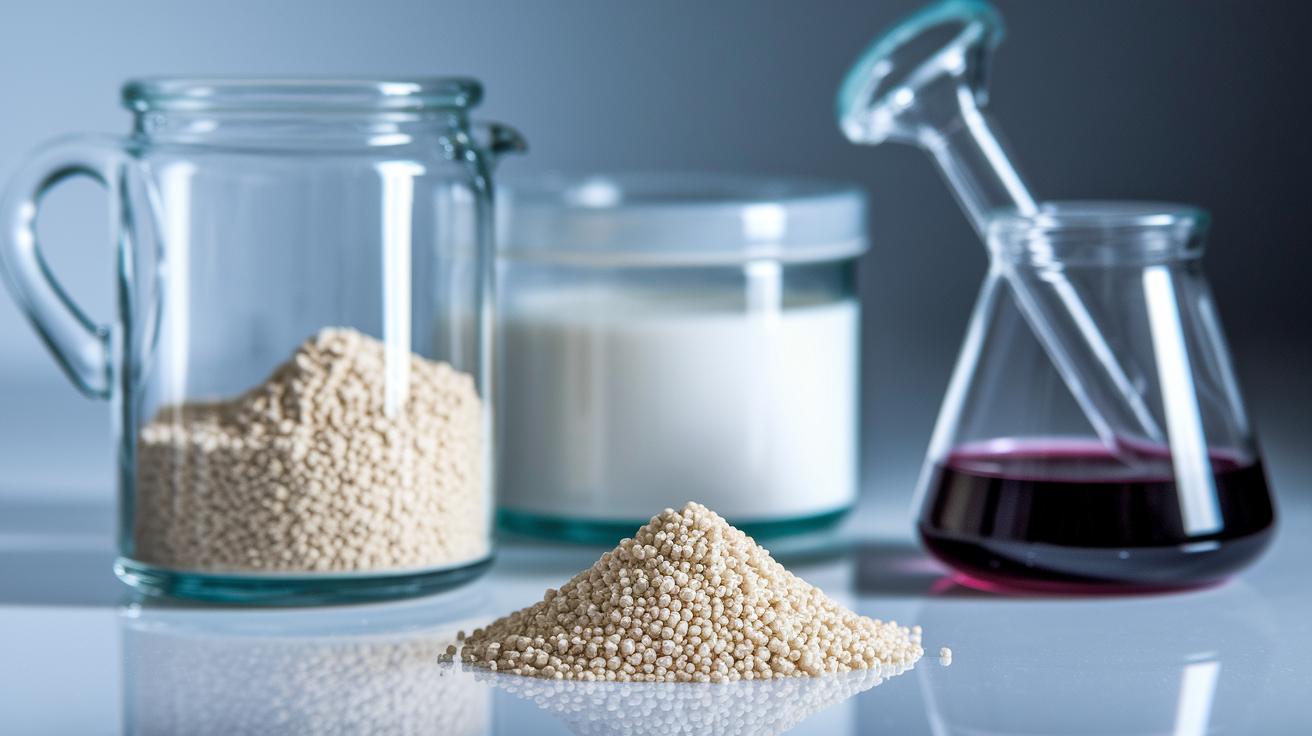
Vegan creatine monohydrate is made in a lab using a precise synthetic process. It’s very different from creatine extracted from meat or fish. Here, scientists carefully mix sodium sarcosine (a safe chemical compound) and cyanamide (another ingredient) under set conditions to produce a pure, crystal-like substance. Think of it like following a strict recipe in a pro kitchen, every measurement matters. The process is fine-tuned so that no animal ingredients ever come into play.
Interestingly, early tests even compared this controlled reaction to a chef’s signature dish, where a tiny mistake can completely change the outcome. This careful method guarantees that the creatine is both ethically produced and backed by science for boosting performance.
Key steps in the process include:
- Raw materials: sodium sarcosine and cyanamide
- Strict control of temperature and pH levels
- Crystallization and filtering to isolate the creatine monohydrate
- Drying and milling to produce the final supplement powder
These steps ensure the product is consistent and completely free of animal-derived elements. In fact, this rigorous process exceeds industry standards for purity and quality, making this creatine one of the most studied and popular supplements available.
Over the years, this synthetic technique has been perfected to reliably produce a supplement that supports muscle strength and boosts energy. With every batch made under controlled, scientific conditions, vegans can confidently include creatine in their diet knowing it’s effective and 100% free from animal products.
Benefits of Vegan Creatine for Athletic Performance and Health
Vegan creatine is a real game-changer for your workouts. It boosts ATP production (that’s the energy your cells use) so you can power through short, intense bursts whether you’re sprinting on the track or lifting weights at the gym. Imagine that extra burst of energy right when you need it most, like a runner digging in for one final push across the finish line.
It also works wonders for building and repairing muscle. By drawing water into muscle cells, creatine helps you develop lean muscle and supports speedy recovery after exercise. This means you can bounce back faster and be ready for your next training session, whether you're gearing up for a big competition or just trying to get stronger day by day.
On top of that, early research hints at some neat benefits for your brain. Some studies have found that people with lower creatine levels might see improvements in memory and reaction time when they take this supplement. Think of it like a gentle boost that helps keep your mind as sharp as your body, which could be a great help during those long study sessions or busy workdays.
Recommended Dosage and Timing for Vegan Creatine Supplementation
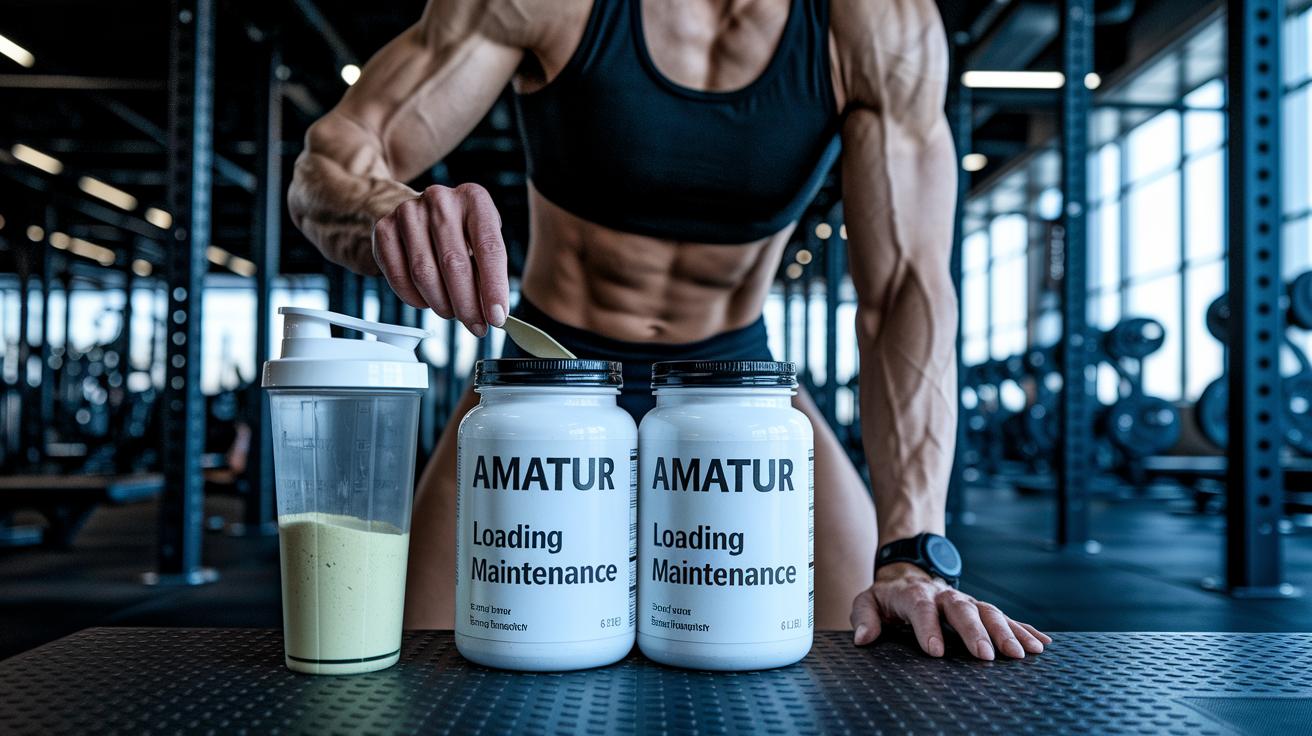
Getting the dosage right is key to harnessing the full benefits of your vegan creatine supplement. When you use the proper amount, your body gets the creatine it needs to fuel intense workouts and speed up recovery afterward. First, you begin with a loading phase to rapidly fill your muscles with creatine, then shift to a maintenance phase that keeps you consistently performing at your best. This careful approach supports both energy production and muscle repair, setting you up for steady gains.
| Phase | Daily Dosage | Duration |
|---|---|---|
| Loading | 20–25 g (5 g × 4–5) | 5–7 days |
| Maintenance | 3–5 g | Ongoing |
Timing your supplement can also make a big difference. Many athletes find that taking creatine just before exercise boosts muscle energy and helps with recovery right after a workout. Keeping a steady schedule maintains the right creatine levels, ensuring your training sessions are as effective as possible.
For the best results, try to align your creatine intake with your workout routine. This not only helps with absorption but also makes sure your muscles get the support they need, whether you're powering through a tough session or recovering afterward.
Choosing the Best Vegan Creatine: Quality, Purity, and Testing
When you're picking out a vegan creatine supplement, look for brands that have passed strict third-party tests to prove they are pure and completely free from animal products. Certifications like vegan and NSF Certified for Sport mean the creatine was made without any animal ingredients. Sometimes, independent lab tests, backed by sources such as the Quality Health Research Journal, confirm that the supplement meets high purity standards known to top athletes. This way, you can feel safe knowing your supplement fits your plant-based lifestyle.
Athletes and health enthusiasts trust these marks because they signal consistent quality and reliability. Clear lab reports and recognizably certified seals show the product was developed with careful, cruelty-free methods. Every dose gets checked to make sure there’s no unwanted contamination from non-vegan ingredients. In short, always glance for solid testing results and familiar certification marks on the label. That extra step gives you confidence that you’re fueling your body with a supplement that not only supports your performance but also aligns with your values.
Common Myths and Misconceptions About Vegan Creatine

Let’s bust a common myth right off the bat: supplement-grade creatine monohydrate is made entirely in a lab, not extracted from meat or fish. Research shows that this lab-made formula boosts muscle strength and energy just like the traditional types, so both vegans and meat-eaters see similar benefits.
Imagine it like this: it's similar to using a specially designed fertilizer that grows a garden as beautifully as one nourished with natural compost. The science truly backs up this promise. More details about how it's made and why it works are shared in other sections.
Final Words
In the action of breaking down how creatine supplements are made, we've seen that lab-produced creatine meets vegan standards. The post covered every step, from production to dosage guidelines, quality testing, and addressing common myths.
We explored how creatine vegan not only supports athletic performance but also fits seamlessly into everyday wellness routines. Keep using this straightforward, research-based insight to help boost your health and muscle support, and embrace a balanced, confident approach to your well-being.
FAQ
What is a vegan creatine supplement?
The vegan creatine supplement is a form of creatine made without animal ingredients. It’s produced synthetically, using controlled chemical reactions with pure raw materials, making it suitable for vegans.
What are the potential side effects of vegan creatine?
The vegan creatine side effects are similar to those of traditional creatine. They may include mild stomach discomfort or water retention, especially if hydration isn’t maintained while supplementing.
How does vegan creatine compare to regular creatine?
The vegan creatine vs creatine comparison reveals that both work to boost muscle energy. However, vegan creatine is produced entirely in a lab, avoiding any animal-derived ingredients, while traditional sources might rely on conventional manufacturing.
What benefits does vegan creatine offer?
The creatine vegan benefits include improved short bursts of exercise, enhanced muscle energy, and even potential cognitive support. Both vegans and omnivores can experience better performance and muscle recovery.
Which brands or types are best for vegan creatine?
The best vegan creatine products offer third-party testing and clear animal-free certifications. Look for brands that verify their ingredient sourcing and demonstrate transparent quality controls.
Is Optimum Nutrition Creatine vegan?
The question regarding whether Optimum Nutrition Creatine is vegan is answered by many online users. It appears to use a synthetic production method, but checking the latest label details is always advised.
Are creatine supplements recognized as vegan on Reddit?
The discussion on creatine vegan in Reddit communities indicates that many believe synthetic creatine is vegan-friendly. Users generally agree that creatine monohydrate’s lab-made process meets vegan criteria.
Can vegans safely take creatine?
The query on whether vegans can take creatine confirms that vegans can safely use it. Since it is synthesized without animal derivatives, it provides the same performance benefits as traditional creatine.
Why might some doctors not recommend creatine?
The concern about why doctors sometimes don’t recommend creatine stems from worries about potential kidney stress if the supplement is overused. Experts advise sticking to recommended doses and maintaining proper hydration.
What is non-vegan creatine and what is creatine made of?
The question about which creatine is not vegan refers to rare cases where creatine might come from animal tissues. Typically, creatine is made by chemically reacting sodium sarcosine with cyanamide, ensuring it is free of animal products.