Difference Between Whey Isolate And Whey Concentrate: Best

Have you ever wondered if your protein shake might be missing a key ingredient? Lately, fitness fans have been chatting about the differences between whey isolate and whey concentrate.

Both types start from the whey left over during cheese making, but they don't stay the same. Whey concentrate tends to have more fats and calories, while whey isolate gives you extra protein without the extras. In this post, we'll break down these differences so you can decide which one fits best into your workout routine.

Direct Comparison: Whey Isolate vs Whey Concentrate

Both whey isolate and whey concentrate start off in the same place, the leftover liquid from making cheese. Whey concentrate is about 80% protein, with the rest made up of carbs, fats, and other nutrients that naturally occur. In contrast, whey isolate goes through an extra step to remove most of the fats, carbs, and lactose. This means it packs in at least 90% protein.

Because of that extra processing, whey isolate gives you roughly 10% more protein per serving and fits nicely into a lower-calorie plan. Imagine mixing a scoop of whey isolate into your shake and noticing it has way less lactose compared to concentrate, this can make your post-workout routine feel smoother and easier on your stomach, especially if you're sensitive to lactose.

On the flip side, whey concentrate keeps more of the naturally occurring fat, which means it retains extra fat-soluble vitamins. Its protein content can vary a lot, from 30% to 90%, so you can pick a grade that best matches your taste and nutritional needs.

Protein Content and Macronutrient Breakdown of Isolate vs Concentrate
img-1.jpg

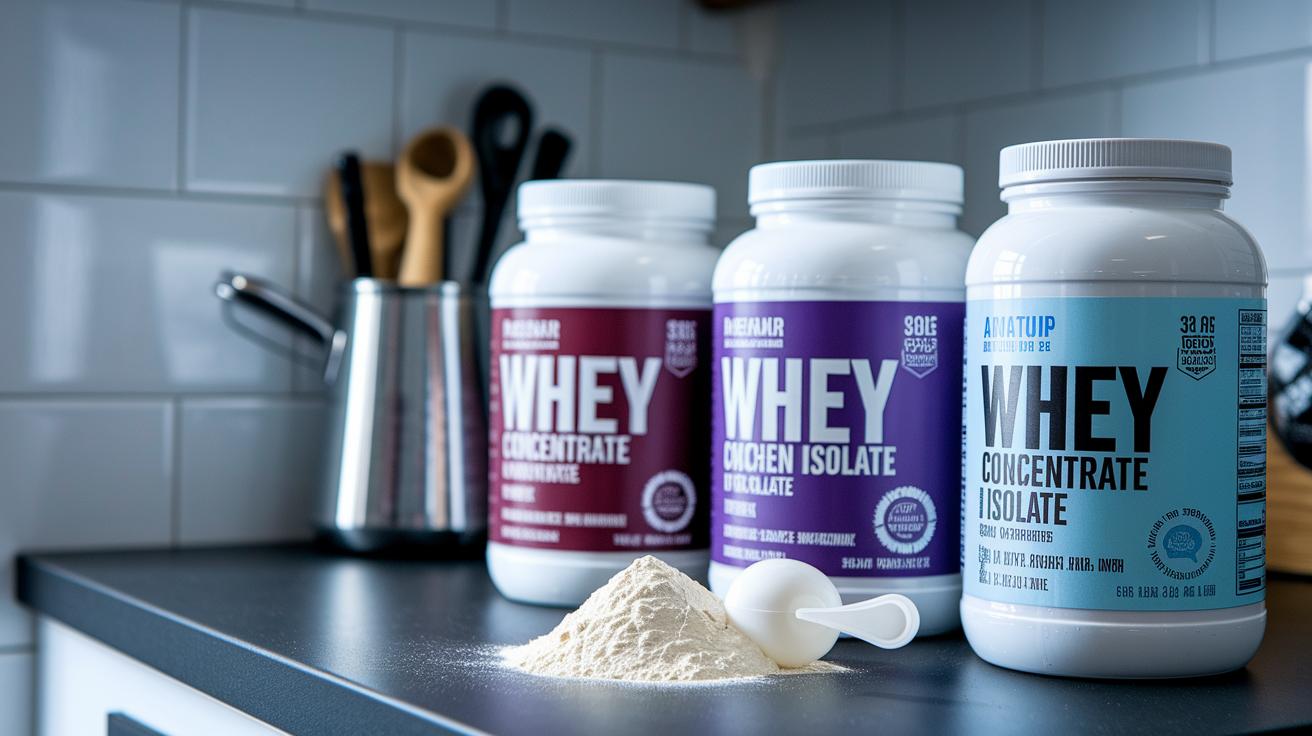
Imagine comparing your favorite recipes, one that’s a bit richer and one that’s leaner. A typical 30-gram scoop of whey concentrate and isolate is pretty similar to that. With concentrate, you get about 24 grams of protein along with a few extra carbs and fats, much like adding a few extra ingredients for flavor and energy. When you choose isolate instead, you get roughly 27 grams of pure protein with hardly any extras, which might be exactly what you need if you’re watching your calorie intake, especially after a tough workout.

Below is a side-by-side table showing the nutritional facts per 30-gram scoop for each type:

Nutrient Whey Concentrate Whey Isolate
Protein 24 g 27 g
Carbohydrates 3 g 1 g
Fats 2 g 0.5 g
Lactose Minimal Under 1 g

In short, the extra carbs and fats in concentrate mean more calories, while isolate’s streamlined profile helps keep things light. Whether you’re fueling muscle growth or just need a leaner option after exercise, knowing these differences lets you choose the right product for your wellness journey.

Processing Techniques: How Isolate and Concentrate Are Made

Making whey concentrate starts with a simple filtration process. It pulls out cheese solids while keeping most of the lactose (milk sugar), fats, and those special bioactive compounds that add extra nutrients. This process is perfect for anyone who likes a richer profile with more wholesome benefits.

Microfiltration

Microfiltration uses small ceramic filters to gently sift the whey. It takes away some unwanted fats and a bit of lactose but makes sure to keep the good-for-you compounds intact. Think of it like straining a smoothie, you set aside the larger bits while keeping the natural, tasty goodness behind. This method is popular for whey concentrate because it holds on to most of the natural elements from cheese production. Even if a tiny bit of lactose stays, it’s fine for most people. In short, it’s all about reducing the bulky parts while preserving the essential nutrients.

Ultrafiltration

Ultrafiltration takes a different route by using pressure and very fine filters to create a very pure protein product. This method is key for making whey isolate. It removes nearly all the fats, carbohydrates, and most of the lactose, leaving behind a product that’s over 90% protein. Imagine it like sifting flour until only the protein-rich fine particles remain. Sometimes, they even start with Grade A skim milk instead of cheese by-products to get a purer protein with all the natural amino acids intact. Yes, it can cost a bit more, but if you’re after a leaner, more refined protein, the clear benefits make it a worthwhile choice.

Pros and Cons: Nutritional Benefits and Drawbacks of Isolate vs Concentrate

img-2.jpg

Let’s break down what makes each type special. We’re looking at details that you might not hear about every day, like how fast they digest and the cost differences. This info can help you decide which one suits your lifestyle.

Did you know that whey concentrate digests noticeably faster? It gives you a quick burst of nutrients right after your workout, which can be a game changer when you need that immediate boost.

Feature Whey Isolate Whey Concentrate
Digestibility Rate High bioavailability; supports lean muscle with every sip Faster digestion; perfect for quick recovery after exercise
Average Price Priced at a premium More budget-friendly

Cost and Value Comparison of Whey Isolate vs Concentrate

Bulk Nutrients’ whey concentrate costs about $15 per pound, making it a smart pick if you're just starting out or watching your budget. Buy it in larger batches, up to 20 kg, and you’ll even snag some neat volume discounts. It not only supplies essential protein but also offers extra nutrients that newcomers will appreciate without denting their wallets.

On the other hand, grass-fed whey isolate runs around $25 per pound. That higher price reflects extra steps in processing that boost its purity and the added benefit of coming from grass-fed cows. This option is perfect for those who need a leaner product with minimal lactose, ideal if you’re managing lactose sensitivity. In short, you’re weighing affordability against a premium, cleaner product tailored for specific dietary needs.

Selecting Whey: Recommendations for Fitness and Dietary Goals

img-3.jpg

When you're picking between whey isolate and whey concentrate, start by thinking about your protein goals, how your body handles dairy, and what you need for recovery. If dairy tends to upset your stomach, whey isolate, thanks to its really low lactose content, might be a safe bet. Imagine stirring it into your shake and enjoying a smooth blend that leaves you feeling just fine afterward.

For those who are on a mission to build muscle quickly, the higher protein content in whey isolate can provide that little extra kick. A quick sip post-workout can feel incredibly refreshing, like giving your muscles a gentle nudge to repair and grow. It’s designed to support speedy recovery so you can get back to your training without missing a beat.

On the flip side, if you're watching your spending or prefer a supplement that offers more than just protein, whey concentrate could be the answer. Although it packs slightly less protein per scoop, it comes with extra carbohydrates, fats, and natural vitamins that add flavor and can help support overall muscle growth. Think of it like choosing between recipes, a light, smooth dish versus one that’s hearty and full of extra goodness. Your choice depends on whether you’re prioritizing digestive ease, rapid recovery, or a broader nutritional boost.

Final Words

In the action, we broke down how whey isolate and whey concentrate differ in protein percentage, macronutrient makeup, and lactose content. We looked at processing techniques like microfiltration and ultrafiltration, weighed nutritional benefits, and considered cost differences. This brief dive into the difference between whey isolate and whey concentrate highlights each choice's merits based on dietary needs and fitness goals. Small adjustments to your protein source can work wonders, here’s to making informed, positive steps toward balanced living.

FAQ

Q: What is the difference between whey isolate and whey concentrate for weight loss?

A: The whey isolate offers a leaner profile with higher protein and fewer carbs and fats, which can support a lower-calorie diet, while concentrate provides extra nutrients that may add calories.

Q: What is the main difference between whey protein and whey isolate?

A: The whey protein category includes both isolate and concentrate forms; whey isolate is a more purified version that removes most fats, carbs, and lactose, offering a higher protein percentage.

Q: How does whey isolate or concentrate support bulking goals?

A: The whey isolate adds lean protein beneficial for rapid recovery, while whey concentrate supplies extra calories and nutrients, which can help support muscle growth during bulking.

Q: What should beginners consider when choosing between whey isolate and concentrate?

A: For newcomers, whey concentrate is a budget-friendly option with beneficial nutrients, but those with lactose sensitivity may opt for whey isolate due to its minimal lactose content.

Q: What are the benefits of whey protein isolate?

A: The whey protein isolate provides a higher percentage of protein with less lactose and fat, making it ideal for lean diets and individuals sensitive to lactose.

Q: What exactly is whey protein concentrate?

A: Whey protein concentrate is created through basic filtration, retaining more fats, carbs, and vitamins, which makes it a nutrient-rich and cost-effective option despite higher lactose levels.

Q: What dangers are associated with whey protein isolate?

A: The whey protein isolate is generally safe, but its extra processing may reduce fat-soluble vitamins, so it might not deliver some nutrients naturally present in concentrate.

Q: What are the downsides of whey concentrate?

A: The whey concentrate contains more carbs, fats, and lactose, which may lead to higher calorie intake and potential digestive issues for those with lactose intolerance.

Q: Which is easier to digest, whey concentrate or isolate?

A: The whey protein isolate is typically easier to digest due to its lower lactose and fat content, making it a better choice for individuals with sensitive stomachs.

Have you ever wondered if your protein shake might be missing a key ingredient? Lately, fitness fans have been chatting about the differences between whey isolate and whey concentrate.

Both types start from the whey left over during cheese making, but they don't stay the same. Whey concentrate tends to have more fats and calories, while whey isolate gives you extra protein without the extras. In this post, we'll break down these differences so you can decide which one fits best into your workout routine.

Direct Comparison: Whey Isolate vs Whey Concentrate

Both whey isolate and whey concentrate start off in the same place, the leftover liquid from making cheese. Whey concentrate is about 80% protein, with the rest made up of carbs, fats, and other nutrients that naturally occur. In contrast, whey isolate goes through an extra step to remove most of the fats, carbs, and lactose. This means it packs in at least 90% protein.

Because of that extra processing, whey isolate gives you roughly 10% more protein per serving and fits nicely into a lower-calorie plan. Imagine mixing a scoop of whey isolate into your shake and noticing it has way less lactose compared to concentrate, this can make your post-workout routine feel smoother and easier on your stomach, especially if you're sensitive to lactose.

On the flip side, whey concentrate keeps more of the naturally occurring fat, which means it retains extra fat-soluble vitamins. Its protein content can vary a lot, from 30% to 90%, so you can pick a grade that best matches your taste and nutritional needs.

Protein Content and Macronutrient Breakdown of Isolate vs Concentrate

img-1.jpg

Imagine comparing your favorite recipes, one that’s a bit richer and one that’s leaner. A typical 30-gram scoop of whey concentrate and isolate is pretty similar to that. With concentrate, you get about 24 grams of protein along with a few extra carbs and fats, much like adding a few extra ingredients for flavor and energy. When you choose isolate instead, you get roughly 27 grams of pure protein with hardly any extras, which might be exactly what you need if you’re watching your calorie intake, especially after a tough workout.

Below is a side-by-side table showing the nutritional facts per 30-gram scoop for each type:

Nutrient Whey Concentrate Whey Isolate
Protein 24 g 27 g
Carbohydrates 3 g 1 g
Fats 2 g 0.5 g
Lactose Minimal Under 1 g

In short, the extra carbs and fats in concentrate mean more calories, while isolate’s streamlined profile helps keep things light. Whether you’re fueling muscle growth or just need a leaner option after exercise, knowing these differences lets you choose the right product for your wellness journey.

Processing Techniques: How Isolate and Concentrate Are Made

Making whey concentrate starts with a simple filtration process. It pulls out cheese solids while keeping most of the lactose (milk sugar), fats, and those special bioactive compounds that add extra nutrients. This process is perfect for anyone who likes a richer profile with more wholesome benefits.

Microfiltration

Microfiltration uses small ceramic filters to gently sift the whey. It takes away some unwanted fats and a bit of lactose but makes sure to keep the good-for-you compounds intact. Think of it like straining a smoothie, you set aside the larger bits while keeping the natural, tasty goodness behind. This method is popular for whey concentrate because it holds on to most of the natural elements from cheese production. Even if a tiny bit of lactose stays, it’s fine for most people. In short, it’s all about reducing the bulky parts while preserving the essential nutrients.

Ultrafiltration

Ultrafiltration takes a different route by using pressure and very fine filters to create a very pure protein product. This method is key for making whey isolate. It removes nearly all the fats, carbohydrates, and most of the lactose, leaving behind a product that’s over 90% protein. Imagine it like sifting flour until only the protein-rich fine particles remain. Sometimes, they even start with Grade A skim milk instead of cheese by-products to get a purer protein with all the natural amino acids intact. Yes, it can cost a bit more, but if you’re after a leaner, more refined protein, the clear benefits make it a worthwhile choice.

Pros and Cons: Nutritional Benefits and Drawbacks of Isolate vs Concentrate

img-2.jpg

Let’s break down what makes each type special. We’re looking at details that you might not hear about every day, like how fast they digest and the cost differences. This info can help you decide which one suits your lifestyle.

Did you know that whey concentrate digests noticeably faster? It gives you a quick burst of nutrients right after your workout, which can be a game changer when you need that immediate boost.

Feature Whey Isolate Whey Concentrate
Digestibility Rate High bioavailability; supports lean muscle with every sip Faster digestion; perfect for quick recovery after exercise
Average Price Priced at a premium More budget-friendly

Cost and Value Comparison of Whey Isolate vs Concentrate

Bulk Nutrients’ whey concentrate costs about $15 per pound, making it a smart pick if you're just starting out or watching your budget. Buy it in larger batches, up to 20 kg, and you’ll even snag some neat volume discounts. It not only supplies essential protein but also offers extra nutrients that newcomers will appreciate without denting their wallets.

On the other hand, grass-fed whey isolate runs around $25 per pound. That higher price reflects extra steps in processing that boost its purity and the added benefit of coming from grass-fed cows. This option is perfect for those who need a leaner product with minimal lactose, ideal if you’re managing lactose sensitivity. In short, you’re weighing affordability against a premium, cleaner product tailored for specific dietary needs.

Selecting Whey: Recommendations for Fitness and Dietary Goals

img-3.jpg

When you're picking between whey isolate and whey concentrate, start by thinking about your protein goals, how your body handles dairy, and what you need for recovery. If dairy tends to upset your stomach, whey isolate, thanks to its really low lactose content, might be a safe bet. Imagine stirring it into your shake and enjoying a smooth blend that leaves you feeling just fine afterward.

For those who are on a mission to build muscle quickly, the higher protein content in whey isolate can provide that little extra kick. A quick sip post-workout can feel incredibly refreshing, like giving your muscles a gentle nudge to repair and grow. It’s designed to support speedy recovery so you can get back to your training without missing a beat.

On the flip side, if you're watching your spending or prefer a supplement that offers more than just protein, whey concentrate could be the answer. Although it packs slightly less protein per scoop, it comes with extra carbohydrates, fats, and natural vitamins that add flavor and can help support overall muscle growth. Think of it like choosing between recipes, a light, smooth dish versus one that’s hearty and full of extra goodness. Your choice depends on whether you’re prioritizing digestive ease, rapid recovery, or a broader nutritional boost.

Final Words

In the action, we broke down how whey isolate and whey concentrate differ in protein percentage, macronutrient makeup, and lactose content. We looked at processing techniques like microfiltration and ultrafiltration, weighed nutritional benefits, and considered cost differences. This brief dive into the difference between whey isolate and whey concentrate highlights each choice's merits based on dietary needs and fitness goals. Small adjustments to your protein source can work wonders, here’s to making informed, positive steps toward balanced living.

FAQ

Q: What is the difference between whey isolate and whey concentrate for weight loss?

A: The whey isolate offers a leaner profile with higher protein and fewer carbs and fats, which can support a lower-calorie diet, while concentrate provides extra nutrients that may add calories.

Q: What is the main difference between whey protein and whey isolate?

A: The whey protein category includes both isolate and concentrate forms; whey isolate is a more purified version that removes most fats, carbs, and lactose, offering a higher protein percentage.

Q: How does whey isolate or concentrate support bulking goals?

A: The whey isolate adds lean protein beneficial for rapid recovery, while whey concentrate supplies extra calories and nutrients, which can help support muscle growth during bulking.

Q: What should beginners consider when choosing between whey isolate and concentrate?

A: For newcomers, whey concentrate is a budget-friendly option with beneficial nutrients, but those with lactose sensitivity may opt for whey isolate due to its minimal lactose content.

Q: What are the benefits of whey protein isolate?

A: The whey protein isolate provides a higher percentage of protein with less lactose and fat, making it ideal for lean diets and individuals sensitive to lactose.

Q: What exactly is whey protein concentrate?

A: Whey protein concentrate is created through basic filtration, retaining more fats, carbs, and vitamins, which makes it a nutrient-rich and cost-effective option despite higher lactose levels.

Q: What dangers are associated with whey protein isolate?

A: The whey protein isolate is generally safe, but its extra processing may reduce fat-soluble vitamins, so it might not deliver some nutrients naturally present in concentrate.

Q: What are the downsides of whey concentrate?

A: The whey concentrate contains more carbs, fats, and lactose, which may lead to higher calorie intake and potential digestive issues for those with lactose intolerance.

Q: Which is easier to digest, whey concentrate or isolate?

A: The whey protein isolate is typically easier to digest due to its lower lactose and fat content, making it a better choice for individuals with sensitive stomachs.

More from author

LEAVE A REPLY

Please enter your comment!
Please enter your name here

Related posts

Advertismentspot_img

Latest posts

How To Create A Daily Wellness Routine: Thriving

Curious about how to create a daily wellness routine that transforms your mornings and days? Read on as secrets await…

2 Daily Wellness Drink Tips For Radiance

Experience a daily wellness drink with natural herbs, green ingredients, and clinical backing that might change your routine forever, stay tuned.

Daily Wellness: Elevate Your Everyday Vitality

Daily wellness transforms everyday routines into mindful adjustments, merging nutrition, movement, and restorative sleep. What unforeseen practice awaits you next?

Want to stay up to date with the latest news?

We would love to hear from you! Please fill in your details and we will stay in touch. It's that simple!