Biological Immortality Inspires Cutting-edge Research

Have you ever thought about whether your cells could keep working forever? Scientists are exploring ways to help cells divide endlessly, much like a tree that renews its fresh, green leaves every spring. Research in nature shows that some animals stay young because their cells continually repair and refresh their bodies.

Imagine if our own cells could do this too. Our bodies might keep healing and renewing themselves well into our later years. This breakthrough could change how we think about aging, helping us feel healthier and more vibrant for a longer time.

Understanding Biological Immortality: Definition and Scientific Foundations

Biological immortality means that cells never really grow old, they keep dividing without hitting a wall. In our everyday lives, aging shows up as a failing heart or cells tiring out because they don't get enough oxygen. For example, the longest confirmed human lifespan is 122 years. Some scientists even believe that if we could stop cell aging, we might live about 1,200 years on average, and in some cases, push human life to nearly 25,000 years. Imagine that: cells that don't wear out could change not only how long we live but also how good we feel in our later years.

This idea is at the heart of ongoing research into extending health and overall lifespan. Researchers study creatures that can continuously renew their cells, trying to learn why some animals never seem to age. Their goal is to connect advanced cell repair techniques with everyday health tips that could one day help us live longer, healthier lives. They look closely at how cells fix themselves and what signals tell them to divide, hoping to create treatments that make aging feel less like a decline and more like a steady, manageable process.

In short, by understanding and maybe even stalling cell aging, science is exploring ways to keep us healthier longer, turning what was once a science-fiction dream into a research-backed possibility.

Cellular Mechanisms of Biological Immortality
img-1.jpg

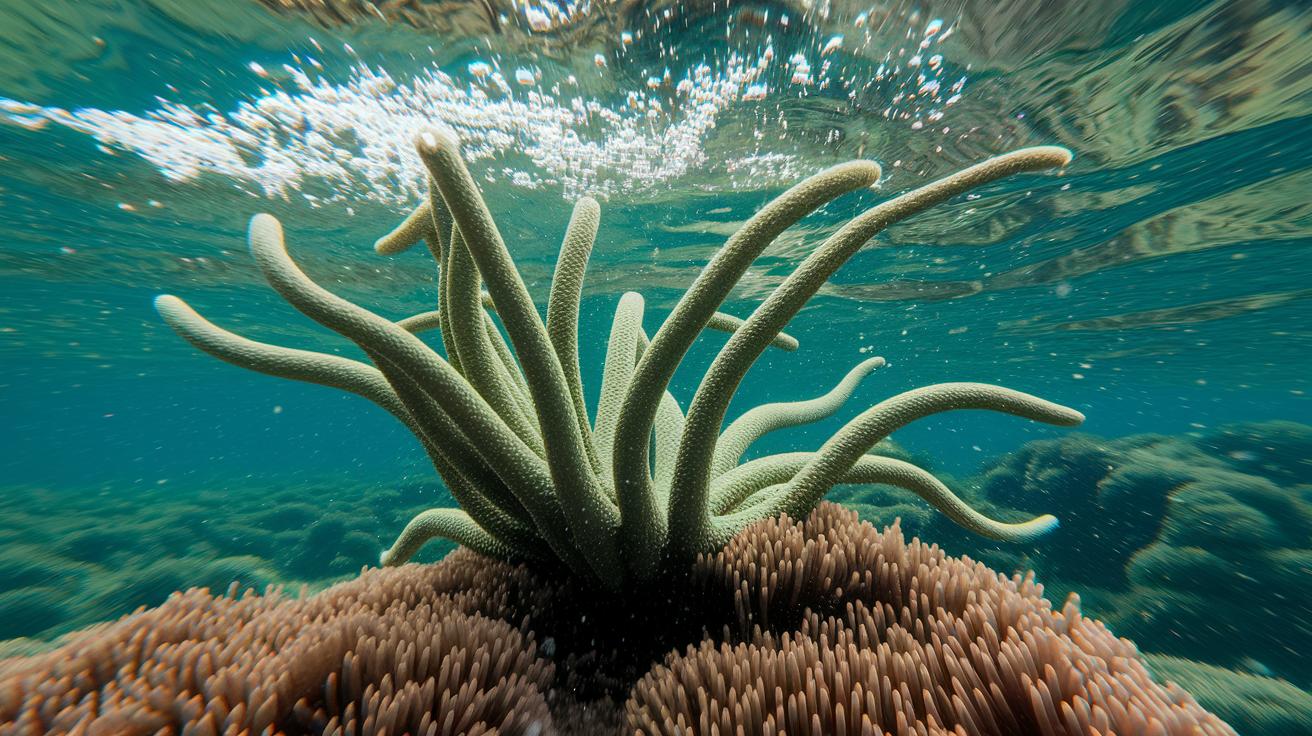
Cells that never seem to get tired are truly remarkable in how they fix and renew themselves. Nature gives us clear examples of renewal through simple strategies like stem cell growth (when cells multiply), telomere protection (keeping the DNA ends safe), and autophagy control (a built-in clean-up process). Take hydras, comb jellies, sponges, or certain cnidarians for example, they all have tons of pluripotent stem cells, meaning these cells can transform into any other type. This ability to change lets them keep renewing without showing the usual signs of aging.

Planarians add an extra twist. These creatures can rebuild an entire body from just a fragment, almost like rearranging building blocks over and over again. And then there’s Turritopsis dohrnii, the immortal jellyfish. Under stress, its mature cells actually reverse to a youthful stage called a polyp, a natural reset button for aging that's both surprising and inspiring.

There’s also the phenomenon of germline immortality, seen in tiny worms like C. elegans. The cells used strictly for reproduction, called germ cells, seem to never wear out, highlighting a clear difference from the other cells in the body. Meanwhile, Hydra vulgaris shows no signs of aging at all, and scientists think this is due to its strong telomere maintenance, a fancy way of saying it keeps its DNA protected really well.

These natural processes give us awesome insights into how cells can keep going and help steer modern research in understanding biological immortality. Isn’t it incredible that even the simplest organisms seem to have mastered the art of not aging?

Genetic and Molecular Strategies for Biological Immortality

New genetic research is opening doors to ways we might reset how our cells age. Using tools like CRISPR-based editing, scientists can now fix or swap out old genes, almost like having a built-in repairman in each cell. One team even calls it "reprogramming the cell’s future." Picture a reset button for your DNA that refreshes every cell.

Scientists are also exploring epigenetics, how cells read their own instructions. By adjusting these signals, they can make cells look and act younger, like restoring a faded photo back to its original brightness. This approach not only rejuvenates cells but also gives valuable clues for further aging research.

Another exciting method focuses on our cell powerhouses, the mitochondria. Keeping these tiny energy factories in top shape helps boost energy and cut down stress-induced wear. Researchers are also studying ways to mimic the benefits of eating fewer calories and adjusting enzymes to keep cell processes running smoothly, as if you were tuning a musical instrument until every note sounds just right.

Modern lab studies are now combining these techniques with smart AI routines and nanotech-based drug delivery. These advanced systems work by lengthening telomeres (the protective caps on our chromosomes) and strengthening the cell’s natural defenses. Ongoing clinical trials are testing therapies that target aging right at its source. In short, this combined approach shows us a promising blueprint for eventually slowing down the aging process in human cells.

Biological Immortality in Nature: Species that Defy Aging
img-2.jpg

Earlier we explored the remarkable regenerative abilities of Turritopsis dohrnii, Hydra vulgaris, and planarians. Now, let’s take a closer look at a few more incredible species that deepen our understanding of natural longevity.

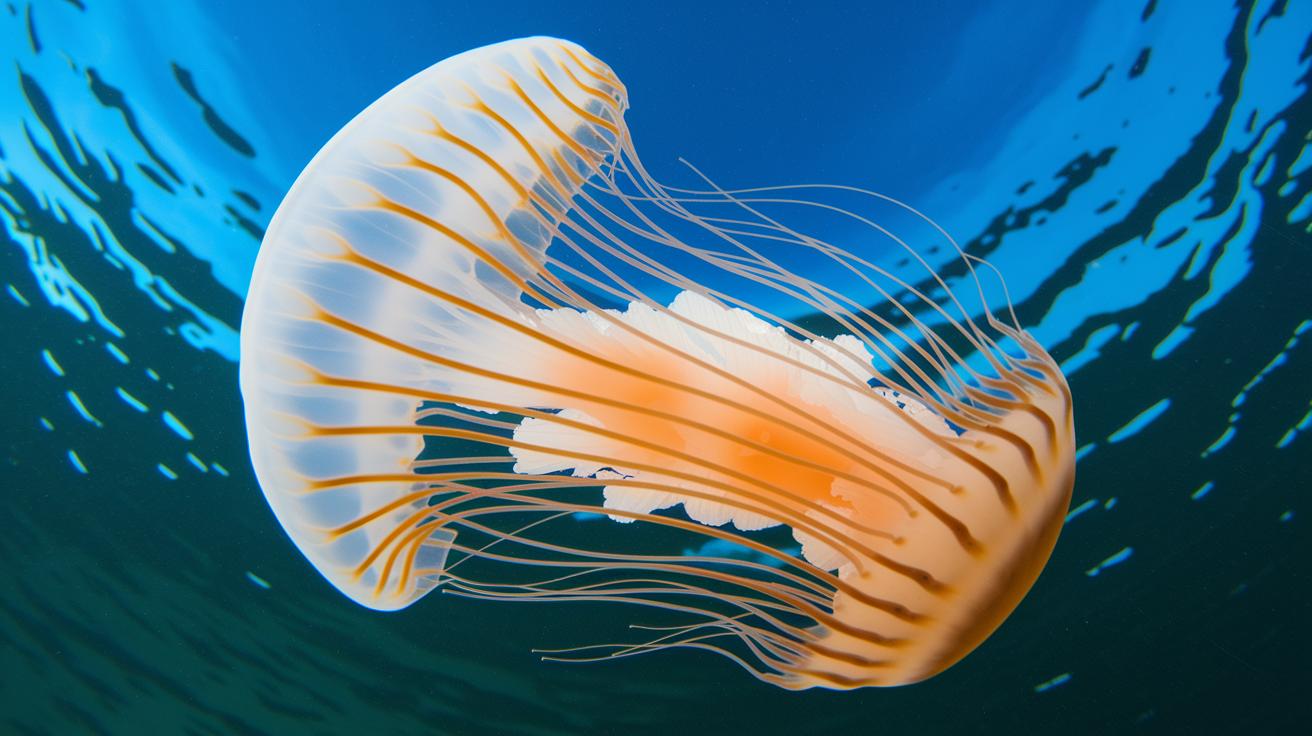
  • Turritopsis dohrnii: This unique jellyfish can actually revert its cells back to a youthful state when under stress, almost like hitting a reset button.
  • Hydra vulgaris: A small creature from freshwater environments, it keeps renewing its cells over and over, staying young throughout its life.
  • Planarians: These flatworms are amazing, they can regrow an entire body from just a small fragment.
  • Monorhaphis chuni: Found deep in the sea, this sponge may live up to 11,000 years, showing how calm, stable habitats can support life for an incredibly long time.
  • Creosote bush individuals: These desert plants have been known to live for more than 11,700 years, proving that life can flourish even in the most extreme climates.

Looking at these organisms side by side, we see a variety of ways nature handles aging, each uniquely linked to its habitat and way of life.

Regenerative Medicine and Clinical Research on Biological Immortality

Scientists are rethinking aging with fresh, innovative approaches that feel more like a gentle repair than a drastic overhaul. They’re exploring ways to keep our tissues and organs healthier for longer. For example, new stem cell treatments help repair and renew body cells, which may soften the impact of aging over time.

Gene-based therapies are also stepping into the spotlight. Techniques like CRISPR (a tool for fixing mistakes in our DNA, essentially our body’s operating manual) are already in early clinical trials. These studies aim to repair age-related genetic changes and boost our cells’ natural repair systems. Researchers are pairing these efforts with investigations into how our metabolism and cells recover, creating a broader picture of how to slow aging.

Another promising method involves cooling tissues to –196 °C, a process called cryonic preservation. By drastically slowing down cell activity, this approach essentially hits pause on the natural decay of our cells, offering hope for future revival. Meanwhile, artificial intelligence is busy designing new drugs by predicting how to block the processes that lead to cell aging, bridging digital models with clinical reality.

Researchers are also testing tiny, targeted delivery vehicles using nanoparticles. These microscopic systems aim to interact precisely with genes and molecules, improving the accuracy of treatments designed to fight aging.

Some forward-thinking experts even predict bold new directions. They suggest that the first brain-upload prototypes could appear as early as 2045, with growing investments in digital immortality by 2050. Such breakthroughs might transform our very ideas about extending life.

Method Mechanism Research Stage Projected Timeline
CRISPR Gene Editing Repairing DNA with precision Phase I–II Trials 2025–2030
Stem Cell Therapies Renewing and repairing cells Preclinical 2026–2032
Cryonic Preservation Cooling to slow cell decay Experimental Unknown
AI-Driven Drug Discovery Smart prediction of treatment effects Industrial 2024–2027

Technological Approaches to Biological Immortality
img-3.jpg

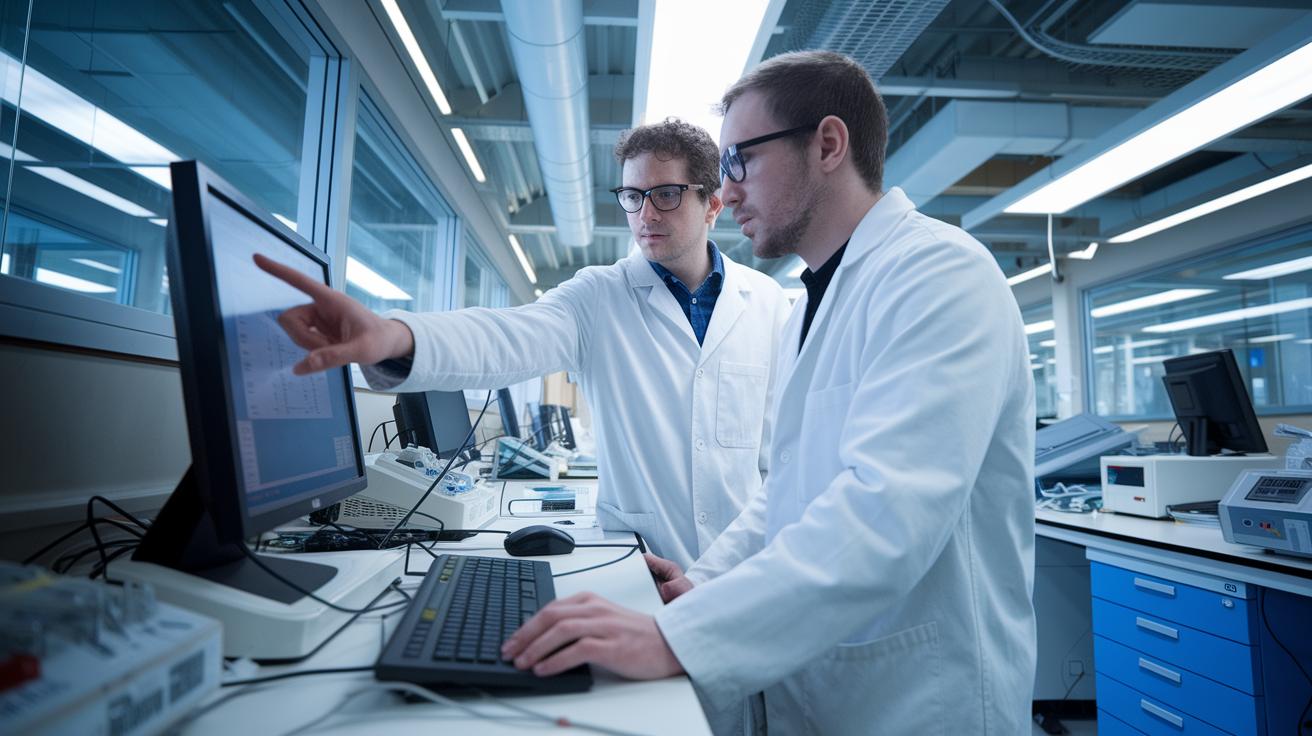
The frontier of technology is lighting up new possibilities for life extension research. Researchers are now using tiny nanocarriers to deliver genes and medicine directly to cells, which makes treatments work better. It’s like having miniature couriers that travel inside our bodies to deliver their precious cargo. And with computer simulations, scientists can sketch out anti-aging strategies before trying them in real life.

In another exciting area, 3D bioprinting is evolving fast. Imagine printing organs and tissues that work just like the real thing, this method uses real-time data to adjust how things are built on the fly. It’s a bit like baking a cake: you follow a recipe, check on it as it cooks, and adjust if needed. Alongside this, researchers are exploring cybernetic upgrades to boost how our bodies function by combining natural tissues with smart tech. These biohybrid systems aim to support everything from muscle to nervous system performance over the long haul.

By mixing these advanced methods with computer-powered simulations, scientists can better predict how experimental treatments might work. The blend of nanotechnology, detailed theoretical models, and smart data analysis is paving the way for breakthroughs in extending our healthy years. Every new discovery builds on the last, and it’s really exciting to think that engineered solutions might one day help us live healthier for a lot longer.

Ethical and Societal Perspectives on Biological Immortality

Finding ways to live longer naturally sparks big questions about what’s right and fair. People wonder if these anti-aging breakthroughs will only help a few, leaving many behind. There’s a real concern that such limited access might widen social gaps and put a strain on community resources.

Key concerns include:

  • Equity of access: Who really benefits from these new treatments?
  • Consent: Do people fully understand what these advances mean for their future?
  • Resource distribution: Can our current systems handle an aging population?

Some discussions dig into whether living much longer truly enhances our well-being or just complicates our personal and cultural lives. At the same time, policymakers are chatting about funding, regulations, and cultural changes. In short, they’re trying to blend groundbreaking science with the values of fairness and responsibility.

Ongoing research keeps sparking debates over how our culture will react and what the true costs of these innovations might be.

Final Words

In the action, this article has explored the scientific foundations, cellular renewal, and innovative genetic strategies behind biological immortality. It highlighted natural examples of species that defy aging, emerging regenerative medicine, and advanced tech approaches to extend our healthspan.

We also touched on ethical and societal impacts, underscoring the balance between research breakthroughs and practical wellness. The conversation leaves us hopeful about weaving advanced insights into everyday practices for a healthier future.

FAQ

What does biological immortality in humans mean?

The concept of biological immortality means that cells regenerate indefinitely without aging. In humans, however, overall mortality occurs due to organ failure and accumulated cell damage.

How is biological immortality discussed on Reddit?

Discussions on Reddit explore theories and debates about extending life through genetic tweaks and cellular renewal, while also weighing ethical and societal implications of indefinite cell regeneration.

How is biological immortality viewed from a psychological perspective?

From a psychological standpoint, biological immortality raises questions about identity, future life quality, and societal change, prompting both excitement and concerns over mental and ethical impacts.

What is the meaning of biological immortality?

Biological immortality means that an organism’s cells can divide without reaching a limit, effectively bypassing the typical aging process seen in most living beings.

How does Wikipedia describe biological immortality?

Wikipedia explains biological immortality as the ability of some organisms to continuously regenerate cells without aging, contrasting with natural aging processes seen in humans and many other species.

Which animals are considered biologically immortal?

Animals like the immortal jellyfish, Hydra vulgaris, and planarians are seen as biologically immortal because they have unique regenerative abilities that allow them to avoid typical aging.

How is biological immortality compared to a superpower?

Biological immortality is likened to a superpower because it represents the ability to continuously renew cells and evade aging, giving an organism perpetual vitality similar to fantastic abilities.

How do lobsters relate to biological immortality?

Lobsters are linked to biological immortality due to their remarkable cell repair and regeneration. Though they exhibit strong renewal traits, they still face mortality from disease and environmental challenges.

Is biological immortality possible in humans?

While scientific research is exploring ways to extend human life through cellular and genetic interventions, true biological immortality in humans remains a theoretical concept beyond current capabilities.

What is the term for biological immortality?

The term ‘biological immortality’ refers to the condition where an organism’s cells avoid senescence, meaning they can divide endlessly without the natural decline typically seen in aging.

Which organisms exhibit biological immortality?

Organisms such as immortal jellyfish, hydras, and planarians display biological immortality, given their ability to continually regenerate cells and effectively bypass normal aging processes.

Are there different types of immortality?

Yes, there is a distinction between biological immortality, which involves continuous cellular regeneration, and other types like symbolic or legacy-based immortality that refer to memory and cultural impact.

Have you ever thought about whether your cells could keep working forever? Scientists are exploring ways to help cells divide endlessly, much like a tree that renews its fresh, green leaves every spring. Research in nature shows that some animals stay young because their cells continually repair and refresh their bodies.

Imagine if our own cells could do this too. Our bodies might keep healing and renewing themselves well into our later years. This breakthrough could change how we think about aging, helping us feel healthier and more vibrant for a longer time.

Understanding Biological Immortality: Definition and Scientific Foundations

Biological immortality means that cells never really grow old, they keep dividing without hitting a wall. In our everyday lives, aging shows up as a failing heart or cells tiring out because they don't get enough oxygen. For example, the longest confirmed human lifespan is 122 years. Some scientists even believe that if we could stop cell aging, we might live about 1,200 years on average, and in some cases, push human life to nearly 25,000 years. Imagine that: cells that don't wear out could change not only how long we live but also how good we feel in our later years.

This idea is at the heart of ongoing research into extending health and overall lifespan. Researchers study creatures that can continuously renew their cells, trying to learn why some animals never seem to age. Their goal is to connect advanced cell repair techniques with everyday health tips that could one day help us live longer, healthier lives. They look closely at how cells fix themselves and what signals tell them to divide, hoping to create treatments that make aging feel less like a decline and more like a steady, manageable process.

In short, by understanding and maybe even stalling cell aging, science is exploring ways to keep us healthier longer, turning what was once a science-fiction dream into a research-backed possibility.

Cellular Mechanisms of Biological Immortality

img-1.jpg

Cells that never seem to get tired are truly remarkable in how they fix and renew themselves. Nature gives us clear examples of renewal through simple strategies like stem cell growth (when cells multiply), telomere protection (keeping the DNA ends safe), and autophagy control (a built-in clean-up process). Take hydras, comb jellies, sponges, or certain cnidarians for example, they all have tons of pluripotent stem cells, meaning these cells can transform into any other type. This ability to change lets them keep renewing without showing the usual signs of aging.

Planarians add an extra twist. These creatures can rebuild an entire body from just a fragment, almost like rearranging building blocks over and over again. And then there’s Turritopsis dohrnii, the immortal jellyfish. Under stress, its mature cells actually reverse to a youthful stage called a polyp, a natural reset button for aging that's both surprising and inspiring.

There’s also the phenomenon of germline immortality, seen in tiny worms like C. elegans. The cells used strictly for reproduction, called germ cells, seem to never wear out, highlighting a clear difference from the other cells in the body. Meanwhile, Hydra vulgaris shows no signs of aging at all, and scientists think this is due to its strong telomere maintenance, a fancy way of saying it keeps its DNA protected really well.

These natural processes give us awesome insights into how cells can keep going and help steer modern research in understanding biological immortality. Isn’t it incredible that even the simplest organisms seem to have mastered the art of not aging?

Genetic and Molecular Strategies for Biological Immortality

New genetic research is opening doors to ways we might reset how our cells age. Using tools like CRISPR-based editing, scientists can now fix or swap out old genes, almost like having a built-in repairman in each cell. One team even calls it "reprogramming the cell’s future." Picture a reset button for your DNA that refreshes every cell.

Scientists are also exploring epigenetics, how cells read their own instructions. By adjusting these signals, they can make cells look and act younger, like restoring a faded photo back to its original brightness. This approach not only rejuvenates cells but also gives valuable clues for further aging research.

Another exciting method focuses on our cell powerhouses, the mitochondria. Keeping these tiny energy factories in top shape helps boost energy and cut down stress-induced wear. Researchers are also studying ways to mimic the benefits of eating fewer calories and adjusting enzymes to keep cell processes running smoothly, as if you were tuning a musical instrument until every note sounds just right.

Modern lab studies are now combining these techniques with smart AI routines and nanotech-based drug delivery. These advanced systems work by lengthening telomeres (the protective caps on our chromosomes) and strengthening the cell’s natural defenses. Ongoing clinical trials are testing therapies that target aging right at its source. In short, this combined approach shows us a promising blueprint for eventually slowing down the aging process in human cells.

Biological Immortality in Nature: Species that Defy Aging

img-2.jpg

Earlier we explored the remarkable regenerative abilities of Turritopsis dohrnii, Hydra vulgaris, and planarians. Now, let’s take a closer look at a few more incredible species that deepen our understanding of natural longevity.

  • Turritopsis dohrnii: This unique jellyfish can actually revert its cells back to a youthful state when under stress, almost like hitting a reset button.
  • Hydra vulgaris: A small creature from freshwater environments, it keeps renewing its cells over and over, staying young throughout its life.
  • Planarians: These flatworms are amazing, they can regrow an entire body from just a small fragment.
  • Monorhaphis chuni: Found deep in the sea, this sponge may live up to 11,000 years, showing how calm, stable habitats can support life for an incredibly long time.
  • Creosote bush individuals: These desert plants have been known to live for more than 11,700 years, proving that life can flourish even in the most extreme climates.

Looking at these organisms side by side, we see a variety of ways nature handles aging, each uniquely linked to its habitat and way of life.

Regenerative Medicine and Clinical Research on Biological Immortality

Scientists are rethinking aging with fresh, innovative approaches that feel more like a gentle repair than a drastic overhaul. They’re exploring ways to keep our tissues and organs healthier for longer. For example, new stem cell treatments help repair and renew body cells, which may soften the impact of aging over time.

Gene-based therapies are also stepping into the spotlight. Techniques like CRISPR (a tool for fixing mistakes in our DNA, essentially our body’s operating manual) are already in early clinical trials. These studies aim to repair age-related genetic changes and boost our cells’ natural repair systems. Researchers are pairing these efforts with investigations into how our metabolism and cells recover, creating a broader picture of how to slow aging.

Another promising method involves cooling tissues to –196 °C, a process called cryonic preservation. By drastically slowing down cell activity, this approach essentially hits pause on the natural decay of our cells, offering hope for future revival. Meanwhile, artificial intelligence is busy designing new drugs by predicting how to block the processes that lead to cell aging, bridging digital models with clinical reality.

Researchers are also testing tiny, targeted delivery vehicles using nanoparticles. These microscopic systems aim to interact precisely with genes and molecules, improving the accuracy of treatments designed to fight aging.

Some forward-thinking experts even predict bold new directions. They suggest that the first brain-upload prototypes could appear as early as 2045, with growing investments in digital immortality by 2050. Such breakthroughs might transform our very ideas about extending life.

Method Mechanism Research Stage Projected Timeline
CRISPR Gene Editing Repairing DNA with precision Phase I–II Trials 2025–2030
Stem Cell Therapies Renewing and repairing cells Preclinical 2026–2032
Cryonic Preservation Cooling to slow cell decay Experimental Unknown
AI-Driven Drug Discovery Smart prediction of treatment effects Industrial 2024–2027

Technological Approaches to Biological Immortality

img-3.jpg

The frontier of technology is lighting up new possibilities for life extension research. Researchers are now using tiny nanocarriers to deliver genes and medicine directly to cells, which makes treatments work better. It’s like having miniature couriers that travel inside our bodies to deliver their precious cargo. And with computer simulations, scientists can sketch out anti-aging strategies before trying them in real life.

In another exciting area, 3D bioprinting is evolving fast. Imagine printing organs and tissues that work just like the real thing, this method uses real-time data to adjust how things are built on the fly. It’s a bit like baking a cake: you follow a recipe, check on it as it cooks, and adjust if needed. Alongside this, researchers are exploring cybernetic upgrades to boost how our bodies function by combining natural tissues with smart tech. These biohybrid systems aim to support everything from muscle to nervous system performance over the long haul.

By mixing these advanced methods with computer-powered simulations, scientists can better predict how experimental treatments might work. The blend of nanotechnology, detailed theoretical models, and smart data analysis is paving the way for breakthroughs in extending our healthy years. Every new discovery builds on the last, and it’s really exciting to think that engineered solutions might one day help us live healthier for a lot longer.

Ethical and Societal Perspectives on Biological Immortality

Finding ways to live longer naturally sparks big questions about what’s right and fair. People wonder if these anti-aging breakthroughs will only help a few, leaving many behind. There’s a real concern that such limited access might widen social gaps and put a strain on community resources.

Key concerns include:

  • Equity of access: Who really benefits from these new treatments?
  • Consent: Do people fully understand what these advances mean for their future?
  • Resource distribution: Can our current systems handle an aging population?

Some discussions dig into whether living much longer truly enhances our well-being or just complicates our personal and cultural lives. At the same time, policymakers are chatting about funding, regulations, and cultural changes. In short, they’re trying to blend groundbreaking science with the values of fairness and responsibility.

Ongoing research keeps sparking debates over how our culture will react and what the true costs of these innovations might be.

Final Words

In the action, this article has explored the scientific foundations, cellular renewal, and innovative genetic strategies behind biological immortality. It highlighted natural examples of species that defy aging, emerging regenerative medicine, and advanced tech approaches to extend our healthspan.

We also touched on ethical and societal impacts, underscoring the balance between research breakthroughs and practical wellness. The conversation leaves us hopeful about weaving advanced insights into everyday practices for a healthier future.

FAQ

What does biological immortality in humans mean?

The concept of biological immortality means that cells regenerate indefinitely without aging. In humans, however, overall mortality occurs due to organ failure and accumulated cell damage.

How is biological immortality discussed on Reddit?

Discussions on Reddit explore theories and debates about extending life through genetic tweaks and cellular renewal, while also weighing ethical and societal implications of indefinite cell regeneration.

How is biological immortality viewed from a psychological perspective?

From a psychological standpoint, biological immortality raises questions about identity, future life quality, and societal change, prompting both excitement and concerns over mental and ethical impacts.

What is the meaning of biological immortality?

Biological immortality means that an organism’s cells can divide without reaching a limit, effectively bypassing the typical aging process seen in most living beings.

How does Wikipedia describe biological immortality?

Wikipedia explains biological immortality as the ability of some organisms to continuously regenerate cells without aging, contrasting with natural aging processes seen in humans and many other species.

Which animals are considered biologically immortal?

Animals like the immortal jellyfish, Hydra vulgaris, and planarians are seen as biologically immortal because they have unique regenerative abilities that allow them to avoid typical aging.

How is biological immortality compared to a superpower?

Biological immortality is likened to a superpower because it represents the ability to continuously renew cells and evade aging, giving an organism perpetual vitality similar to fantastic abilities.

How do lobsters relate to biological immortality?

Lobsters are linked to biological immortality due to their remarkable cell repair and regeneration. Though they exhibit strong renewal traits, they still face mortality from disease and environmental challenges.

Is biological immortality possible in humans?

While scientific research is exploring ways to extend human life through cellular and genetic interventions, true biological immortality in humans remains a theoretical concept beyond current capabilities.

What is the term for biological immortality?

The term ‘biological immortality’ refers to the condition where an organism’s cells avoid senescence, meaning they can divide endlessly without the natural decline typically seen in aging.

Which organisms exhibit biological immortality?

Organisms such as immortal jellyfish, hydras, and planarians display biological immortality, given their ability to continually regenerate cells and effectively bypass normal aging processes.

Are there different types of immortality?

Yes, there is a distinction between biological immortality, which involves continuous cellular regeneration, and other types like symbolic or legacy-based immortality that refer to memory and cultural impact.

More from author

LEAVE A REPLY

Please enter your comment!
Please enter your name here

Related posts

Advertismentspot_img

Latest posts

How To Create A Daily Wellness Routine: Thriving

Curious about how to create a daily wellness routine that transforms your mornings and days? Read on as secrets await…

2 Daily Wellness Drink Tips For Radiance

Experience a daily wellness drink with natural herbs, green ingredients, and clinical backing that might change your routine forever, stay tuned.

Daily Wellness: Elevate Your Everyday Vitality

Daily wellness transforms everyday routines into mindful adjustments, merging nutrition, movement, and restorative sleep. What unforeseen practice awaits you next?

Want to stay up to date with the latest news?

We would love to hear from you! Please fill in your details and we will stay in touch. It's that simple!