Have you ever wondered how the tiniest parts of your body can reveal so much about your health? When you think about it, each little cell works hard like a mini engine, keeping you balanced every day. This natural balance, called homeostasis, which simply means your body's way of staying steady, lets your body work like a well-tuned machine.
It’s almost like watching a quiet, effective performance: every cell plays its role, contributing to a larger, intricate design. When we understand these little details, the world of health and medicine becomes not only inspiring but also really practical. This post dives into these core ideas, showing that a closer look at the smallest elements of your body can lead to a better grasp of overall wellness.
Core Principles of Biomedical Science Overview
Biomedical science is built on a few simple ideas that show how tiny cell actions connect to our overall health. For example, homeostasis is our body's way of keeping everything balanced even when the outside world changes, kind of like how your body cools down on a hot day. Then there’s cellular physiology, which explains how each cell works, from turning food into energy to sending messages, much like little engines keeping everything running smoothly. And when we talk about molecular interactions, we mean how molecules like proteins and nucleic acids work together, sort of like puzzle pieces that fit perfectly to guide cell behavior.
Books like Alberts’ Molecular Biology of the Cell break down these ideas in detail and serve as a go-to reference for understanding how cells cooperate. Research shows that when our body’s balance falters, problems like diabetes or high blood pressure (sometimes called hypertension, meaning your heart is strained) can occur. Advances in cellular physiology have even led to exciting new treatments.
Imagine homeostasis as the steady, soothing rhythm of a heartbeat, each beat works to maintain the balance that keeps us alive. Grasping these ideas isn’t just for scientists; it’s important for anyone, whether you’re a student or a healthcare professional, because they form the foundation for developing new therapies and diagnostic tools.
In labs, researchers use tools like microscopes and biochemical tests to watch cells in action. They continue to build on these core principles to understand complex diseases and promote better health. In short, combining these ideas helps bridge the gap between theory and practice, ensuring that future biomedical breakthroughs are grounded in solid, proven science.
Theoretical Frameworks in Biomedical Science
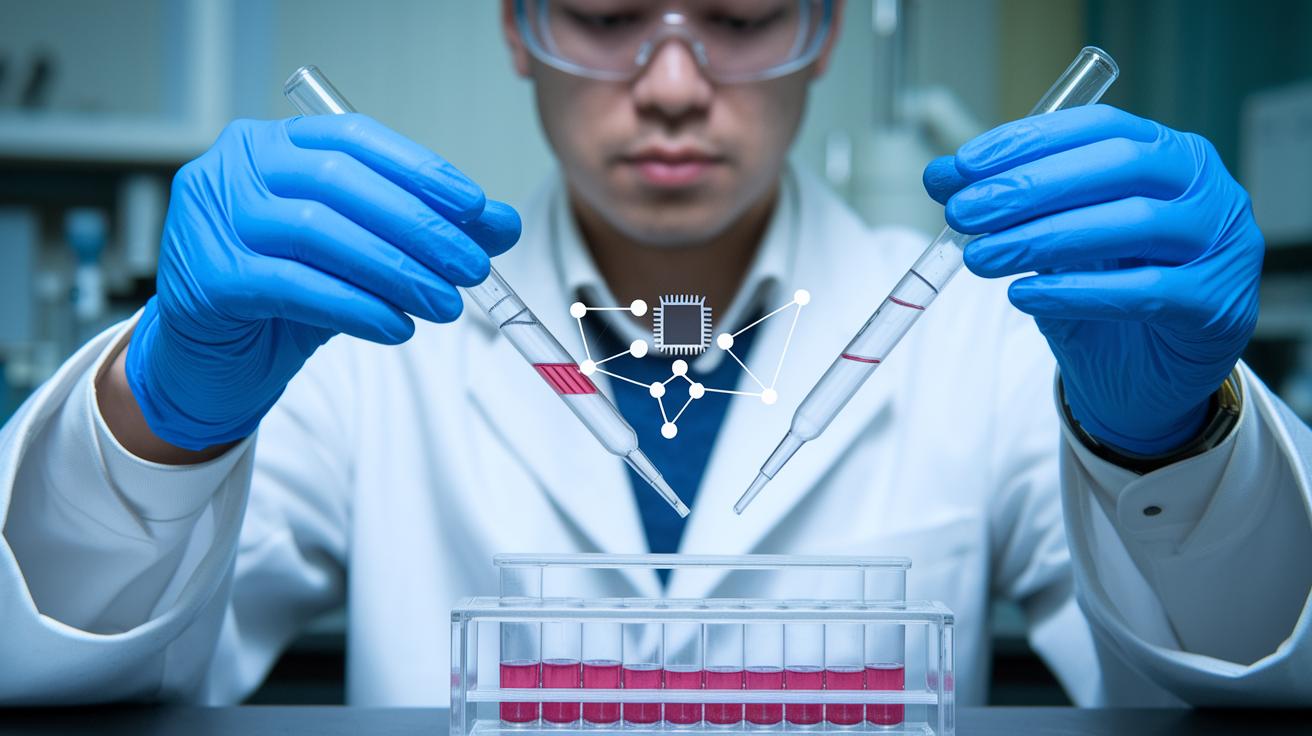
When we dive into medicine, two big ideas often come up: reductionist methods and systems biology. The reductionist approach breaks complex functions down to their very basics, imagine taking apart a computer to see how each tiny chip works. Meanwhile, systems biology looks at the body as one big network, where every cell and signal plays its part, much like how individual pieces of a puzzle create a complete picture when assembled.
Another important framework here is the bench-to-bedside pipeline. This model shows how discoveries made in a lab can move through clinical trials and eventually help patients. Think of it like turning an exciting scientific finding into a treatment that can truly change lives, much like that breakthrough medication that paved the way for fighting infectious diseases.
Then there’s the hypothesis-driven approach. In this method, scientists start with a clear, testable question and set up experiments to see if their idea holds water. Even though unexpected results can pop up and challenge the initial plan, this approach is valuable because it keeps research focused and grounded in clear objectives.
Here's a striking fact to think about: in one study, targeted gene therapies went from early lab concepts to real clinical treatments in just a few years.
Core Scientific Methods and Laboratory Techniques in Biomedical Science
PCR, or polymerase chain reaction, lets scientists make many copies of a small piece of DNA so it becomes easier to study. Imagine taking a tiny page out of a huge book and photocopying it until you have enough copies to read clearly. Labs add quality checks like controls and replicates to keep every test reliable.
ELISA is a way to detect and measure proteins, kind of like checking how sweet your tea is. It works by using antibodies that latch onto specific molecules, which helps in tests and diagnosis. With careful calibration and standards, labs can trust that their measurements stay accurate.
Cell culture means growing cells in a controlled setting on special surfaces. This practice gives a peek into how cells work, especially when testing new drugs or watching gene functions. Keeping everything sterile and monitoring growth conditions closely are key to making sure results are consistent.
Fluorescence microscopy uses special light to show tagged molecules in bright detail. This method can track things like how a protein moves inside a cell, providing clues about what the cell is doing. By using the right filters and calibrated light, scientists can get clear and trustworthy images.
Flow cytometry sorts and studies thousands of cells every second based on their size and makeup. It’s a handy tool for counting cells and checking how healthy they are. Regular quality control keeps the instruments working well, which is essential for various biomedical studies.
Academic Roadmap for Biomedical Science Education
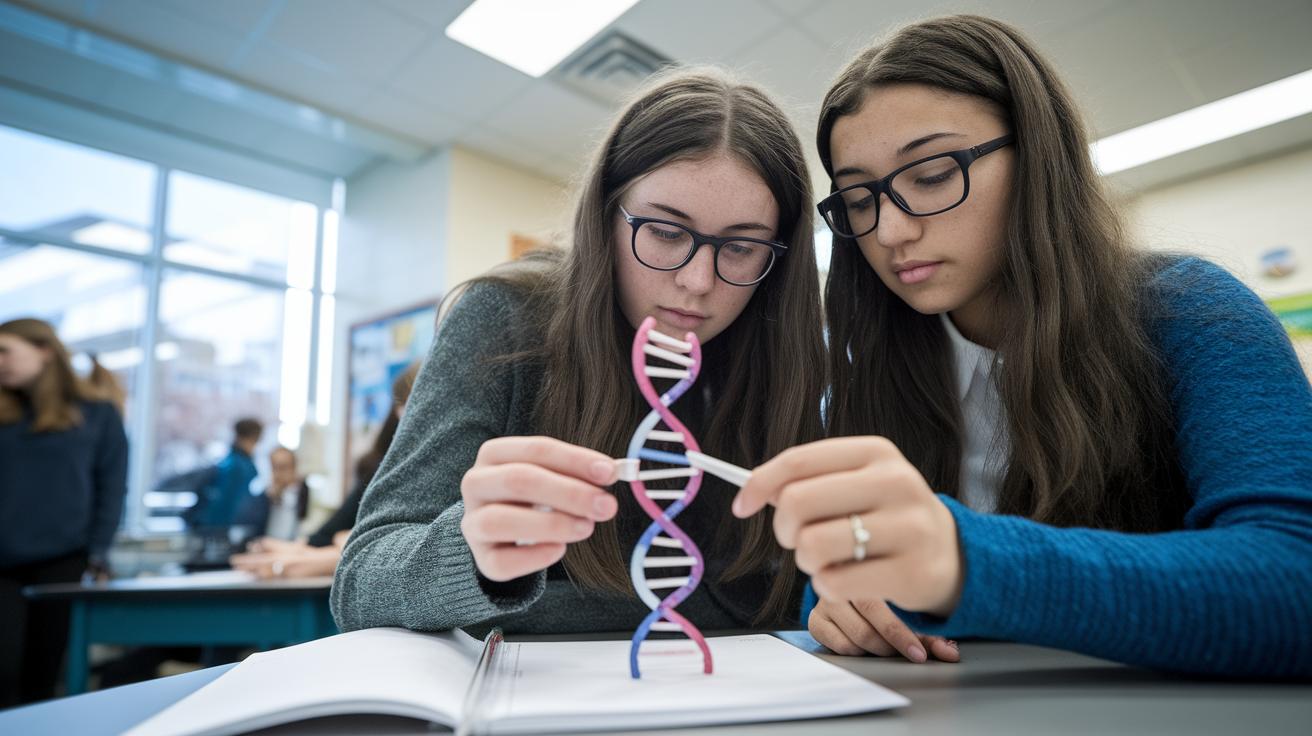
Designing a curriculum in biomedicine is a lot like piecing together a puzzle. You start with the basics and let each topic naturally build on the one before it. Think about it this way: first comes cell biology, where students get an up-close look at the building blocks of life. Next, anatomy & physiology explain how these cells come together to create tissues, organs, and systems that work in harmony.
After that, genetics steps in to reveal the secrets of heredity, the unique blueprint that makes each of us who we are. And then there’s immunology, which shows how our bodies defend themselves against germs and diseases. It feels a bit like learning how a security system is set up: first, you understand the parts; then, you see how they protect the whole.
A natural way to arrange these topics is to begin with cell biology and anatomy & physiology to build a strong foundation. Then, genetics can weave in the idea of individual differences that affect health. Finally, immunology wraps it all up by linking what happens on a tiny scale to how our bodies react to the world around us.
Take the PLTW – Principles of Biomedical Sciences course (9270) as an example. Designed for high schoolers in grades 9, 10, and 11, this one-credit course can be counted as either a Science or a Practical Art class, depending on the school’s approach. It’s a great model for teachers because it gradually introduces tougher ideas in a structured way, making the heavy stuff feel a little lighter.
To really bring these lessons home, instructors can mix in textbooks, lab manuals, and online modules. For instance, pairing a lab manual on genetic analysis with online modules about real-life immune challenges helps students bridge the gap between theory and practice. In short, this blend of methods makes learning both accessible and engaging.
Evidence-Based Practices and Advanced Investigative Techniques in Biomedical Science
Researchers are using new, powerful methods that change how we understand and treat health. Take CRISPR/Cas9, for example. This tool acts like molecular scissors, making tiny, precise cuts in DNA so scientists can rearrange genetic instructions. It’s a breakthrough that helps design experiments and shape treatments in a very exact way.
Next-generation sequencing is another exciting advance. It lets researchers read DNA like a story, quickly spotting mutations and patterns in gene expression. This speedy process means treatment plans can be based on solid, real-time evidence. Plus, scientists lean on trusted guidelines, like the CONSORT rules, to design their trials and confirm that every result is solid and reliable.
Single-cell analysis goes even further by examining one cell at a time. By doing so, researchers catch little differences that might disappear in larger groups of cells, revealing important clues about how diseases work and how the body might react to treatments. And then there’s high-throughput screening. Think of it as running many mini-experiments at once to sift through thousands of options and pinpoint promising new ideas for further study.
- Modern investigative techniques connect basic research with everyday clinical solutions.
- Relying on evidence-based methods makes sure our findings are trustworthy and repeatable.
- Together, these approaches speed the move from lab discoveries to real, effective patient care.
Exam Preparation and Assessment Strategies in Biomedical Science

When exam stress starts to build, targeted study techniques can really help turn that anxiety into confidence. One easy-to-use method is concept mapping – picture it like drawing a simple road map where each turn marks a crucial point in the cell cycle. This visual approach makes connecting the big ideas feel almost natural.
Another useful tip is to try spaced-repetition flashcards. They work wonders by helping you stick important terms in your memory for the long haul. For example, you could have a card that reminds you, "Remember, ATP fuels cell work," and review it regularly until it just clicks.
Annotated diagrams are also a solid strategy. By labeling parts of a metabolic or signaling pathway, you not only reinforce what you’ve learned but also break down complex processes into bite-sized chunks.
Here are a few more ideas to boost your exam prep:
- Build custom question banks using Bloom’s taxonomy to cover everything from basic recall to higher-order thinking.
- Practice with timed mock lab practicals to simulate real exam pressure.
- Break down experimental data figures into simple parts so you can understand them quickly.
Crafting clear and concise written responses is key during exams. Regular practice with these strategies not only builds confidence but also ensures you can explain your scientific insights clearly when it matters most.
principles biomedical science: Inspiring Academic Mastery
Biomedical science powers a wide range of roles in health and sparks breakthrough innovations every day. It’s at the heart of new treatments and medicines, like the mRNA vaccines that have reshaped how we prevent disease by using advanced molecular techniques to tackle real-world challenges.
Clinical diagnostics also get a big boost from these scientific insights. Imagine having imaging tools that spot even the smallest hints of an illness, helping doctors act swiftly to save lives.
At the academic level, research dives deep into how our cells work and how our genes interact, paving the way for treatments we once only dreamed about. Meanwhile, biotech startups are taking these lab discoveries and turning them into practical, market-ready solutions.
Students stepping into these fields will find plenty of graduate programs and specialized certifications that blend theory with hands-on skills. These courses and credentials prepare you for a successful career by offering both in-depth knowledge and practical know-how.
- Breakthroughs in pharmaceutical research.
- More accurate clinical diagnostics.
- Academic research that fuels new therapies.
- Entrepreneurial ventures that merge lab science with real-world practice.
In short, these diverse paths show how the core principles of biomedical science turn theory into everyday healthcare innovations.
Final Words
In the action, the post explored principles biomedical science by breaking down key concepts like homeostasis, molecular interactions, and cellular physiology. It showcased how traditional lab techniques and modern methods, such as PCR and gene editing, support clinical and academic settings. The article also outlined a clear academic roadmap and effective test strategies, while highlighting career options in biotech and clinical fields. This brief recap underscores how understanding research methods can empower smart health choices and pave the way for balanced living.
FAQ
What are the principles of biomedical science and the basics involved?
The principles of biomedical science involve understanding core concepts such as homeostasis, cellular physiology, and molecular interactions that form the foundation for both scientific research and clinical practice.
What is PLTW Biomedical Science and who is it designed for?
PLTW Biomedical Science is a high-school curriculum tailored for grades 9 through 11 that introduces students to fundamental biomedical concepts and hands-on laboratory practices.
Is Principles of Biomedical Science hard in high school?
The difficulty of Principles of Biomedical Science in high school varies by individual and school setup; some students find the mix of theory and practical work engaging, while others may consider it challenging.
Are Principles of Biomedical Science courses considered standard science classes or honors courses?
Principles of Biomedical Science is generally classified as a science class, though certain schools may offer it as an honors course based on their curriculum structure.
Where can I find resources like PDFs or the PLTW answer key for Principles of Biomedical Science?
Resources such as PDFs and the PLTW answer key are typically provided by the school or instructor, serving as official course materials to support learning and assessment.
What career opportunities do biomedical science principles lead to?
Biomedical science principles open career pathways in clinical diagnostics, pharmaceutical research, academic study, and biotech innovations, applying core scientific methods to real-world health challenges.