Management Of Type 2 Diabetes: Feel Empowered

Have you ever noticed how a small change, like a gentle breeze against your skin on a cool morning, can really shift your whole day? Managing type 2 diabetes might seem overwhelming at first, but it's really about focusing on three simple areas: your daily habits, your medications, and keeping a close eye on your numbers. Millions of people face this challenge every day, and even little steps, like savoring a healthy meal or enjoying a brisk walk, can help keep your blood sugar balanced. By breaking things down into these key parts, you can feel more in command of your health and set the stage for a more energetic, hopeful future.

Core Pillars of Management of Type 2 Diabetes

Type 2 diabetes happens when your body doesn’t use insulin the way it should, which leads to blood sugar levels staying high, a condition we call hyperglycemia (high blood sugar). Over 37 million Americans live with diabetes, and about 90–95% of those cases are type 2. It might surprise you to learn that one in every ten Americans has this condition, really putting its impact into perspective.

Our genes play a big role here, too. If one of your parents has type 2 diabetes, your lifetime risk is around 40%. If both parents have it, that risk jumps to about 70%. To detect diabetes, doctors usually use tests like fasting plasma glucose or the A1C test, which shows your average blood sugar over a few months. Sometimes they even use an oral glucose tolerance test. Every year, around 1.4 million Americans get a new diagnosis, which shows why early detection really matters.

Managing type 2 diabetes rests on three key pillars: lifestyle, medication, and monitoring. First, small lifestyle changes like following a well-balanced meal plan and taking a brisk walk after dinner can make a big difference. Next, many people start with a medication called metformin, and this can be adjusted over time to fit your individual needs. Finally, keeping a regular check on your blood sugar is crucial because it helps fine-tune both your daily habits and any medications.

  • Lifestyle modifications
  • Personalized medication plans
  • Routine biometric monitoring

Each of these pillars works together to help you feel more empowered and healthier while managing this ongoing condition.

Dietary Planning for Glycemic Balance in Type 2 Diabetes

img-1.jpg

When it comes to keeping your blood sugar steady, having a clear, structured meal plan makes all the difference. Many folks work with healthcare professionals or registered dietitians to create a plan that fits their unique needs. These plans usually focus on keeping portion sizes in check and choosing low glycemic carbohydrates, foods that won't cause sudden spikes in your blood sugar. They also make sure you get a good mix of proteins, fats, and carbohydrates to support your overall health over the long haul.

A smart eating plan for type 2 diabetes means enjoying foods that keep your energy steady all day. Picture this: you start your day with a warm vegetable omelet paired with a small bowl of whole grains. The flavors blend well, and more importantly, that combo can help smooth out those blood sugar bumps. It’s a friendly nudge toward low-carb eating that doesn’t skimp on taste.

Many programs even offer ADA-approved recipes and weekly meal guides that make it easier to stick with your plan. Even something as simple as a one-week meal planner or a handy food list can empower you to choose foods with a low glycemic index. This way, you’re not just following a diet, you’re taking control of your everyday health.

Incorporating low carbohydrate options in your daily routine can also make shopping and cooking feel less overwhelming. Imagine tossing together a crisp salad loaded with fresh greens, a bit of lean protein, and a drizzle of olive oil. It’s a quick and healthy win that can keep your blood sugar in check and reduce your risk of complications.

Working side by side with a registered dietitian makes sure your eating plan is safe, enjoyable, and easy to stick with. With the right blend of advice and practical tips, managing glycemic balance becomes part of your everyday routine, helping you feel empowered about your health.

Exercise Routines and Weight Management in Type 2 Diabetes

Regular, moderate exercise is a key part of managing type 2 diabetes. Doing things like a brisk walk or cycling gives your body a chance to use insulin better (the hormone that helps control blood sugar). Imagine starting your day with a lively 30-minute walk that keeps your blood sugar more stable after meals.

Losing about 5–10% of your body weight is a realistic goal that can make a big difference in managing your condition. Even a small drop in weight can help your body respond to insulin more effectively, easing feelings of sluggishness and improving overall metabolic health. Think of it like giving your body a little tune-up, each pound lost puts you on the path to better blood sugar control.

You don't always have to hit the gym to reap the benefits. Simple, everyday activities like taking the stairs or fitting in a few bodyweight exercises between meals can boost your activity level without needing special equipment. These little bursts of movement throughout your day might just be the extra push your body needs to maintain healthy blood sugar levels.

Keeping track of your activity, like writing down your steps or noting a quick workout in a journal, can motivate you to stick with your plan. Setting small, daily goals and checking your progress helps create a routine that feels natural over time.

By blending regular exercise with a sensible weight loss target and small, manageable habits, you’re not only balancing your blood sugar but also building a healthier lifestyle, one small step at a time.

Blood Sugar Monitoring & Self-Management in Type 2 Diabetes
img-2.jpg

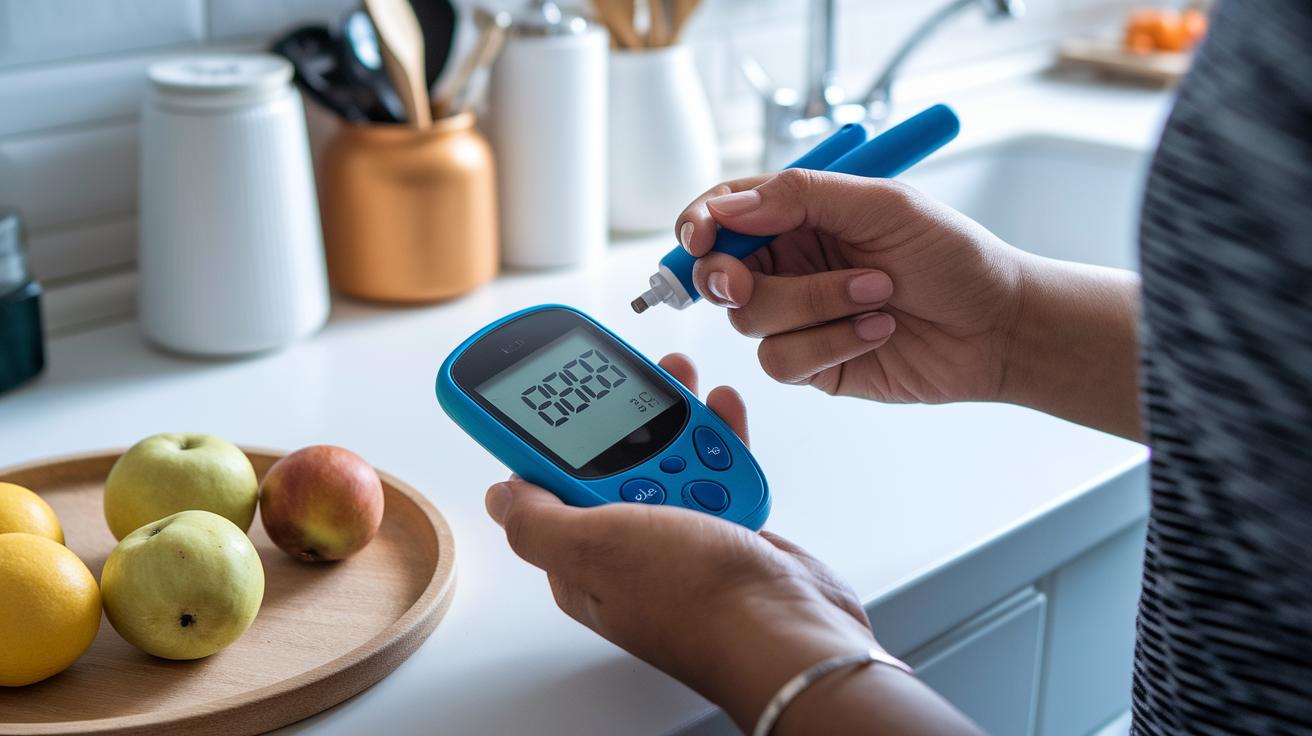
Checking your blood sugar every day can really change the game. It’s like having a clear window into how your body is doing. With simple tools like self-checks and regular A1C tests (which give you a snapshot of your average blood sugar), you get real feedback. Imagine this: just one missed check might trigger unexpected spikes, showing you that even a tiny lapse can set off a chain reaction.

This instant feedback lets you tweak your meals, swap up your activities, or even adjust your medication before small issues turn into big problems. It’s all about staying ahead so you feel more in control.

Self-management education programs are here to help you build a steady routine. They offer easy-to-understand advice that guides you in reading your numbers and making everyday choices that support better blood sugar balance. Instead of feeling like a tedious task, monitoring becomes a tool that empowers you. Many times, these programs come with extra resources that lay out clear guidelines and practical tips.

Tip Description
Regular Checks Keep an eye on your numbers at the suggested times to catch trends early.
Record & Share Jot down each reading and share your log with your healthcare team for personalized advice.
Digital Tools Use mobile apps or devices that automatically track your readings, making it easier to see your progress.

Digital monitoring tools can simplify the process by logging your results automatically. This extra help keeps you on track day after day. What’s more, self-management education programs don’t just teach you to read numbers, they show you how to adjust your daily routine with confidence. With solid, trusted guidance from patient education resources, managing your condition becomes a journey you’re well-equipped to handle.

Medication Regimen Optimization in Type 2 Diabetes

Making small tweaks to your medications is key to keeping blood sugar levels on track. Most treatments start with metformin, it’s the tried and true first step that not only lowers glucose but also makes your body more responsive to insulin by reducing how much glucose your liver makes. If metformin isn’t enough on its own, doctors often add other oral medications, like SGLT2 inhibitors or DPP-4 inhibitors, each working in its own way to help your insulin do its job better.

Think of it like fine-tuning a car engine. You begin with metformin as your reliable base model, then layer on additional treatments, maybe an injection like a GLP-1 agonist or a bit of basal insulin, to address different needs. This combo targets several pathways, keeping your treatment plan in line with medical guidelines. Regular checkups let your doctor adjust the dosages based on your latest lab work and day-to-day blood sugar readings, ensuring your plan stays flexible and effective.

Imagine a patient who relies on a solid dose of metformin as the foundation of their routine. They might add an oral agent to give that extra boost of insulin sensitivity, and if necessary, a small dose of an injectable therapy is added. Routine visits help fine-tune these adjustments, working to hit target A1C levels, minimize side effects, and maintain a more stable blood sugar profile over time.

Medication Class Role
Metformin Primary glucose-lowering agent with dose flexibility
Oral Agents SGLT2 and DPP-4 inhibitors that improve insulin effectiveness
Injectable Therapies GLP-1 agonists and basal insulin for additional glycemic support

Preventing Complications & Emergency Measures in Type 2 Diabetes

img-3.jpg

Managing type 2 diabetes means keeping long-term complications at bay. When blood sugar isn’t well-controlled, it can strain your heart, kidneys, and nerves. Regular check-ups, like eye exams, kidney tests, and nerve assessments, are a simple, effective way to catch early signs before they escalate. For example, if you notice any changes in your vision, don’t wait; schedule an eye appointment right away because early detection really makes a difference.

Short-term emergencies can happen too. Sometimes, uncontrolled high blood sugar can lead to a condition called hyperosmolar hyperglycemic state (HHS), where dehydration and confusion signal danger. In such cases, quick medical help with IV fluids and insulin is essential to get things back on track.

Low blood sugar events need attention as well. If you start feeling shaky or unusually tired, these could be signs of hypoglycemia. Having glucose tablets or a glucagon kit nearby can quickly bring your levels to a safer range.

Action Measure
Hyperglycemia IV fluids and insulin infusion under medical supervision
Hypoglycemia Glucose tablets or a glucagon injection

Keeping up with routine screenings and having a clear emergency plan lets you handle both everyday risks and sudden issues with confidence and calm.

Integrated Care Models & Digital Tools for Type 2 Diabetes Management

Collaborative care brings together a team of specialists, endocrinologists, nurses, dietitians, and pharmacists, to create a plan that fits your unique needs. With telehealth check-ins, you can easily adjust medications and get lifestyle tips from the comfort of home. Remote tools let you watch your blood sugar, activity, and medicine routine in real time. One patient shared, "I can see my daily numbers and share them with my care team during my virtual visits," adding a sense of trust and boosting confidence in managing the condition.

Digital strategies have even helped lower A1C by 0.5 to 1.0% in just six months. Online education empowers you to make informed, everyday care decisions. Together, integrated care and telemedicine ensure every part of your treatment works together, so you always feel like a vital part of your own health journey.

Final Words

In the action of combining nutrition, movement, careful monitoring, and regular medication reviews, every step counts when managing type 2 diabetes. Our discussion covered food planning for stable blood sugar, the benefits of exercise and weight control, smart self-monitoring practices, optimized medication routines, and the role of modern digital care. Each element works together to support a balanced, science-backed approach that guides everyday choices. Small changes can add up to significant health benefits, empowering a life of improved well-being.

FAQ

What is the management for type 2 diabetes?

The management for type 2 diabetes involves a mix of personalized meal plans, regular exercise, blood sugar monitoring, medication adjustments, and educational support to maintain target glucose levels and reduce risks.

What are 5 main treatment options for type 2 diabetes?

The five main treatment options include lifestyle changes, dietary planning, consistent physical activity, medication adjustments, and self-monitoring of blood sugar to help maintain optimal glycemic control.

What is the best medicine for type 2 diabetes?

The best medication often starts with metformin, known for its effectiveness in improving insulin sensitivity, with additional drugs added as needed based on individual blood sugar targets.

What do the ADA guidelines say on managing type 2 diabetes?

The ADA guidelines recommend a comprehensive management plan that combines lifestyle modifications, medication optimization, regular blood sugar monitoring, and patient education to effectively control type 2 diabetes.

How do blood sugar levels affect type 2 diabetes?

Blood sugar levels serve as key indicators of diabetes control; regular monitoring helps guide adjustments in diet, exercise, and medication to keep glucose within target ranges and minimize complications.

What is the dietary plan for type 2 diabetes and which foods should be avoided?

A type 2 diabetes diet focuses on low-glycemic foods, balanced macronutrients, and portion control, while avoiding sugary, highly processed, and refined carbohydrate-rich foods.

How can type 2 diabetes complications be prevented?

Preventing complications hinges on steady blood sugar control, routine health screenings, and a consistent lifestyle that includes a balanced diet, regular exercise, and appropriate medication use.

How can type 2 diabetes be prevented?

Preventing type 2 diabetes can often be achieved by maintaining a healthy weight, following a balanced diet, engaging in regular physical activity, and managing blood pressure and cholesterol levels.

Where can I find PDFs or PPTs on the management of type 2 diabetes?

Resources such as downloadable PDFs and PPTs on managing type 2 diabetes are available on reputable health websites like diabetes associations and medical institutions that provide up-to-date, evidence-based information.

Have you ever noticed how a small change, like a gentle breeze against your skin on a cool morning, can really shift your whole day? Managing type 2 diabetes might seem overwhelming at first, but it's really about focusing on three simple areas: your daily habits, your medications, and keeping a close eye on your numbers. Millions of people face this challenge every day, and even little steps, like savoring a healthy meal or enjoying a brisk walk, can help keep your blood sugar balanced. By breaking things down into these key parts, you can feel more in command of your health and set the stage for a more energetic, hopeful future.

Core Pillars of Management of Type 2 Diabetes

Type 2 diabetes happens when your body doesn’t use insulin the way it should, which leads to blood sugar levels staying high, a condition we call hyperglycemia (high blood sugar). Over 37 million Americans live with diabetes, and about 90–95% of those cases are type 2. It might surprise you to learn that one in every ten Americans has this condition, really putting its impact into perspective.

Our genes play a big role here, too. If one of your parents has type 2 diabetes, your lifetime risk is around 40%. If both parents have it, that risk jumps to about 70%. To detect diabetes, doctors usually use tests like fasting plasma glucose or the A1C test, which shows your average blood sugar over a few months. Sometimes they even use an oral glucose tolerance test. Every year, around 1.4 million Americans get a new diagnosis, which shows why early detection really matters.

Managing type 2 diabetes rests on three key pillars: lifestyle, medication, and monitoring. First, small lifestyle changes like following a well-balanced meal plan and taking a brisk walk after dinner can make a big difference. Next, many people start with a medication called metformin, and this can be adjusted over time to fit your individual needs. Finally, keeping a regular check on your blood sugar is crucial because it helps fine-tune both your daily habits and any medications.

  • Lifestyle modifications
  • Personalized medication plans
  • Routine biometric monitoring

Each of these pillars works together to help you feel more empowered and healthier while managing this ongoing condition.

Dietary Planning for Glycemic Balance in Type 2 Diabetes

img-1.jpg

When it comes to keeping your blood sugar steady, having a clear, structured meal plan makes all the difference. Many folks work with healthcare professionals or registered dietitians to create a plan that fits their unique needs. These plans usually focus on keeping portion sizes in check and choosing low glycemic carbohydrates, foods that won't cause sudden spikes in your blood sugar. They also make sure you get a good mix of proteins, fats, and carbohydrates to support your overall health over the long haul.

A smart eating plan for type 2 diabetes means enjoying foods that keep your energy steady all day. Picture this: you start your day with a warm vegetable omelet paired with a small bowl of whole grains. The flavors blend well, and more importantly, that combo can help smooth out those blood sugar bumps. It’s a friendly nudge toward low-carb eating that doesn’t skimp on taste.

Many programs even offer ADA-approved recipes and weekly meal guides that make it easier to stick with your plan. Even something as simple as a one-week meal planner or a handy food list can empower you to choose foods with a low glycemic index. This way, you’re not just following a diet, you’re taking control of your everyday health.

Incorporating low carbohydrate options in your daily routine can also make shopping and cooking feel less overwhelming. Imagine tossing together a crisp salad loaded with fresh greens, a bit of lean protein, and a drizzle of olive oil. It’s a quick and healthy win that can keep your blood sugar in check and reduce your risk of complications.

Working side by side with a registered dietitian makes sure your eating plan is safe, enjoyable, and easy to stick with. With the right blend of advice and practical tips, managing glycemic balance becomes part of your everyday routine, helping you feel empowered about your health.

Exercise Routines and Weight Management in Type 2 Diabetes

Regular, moderate exercise is a key part of managing type 2 diabetes. Doing things like a brisk walk or cycling gives your body a chance to use insulin better (the hormone that helps control blood sugar). Imagine starting your day with a lively 30-minute walk that keeps your blood sugar more stable after meals.

Losing about 5–10% of your body weight is a realistic goal that can make a big difference in managing your condition. Even a small drop in weight can help your body respond to insulin more effectively, easing feelings of sluggishness and improving overall metabolic health. Think of it like giving your body a little tune-up, each pound lost puts you on the path to better blood sugar control.

You don't always have to hit the gym to reap the benefits. Simple, everyday activities like taking the stairs or fitting in a few bodyweight exercises between meals can boost your activity level without needing special equipment. These little bursts of movement throughout your day might just be the extra push your body needs to maintain healthy blood sugar levels.

Keeping track of your activity, like writing down your steps or noting a quick workout in a journal, can motivate you to stick with your plan. Setting small, daily goals and checking your progress helps create a routine that feels natural over time.

By blending regular exercise with a sensible weight loss target and small, manageable habits, you’re not only balancing your blood sugar but also building a healthier lifestyle, one small step at a time.

Blood Sugar Monitoring & Self-Management in Type 2 Diabetes

img-2.jpg

Checking your blood sugar every day can really change the game. It’s like having a clear window into how your body is doing. With simple tools like self-checks and regular A1C tests (which give you a snapshot of your average blood sugar), you get real feedback. Imagine this: just one missed check might trigger unexpected spikes, showing you that even a tiny lapse can set off a chain reaction.

This instant feedback lets you tweak your meals, swap up your activities, or even adjust your medication before small issues turn into big problems. It’s all about staying ahead so you feel more in control.

Self-management education programs are here to help you build a steady routine. They offer easy-to-understand advice that guides you in reading your numbers and making everyday choices that support better blood sugar balance. Instead of feeling like a tedious task, monitoring becomes a tool that empowers you. Many times, these programs come with extra resources that lay out clear guidelines and practical tips.

Tip Description
Regular Checks Keep an eye on your numbers at the suggested times to catch trends early.
Record & Share Jot down each reading and share your log with your healthcare team for personalized advice.
Digital Tools Use mobile apps or devices that automatically track your readings, making it easier to see your progress.

Digital monitoring tools can simplify the process by logging your results automatically. This extra help keeps you on track day after day. What’s more, self-management education programs don’t just teach you to read numbers, they show you how to adjust your daily routine with confidence. With solid, trusted guidance from patient education resources, managing your condition becomes a journey you’re well-equipped to handle.

Medication Regimen Optimization in Type 2 Diabetes

Making small tweaks to your medications is key to keeping blood sugar levels on track. Most treatments start with metformin, it’s the tried and true first step that not only lowers glucose but also makes your body more responsive to insulin by reducing how much glucose your liver makes. If metformin isn’t enough on its own, doctors often add other oral medications, like SGLT2 inhibitors or DPP-4 inhibitors, each working in its own way to help your insulin do its job better.

Think of it like fine-tuning a car engine. You begin with metformin as your reliable base model, then layer on additional treatments, maybe an injection like a GLP-1 agonist or a bit of basal insulin, to address different needs. This combo targets several pathways, keeping your treatment plan in line with medical guidelines. Regular checkups let your doctor adjust the dosages based on your latest lab work and day-to-day blood sugar readings, ensuring your plan stays flexible and effective.

Imagine a patient who relies on a solid dose of metformin as the foundation of their routine. They might add an oral agent to give that extra boost of insulin sensitivity, and if necessary, a small dose of an injectable therapy is added. Routine visits help fine-tune these adjustments, working to hit target A1C levels, minimize side effects, and maintain a more stable blood sugar profile over time.

Medication Class Role
Metformin Primary glucose-lowering agent with dose flexibility
Oral Agents SGLT2 and DPP-4 inhibitors that improve insulin effectiveness
Injectable Therapies GLP-1 agonists and basal insulin for additional glycemic support

Preventing Complications & Emergency Measures in Type 2 Diabetes

img-3.jpg

Managing type 2 diabetes means keeping long-term complications at bay. When blood sugar isn’t well-controlled, it can strain your heart, kidneys, and nerves. Regular check-ups, like eye exams, kidney tests, and nerve assessments, are a simple, effective way to catch early signs before they escalate. For example, if you notice any changes in your vision, don’t wait; schedule an eye appointment right away because early detection really makes a difference.

Short-term emergencies can happen too. Sometimes, uncontrolled high blood sugar can lead to a condition called hyperosmolar hyperglycemic state (HHS), where dehydration and confusion signal danger. In such cases, quick medical help with IV fluids and insulin is essential to get things back on track.

Low blood sugar events need attention as well. If you start feeling shaky or unusually tired, these could be signs of hypoglycemia. Having glucose tablets or a glucagon kit nearby can quickly bring your levels to a safer range.

Action Measure
Hyperglycemia IV fluids and insulin infusion under medical supervision
Hypoglycemia Glucose tablets or a glucagon injection

Keeping up with routine screenings and having a clear emergency plan lets you handle both everyday risks and sudden issues with confidence and calm.

Integrated Care Models & Digital Tools for Type 2 Diabetes Management

Collaborative care brings together a team of specialists, endocrinologists, nurses, dietitians, and pharmacists, to create a plan that fits your unique needs. With telehealth check-ins, you can easily adjust medications and get lifestyle tips from the comfort of home. Remote tools let you watch your blood sugar, activity, and medicine routine in real time. One patient shared, "I can see my daily numbers and share them with my care team during my virtual visits," adding a sense of trust and boosting confidence in managing the condition.

Digital strategies have even helped lower A1C by 0.5 to 1.0% in just six months. Online education empowers you to make informed, everyday care decisions. Together, integrated care and telemedicine ensure every part of your treatment works together, so you always feel like a vital part of your own health journey.

Final Words

In the action of combining nutrition, movement, careful monitoring, and regular medication reviews, every step counts when managing type 2 diabetes. Our discussion covered food planning for stable blood sugar, the benefits of exercise and weight control, smart self-monitoring practices, optimized medication routines, and the role of modern digital care. Each element works together to support a balanced, science-backed approach that guides everyday choices. Small changes can add up to significant health benefits, empowering a life of improved well-being.

FAQ

What is the management for type 2 diabetes?

The management for type 2 diabetes involves a mix of personalized meal plans, regular exercise, blood sugar monitoring, medication adjustments, and educational support to maintain target glucose levels and reduce risks.

What are 5 main treatment options for type 2 diabetes?

The five main treatment options include lifestyle changes, dietary planning, consistent physical activity, medication adjustments, and self-monitoring of blood sugar to help maintain optimal glycemic control.

What is the best medicine for type 2 diabetes?

The best medication often starts with metformin, known for its effectiveness in improving insulin sensitivity, with additional drugs added as needed based on individual blood sugar targets.

What do the ADA guidelines say on managing type 2 diabetes?

The ADA guidelines recommend a comprehensive management plan that combines lifestyle modifications, medication optimization, regular blood sugar monitoring, and patient education to effectively control type 2 diabetes.

How do blood sugar levels affect type 2 diabetes?

Blood sugar levels serve as key indicators of diabetes control; regular monitoring helps guide adjustments in diet, exercise, and medication to keep glucose within target ranges and minimize complications.

What is the dietary plan for type 2 diabetes and which foods should be avoided?

A type 2 diabetes diet focuses on low-glycemic foods, balanced macronutrients, and portion control, while avoiding sugary, highly processed, and refined carbohydrate-rich foods.

How can type 2 diabetes complications be prevented?

Preventing complications hinges on steady blood sugar control, routine health screenings, and a consistent lifestyle that includes a balanced diet, regular exercise, and appropriate medication use.

How can type 2 diabetes be prevented?

Preventing type 2 diabetes can often be achieved by maintaining a healthy weight, following a balanced diet, engaging in regular physical activity, and managing blood pressure and cholesterol levels.

Where can I find PDFs or PPTs on the management of type 2 diabetes?

Resources such as downloadable PDFs and PPTs on managing type 2 diabetes are available on reputable health websites like diabetes associations and medical institutions that provide up-to-date, evidence-based information.

More from author

LEAVE A REPLY

Please enter your comment!
Please enter your name here

Related posts

Advertismentspot_img

Latest posts

How To Create A Daily Wellness Routine: Thriving

Curious about how to create a daily wellness routine that transforms your mornings and days? Read on as secrets await…

2 Daily Wellness Drink Tips For Radiance

Experience a daily wellness drink with natural herbs, green ingredients, and clinical backing that might change your routine forever, stay tuned.

Daily Wellness: Elevate Your Everyday Vitality

Daily wellness transforms everyday routines into mindful adjustments, merging nutrition, movement, and restorative sleep. What unforeseen practice awaits you next?

Want to stay up to date with the latest news?

We would love to hear from you! Please fill in your details and we will stay in touch. It's that simple!