Ever thought that your everyday foods might be the fuel your body craves? Simple choices like eggs, salmon, and lentils pack a good protein punch, which means they help boost your strength and energy. Even a small, healthy snack can give you a quick burst of refreshment during a hectic day. Adding these natural protein sources to your meals is like giving your body a little lift, making each step feel a bit easier and brightening your day. Let's explore how these protein-packed foods can power up your health and keep you feeling strong.
Good sources of protein: Fuel Your Health
Let’s dive in and explore some naturally rich protein foods that can power up your day. Whether you’re an active person or just starting your healthy lifestyle journey, these foods give you a complete protein boost in simple, easy-to-enjoy servings. Imagine cracking open a medium egg that delivers about 6 grams of digestible protein – a small but satisfying start to your morning.
When you add these choices to your daily routine, you’re not just getting protein; you’re also loading up on other essential nutrients that help your body run like a finely tuned engine. Each bite works like a spark that powers your cells, making you feel energized and ready for whatever comes next.
| Food | Serving Size | Protein Content |
|---|---|---|
| Egg | 1 medium | 6 g |
| Salmon | 3 oz (85 g) | 17 g |
| Cod | 180 g | 41 g |
| Cottage Cheese | 1 cup (226 g) | 28 g |
| Greek Yogurt | 7 oz (200 g) | 19.9 g |
| Almonds | 1 oz (28 g) | 6 g |
| Lentils | ½ cup (100 g cooked) | 9 g |
| Quinoa | 1 cup (cooked) | ≈8 g |
Picture a meal where every forkful acts like a burst of energy , simple, effective, and essential to a balanced diet. Enjoy the journey toward better health with these protein-packed foods that help keep your body strong and your taste buds happy.
Animal-Based Good Protein Sources

Chicken breast and lean beef are top choices when you need a good, high-quality protein boost. Chicken breast, one of the most popular lean meats, is packed with branched-chain amino acids that help repair muscle tissues. Lean beef not only offers similar muscle-supporting benefits but also brings along essential nutrients like iron, zinc, selenium, vitamin B12, and B6. These extra nutrients make it a great option for meeting your daily nutritional goals.
Salmon is another stellar option. In a 3-ounce serving, you get around 17 grams of protein along with heart-healthy omega-3 fats, perfect for supporting a healthy heart. And if you love seafood, think about shellfish too: clams offer approximately 21.8 grams of protein per 3 ounces, and shrimp come in at about 20.4 grams per serving. Not only do they pack in the protein, but they also provide a variety of vitamins and minerals to keep you feeling great.
Dairy products like milk, yogurt, and cottage cheese are also fantastic sources of protein. For example, a cup of cottage cheese delivers an impressive 28 grams of protein while giving you a good dose of calcium, which is great for your bones. And Greek yogurt, with nearly 19.9 grams of protein in a 7-ounce serving, offers a smooth and refreshing treat that helps repair and build muscles.
Eggs remain a classic when it comes to boosting your protein intake. Each egg provides 6 to 8 grams of complete protein, which means it includes all nine essential amino acids that work together to keep your body strong and healthy. Whether you’re planning your meals or looking to support muscle recovery, these animal-based protein sources are reliable, tasty, and super effective.
Plant-Based Good Protein Sources
Plant-based protein sources come in many shapes and sizes, they help repair muscles while also offering extra goodies like fiber, iron, and key vitamins. Legumes such as lentils, chickpeas, kidney beans, and black beans are affordable and versatile, working wonderfully in soups, stews, or salads. They pack enough protein to support your overall health, making them solid staples for anyone following a vegan or vegetarian diet.
Grains, particularly quinoa, are standout choices because they include all essential amino acids (the building blocks your body uses to build protein). Picture a warm bowl of quinoa that offers nearly 8 grams of protein per cooked cup, a tasty way to boost your intake while enjoying a comforting side dish.
Soy-based products are another smart pick. Tofu, which is lower in both fat and calories, delivers about 8 grams of protein per 3.5 ounces and shines in stir-fries or even smoothies. On the flip side, tempeh provides roughly 19 grams of protein per 3.5 ounces and brings extra fiber along thanks to its special fermentation process.
Nuts and seeds, like pistachios and pumpkin seeds, add a delightful crunch plus a burst of flavor. Whether you toss them into a salad or enjoy them on their own, they make a handy snack to keep your energy levels balanced throughout the day.
Here's a handy table of eight protein-rich vegan options to help you plan balanced meals:
| Food | Protein Content | Serving Size |
|---|---|---|
| Lentils | 9.02 g | 100 g cooked |
| Chickpeas | ~8 g | ½ cup cooked |
| Black Beans | 7-8 g | ½ cup cooked |
| Kidney Beans | 8 g | ½ cup cooked |
| Quinoa | Nearly 8 g | 1 cup cooked |
| Tofu | Roughly 8 g | 3.5 oz (100 g) |
| Tempeh | Approximately 19 g | 3.5 oz (100 g) |
| Pumpkin Seeds | About 8.8 g | ¼ cup |
In short, mixing these wholesome, protein-packed options into your meals not only meets your daily protein needs but also offers a balanced mix of minerals and fiber, keeping your body nourished and energized.
Protein Requirements and Health Benefits
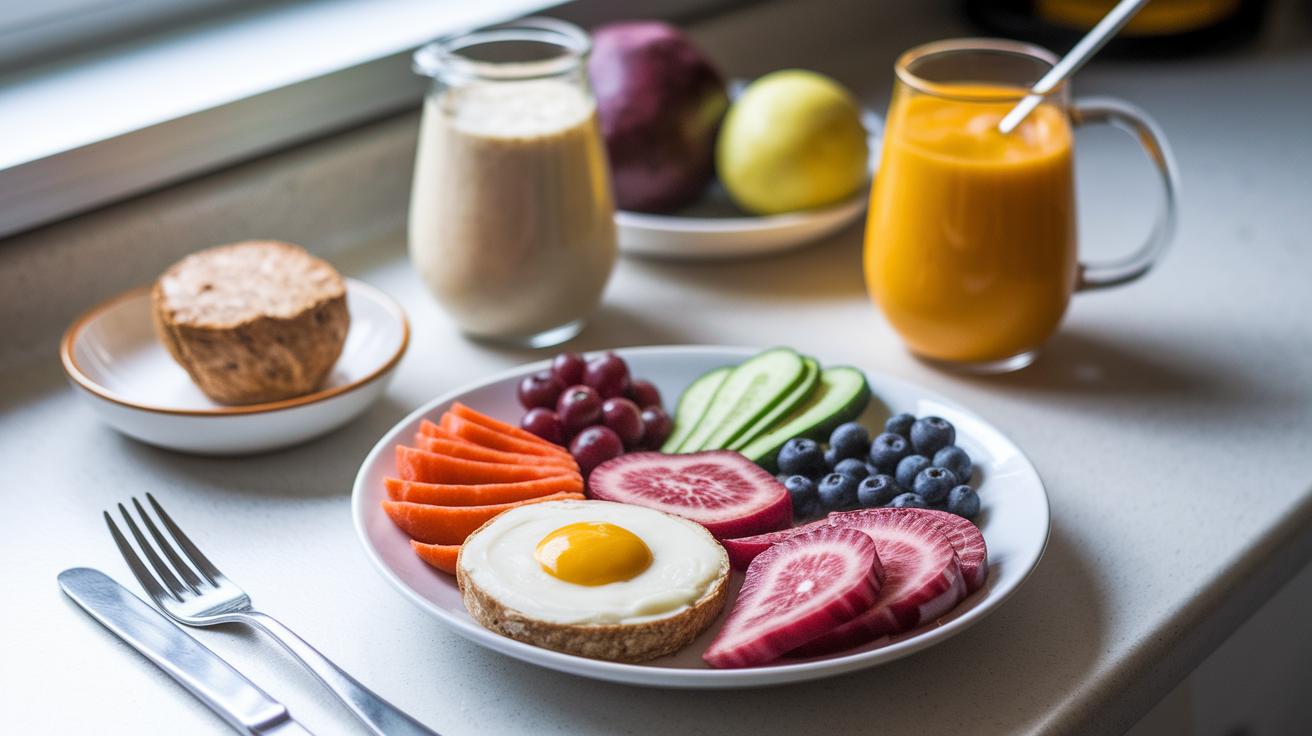
Most adults should aim for 0.8 to 1 gram of protein per kilogram of body weight each day. If you live an active lifestyle, consider targeting 100 to 150 grams daily by mixing different protein sources from both animals and plants. For endurance athletes, protein needs can increase to around 1.2 to 1.6 grams per kilogram, while those focused on strength training might benefit from 1.4 to 2 grams per kilogram to help repair and build muscles.
After a good, brisk workout, try to enjoy a snack that contains 15 to 25 grams of protein within about 30 minutes. This quick move fuels your muscles and supports faster recovery, gearing you up for your next activity.
Protein does more than just rebuild your muscles, it also plays a key role in keeping your weight in check. Your body burns more calories digesting protein than it does fats or carbohydrates, which means a protein-rich diet can give your metabolism a helpful boost. Plus, when you maintain lean muscle, it's like having a set of little engines constantly working in the background, keeping your metabolism running even while you rest.
That said, consuming too much protein, more than double the recommended amount, could put extra strain on your kidneys over time. By spreading out your protein intake over the entire day, you ensure your body gets a steady supply of the amino acids it needs to repair tissues, boost energy, and help manage your weight.
In short, finding the right protein balance is essential for recovery, performance, and overall metabolic health.
Meal Ideas with Good Sources of Protein
Start your day with a meal that feels both tasty and energizing. Imagine a morning treat like a Greek yogurt parfait sprinkled with fresh berries and seeds, which can pack nearly 20 g of protein. Or, how about a veggie omelet made with two eggs, offering around 12 g of protein? These breakfast options not only kick off your day with a delicious boost, they also help sustain your energy as the day goes by. And if you’re on the move, you might enjoy some apple slices topped with a mix of pistachios and peanut butter, a handy snack that brings together about 13 g of protein.
Below is a sample one-day meal plan with options that aim to offer roughly 20–30 g of protein per meal:
| Meal | Dish | Protein (g) |
|---|---|---|
| Breakfast | Greek yogurt parfait with berries and seeds or veggie omelet (2 eggs) | ≈20 (or 12, respectively) |
| Snack | Apple slices with 1 oz pistachios and 2 Tbsp peanut butter | ≈13 |
| Lunch | Grilled chicken salad with mixed greens and quinoa | 34 |
| Dinner | Lentil stew with tempeh stir-fry | 28 |
When cooking, aim for each meal to have around 20–30 g of protein to help you meet your daily goals. Try mixing lean animal proteins, like grilled chicken, with whole grains or plant-based proteins to also boost your fiber intake. For instance, the chicken pairs wonderfully with quinoa, which completes the protein profile, while a hearty lentil stew with tempeh provides a satisfying plant-based mix of amino acids. And don’t be afraid to experiment with herbs and spices to create dishes that are both fun to eat and aligned with your nutritional goals.
Final Words
In the action of combining research insights with everyday choices, this article explored top protein options through detailed serving sizes and nutritional benefits. It highlighted both animal- and plant-based good sources of protein to support muscle repair and overall wellness.
From balanced breakfasts to hearty dinner ideas, every tip is grounded in evidence-based research. Adding more good sources of protein to your meals can spark positive changes in your well-being. Stay curious and keep celebrating your healthy choices!
FAQ
What are some good sources of protein snacks and protein foods overall?
Good protein snacks include almonds, pistachios, Greek yogurt, and peanut butter on apple slices. In meals, lean meats, dairy, legumes, and whole grains provide a balanced mix of protein for energy and muscle support.
What are some high protein foods for vegetarians?
Vegetarian protein sources like lentils, quinoa, tofu, tempeh, chickpeas, and nuts offer a great mix of essential amino acids and fiber, making them ideal for balanced, meat-free meals.
Which foods are among the top or highest protein foods per serving?
Options such as cod, lean beef, Greek yogurt, cottage cheese, and eggs rank high in protein per serving, supporting muscle repair and promoting a sense of fullness throughout the day.
What food types are almost 100% protein?
Egg whites and whey protein isolates come close to 100% protein, offering a pure, concentrated source beneficial for those aiming for precise, supplement-style protein intake.
How can I boost my protein intake daily?
Boost your protein by adding nutrient-dense options like lean meats, dairy, legumes, nuts, or protein shakes to your meals and snacks, ensuring you spread the intake evenly throughout the day.
How can I get 150g of protein a day?
Plan meals that include protein-rich foods—combine eggs, Greek yogurt, chicken, legumes, and quinoa to achieve roughly 20–30 grams per meal, summing up to a daily target of 150 grams.