Translating Breakthrough Research Into Treatment Options Win

Have you ever wondered how a new discovery turns into a treatment that can truly change lives?
It may seem magical, but it’s really a careful, step-by-step process. Scientists begin by exploring our cells to find the key targets, they’re searching for clues, like gathering puzzle pieces. Then, they test early treatments, each experiment slowly stacking up toward a promising breakthrough.

This article takes you on a journey through that careful lab work, showing how rapid yet thoughtful research eventually becomes the care you receive. We’ll dive into both the science behind each discovery and the real-world benefits when these treatments finally reach patients.

Translating Breakthrough Research into Treatment Options: Process Overview

Imagine a journey where breakthroughs in the lab turn into real treatments that help people. Translational research is the bridge that makes this happen, it takes discoveries from scientific studies and shapes them into therapies you can actually use. Think of it like putting together a puzzle: scientists first pinpoint a molecular target (a specific part of our cells), then explore how it works, and finally test it in early trials. For example, a new insight into how cells communicate might spark the design of a therapy that directly meets patient needs.

The whole idea is to take promising findings from the lab and quickly transform them into treatments that patients can benefit from. This process moves step by step, from discovering the target to getting the treatment approved by regulators. Each phase helps cut down delays and boosts how effective the treatment can be, making sure advanced therapies reach the people who need them the most.

We break down the process into clear steps:

  1. Target discovery
  2. Preclinical validation
  3. Bench-to-bedside conversion
  4. Phase I dosing
  5. Phase II efficacy
  6. Regulatory submission

Each step builds on the last, ensuring only the best, most promising innovations make it to the next phase. Later on, we’ll dive deeper into each stage, sharing both the scientific details and the real-life insights behind these evidence-based treatment breakthroughs.

Bench-to-Bedside Conversion in Preclinical Model Innovation
img-1.jpg

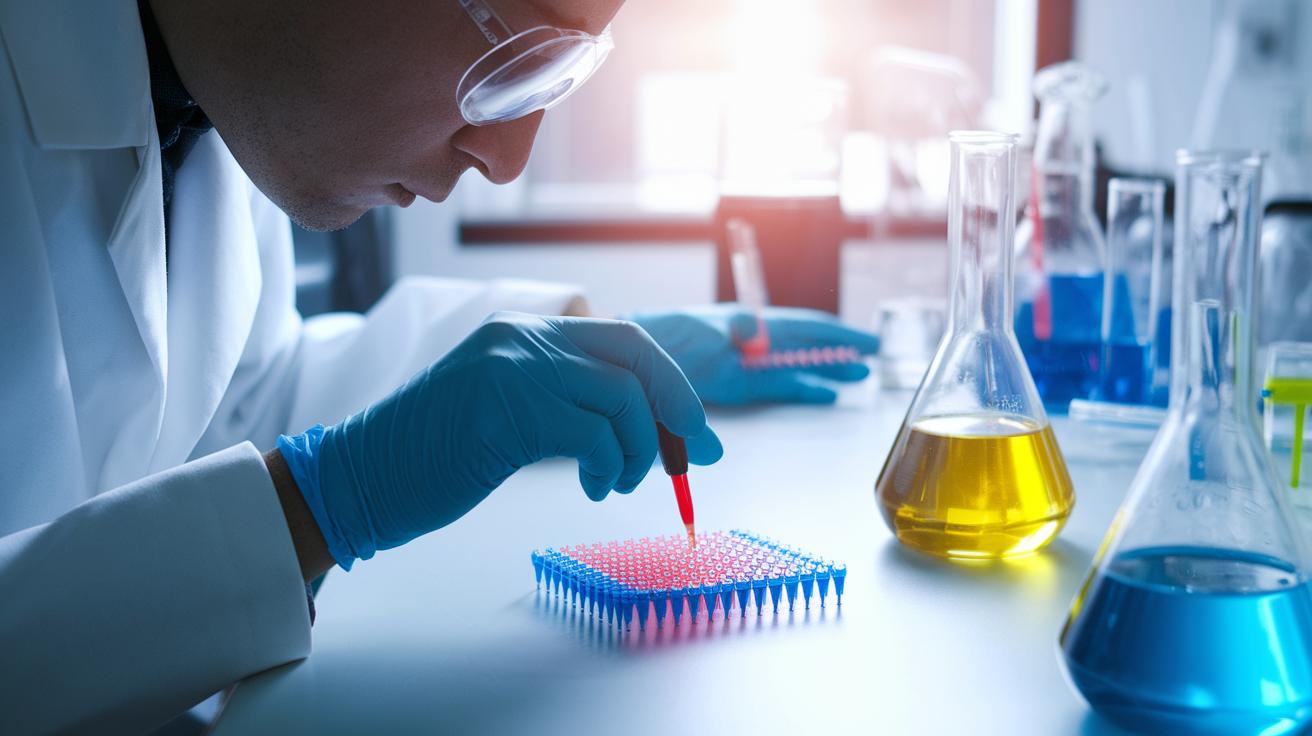
New lab models are reshaping how we develop therapies. Scientists are now using patient-derived organoids, tiny, lab-grown versions of real organs, and advanced microfluidic chips, which are small devices that mimic the way our bodies work. These tools give researchers a closer look at how treatments might work in real life. For example, one study using a microfluidic chip showed drug responses in a way that traditional methods couldn’t capture, imagine a small chip that almost perfectly predicts a patient’s reaction to a drug.

Model Type Primary Purpose
Organoids Tissue-specific assays
Microfluidic Chips Organ mimicry
Humanized Mice Immuno-oncology modeling
3D Bioprinted Constructs Tissue engineering
CRISPR Cell Lines Target validation

These innovative methods mix detailed lab tests with fast screening processes to give more reliable results. Using platforms that mimic human processes and precise screening techniques, researchers can quickly find promising drug candidates while reducing risks before trials in people. This smart approach shortens the gap between a breakthrough in the lab and its real-life benefits, ensuring safer and more efficient treatments for patients.

Translating Breakthrough Research via Clinical Trials and Regulatory Pathways

Choosing the right trial design is key to taking a discovery from the lab into human testing. Researchers pick their approach based on the treatment and the people who need it. They usually start with phase I studies, where they slowly increase the dose to check for safety and find the best amount to use. Then comes phase II, where they look to see if the treatment actually works. Designs like stepped-wedge, adaptive setups, and the classic phase I–III studies all help balance the need for new ideas with keeping patients safe. And if federal funding shifts or deadlines get tight, teams have to stay flexible and adjust their plans.

  1. FDA Fast-Track
  2. Breakthrough Therapy designation
  3. EMA Accelerated Assessment
  4. Post-Market Surveillance

Statistical endpoints play a big role in these trials. For example, Kaplan-Meier survival analysis is a clear way to show how patients fare over time, while meta-analyses gather results from many studies to paint a broader picture of safety and success. These measures help confirm that a treatment not only works but also remains safe under controlled conditions. This careful process makes sure that only the most promising and thoroughly understood therapies move forward to wider use.

Translating Breakthrough Research into Treatment Options: Real-World Case Studies

img-2.jpg

Breakthrough studies are quickly reshaping patient care, showing how discoveries in the lab become real treatments. Check out Examples of Translational Research to see innovative solutions moving from experiments to everyday use.

CAR T-Cell Therapy Translation

First, researchers target a specific marker on cancer cells to guide the immune system into action. They start with detailed lab tests before moving into phase II/III trials, where they look closely at patients' responses and improvements in survival.

Patients receiving CAR T-cell therapy often enjoy long-lasting remissions. These trial results not only confirm that the treatment is safe but also hint at a whole new way to tackle blood cancers.

Regenerative Medicine Breakthroughs

Meanwhile, regenerative medicine is making leaps, especially for conditions like spinal cord injuries. Scientists use stem cells to prove the concept in the lab before moving into first-in-human trials, carefully monitoring the early benefits.

Early trial results reveal real gains in function and mobility. By tracking recovery, researchers can fine-tune treatment protocols, building a solid base for broader clinical use.

Overall, both CAR T-cell therapy and regenerative medicine stand as clear examples of how thorough research and smart trial design can lead to real, life-changing healthcare improvements.

Addressing Challenges in Translating Breakthrough Research into Treatment Options

Turning discoveries in the lab into real treatments isn’t easy. Researchers often run into roadblocks that slow them down. For instance, finding enough participants for studies, especially when it comes to rare diseases, can be really tough. Studies that look back at past data also face their own limitations. And with red tape, budget cuts, and constant safety checks, the path to drug approval often takes longer than expected.

Key challenges include:

  • Finding participants for rare disease studies
  • Working with older, retrospective data
  • Dealing with funding cuts
  • Managing delays in the approval process
  • Ensuring ongoing safety monitoring

On the flip side, there are promising ways to overcome these hurdles. More flexible rules and stronger partnerships between public organizations and private companies can really make a difference. Streamlining approval steps and building tight connections between researchers and regulators can speed things up. Better, clearer communication among everyone involved means rapid adjustments can be made when new data comes in.

In short, by embracing adaptive regulations and patient-focused strategies, we can build more resilient and effective treatment pipelines.

Future Directions for Translating Breakthrough Research into Personalized Treatment Options

img-3.jpg

Reverse translation takes everyday patient data and turns it into insights that guide lab experiments. It helps scientists spot trends that might slip past traditional methods. This means lab tests can reflect real challenges and opportunities from the clinic, making research more connected to what people actually experience. Using patient insights from various settings gives researchers a clearer picture to fine-tune treatment targets and design more accurate therapies.

  • AI-powered target discovery
  • CRISPR-based therapeutics
  • Multi-omic patient profiling
  • Organ-on-chip drug screening
  • Adaptive trial designs

These emerging advancements are set to speed up breakthroughs by merging cutting-edge technology with teamwork. Think of it like building a puzzle: robust genomic profiling and flexible trial designs come together to shape personalized care. Researchers are tapping into AI to spot crucial biomarkers, while specialists adjust therapies based on each person’s unique genetics. With research ecosystems working hand-in-hand, patient groups are getting sorted more precisely, paving the way for treatments that truly fit individual health needs. This collaborative approach is bridging the gap between innovative discoveries and care that feels personal and effective.

Final Words

In the action, we explore how each phase moves promising lab discoveries into everyday care. The blog touched on preclinical models, trial designs, and real-case examples that demonstrate clear steps from science to therapy.

Every stage plays a role in translating breakthrough research into treatment options. Each step brings us closer to improved patient outcomes and a more reliable, accessible future for health and wellness.

FAQ

What is the valley of death in translational research?

The valley of death in translational research describes the difficult gap between early laboratory discoveries and their clinical application, highlighting the need for more effective strategies to move promising treatments into human testing.

How can I find reliable translational research articles using Google Scholar and PubMed?

Using Google Scholar and PubMed, you can access peer-reviewed, evidence-based articles that detail translational research findings, from basic discoveries to their clinical applications in improving population health management.

Why do 90% of clinical drug development efforts fail and how can the process be improved?

The high failure rate often reflects challenges in safety, efficacy, and reproducibility; improvements require refined preclinical models, robust early-phase trials, and better predictive methods to enhance success rates.

What is the translation gap between preclinical research and clinical applications?

The translation gap is the hurdle between promising preclinical findings and their successful implementation in clinical settings, often due to differences between laboratory models and human biology, necessitating more rigorous validation processes.

How can research findings be translated into clinical practice?

Research is translated into clinical practice by methodically validating lab discoveries through structured trials, refining dosing and efficacy studies, and integrating real-world patient data to develop accessible treatment options.

What are the three types of translational research?

The three types generally include T1 research, which moves lab discoveries to clinical trials; T2 research, which integrates clinical trial findings into practice; and T3 research, which focuses on population-level implementation.

What role does translational research play in advancing equitable access to health care?

Translational research bridges laboratory breakthroughs to patient care, ensuring that innovative treatments are not only safe and effective but also accessible across diverse populations, thereby promoting equity in healthcare.

Have you ever wondered how a new discovery turns into a treatment that can truly change lives?
It may seem magical, but it’s really a careful, step-by-step process. Scientists begin by exploring our cells to find the key targets, they’re searching for clues, like gathering puzzle pieces. Then, they test early treatments, each experiment slowly stacking up toward a promising breakthrough.

This article takes you on a journey through that careful lab work, showing how rapid yet thoughtful research eventually becomes the care you receive. We’ll dive into both the science behind each discovery and the real-world benefits when these treatments finally reach patients.

Translating Breakthrough Research into Treatment Options: Process Overview

Imagine a journey where breakthroughs in the lab turn into real treatments that help people. Translational research is the bridge that makes this happen, it takes discoveries from scientific studies and shapes them into therapies you can actually use. Think of it like putting together a puzzle: scientists first pinpoint a molecular target (a specific part of our cells), then explore how it works, and finally test it in early trials. For example, a new insight into how cells communicate might spark the design of a therapy that directly meets patient needs.

The whole idea is to take promising findings from the lab and quickly transform them into treatments that patients can benefit from. This process moves step by step, from discovering the target to getting the treatment approved by regulators. Each phase helps cut down delays and boosts how effective the treatment can be, making sure advanced therapies reach the people who need them the most.

We break down the process into clear steps:

  1. Target discovery
  2. Preclinical validation
  3. Bench-to-bedside conversion
  4. Phase I dosing
  5. Phase II efficacy
  6. Regulatory submission

Each step builds on the last, ensuring only the best, most promising innovations make it to the next phase. Later on, we’ll dive deeper into each stage, sharing both the scientific details and the real-life insights behind these evidence-based treatment breakthroughs.

Bench-to-Bedside Conversion in Preclinical Model Innovation

img-1.jpg

New lab models are reshaping how we develop therapies. Scientists are now using patient-derived organoids, tiny, lab-grown versions of real organs, and advanced microfluidic chips, which are small devices that mimic the way our bodies work. These tools give researchers a closer look at how treatments might work in real life. For example, one study using a microfluidic chip showed drug responses in a way that traditional methods couldn’t capture, imagine a small chip that almost perfectly predicts a patient’s reaction to a drug.

Model Type Primary Purpose
Organoids Tissue-specific assays
Microfluidic Chips Organ mimicry
Humanized Mice Immuno-oncology modeling
3D Bioprinted Constructs Tissue engineering
CRISPR Cell Lines Target validation

These innovative methods mix detailed lab tests with fast screening processes to give more reliable results. Using platforms that mimic human processes and precise screening techniques, researchers can quickly find promising drug candidates while reducing risks before trials in people. This smart approach shortens the gap between a breakthrough in the lab and its real-life benefits, ensuring safer and more efficient treatments for patients.

Translating Breakthrough Research via Clinical Trials and Regulatory Pathways

Choosing the right trial design is key to taking a discovery from the lab into human testing. Researchers pick their approach based on the treatment and the people who need it. They usually start with phase I studies, where they slowly increase the dose to check for safety and find the best amount to use. Then comes phase II, where they look to see if the treatment actually works. Designs like stepped-wedge, adaptive setups, and the classic phase I–III studies all help balance the need for new ideas with keeping patients safe. And if federal funding shifts or deadlines get tight, teams have to stay flexible and adjust their plans.

  1. FDA Fast-Track
  2. Breakthrough Therapy designation
  3. EMA Accelerated Assessment
  4. Post-Market Surveillance

Statistical endpoints play a big role in these trials. For example, Kaplan-Meier survival analysis is a clear way to show how patients fare over time, while meta-analyses gather results from many studies to paint a broader picture of safety and success. These measures help confirm that a treatment not only works but also remains safe under controlled conditions. This careful process makes sure that only the most promising and thoroughly understood therapies move forward to wider use.

Translating Breakthrough Research into Treatment Options: Real-World Case Studies

img-2.jpg

Breakthrough studies are quickly reshaping patient care, showing how discoveries in the lab become real treatments. Check out Examples of Translational Research to see innovative solutions moving from experiments to everyday use.

CAR T-Cell Therapy Translation

First, researchers target a specific marker on cancer cells to guide the immune system into action. They start with detailed lab tests before moving into phase II/III trials, where they look closely at patients' responses and improvements in survival.

Patients receiving CAR T-cell therapy often enjoy long-lasting remissions. These trial results not only confirm that the treatment is safe but also hint at a whole new way to tackle blood cancers.

Regenerative Medicine Breakthroughs

Meanwhile, regenerative medicine is making leaps, especially for conditions like spinal cord injuries. Scientists use stem cells to prove the concept in the lab before moving into first-in-human trials, carefully monitoring the early benefits.

Early trial results reveal real gains in function and mobility. By tracking recovery, researchers can fine-tune treatment protocols, building a solid base for broader clinical use.

Overall, both CAR T-cell therapy and regenerative medicine stand as clear examples of how thorough research and smart trial design can lead to real, life-changing healthcare improvements.

Addressing Challenges in Translating Breakthrough Research into Treatment Options

Turning discoveries in the lab into real treatments isn’t easy. Researchers often run into roadblocks that slow them down. For instance, finding enough participants for studies, especially when it comes to rare diseases, can be really tough. Studies that look back at past data also face their own limitations. And with red tape, budget cuts, and constant safety checks, the path to drug approval often takes longer than expected.

Key challenges include:

  • Finding participants for rare disease studies
  • Working with older, retrospective data
  • Dealing with funding cuts
  • Managing delays in the approval process
  • Ensuring ongoing safety monitoring

On the flip side, there are promising ways to overcome these hurdles. More flexible rules and stronger partnerships between public organizations and private companies can really make a difference. Streamlining approval steps and building tight connections between researchers and regulators can speed things up. Better, clearer communication among everyone involved means rapid adjustments can be made when new data comes in.

In short, by embracing adaptive regulations and patient-focused strategies, we can build more resilient and effective treatment pipelines.

Future Directions for Translating Breakthrough Research into Personalized Treatment Options

img-3.jpg

Reverse translation takes everyday patient data and turns it into insights that guide lab experiments. It helps scientists spot trends that might slip past traditional methods. This means lab tests can reflect real challenges and opportunities from the clinic, making research more connected to what people actually experience. Using patient insights from various settings gives researchers a clearer picture to fine-tune treatment targets and design more accurate therapies.

  • AI-powered target discovery
  • CRISPR-based therapeutics
  • Multi-omic patient profiling
  • Organ-on-chip drug screening
  • Adaptive trial designs

These emerging advancements are set to speed up breakthroughs by merging cutting-edge technology with teamwork. Think of it like building a puzzle: robust genomic profiling and flexible trial designs come together to shape personalized care. Researchers are tapping into AI to spot crucial biomarkers, while specialists adjust therapies based on each person’s unique genetics. With research ecosystems working hand-in-hand, patient groups are getting sorted more precisely, paving the way for treatments that truly fit individual health needs. This collaborative approach is bridging the gap between innovative discoveries and care that feels personal and effective.

Final Words

In the action, we explore how each phase moves promising lab discoveries into everyday care. The blog touched on preclinical models, trial designs, and real-case examples that demonstrate clear steps from science to therapy.

Every stage plays a role in translating breakthrough research into treatment options. Each step brings us closer to improved patient outcomes and a more reliable, accessible future for health and wellness.

FAQ

What is the valley of death in translational research?

The valley of death in translational research describes the difficult gap between early laboratory discoveries and their clinical application, highlighting the need for more effective strategies to move promising treatments into human testing.

How can I find reliable translational research articles using Google Scholar and PubMed?

Using Google Scholar and PubMed, you can access peer-reviewed, evidence-based articles that detail translational research findings, from basic discoveries to their clinical applications in improving population health management.

Why do 90% of clinical drug development efforts fail and how can the process be improved?

The high failure rate often reflects challenges in safety, efficacy, and reproducibility; improvements require refined preclinical models, robust early-phase trials, and better predictive methods to enhance success rates.

What is the translation gap between preclinical research and clinical applications?

The translation gap is the hurdle between promising preclinical findings and their successful implementation in clinical settings, often due to differences between laboratory models and human biology, necessitating more rigorous validation processes.

How can research findings be translated into clinical practice?

Research is translated into clinical practice by methodically validating lab discoveries through structured trials, refining dosing and efficacy studies, and integrating real-world patient data to develop accessible treatment options.

What are the three types of translational research?

The three types generally include T1 research, which moves lab discoveries to clinical trials; T2 research, which integrates clinical trial findings into practice; and T3 research, which focuses on population-level implementation.

What role does translational research play in advancing equitable access to health care?

Translational research bridges laboratory breakthroughs to patient care, ensuring that innovative treatments are not only safe and effective but also accessible across diverse populations, thereby promoting equity in healthcare.

More from author

LEAVE A REPLY

Please enter your comment!
Please enter your name here

Related posts

Advertismentspot_img

Latest posts

How To Create A Daily Wellness Routine: Thriving

Curious about how to create a daily wellness routine that transforms your mornings and days? Read on as secrets await…

2 Daily Wellness Drink Tips For Radiance

Experience a daily wellness drink with natural herbs, green ingredients, and clinical backing that might change your routine forever, stay tuned.

Daily Wellness: Elevate Your Everyday Vitality

Daily wellness transforms everyday routines into mindful adjustments, merging nutrition, movement, and restorative sleep. What unforeseen practice awaits you next?

Want to stay up to date with the latest news?

We would love to hear from you! Please fill in your details and we will stay in touch. It's that simple!