Have you ever wondered how the food you choose today might shape your baby’s future?
Imagine enjoying a meal that boosts your energy and nourishes both you and your little one.
This guide explains how crisp greens, hearty beans, and protein-rich eggs can help fuel your body at every stage of pregnancy.
We’ll walk you through simple, everyday food choices that work to keep you strong and support your baby’s healthy growth.
Have you ever noticed that a small change in your meal can make a big difference?
Read on, and you might find a fresh perspective on what’s on your plate during this special time.
Nutrient Dense Foods for Pregnancy: Radiant Wellness Benefits
Eating a varied, whole-food diet is a great way to support both your health and your baby’s growth. Fresh greens like spinach, romaine lettuce, Brussels sprouts, and broccoli are loaded with essential nutrients such as folate (which helps form new cells), calcium, iron, and fiber. Imagine a crisp romaine salad sprinkled with your favorite seeds, it's an easy, tasty way to boost your vitamins during pregnancy.
Legumes like chickpeas, soybeans, peas, beans, and peanuts are also key players. They provide protein and iron, helping you work toward that daily iron target of around 27 milligrams. Picture a warm bean stew or a colorful chickpea salad that not only delights your taste buds but also fuels your body with important nutrients.
Eggs deserve a special shout-out too. Each egg offers about 147 milligrams of choline, which is vital for your baby’s brain development. Pair an egg-based dish like a fluffy omelet with lean proteins such as grilled chicken or salmon, and you’ve got a meal that keeps your muscles strong and your body nourished.
Don’t forget low-fat dairy, including milk, cheese, or yogurt, which deliver roughly 1,000 milligrams of calcium to support growing bones. And when it comes to seafood, opt for low-mercury varieties like salmon and sardines that bring omega-3 fatty acids, protein, and iron to your plate. It’s best to steer clear of high-mercury fish like swordfish, shark, and mackerel to keep your pregnancy as safe as it is healthful.
Nutrient Priorities by Trimester for Expecting Mothers
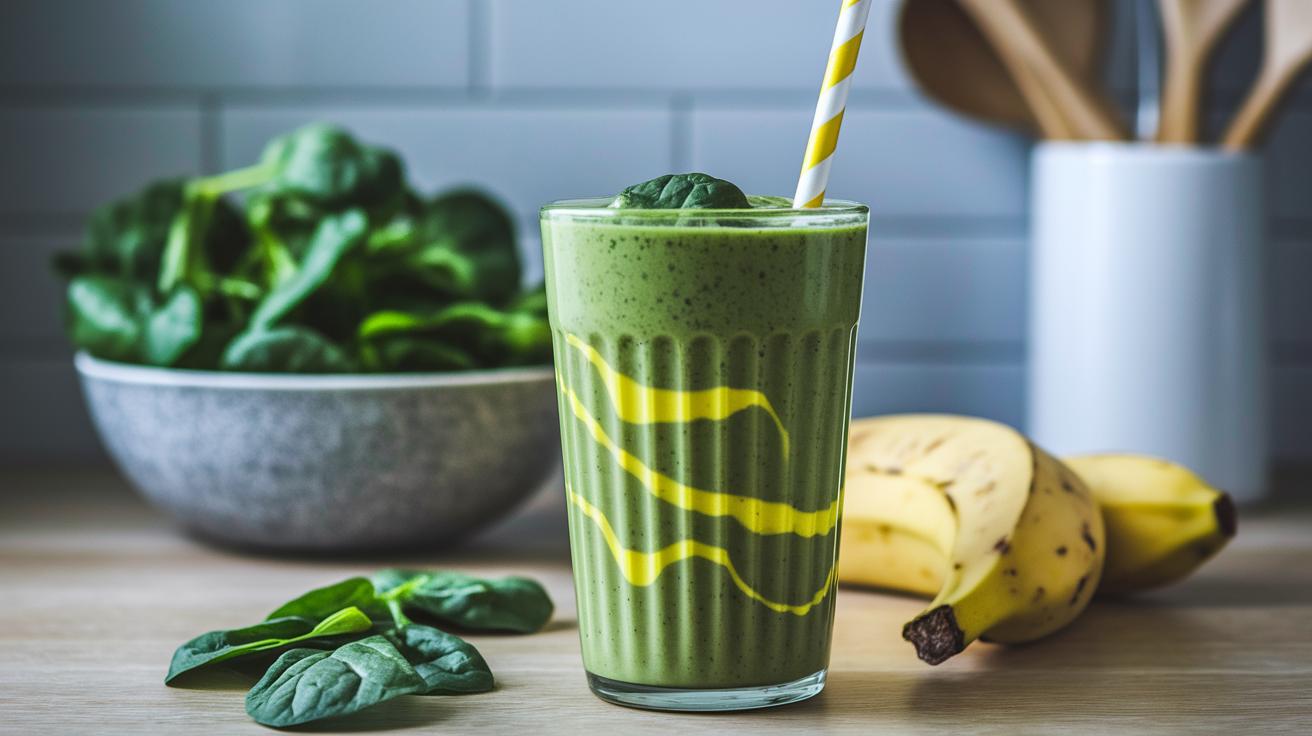
Early on, it’s all about folate to help kickstart new cell growth. You can easily get this from leafy greens like spinach or Brussels sprouts, toss them into a light salad or blend them in a smoothie. Picture starting your morning with a refreshing spinach and banana smoothie for a bright, nutrient-packed boost.
Mid-pregnancy brings a shift towards protein. Aim for roughly 8 ounces of lean meat or a similar protein source each day. Legumes like chickpeas or lentils not only pack protein but also bring about 27 mg of iron to help your body adjust to a larger blood volume. A warm bean stew or a lean chicken dish with a side of quinoa can be both filling and perfectly timed for your growing needs.
As you near the later stage, building strong bones takes center stage. Focus on getting around 1,000 mg of calcium from options like low-fat dairy or additional leafy greens to support bone health. Omega-3 fatty acids from low-mercury fish, such as salmon or sardines, become essential for your baby’s developing brain and eyes, while eggs continue to offer a handy dose of choline. Each trimester brings its own set of nutritional goals, and these thoughtful changes work together to nurture both your health and your baby’s growth.
Maximizing Iron, Calcium, and Folate in the Prenatal Diet
Try to get around 27 mg of iron each day from foods like beans, lean red meat, and fortified cereal. Pair these with a vitamin C boost from fruits such as berries to help your body absorb the iron better. For example, a bowl of your favorite cereal with fresh strawberry slices works wonders.
Aim for about 1,000 mg of calcium daily by including low-fat dairy and leafy greens like kale and spinach. Spinach is a real two-for-one deal because it also adds folate, a key nutrient for building new cells. Adding Brussels sprouts or beans can further help keep your folate levels in check.
A simple meal might include a fresh spinach salad, a side of berries, and a small portion of lean red meat. This combination gives you a balanced mix of iron, folate, and calcium. And a little tip: steer clear of tea or coffee during meals since they might block your body from absorbing these minerals properly.
| Nutrient | Daily Target | Primary Food Sources |
|---|---|---|
| Iron | 27 mg | Legumes, lean red meat, fortified cereal; enjoy with vitamin C-rich berries |
| Calcium | 1,000 mg | Low-fat dairy, leafy greens like kale and spinach |
| Folate | As needed from food | Spinach, Brussels sprouts, beans |
Building Balanced Prenatal Meals with Whole Grains and Healthy Fats
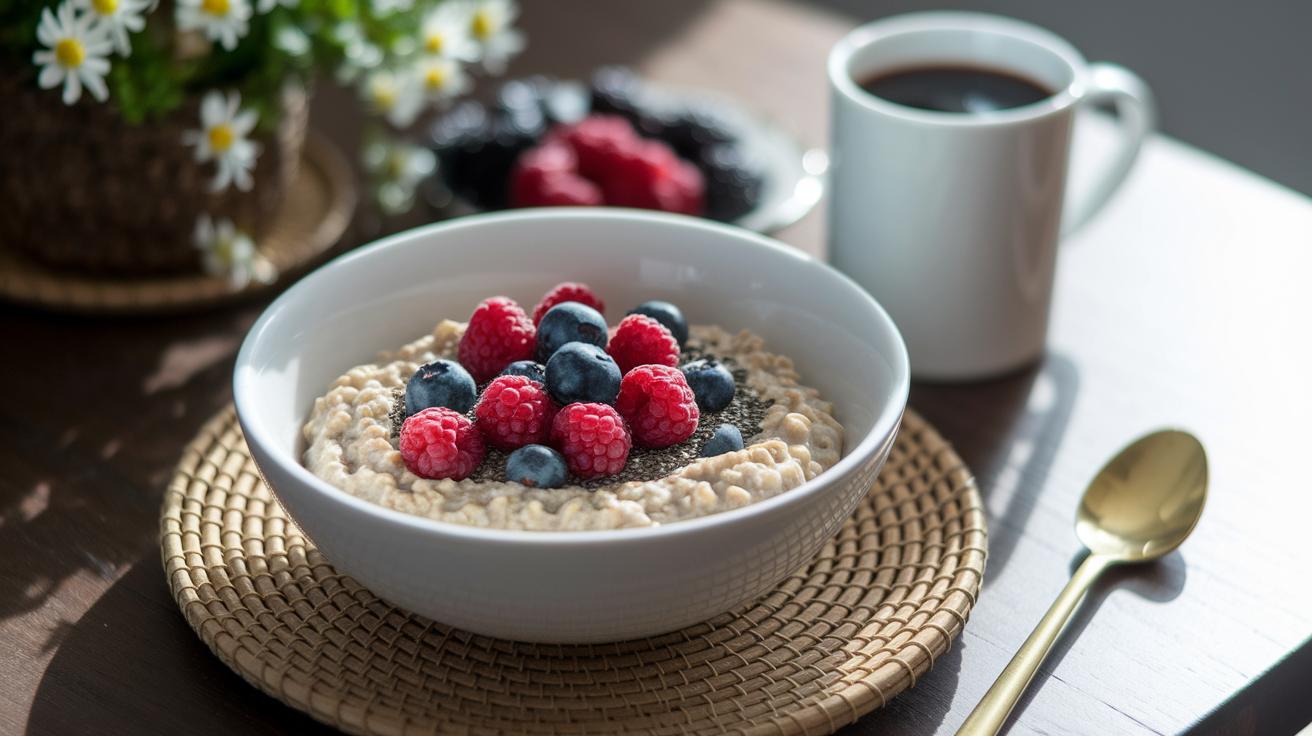
Begin by choosing whole grains such as oats, quinoa, or brown rice. They deliver fiber and B vitamins, nutrients that help keep your energy up and your digestion smooth. Picture a cozy bowl of oatmeal topped with juicy berries and a sprinkle of chia seeds; the berries burst with antioxidants while the seeds add a gentle twist of healthy fats.
Then, bring in healthy fats from favorites like avocado and low-mercury fish. Imagine a plate featuring grilled salmon paired with a softly roasted sweet potato. Salmon is loaded with omega-3 fatty acids, which support your baby’s brain and eye development, and that sweet potato offers beta-carotene, vital for maintaining vibrant health. Creamy avocado, whether tossed into a salad or blended into a smoothie, not only enriches the texture but also provides essential monounsaturated fats.
Remember to include seasonal fruits and veggies. Try a quinoa-spinach salad bursting with color: mix fresh spinach with hearty quinoa, toss in a handful of berries for an extra antioxidant boost, then finish with a light drizzle of olive oil. Or opt for a chickpea and broccoli stir-fry, where the legumes and cruciferous veggies combine to give you lean protein and a spectrum of vital nutrients.
Finally, experiment with combining whole grains, vibrant plant-based veggies, and quality proteins into a single, satisfying plate. Imagine grilled salmon alongside sweet potato and a crisp green salad crowned with avocado slices. These creative meal ideas show that balanced, prenatal eating can be both flexible and wonderfully delicious, meeting your cravings while supporting every step of your wellness journey.
Safe Food Practices and Meal Planning for Pregnancy
When you’re expecting, planning your meals with safety in mind can make a big difference. It’s a good idea to enjoy low-mercury fish in moderation, up to 12 ounces each week, and steer clear of raw or undercooked meats to protect both you and your baby. A thorough wash for your fruits and veggies goes a long way in cutting down the risk of foodborne illness, especially when you consider that your body is working overtime with increased blood volume. Keeping caffeine intake under 200 mg a day helps keep your energy steady without overloading you.
One simple approach is to stick with three meals and two snacks a day. This steady routine not only helps maintain balanced energy levels but also ensures you’re getting a constant stream of essential nutrients during pregnancy. On hectic days, batch cooking legumes or freezing pre-prepared smoothie packs can be lifesavers when you need a quick, healthy option.
And don’t forget about hydration, staying well-watered is just as important as planning your meals. For example, pairing eggs (rich in choline, which supports your baby’s brain development) with a mix of vegetables offers a satisfying, well-rounded meal.
- Limit low-mercury fish to 12 ounces per week
- Avoid raw or undercooked meats
- Wash produce carefully
- Keep caffeine under 200 mg daily
- Structure three meals and two snacks
- Batch cook legumes and freeze smoothie packs
Quick Nutrient Dense Snack and Smoothie Options for Expecting Moms
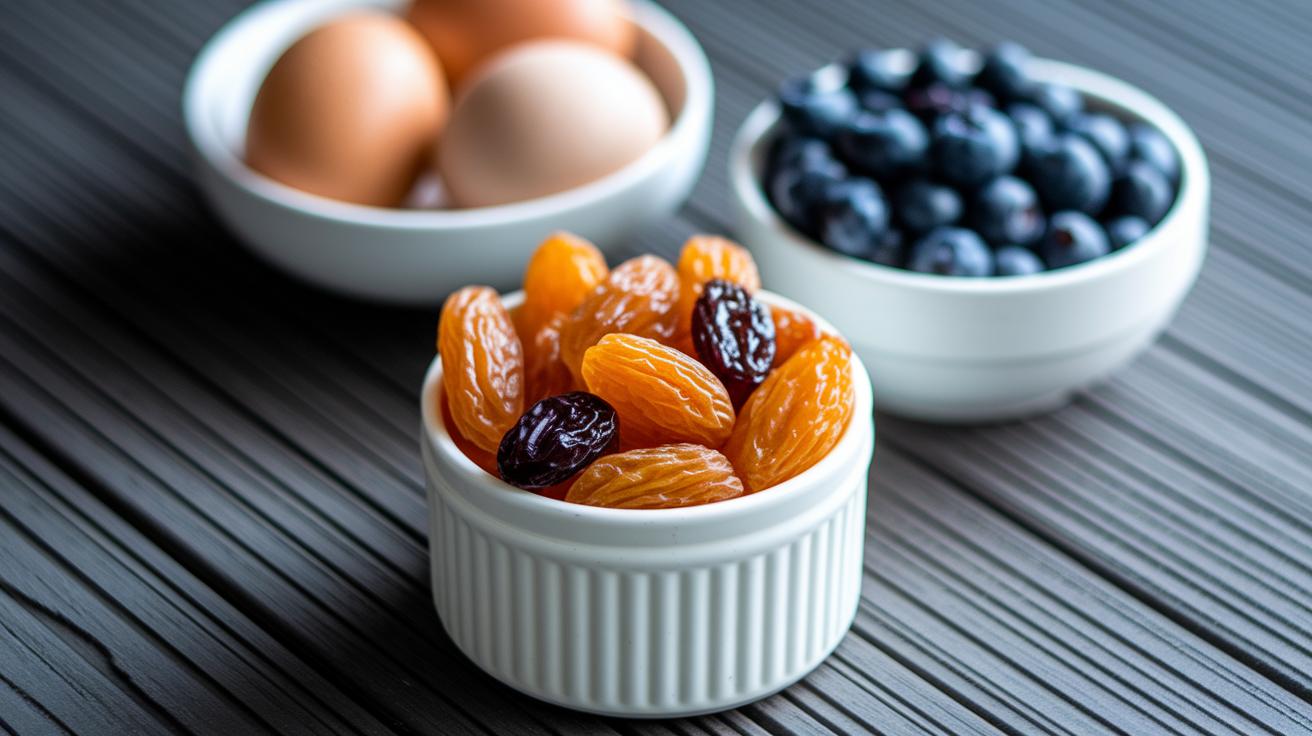
When you're on the move, you need snacks that are as ready as you are. Imagine a small container filled with dried apricots or raisins. These little treats burst with vitamins and minerals, giving you that quick pick-me-up. They go perfectly with a handful of berries, which are full of vitamin C, fiber, and hydration, you know, that satisfying pop of flavor when you bite into a fresh blueberry.
Hard-boiled eggs also make a great grab-and-go snack. One egg brings along about 147 mg of choline to help support your baby’s brain development. And if you want a bit of variety, try pairing your egg with low-fat yogurt. This combo offers a good dose of calcium and protein, keeping you fueled throughout your busy day.
Smoothies can be your best friend too. Blend some leafy greens, a ripe banana, and a splash of milk to create a drink loaded with folate, calcium, and potassium, all in one cup. It’s like having a mini meal that’s both tasty and packed with nutrients. And here’s a fun fact to keep in mind: a quick smoothie can be your secret weapon, a burst of green goodness that powers you through a hectic afternoon.
Another nifty option is hummus made from chickpeas, served with crunchy veggie sticks. Every scoop gives you a hit of protein and iron, making snack time both satisfying and nourishing.
Final Words
In the action, this article tackled essential topics to build a balanced prenatal diet, from whole-food meal ideas to smart snack options. It discussed key ingredients like leafy greens, lean meats, and low-fat dairy, with adjustments for each trimester and tips for meeting iron, calcium, and folate needs. The guide also delivered practical meal planning tips and safe food practices. Embrace nutrient dense foods for pregnancy and feel confident in making everyday choices that support both your well-being and your baby’s health.
FAQ
What should a 1 to 3 month pregnancy diet chart include?
The 1 to 3 month pregnancy diet chart focuses on folate-rich leafy greens for cell formation, lean proteins, and whole grains for steady energy, setting a strong nutritional foundation.
Which nutrient dense foods are ideal for pregnancy across trimesters?
The nutrient dense foods for pregnancy across trimesters include leafy greens for folate, eggs and lean meats for protein, low-fat dairy for calcium, and low-mercury seafood for omega-3, addressing both maternal and fetal needs.
What foods should be avoided during pregnancy?
The pregnancy food to avoid includes raw or undercooked meats, high-mercury seafood like swordfish, and highly processed items to maintain food safety and optimal nutrient intake for both mom and baby.
Why is nutrition important during pregnancy?
The importance of nutrition during pregnancy lies in providing essential nutrients like iron, calcium, and folate that support fetal development, maintain maternal health, and promote overall well-being throughout gestation.
What are high nutrition foods for pregnancy that strengthen the fetus?
The high nutrition foods for pregnancy that strengthen the fetus include legumes, lean meats, eggs, and low-fat dairy, each offering key vitamins and minerals that support healthy fetal growth and maternal energy.
What is considered healthy weight gain and a good first food for pregnant women in the morning?
The healthy weight gain during pregnancy is managed through balanced meals and snacks, while a nutrient-rich breakfast like whole grains with fruit kick-starts the day with sustained energy and vital nutrients.
What nutrient guidelines does the NHS recommend for pregnancy?
The nutrient dense foods for pregnancy according to NHS guidelines focus on a balanced diet with whole grains, leafy greens, lean proteins, and low-fat dairy to meet the essential daily nutrient targets for expecting mothers.
What should you eat during pregnancy to support a beautiful baby?
What to eat during pregnancy to support a beautiful baby involves a variety of nutrient dense foods—leafy greens, fruits, lean proteins, and healthy fats—that promote both fetal development and maternal health.