Have you ever wondered which foods really fuel your body? Imagine a friendly chart that highlights the true benefits of everyday foods in a simple, clear way.
This guide puts common choices like collard greens, kale, and even salmon side by side. For example, salmon gives you healthy fats that help your heart, while kale and collard greens pack in vitamins with very few calories.
It’s a quick, easy tool that can steer you toward better decisions and a healthier life. Give it a try, you might just see your plate in a whole new light.
Visual Guide to Nutrient Density Across Common Foods
Below is a straightforward comparison of 10 common foods, showing their nutrient density in two ways: per 100 calories (ANDI Score) and per serving (Nutrient IQ Score). We even added the ONI vs DRI Ratio so you can see which foods pack the most nutritional punch, whether you’re watching calories or enjoying a typical serving.
For example, collard greens score highest when measuring nutrients per calorie, providing a robust nutritional boost that can help keep you feeling full. Color-coded cues based on Satiety Index Scores add an extra layer of insight, making it easier to understand how these nutrient-dense choices may support calorie control. If you’re curious to learn more, take a look at the Nutritional Strategies for Weight Management.
| Food Item | ANDI Score (per 100 kcal) | Nutrient IQ Score (per serving) | ONI vs DRI Ratio |
|---|---|---|---|
| Collard Greens | 150 | 90 | 1.20 |
| Kale | 140 | 85 | 1.15 |
| Salmon | 100 | 80 | 1.10 |
| Organ Meats | 130 | 88 | 1.25 |
| Berries | 120 | 75 | 1.00 |
| Beans | 110 | 70 | 1.05 |
| Nuts | 90 | 95 | 1.20 |
| Beef Steak | 80 | 60 | 1.30 |
| Spinach | 145 | 82 | 1.18 |
| Broccoli | 135 | 76 | 1.12 |
This grid acts as a quick guide to balancing calorie intake with nutritional benefits, helping you make smart, satisfying food choices every day.
Analyzing Nutrient Density: ANDI vs. Nutrient IQ
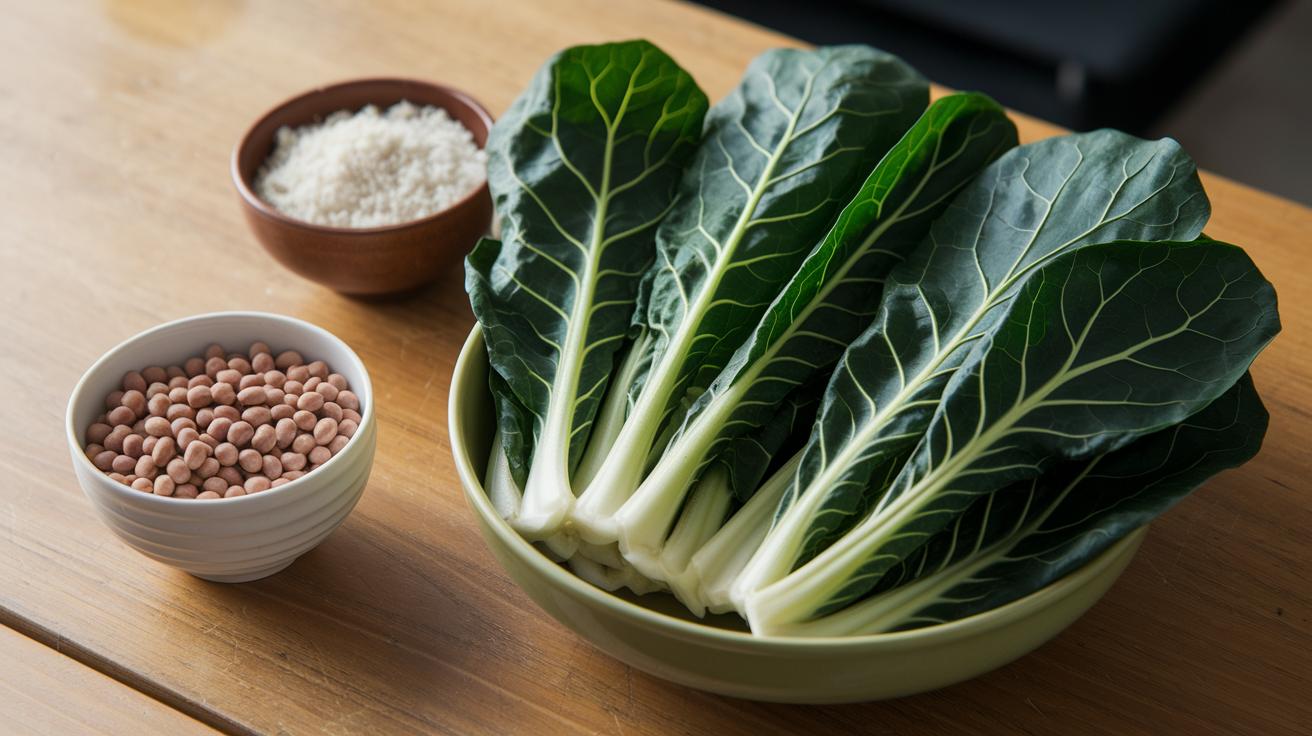
Foods loaded with essential micronutrients boost your immune system, help your body detox, and support cell repair. Two scoring methods bring this idea to life. One, known as ANDI, checks out foods based on equal-calorie portions, while Nutrient IQ scores them using everyday serving sizes. Both are here to help you pick meals that pack the most nutritional punch.
ANDI Score Methodology
The ANDI system looks at what you get in a 100-calorie serving. It counts important nutrients like fiber, calcium, and iron, as well as vitamins A, C, and D. Plus, it includes plant compounds like phytosterols and glucosinolates and uses ORAC values to measure antioxidant strength, a way to see how well a food fights free radicals. After crunching the numbers, foods are given a score and sorted into color-coded groups. Imagine collard greens lighting up a bright score tier with loads of nutrients packed into just 100 calories. This clear, calorie-based metric makes it simple to spot foods that give you extra value for every bite.
Nutrient IQ Calculation
On the flip side, Nutrient IQ scores foods based on the portions you typically eat. Each serving adds nutritional points throughout your day, giving you a real-time glimpse into your overall diet quality. This method embraces everyday eating habits, rewarding foods for the benefits they bring when eaten in standard amounts. Think about a small bowl of beans, while it might not top the charts on a per-calorie basis, its contribution to your daily nutrient score makes it a smart choice. Both scoring systems mix scientific insight with practical advice, so you can fine-tune your diet in a way that fits right into your life.
Interpreting Nutrient Density Metrics: Per Calorie vs. Per Serving
The per-calorie approach shows you how many nutrients you get for every 100 calories. It’s a smart way to check the balance between energy and nutrition without fretting over exact portions. Think about a leafy green salad that packs a ton of micronutrients in just a few calories, it really proves how efficient this method can be for fueling your body.
On the flip side, the per-serving metric looks closely at typical portion sizes, making it easier to plan real meals. This method is all about sticking to your daily nutrient goals while helping you feel full. Imagine having a bowl of soup measured out by serving, it’s a practical way to match your eating habits to healthy guidelines.
| Metric | Benefit |
|---|---|
| Per Calorie | Focuses on getting the most nutrients out of every 100 calories consumed |
| Per Serving | Matches usual portion sizes for clear meal planning and following nutritional guidelines |
Together, these methods cover different angles of nutrition, one makes sure you maximize the nutrient value of your calories while the other keeps your meals realistic and balanced.
Popular Nutrient Density Indices Compared
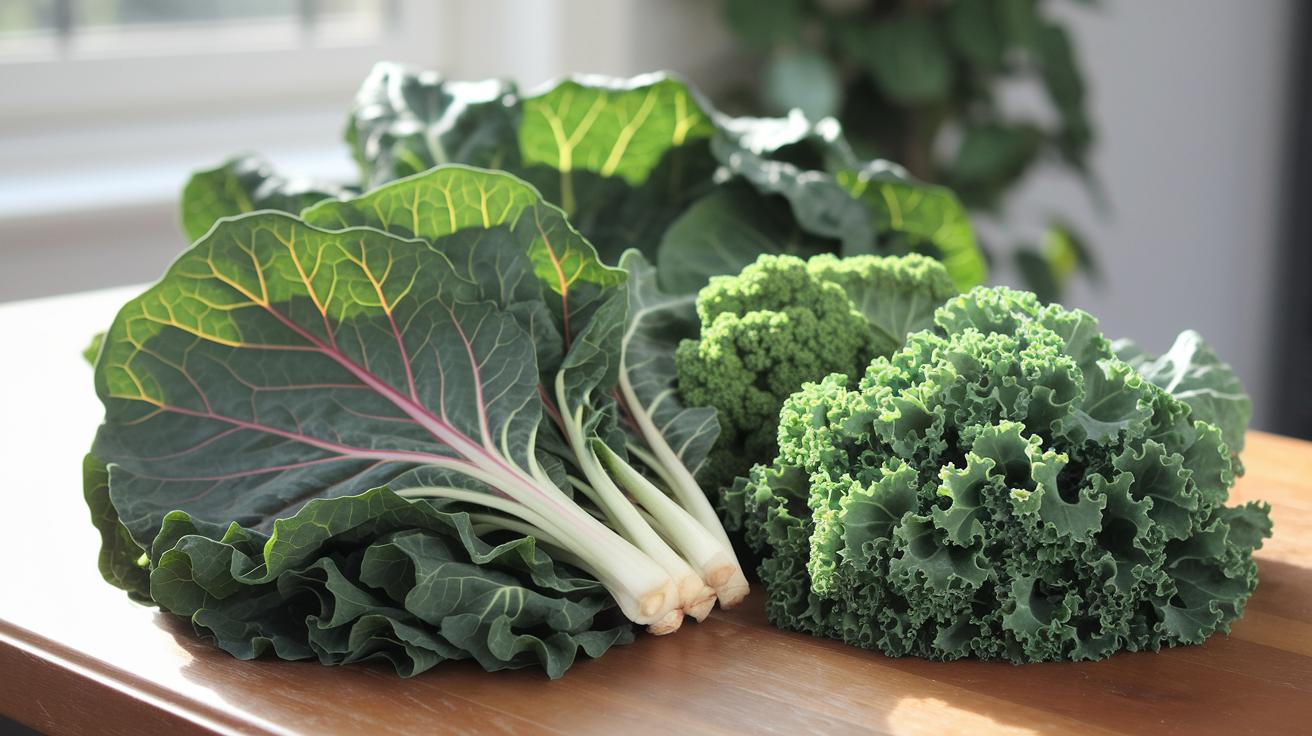
Dr. Fuhrman’s ANDI system looks at foods by comparing equal-calorie portions full of micronutrients and antioxidants. It gives top marks to things like collard greens and kale because of their fiber, vitamins, and special plant compounds. Imagine every bite feeling like a little secret boost from nature.
On the other hand, the Nutrivore Score checks both the micronutrient content and the serving sizes that fit into our everyday meals. This way, it’s made for real-life eating habits, meaning it can flexibly track your diet over time.
Next up, the Tufts Food Compass goes beyond just tallying nutrients. It considers a variety of factors, from the benefits of vitamins and minerals to how efficiently foods pack their nutrition punch. Health experts and public health professionals often use it to guide overall diet plans.
Then there’s the USDA Healthy Eating Index, which lines up food choices with trusted dietary guidelines. It compares what you eat against recommended nutrient goals, making it a great tool when you need clear targets for daily nutritional needs.
Consider these points when checking out each tool:
- Each index uses its own way of weighing nutrients.
- Their purposes range from helping you track your personal diet to supporting large-scale public health studies.
- Remember that nutrients like omega-3, vitamin A, iron, or calcium can be absorbed differently whether they come from plant or animal sources.
In short, no single index is perfect for every use. The right choice depends on whether you’re fine-tuning your daily meals or looking at broader nutrition research.
Optimizing Meal Planning with Nutrient Density Insights
When planning your meals, using nutrient density data lets you enjoy a variety of essential vitamins and minerals without the hassle of tedious tracking. A great example is the NutriBooster Starter Pack. It offers over 1,400 recipes organized into groups like Animal, Seafood, Plants, and key nutrients such as Minerals, Vitamins & Omega-3, and Amino Acids. These recipes not only boost your daily nutrient intake but also keep your meals exciting and full of flavor.
A simple tip is to focus on whole plant foods, think green leafy and cruciferous vegetables, hearty beans, juicy fruits, colorful berries, and crunchy seeds. These choices naturally deliver high amounts of nutrients, fiber, and antioxidants. Plus, balancing them with quality proteins and nutrient-rich fats helps sustain steady energy and overall health.
You might also consider using a tool like the Micros Masterclass. It’s a handy way to spot any micronutrient gaps in your diet and adjust your weekly meal plan based on personalized insights. This makes nutrition not only straightforward but also genuinely enjoyable. For a detailed, step-by-step guide to meal organization, check out the Meal Planning Nutritional Strategies link.
Mixing these strategies into your meal planning is a winning approach toward a balanced diet that maximizes nutrient intake and supports your long-term well-being.
Final Words
In the action, our discussion showcased a clear visual guide featuring the nutrient density chart, highlighting top food items by ANDI and Nutrient IQ scores. We explored per-calorie and per-serving metrics, compared popular nutrient indices, and shared tips for integrating research-backed insights into everyday meal planning.
This content brings research to life, offering practical ways to boost your overall wellness. Embrace these insights, and enjoy making everyday eating a nourishing experience.
FAQ
Nutrient density chart PDF
The nutrient density chart PDF serves as a handy reference that ranks foods by their nutrient content per calorie or serving, making it useful for quickly comparing food quality.
The Nutrient Density chart free download
The free download of the nutrient density chart provides immediate access to a guide that ranks foods based on nutrient content, assisting you in making smart, healthful food choices.
The nutrient Density chart pdf Reddit
The nutrient density chart PDF shared on Reddit is a community-endorsed resource that offers insights into the nutritional value of foods, with feedback enhancing its practical dietary applications.
Nutrient density chart Reddit
The nutrient density chart discussion on Reddit features user experiences and modifications, helping refine the guide and offering practical examples on how to integrate these insights into everyday diet planning.
Vegetable nutrient density chart
The vegetable nutrient density chart focuses on comparing vegetables by their levels of vitamins, minerals, and antioxidants, making it easier to identify produce choices that boost overall nutrient intake.
Nutrient density list
The nutrient density list is a curated collection that ranks foods by their nutritional value per calorie or serving, serving as a quick reference to help optimize your diet with nutrient-rich options.
Nutrient density score
The nutrient density score quantifies how many nutrients a food provides relative to its calorie content, allowing you to choose foods that deliver optimal nutrition without excess calories.
ANDI food scoring Guide pdf
The ANDI food scoring guide PDF explains the Aggregate Nutrient Density Index, which ranks foods based on micronutrient content in a 100-calorie serving, helping guide healthier food selections.
Which food is highest in nutrient density?
When measured per calorie, collard greens typically rank as the highest in nutrient density, as they provide an exceptionally high level of vitamins and minerals in each serving.
What is the Dr Fuhrman’s nutrient density score?
Dr. Fuhrman’s nutrient density score evaluates foods based on the concentration of vitamins, minerals, and antioxidants relative to their calories, guiding the selection of foods that best support overall health.
How do you calculate nutrient density?
Calculating nutrient density involves dividing the nutrient content of a food by its calorie count, yielding a ratio that indicates how efficiently a food provides essential nutrients.
What foods are considered low in nutrient density?
Foods considered low in nutrient density often include high-calorie items with limited vitamins and minerals, such as sugary snacks and refined grains, which may not contribute effectively to a balanced diet.