What Is The Most Nutrient Dense Food: Optimal

Have you ever wondered which food really packs the most nutrition? Imagine biting into something that fills you with vitamins, minerals, and antioxidants, all in one go. That food is kale. This leafy green is full of vitamin A (great for your eyes), vitamin C (helps your body heal), and vitamin K (supports strong bones). It also brings a good dose of manganese and antioxidants that help keep you feeling your best. Kale shows us that healthy eating can be both tasty and practical. Could this vibrant green superfood be the secret to a healthier diet for you?

Kale: Identified as the Most Nutrient Dense Food

Nutrient density is all about how many essential vitamins and minerals you get from the calories you eat. Plant foods really shine here since they’re loaded with the good stuff without piling on the calories. When you choose foods that pack a nutritional punch, you’re giving your body exactly what it needs.

Kale earns top marks among nutrient-packed foods. Think about it: spinach is great for your eyes with nutrients like lutein, and broccoli brings detox-friendly compounds like glucosinolates to the table. But kale? It goes further by offering a powerhouse of antioxidants that help manage cholesterol and a balanced range of vitamins and minerals that even almonds, known for their vitamin E, can’t match.

  • Vitamin A
  • Vitamin C
  • Vitamin K
  • Manganese
  • Antioxidants

Kale is also wonderfully versatile in the kitchen. Whether you toss it raw into a salad, blend it into a vibrant smoothie, or give it a quick cook to lock in its nutrients, it fits naturally into any meal plan. It doesn’t just top the superfood charts, it makes healthy eating simple and delicious.

How Nutrient Density Is Measured and Defined
img-1.jpg

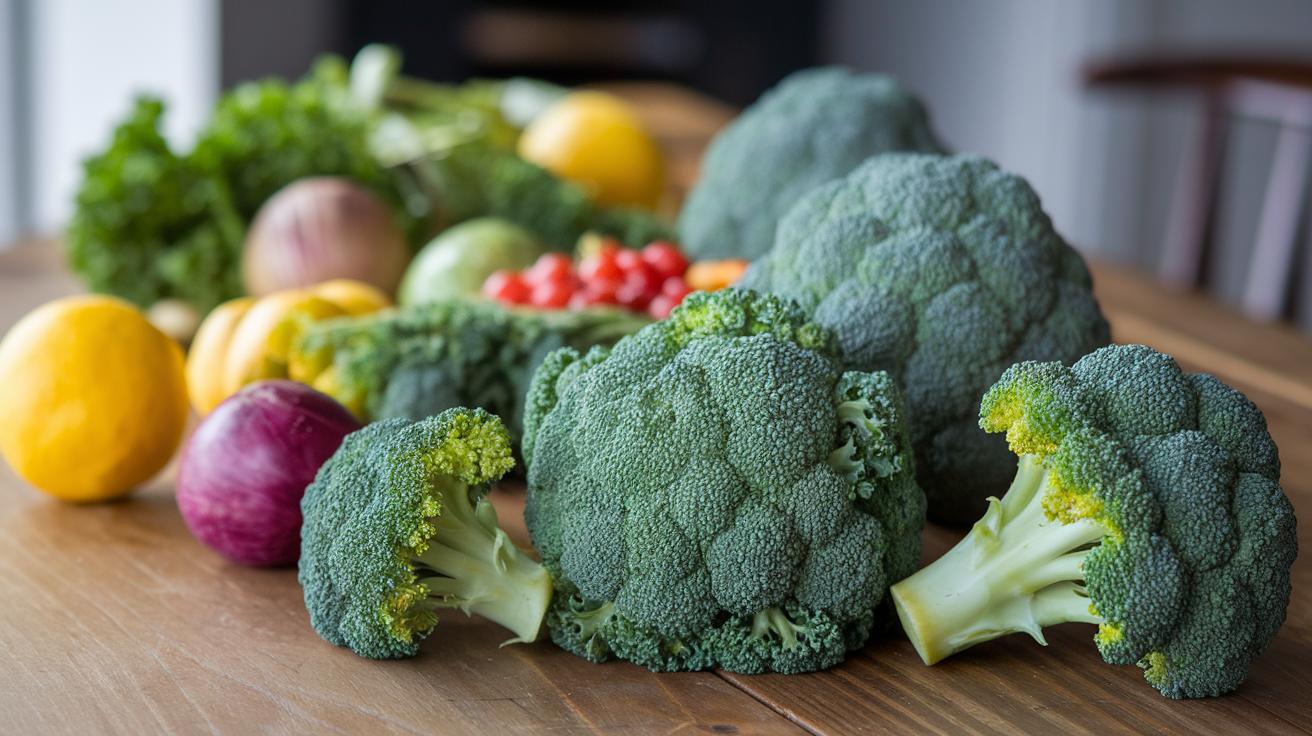
Nutrient density is a way to see how many vitamins, minerals, and antioxidants you get for each calorie you eat. It ranks foods based on their micronutrient content, so even a small bite can pack a nutritional punch. Imagine scoring a meal as if it had a report card on how healthy it is, that’s the idea behind nutrient density.

Experts often use scoring systems like the ANDI index to judge this quality. These systems look at things like the food’s antioxidant power and its vitamin and mineral amounts. For example, when using ORAC values (a measure of antioxidant capacity), kale often scores higher than many other greens. Fun fact: Kale’s ANDI index score is so impressive that it can compete with some fruits, showing that leafy greens are just as effective.

However, these scoring systems aren’t perfect. They measure individual nutrients well but might not show how easily your body absorbs them or how nutrients work together in whole foods.

Comparing Top Nutrient Dense Foods Across Food Groups

When you look closely at some of the most nutrient-packed foods, it's like discovering little powerhouses for your body. Each option offers something special, whether it’s eye-friendly pigments, heart-loving fatty acids, or a burst of antioxidants. Here, we’re diving into five well-known foods brimming with vitamins, minerals, and health-boosting compounds. So, if you’re chasing detox benefits, crystal clear vision, or a happy heart through omega-3s, this guide makes picking nutritious ingredients a breeze.

Food Item Food Group Primary Nutrients
Kale Leafy Green Glucosinolates, Antioxidants, Vitamins A, C, and K
Spinach Leafy Green Lutein and Zeaxanthin
Broccoli Cruciferous Vegetable Glucosinolates and Antioxidants
Salmon Seafood Omega-3 Fatty Acids
Quinoa Whole Grain Fiber, Complete Protein, and Low Glycemic Index

Each superfood brings unique benefits to the table. For example, kale and broccoli deliver powerful detox compounds and antioxidants that help keep your body in balance. Spinach, on the other hand, is well-loved for supporting eye health with natural pigments. Then there’s salmon, which supplies heart-healthy omega-3s prized for cardiovascular support, while quinoa offers a wholesome mix of fiber and protein to keep your energy steady. In short, this clear comparison helps you mix and match ingredients that are not only tasty but also build a strong nutritional foundation.

Macro- and Micronutrient Profiles of Nutrient Dense Foods
img-2.jpg

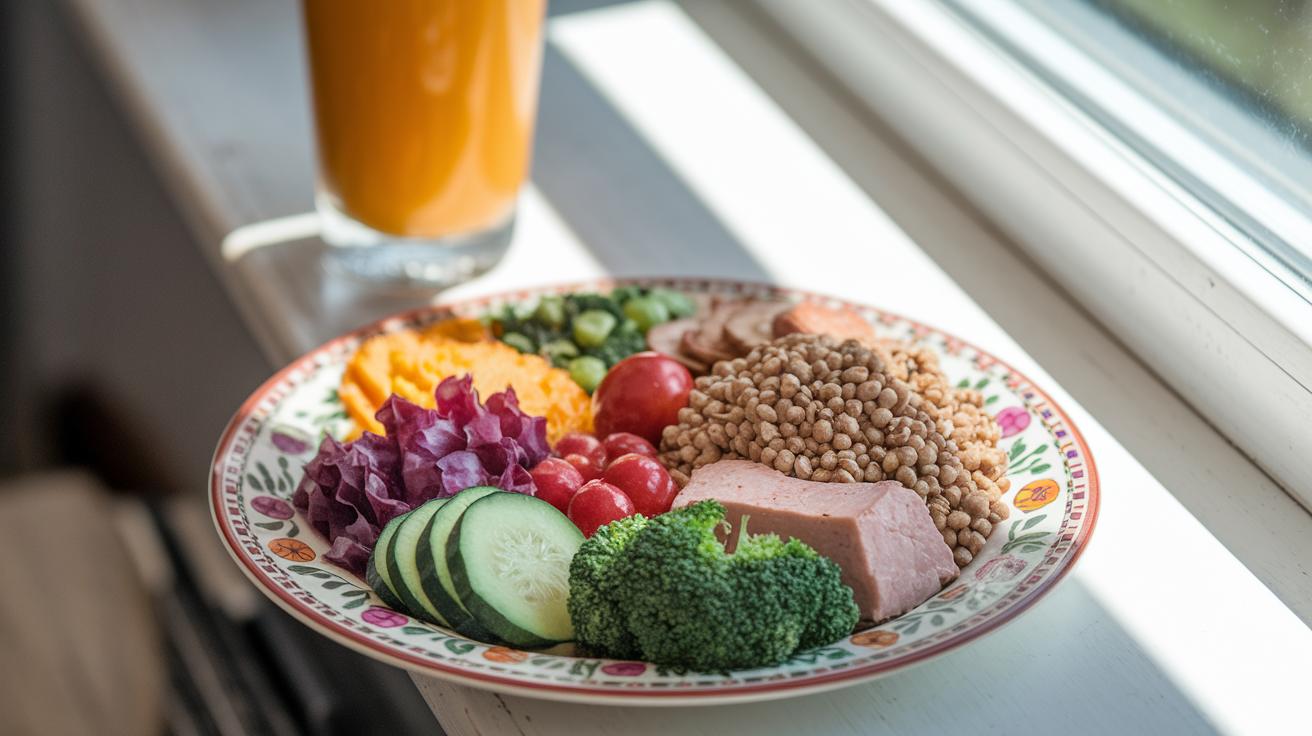
Nutrient dense foods are like little powerhouses, delivering proteins, healthy fats, fiber, vitamins, and minerals all at once. They give you a solid burst of nutrition with every bite, helping your body run smoothly throughout the day.

Legumes, such as chickpeas, are amazing because they offer plant-based protein along with fiber to keep your energy steady. Almonds toss in healthy fats with vitamin E, which is great for helping your cells repair themselves. And even a small serving of chocolate milk can give you enough protein and carbohydrates to support your muscles after a good workout.

Blueberries, on the other hand, are a superstar for micronutrients. They come loaded with fiber, antioxidants, and resveratrol, all known for protecting your cells and keeping your heart healthy. Every nutrient dense food brings a unique mix of vitamins and minerals that can help improve eye health, boost your immune system, and support overall wellness.

Together, these macro- and micronutrient highlights form a full package that fuels your energy, aids recovery, and builds a foundation for long-term well-being.

Practical Meal Planning with Nutrient Dense Foods

Imagine a plate where half is filled with a colorful mix of veggies, a quarter with lean proteins, and another quarter with whole grains. This simple method, inspired by Mediterranean eating, highlights fresh veggies, lean meats, and smaller, well-paced meals throughout the day. Eating nutrient-packed foods gives your body steady fuel, so you can enjoy lasting energy and overall wellness.

When snack time rolls around, opt for choices that add nutrition without extra calories. Think of crisp pickled veggies like cucumbers and carrots paired with a little hummus, they offer a delightful crunch and plenty of beneficial nutrients. These light treats keep hunger at bay and help you power through your day until the next meal.

While planning your meals for the week, try to include superfoods that boost the nutritional value of your dishes. For instance, ripe mangoes are a great choice because they’re low in calories but high in fiber and vitamins A and C, adding a burst of natural sweetness to your menu. Setting aside some time each week to prepare versatile dishes and batch-cook meals makes healthy eating feel simple and attainable.

Cooking Techniques to Preserve Nutrient Density
img-3.jpg

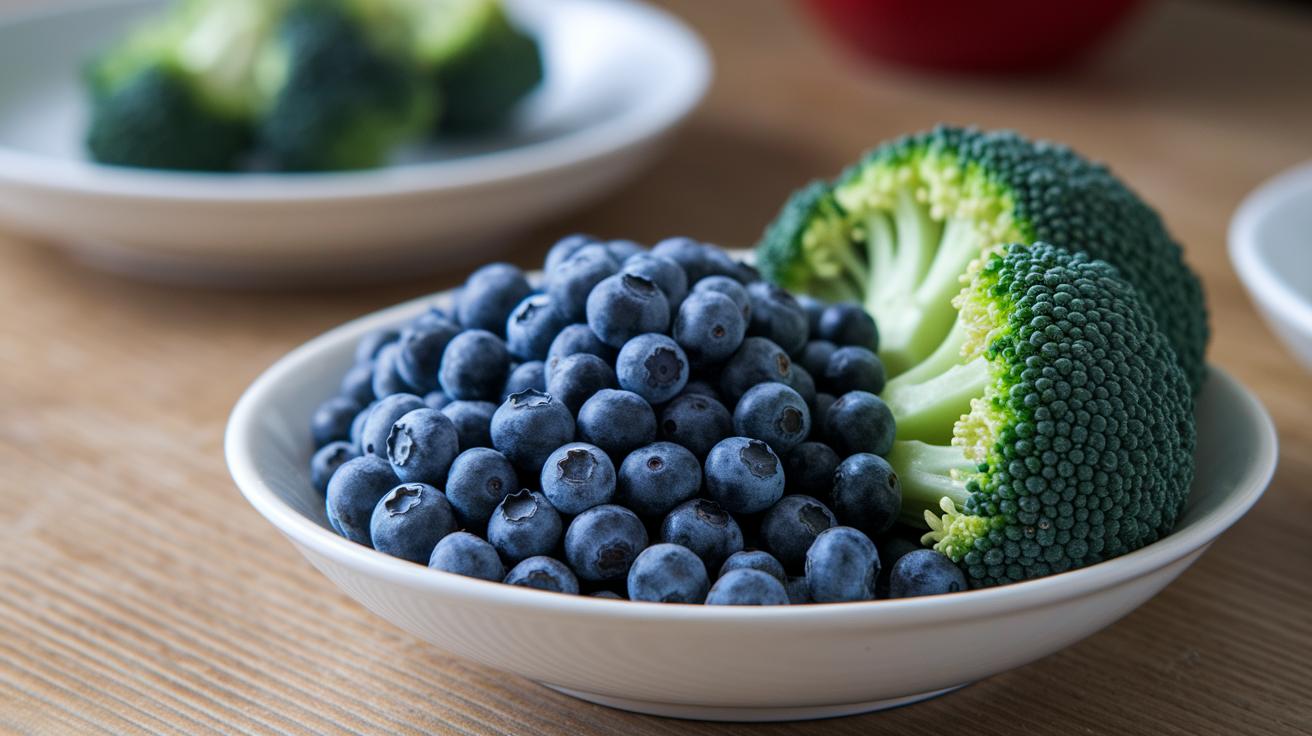
When it comes to keeping your food's natural goodness, preparing foods raw can really make a difference. For example, frozen blueberries tend to hold on to their fiber and antioxidants better than fresh ones, since they're frozen right away. This means a cool bowl of fruit keeps its benefits without being heated up too much.

Another handy tip is to use gentle steaming or blanching. Steaming broccoli for just 5 to 10 minutes helps it keep important compounds like glucosinolates, which support your body’s natural detox process. It not only preserves its crunch and flavor but also ensures you get the full nutrient boost.

Cooking with just a little water is key too. Rinsing quinoa and then simmering it in minimal water helps it retain its protein and fiber instead of washing these nutrients away. Even lightly toasting almonds can help lock in vitamin E, so your small, crunchy snack is as nutritious as it is delicious.

Final Words

In the action, we explored how nutrient-packed foods boost overall wellness. We looked at how kale, along with spinach, broccoli, salmon, and quinoa, offer different benefits through vitamins, minerals, and antioxidants. Key concepts like nutrient density scoring and smart meal planning show how science fits into everyday choices and proper cooking techniques.

Kale stood out in our review, leaving you with a clear answer to what is the most nutrient dense food. Stay positive and enjoy creating healthful, delicious meals each day.

FAQ

What is the most nutrient dense food in the world?

The most nutrient dense food is often identified as kale because it provides abundant vitamins A, C, and K, manganese, and antioxidants in every calorie.

Is liver the most nutrient dense food?

The fact is liver is very nutrient rich, yet kale often tops lists due to its well-rounded profile, offering a balanced mix of essential vitamins and antioxidants.

What food has all 13 vitamins?

The answer is no single food contains all 13 vitamins completely; a varied diet including leafy greens, lean proteins, and fruits is necessary to cover every vitamin need.

What is the #1 healthiest food in the world?

The evidence suggests that kale ranks among the healthiest foods because of its superior nutrient density and natural ability to support heart health and lower cholesterol.

Why are nutrient dense foods important?

Their importance lies in delivering high levels of vitamins, minerals, and antioxidants per calorie, which helps support overall health and sustained energy without excessive caloric intake.

What nutrient-dense foods span different food groups?

Nutrient-dense foods include vegetables like kale and spinach, lean meats such as liver, antioxidant-rich fruits, and nuts like almonds, each contributing unique vitamins and minerals.

What two foods can you survive on?

In truth, survival on only two foods is not feasible for complete nutrition; a balanced diet with multiple nutrient-rich sources is essential for long-term health.

Is there a nutrient-dense foods chart available in PDF?

Yes, numerous resources and research institutions offer nutrient-dense foods charts in PDF format, making it easier to compare the nutritional benefits of various foods.

Have you ever wondered which food really packs the most nutrition? Imagine biting into something that fills you with vitamins, minerals, and antioxidants, all in one go. That food is kale. This leafy green is full of vitamin A (great for your eyes), vitamin C (helps your body heal), and vitamin K (supports strong bones). It also brings a good dose of manganese and antioxidants that help keep you feeling your best. Kale shows us that healthy eating can be both tasty and practical. Could this vibrant green superfood be the secret to a healthier diet for you?

Kale: Identified as the Most Nutrient Dense Food

Nutrient density is all about how many essential vitamins and minerals you get from the calories you eat. Plant foods really shine here since they’re loaded with the good stuff without piling on the calories. When you choose foods that pack a nutritional punch, you’re giving your body exactly what it needs.

Kale earns top marks among nutrient-packed foods. Think about it: spinach is great for your eyes with nutrients like lutein, and broccoli brings detox-friendly compounds like glucosinolates to the table. But kale? It goes further by offering a powerhouse of antioxidants that help manage cholesterol and a balanced range of vitamins and minerals that even almonds, known for their vitamin E, can’t match.

  • Vitamin A
  • Vitamin C
  • Vitamin K
  • Manganese
  • Antioxidants

Kale is also wonderfully versatile in the kitchen. Whether you toss it raw into a salad, blend it into a vibrant smoothie, or give it a quick cook to lock in its nutrients, it fits naturally into any meal plan. It doesn’t just top the superfood charts, it makes healthy eating simple and delicious.

How Nutrient Density Is Measured and Defined

img-1.jpg

Nutrient density is a way to see how many vitamins, minerals, and antioxidants you get for each calorie you eat. It ranks foods based on their micronutrient content, so even a small bite can pack a nutritional punch. Imagine scoring a meal as if it had a report card on how healthy it is, that’s the idea behind nutrient density.

Experts often use scoring systems like the ANDI index to judge this quality. These systems look at things like the food’s antioxidant power and its vitamin and mineral amounts. For example, when using ORAC values (a measure of antioxidant capacity), kale often scores higher than many other greens. Fun fact: Kale’s ANDI index score is so impressive that it can compete with some fruits, showing that leafy greens are just as effective.

However, these scoring systems aren’t perfect. They measure individual nutrients well but might not show how easily your body absorbs them or how nutrients work together in whole foods.

Comparing Top Nutrient Dense Foods Across Food Groups

When you look closely at some of the most nutrient-packed foods, it's like discovering little powerhouses for your body. Each option offers something special, whether it’s eye-friendly pigments, heart-loving fatty acids, or a burst of antioxidants. Here, we’re diving into five well-known foods brimming with vitamins, minerals, and health-boosting compounds. So, if you’re chasing detox benefits, crystal clear vision, or a happy heart through omega-3s, this guide makes picking nutritious ingredients a breeze.

Food Item Food Group Primary Nutrients
Kale Leafy Green Glucosinolates, Antioxidants, Vitamins A, C, and K
Spinach Leafy Green Lutein and Zeaxanthin
Broccoli Cruciferous Vegetable Glucosinolates and Antioxidants
Salmon Seafood Omega-3 Fatty Acids
Quinoa Whole Grain Fiber, Complete Protein, and Low Glycemic Index

Each superfood brings unique benefits to the table. For example, kale and broccoli deliver powerful detox compounds and antioxidants that help keep your body in balance. Spinach, on the other hand, is well-loved for supporting eye health with natural pigments. Then there’s salmon, which supplies heart-healthy omega-3s prized for cardiovascular support, while quinoa offers a wholesome mix of fiber and protein to keep your energy steady. In short, this clear comparison helps you mix and match ingredients that are not only tasty but also build a strong nutritional foundation.

Macro- and Micronutrient Profiles of Nutrient Dense Foods

img-2.jpg

Nutrient dense foods are like little powerhouses, delivering proteins, healthy fats, fiber, vitamins, and minerals all at once. They give you a solid burst of nutrition with every bite, helping your body run smoothly throughout the day.

Legumes, such as chickpeas, are amazing because they offer plant-based protein along with fiber to keep your energy steady. Almonds toss in healthy fats with vitamin E, which is great for helping your cells repair themselves. And even a small serving of chocolate milk can give you enough protein and carbohydrates to support your muscles after a good workout.

Blueberries, on the other hand, are a superstar for micronutrients. They come loaded with fiber, antioxidants, and resveratrol, all known for protecting your cells and keeping your heart healthy. Every nutrient dense food brings a unique mix of vitamins and minerals that can help improve eye health, boost your immune system, and support overall wellness.

Together, these macro- and micronutrient highlights form a full package that fuels your energy, aids recovery, and builds a foundation for long-term well-being.

Practical Meal Planning with Nutrient Dense Foods

Imagine a plate where half is filled with a colorful mix of veggies, a quarter with lean proteins, and another quarter with whole grains. This simple method, inspired by Mediterranean eating, highlights fresh veggies, lean meats, and smaller, well-paced meals throughout the day. Eating nutrient-packed foods gives your body steady fuel, so you can enjoy lasting energy and overall wellness.

When snack time rolls around, opt for choices that add nutrition without extra calories. Think of crisp pickled veggies like cucumbers and carrots paired with a little hummus, they offer a delightful crunch and plenty of beneficial nutrients. These light treats keep hunger at bay and help you power through your day until the next meal.

While planning your meals for the week, try to include superfoods that boost the nutritional value of your dishes. For instance, ripe mangoes are a great choice because they’re low in calories but high in fiber and vitamins A and C, adding a burst of natural sweetness to your menu. Setting aside some time each week to prepare versatile dishes and batch-cook meals makes healthy eating feel simple and attainable.

Cooking Techniques to Preserve Nutrient Density

img-3.jpg

When it comes to keeping your food's natural goodness, preparing foods raw can really make a difference. For example, frozen blueberries tend to hold on to their fiber and antioxidants better than fresh ones, since they're frozen right away. This means a cool bowl of fruit keeps its benefits without being heated up too much.

Another handy tip is to use gentle steaming or blanching. Steaming broccoli for just 5 to 10 minutes helps it keep important compounds like glucosinolates, which support your body’s natural detox process. It not only preserves its crunch and flavor but also ensures you get the full nutrient boost.

Cooking with just a little water is key too. Rinsing quinoa and then simmering it in minimal water helps it retain its protein and fiber instead of washing these nutrients away. Even lightly toasting almonds can help lock in vitamin E, so your small, crunchy snack is as nutritious as it is delicious.

Final Words

In the action, we explored how nutrient-packed foods boost overall wellness. We looked at how kale, along with spinach, broccoli, salmon, and quinoa, offer different benefits through vitamins, minerals, and antioxidants. Key concepts like nutrient density scoring and smart meal planning show how science fits into everyday choices and proper cooking techniques.

Kale stood out in our review, leaving you with a clear answer to what is the most nutrient dense food. Stay positive and enjoy creating healthful, delicious meals each day.

FAQ

What is the most nutrient dense food in the world?

The most nutrient dense food is often identified as kale because it provides abundant vitamins A, C, and K, manganese, and antioxidants in every calorie.

Is liver the most nutrient dense food?

The fact is liver is very nutrient rich, yet kale often tops lists due to its well-rounded profile, offering a balanced mix of essential vitamins and antioxidants.

What food has all 13 vitamins?

The answer is no single food contains all 13 vitamins completely; a varied diet including leafy greens, lean proteins, and fruits is necessary to cover every vitamin need.

What is the #1 healthiest food in the world?

The evidence suggests that kale ranks among the healthiest foods because of its superior nutrient density and natural ability to support heart health and lower cholesterol.

Why are nutrient dense foods important?

Their importance lies in delivering high levels of vitamins, minerals, and antioxidants per calorie, which helps support overall health and sustained energy without excessive caloric intake.

What nutrient-dense foods span different food groups?

Nutrient-dense foods include vegetables like kale and spinach, lean meats such as liver, antioxidant-rich fruits, and nuts like almonds, each contributing unique vitamins and minerals.

What two foods can you survive on?

In truth, survival on only two foods is not feasible for complete nutrition; a balanced diet with multiple nutrient-rich sources is essential for long-term health.

Is there a nutrient-dense foods chart available in PDF?

Yes, numerous resources and research institutions offer nutrient-dense foods charts in PDF format, making it easier to compare the nutritional benefits of various foods.

More from author

LEAVE A REPLY

Please enter your comment!
Please enter your name here

Related posts

Advertismentspot_img

Latest posts

How To Create A Daily Wellness Routine: Thriving

Curious about how to create a daily wellness routine that transforms your mornings and days? Read on as secrets await…

2 Daily Wellness Drink Tips For Radiance

Experience a daily wellness drink with natural herbs, green ingredients, and clinical backing that might change your routine forever, stay tuned.

Daily Wellness: Elevate Your Everyday Vitality

Daily wellness transforms everyday routines into mindful adjustments, merging nutrition, movement, and restorative sleep. What unforeseen practice awaits you next?

Want to stay up to date with the latest news?

We would love to hear from you! Please fill in your details and we will stay in touch. It's that simple!