Which Nutrient Has The Greatest Energy Density: Amazing

Have you ever noticed that even a little bit of fat packs an unexpected energy punch? Fat gives you nine calories per gram, while carbohydrates and proteins stick to about four. That means a small amount of fat can fuel you more than a whole heap of other nutrients. This energy boost can really shake up how you plan your meals. Understanding this simple fact can totally change how you balance quick energy with steady, long-lasting fuel.

Fat: The Highest Energy Density Macronutrient

When we talk about energy density, we're simply looking at the number of calories each gram of a nutrient carries. Fat tops the chart by providing about 9 calories in every gram, much more than the roughly 4 calories you get from carbohydrates or proteins. It might surprise you that even a small bit of fat packs such a powerful energy punch. Think of it this way: while a soft drink might offer quick energy but little nutrition, fruits like strawberries give you essential vitamins without overloading on calories.

This concentrated burst of energy from fat plays a big role in how we plan our meals, whether we're trying to manage our weight or keep our energy steady throughout the day. With fat, you get a richer calorie boost in a smaller serving, which is why it often comes up in discussions about balancing a healthy diet.

  • Fat provides roughly 9 kcal per gram.
  • Carbohydrates and proteins deliver about 4 kcal per gram each.
  • Because of its high energy density, fat is a significant source of energy in our diets.

Energy Density Comparison of Carbohydrates, Proteins, and Fats

img-1.jpg

Carbohydrates spark your energy in a flash, proteins lend a hand in repairing muscles, and fats offer a slow, steady release of fuel. Both carbs and proteins provide about 4 calories per gram, while fats pack roughly 9 calories per gram. This breakdown helps you balance quick bursts of energy with the need for lasting strength during lighter activities.

Imagine you're gearing up for a workout. Carbs are like that sudden burst of sunlight, quick and bright, think of a runner munching a banana for an instant lift. Proteins, on the other hand, work quietly, rebuilding and repairing muscles like a construction team setting up a solid framework. And fats? They act as a gentle, enduring glow, keeping you fueled throughout the day.

Macronutrient Calories per Gram Primary Roles
Carbohydrates 4 Quick energy and brain power
Proteins 4 Muscle repair and growth
Fats 9 Lasting energy and cell support

Understanding these energy values can guide your meal planning, like following a recipe. Mix the right amount of carbs for that immediate spark, add proteins for strength, and include fats for long-lasting support. This simple guide connects calorie counts with their roles, making it easier to size up your portions and plan meal timings.

How Energy Density of Nutrients is Determined

Direct calorimetry measures the energy released when food is burned in a device called a bomb calorimeter. Imagine feeling the gentle warmth from a burning candle, but in a lab setting. This method turns all the energy stored in food into heat, giving scientists a clear picture of its calorie content.

Today, researchers often use food databases and formulas to estimate energy density without burning every sample. These digital tools rely on known chemical values to convert nutrient amounts into calorie numbers. Here’s a simple process to calculate calories per gram:

  1. Weigh each macronutrient in grams.
  2. Multiply each weight by its specific calorie value.
  3. Add up all the calories.
  4. Divide the total calories by the food’s overall weight.

This easy-to-follow method makes calorie tracking efficient and helps in planning a balanced diet.

High Energy Density Foods to Consider
img-2.jpg

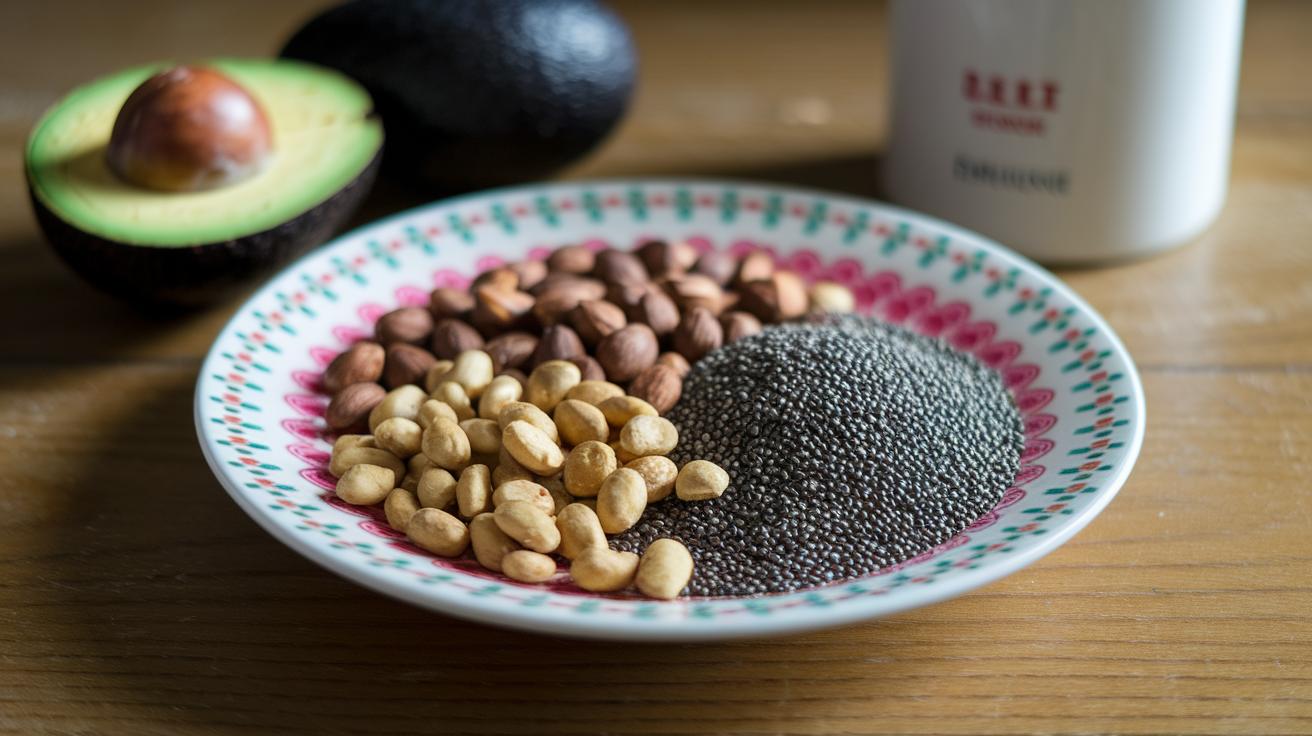
Ever feel like you need a little extra pep in your step? High energy density foods deliver a hefty calorie boost in small portions, making them a smart choice when you need sustained energy throughout your day. Think of these foods as concentrated little powerhouses that fuel you up without needing to eat mountains of food.

For instance, olive oil has about 120 calories per tablespoon, a true liquid gold that not only adds flavor but also packs in those healthy fats. Nuts, like crunchy almonds, offer around 160 calories per ounce along with a bundle of vitamins and minerals. And don’t underestimate chia seeds; even with roughly 60 calories per tablespoon, these tiny seeds combine healthy fats with fiber to help keep you going. Then there’s fatty fish, such as salmon, coming in at nearly 240 calories per 100 grams and loaded with omega-3s and protein to support brain and heart health. Lastly, a medium avocado supplies about 240 calories along with a creamy texture, vitamins, and fiber to sustain your energy longer.

Each of these foods not only boosts your calorie intake but also delivers a variety of important micronutrients. For example, almonds are jam-packed with around 21 different vitamins and minerals, while a humble avocado might offer up to 22 essentials, including folate and fiber. So, when you mix these fat-rich options into your meals, you’re not just getting concentrated calories, you’re also nurturing your body with the building blocks it needs to keep you feeling your best.

Managing Dietary Energy Density for Health and Weight Control

Thinking about losing weight or just feeling healthier? One smart move is to lower the energy density of your meals. In simple terms, that means choosing foods that give you fewer calories per bite while still filling you up. For example, instead of drinking a sugary cola, try a bowl of juicy strawberries. You get a boost of vitamins without the extra calories.

Picture a plate filled with crisp cucumbers and fresh, leafy greens. These water-packed foods naturally trim the calorie load while keeping you satisfied. This approach not only helps manage your weight now but also builds a strong, nutrient-rich foundation for your long-term health, similar to tried-and-true methods for sustainable eating.

On the other hand, if your goal is to gain weight or boost your performance, you might need the opposite. Foods rich in healthy fats, like creamy avocados or a splash of olive oil, offer a concentrated dose of calories in a small serving. They provide a steady stream of energy, especially handy after a tough workout or on a busy day.

Here are a few quick ideas to remember:

Tip What to Do
Snack Swap Opt for whole fruits or veggies over refined, processed snacks.
Water-Rich Foods Choose foods high in water to keep hunger at bay without extra calories.
Portion Control Measure your servings to balance energy density with the right nutrients.

Incorporating Energy Density into Meal Planning

img-3.jpg

Planning meals that pack a nutritional punch can be fun and straightforward. Think of mixing lean proteins, hearty whole grains, and energy-packed healthy fats. Each ingredient plays its part, proteins help repair, whole grains keep your energy steady, and fats give you a rich, concentrated calorie boost.

Imagine a meal built on a simple template:

  • Lean protein to help your body fix and grow.
  • Whole grains that deliver a slow, steady energy.
  • Healthy fats that offer a burst of concentrated calories.

Need more ideas? Visit our meal planning nutritional strategies page at https://factcheckx.com?p=861.

Here’s a quick guide to get you started:

  1. Write down your ingredients, noting their calorie counts and nutrient benefits. For example, you might say, "Remember the crisp snap of fresh walnuts, they boost both energy and texture."
  2. Choose a healthy fat source as your concentrated energy pick.
  3. Combine these fats with lean proteins and fiber-rich whole grains.
  4. Use a digital calorie tracker to fine-tune your portions.
  5. Adjust your meal to hit your energy and nutritional goals perfectly.

Final Words

In the action, we broke down how energy density shapes our meals. We compared macronutrients, explained measurement techniques, and shared real food examples to guide balanced meal planning.

We also highlighted strategies for managing energy density for various health needs. Remember, knowing which nutrient has the greatest energy density helps make informed choices that boost everyday wellness and improve overall life balance.

FAQ

Which nonnutritive substance contributes energy but does not sustain life, and what is the international unit for measuring food energy?

The term refers to alcohol, which contributes energy (7 calories per gram) but isn’t essential for life, while food energy is measured in calories (kilocalories).

What does nutrient dense refer to?

The term nutrient dense describes foods that are rich in vitamins, minerals, and other beneficial components relative to their low calorie content, helping you get more nutrition without excess calories.

Which statement accurately describes vitamins?

Vitamins are organic compounds crucial for supporting metabolism and overall health, although they don’t directly provide energy like fats, carbohydrates, or proteins.

How many pounds of water are in a healthy 150-pound body?

A healthy 150-pound body contains roughly 90 pounds of water, which accounts for about 60% of the body’s total weight.

Which of the following does not represent one of the six classes of nutrients?

Alcohol does not belong, since the essential nutrient classes are carbohydrates, proteins, fats, vitamins, minerals, and water.

What do energy containing nutrients include?

Fats, carbohydrates, and proteins are the energy containing nutrients that provide the calories or energy your body needs to fuel daily functions.

What do calories or kcalories measure?

Calories or kilocalories measure the amount of energy available from food, indicating how much energy your body can obtain from its consumption.

Have you ever noticed that even a little bit of fat packs an unexpected energy punch? Fat gives you nine calories per gram, while carbohydrates and proteins stick to about four. That means a small amount of fat can fuel you more than a whole heap of other nutrients. This energy boost can really shake up how you plan your meals. Understanding this simple fact can totally change how you balance quick energy with steady, long-lasting fuel.

Fat: The Highest Energy Density Macronutrient

When we talk about energy density, we're simply looking at the number of calories each gram of a nutrient carries. Fat tops the chart by providing about 9 calories in every gram, much more than the roughly 4 calories you get from carbohydrates or proteins. It might surprise you that even a small bit of fat packs such a powerful energy punch. Think of it this way: while a soft drink might offer quick energy but little nutrition, fruits like strawberries give you essential vitamins without overloading on calories.

This concentrated burst of energy from fat plays a big role in how we plan our meals, whether we're trying to manage our weight or keep our energy steady throughout the day. With fat, you get a richer calorie boost in a smaller serving, which is why it often comes up in discussions about balancing a healthy diet.

  • Fat provides roughly 9 kcal per gram.
  • Carbohydrates and proteins deliver about 4 kcal per gram each.
  • Because of its high energy density, fat is a significant source of energy in our diets.

Energy Density Comparison of Carbohydrates, Proteins, and Fats

img-1.jpg

Carbohydrates spark your energy in a flash, proteins lend a hand in repairing muscles, and fats offer a slow, steady release of fuel. Both carbs and proteins provide about 4 calories per gram, while fats pack roughly 9 calories per gram. This breakdown helps you balance quick bursts of energy with the need for lasting strength during lighter activities.

Imagine you're gearing up for a workout. Carbs are like that sudden burst of sunlight, quick and bright, think of a runner munching a banana for an instant lift. Proteins, on the other hand, work quietly, rebuilding and repairing muscles like a construction team setting up a solid framework. And fats? They act as a gentle, enduring glow, keeping you fueled throughout the day.

Macronutrient Calories per Gram Primary Roles
Carbohydrates 4 Quick energy and brain power
Proteins 4 Muscle repair and growth
Fats 9 Lasting energy and cell support

Understanding these energy values can guide your meal planning, like following a recipe. Mix the right amount of carbs for that immediate spark, add proteins for strength, and include fats for long-lasting support. This simple guide connects calorie counts with their roles, making it easier to size up your portions and plan meal timings.

How Energy Density of Nutrients is Determined

Direct calorimetry measures the energy released when food is burned in a device called a bomb calorimeter. Imagine feeling the gentle warmth from a burning candle, but in a lab setting. This method turns all the energy stored in food into heat, giving scientists a clear picture of its calorie content.

Today, researchers often use food databases and formulas to estimate energy density without burning every sample. These digital tools rely on known chemical values to convert nutrient amounts into calorie numbers. Here’s a simple process to calculate calories per gram:

  1. Weigh each macronutrient in grams.
  2. Multiply each weight by its specific calorie value.
  3. Add up all the calories.
  4. Divide the total calories by the food’s overall weight.

This easy-to-follow method makes calorie tracking efficient and helps in planning a balanced diet.

High Energy Density Foods to Consider

img-2.jpg

Ever feel like you need a little extra pep in your step? High energy density foods deliver a hefty calorie boost in small portions, making them a smart choice when you need sustained energy throughout your day. Think of these foods as concentrated little powerhouses that fuel you up without needing to eat mountains of food.

For instance, olive oil has about 120 calories per tablespoon, a true liquid gold that not only adds flavor but also packs in those healthy fats. Nuts, like crunchy almonds, offer around 160 calories per ounce along with a bundle of vitamins and minerals. And don’t underestimate chia seeds; even with roughly 60 calories per tablespoon, these tiny seeds combine healthy fats with fiber to help keep you going. Then there’s fatty fish, such as salmon, coming in at nearly 240 calories per 100 grams and loaded with omega-3s and protein to support brain and heart health. Lastly, a medium avocado supplies about 240 calories along with a creamy texture, vitamins, and fiber to sustain your energy longer.

Each of these foods not only boosts your calorie intake but also delivers a variety of important micronutrients. For example, almonds are jam-packed with around 21 different vitamins and minerals, while a humble avocado might offer up to 22 essentials, including folate and fiber. So, when you mix these fat-rich options into your meals, you’re not just getting concentrated calories, you’re also nurturing your body with the building blocks it needs to keep you feeling your best.

Managing Dietary Energy Density for Health and Weight Control

Thinking about losing weight or just feeling healthier? One smart move is to lower the energy density of your meals. In simple terms, that means choosing foods that give you fewer calories per bite while still filling you up. For example, instead of drinking a sugary cola, try a bowl of juicy strawberries. You get a boost of vitamins without the extra calories.

Picture a plate filled with crisp cucumbers and fresh, leafy greens. These water-packed foods naturally trim the calorie load while keeping you satisfied. This approach not only helps manage your weight now but also builds a strong, nutrient-rich foundation for your long-term health, similar to tried-and-true methods for sustainable eating.

On the other hand, if your goal is to gain weight or boost your performance, you might need the opposite. Foods rich in healthy fats, like creamy avocados or a splash of olive oil, offer a concentrated dose of calories in a small serving. They provide a steady stream of energy, especially handy after a tough workout or on a busy day.

Here are a few quick ideas to remember:

Tip What to Do
Snack Swap Opt for whole fruits or veggies over refined, processed snacks.
Water-Rich Foods Choose foods high in water to keep hunger at bay without extra calories.
Portion Control Measure your servings to balance energy density with the right nutrients.

Incorporating Energy Density into Meal Planning

img-3.jpg

Planning meals that pack a nutritional punch can be fun and straightforward. Think of mixing lean proteins, hearty whole grains, and energy-packed healthy fats. Each ingredient plays its part, proteins help repair, whole grains keep your energy steady, and fats give you a rich, concentrated calorie boost.

Imagine a meal built on a simple template:

  • Lean protein to help your body fix and grow.
  • Whole grains that deliver a slow, steady energy.
  • Healthy fats that offer a burst of concentrated calories.

Need more ideas? Visit our meal planning nutritional strategies page at https://factcheckx.com?p=861.

Here’s a quick guide to get you started:

  1. Write down your ingredients, noting their calorie counts and nutrient benefits. For example, you might say, "Remember the crisp snap of fresh walnuts, they boost both energy and texture."
  2. Choose a healthy fat source as your concentrated energy pick.
  3. Combine these fats with lean proteins and fiber-rich whole grains.
  4. Use a digital calorie tracker to fine-tune your portions.
  5. Adjust your meal to hit your energy and nutritional goals perfectly.

Final Words

In the action, we broke down how energy density shapes our meals. We compared macronutrients, explained measurement techniques, and shared real food examples to guide balanced meal planning.

We also highlighted strategies for managing energy density for various health needs. Remember, knowing which nutrient has the greatest energy density helps make informed choices that boost everyday wellness and improve overall life balance.

FAQ

Which nonnutritive substance contributes energy but does not sustain life, and what is the international unit for measuring food energy?

The term refers to alcohol, which contributes energy (7 calories per gram) but isn’t essential for life, while food energy is measured in calories (kilocalories).

What does nutrient dense refer to?

The term nutrient dense describes foods that are rich in vitamins, minerals, and other beneficial components relative to their low calorie content, helping you get more nutrition without excess calories.

Which statement accurately describes vitamins?

Vitamins are organic compounds crucial for supporting metabolism and overall health, although they don’t directly provide energy like fats, carbohydrates, or proteins.

How many pounds of water are in a healthy 150-pound body?

A healthy 150-pound body contains roughly 90 pounds of water, which accounts for about 60% of the body’s total weight.

Which of the following does not represent one of the six classes of nutrients?

Alcohol does not belong, since the essential nutrient classes are carbohydrates, proteins, fats, vitamins, minerals, and water.

What do energy containing nutrients include?

Fats, carbohydrates, and proteins are the energy containing nutrients that provide the calories or energy your body needs to fuel daily functions.

What do calories or kcalories measure?

Calories or kilocalories measure the amount of energy available from food, indicating how much energy your body can obtain from its consumption.

More from author

LEAVE A REPLY

Please enter your comment!
Please enter your name here

Related posts

Advertismentspot_img

Latest posts

How To Create A Daily Wellness Routine: Thriving

Curious about how to create a daily wellness routine that transforms your mornings and days? Read on as secrets await…

2 Daily Wellness Drink Tips For Radiance

Experience a daily wellness drink with natural herbs, green ingredients, and clinical backing that might change your routine forever, stay tuned.

Daily Wellness: Elevate Your Everyday Vitality

Daily wellness transforms everyday routines into mindful adjustments, merging nutrition, movement, and restorative sleep. What unforeseen practice awaits you next?

Want to stay up to date with the latest news?

We would love to hear from you! Please fill in your details and we will stay in touch. It's that simple!