Ever wonder if natural foods can give you a boost? A diet full of fresh fruits, vegetables, whole grains, and lean proteins might be the key. When you skip processed snacks full of additives, you're keeping all the good nutrients intact. This means your body gets the vitamins, minerals, and fiber it needs to feel great. In this post, we'll show you how simple choices with whole foods can brighten your energy and lift your overall well-being.
Understanding a Diet of Whole Foods
A whole foods diet means eating foods in their natural form, with little to no processing. It’s all about choosing ingredients that are nearly untouched, so you really get all their natural nutrients without any extra additives. If you’re curious to learn more, check out what whole foods are all about (https://factcheckx.com?p=115). Think of it as picking the pure option over something that’s been heavily packaged.
This way of eating puts the spotlight on vegetables, fruits, whole grains like brown rice and quinoa, beans, seeds, and nuts, along with lean proteins. Instead of reaching for a processed snack, picture a baked potato served with crisp raw veggies, a simple, honest meal that nourishes you. Did you know that many of us used to eat plenty of processed foods, unknowingly missing out on vital nutrients?
By steering clear of refined carbohydrates like white flour and puffed rice, and by avoiding ultra-processed, packaged items, you’re keeping the natural vitamins, minerals, and fibers intact. Whole foods hold onto their nutritional goodness, while processed foods often come with additives and fewer benefits.
Comparing Whole Foods vs. Processed Meals in Your Diet
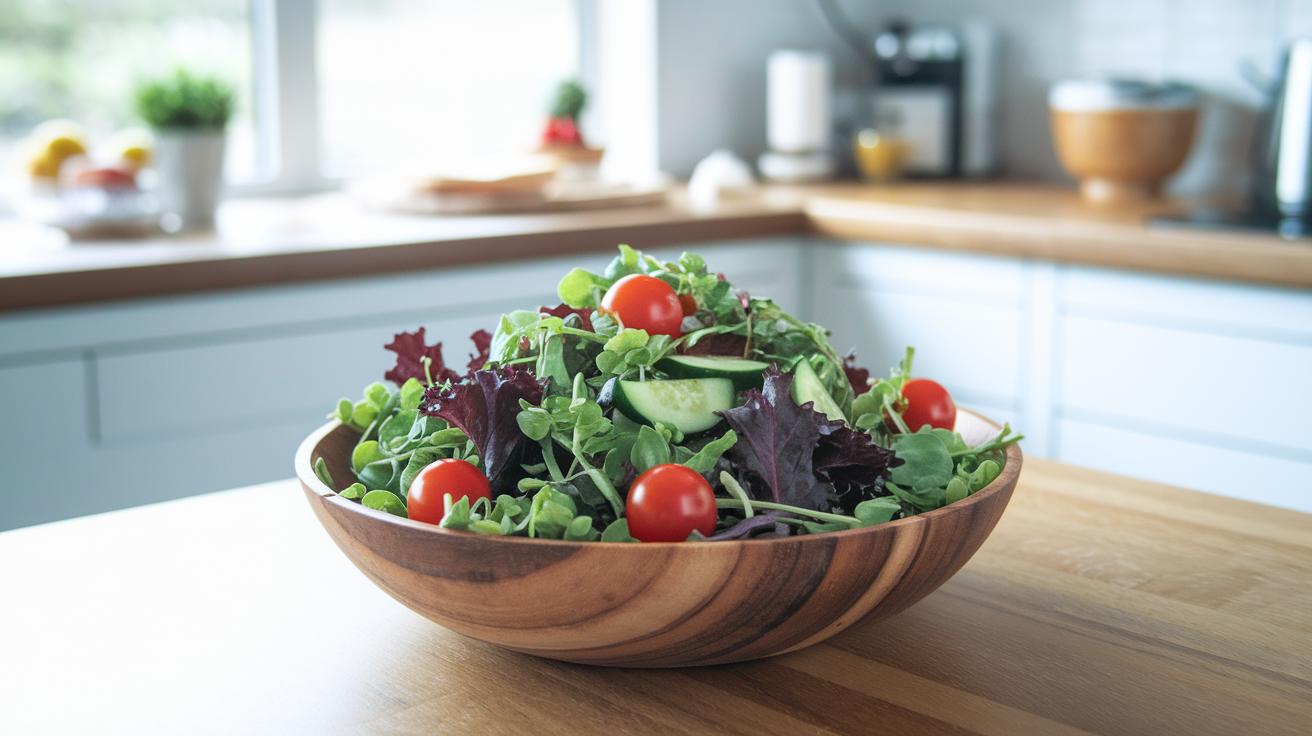
Eating minimally processed foods is a simple way to keep your meals close to their natural state. Think of a crisp, freshly washed salad or frozen vegetables that come without extra additives. These choices pack plenty of fiber and beneficial plant compounds, making them a solid option for your health.
On the flip side, many processed meals contain added sugars, refined starches, industrial oils, and preservatives. These extras can lower the nutritional value and may change the natural taste of your food.
Foods like jarred sauces and deli meats often lose important nutrients during processing. They also tend to include additives that you wouldn’t find in whole foods. Sticking with natural ingredients means you enjoy meals that support a balanced diet and overall well-being.
- Enhanced nutrient density thanks to less processing.
- Fewer added sugars and industrial oils.
- Natural fibers and vitamins remain intact.
- Minimal artificial preservatives.
- True, original flavors and textures.
- Refined starches replaced by whole grains.
- A better fit for a balanced, natural eating plan.
Health Benefits of Adopting a Whole Foods Diet
Switching to a whole foods diet means choosing meals packed with natural fiber, which helps you feel full longer and can support a healthy weight. With many adults in the U.S. facing extra weight issues, simple changes like starting your day with a bowl of oatmeal, berries, and nuts can make a big difference. This meal not only tastes great but also keeps you satisfied, helping to control hunger naturally.
Eating foods that are closer to their natural state may also help lower the risk of long-term illnesses. Research from 2018 found that when people consume more whole foods, they often enjoy a lower risk of heart disease, cancer, type 2 diabetes (a condition where the body struggles with insulin), obesity, and even some signs of memory loss. Imagine your body working smoothly like a well-tuned engine that runs best on fresh, nutrient-rich fuel, instead of the stress that comes with processed foods.
Whole foods also offer a rich mix of vitamins, minerals, and antioxidants while keeping extra fats and calories in check. Think about a crunchy, fresh snack like carrots with hummus as a tasty way to boost your daily nutrient intake. By focusing on these natural foods, you enjoy every bite packed with the nourishment your body needs to thrive.
Starting an Unprocessed Cuisine Regimen: Step-by-Step Guide

Starting an unprocessed food routine can boost your energy by focusing on wholesome, natural foods without extra additives. Using USDA suggestions for a 2,000-calorie diet helps you plan meals that are filling and rich in nutrients. Choosing more plant-based options also makes it easier to create healthy meals without refined ingredients.
-
Create your weekly meal plan around fresh vegetables, fruits, whole grains, beans, lean proteins, nuts, and seeds. Think of it like putting together a simple puzzle where each piece is a different food. This approach adds variety and balance to your meals.
-
When you shop, stick to the outer edges of the grocery store. Fresh produce, bulk grains, and other whole foods are usually located there. This method helps keep your pantry stocked with nutrient-rich choices.
-
Always check food labels carefully. This little extra time helps you avoid hidden additives such as extra sugar, refined flour, or processed oils. Reading the ingredients ensures you steer clear of unwanted extras in processed foods.
-
Choose items that are made from natural ingredients and are minimally processed. Aim for foods that list whole ingredients as the only components on the label.
- Read ingredient lists to spot hidden additives.
- Choose seasonal produce for the best flavor.
- Opt for bulk grains and legumes.
- Select frozen vegetables without extra salt or sugar.
- Pick items with minimal processing and short ingredient lists.
Fresh Nutrition Recipes and Real Ingredients Meal Planning
Breakfast
Begin your morning with a warm bowl of oatmeal crowned with bright berries, crunchy walnuts, and a sprinkle of flax and chia seeds. This comforting meal gives you antioxidants, healthy fats, and omega-3 benefits, all in one bite. It’s a simple way to kickstart your day with energy and keep you smiling all morning.
Lunch
For a fulfilling lunch, try a hearty quinoa bowl mixed with roasted sweet potatoes, crisp kale, and protein-rich chickpeas. Each ingredient brings its own vitamins, minerals, and fiber, working together to boost your focus and keep hunger at bay. It’s a fresh, vibrant pick-me-up that feels as good as it tastes.
Dinner
Wind down your day with a balanced dinner designed to support recovery and steady energy. Enjoy grilled salmon for lean protein and omega-3 fats, or choose tofu if you prefer plant-based options. Pair your protein with steamed broccoli and brown rice to complete a plate that fills half with veggies, a quarter with whole grains, and a quarter with lean protein. It’s a delicious way to nourish your body after a busy day.
| Meal | Main Ingredients | Estimated Calories |
|---|---|---|
| Breakfast | Oatmeal, Berries, Walnuts, Flax, Chia Seeds | 350 Calories |
| Lunch | Quinoa, Roasted Sweet Potatoes, Kale, Chickpeas | 500 Calories |
| Dinner | Grilled Salmon or Tofu, Steamed Broccoli, Brown Rice | 600 Calories |
Maintaining a Sustainable Nourishment Plan on a Whole Foods Diet

When you choose a whole foods diet, try to keep your mindset light and flexible. Instead of thinking of food choices as all or nothing, focus on building habits that fit naturally into your daily life. Small steps, like swapping soda for sparkling water or writing down what you eat in a simple journal, can make all the difference. It’s really about celebrating your progress rather than chasing an impossible perfection.
Sticking with whole foods over time brings real benefits. And yes, it's perfectly fine to treat yourself now and then, a small indulgence once a week won’t throw off your efforts. The key is to aim for steady, gradual changes that help you maintain a balanced diet without turning healthy eating into a rigid rule.
- Create a meal plan with an easy prep routine.
- Keep a daily log of your food choices.
- Follow a regular schedule for your meals.
- Mix and match ingredients to keep things interesting.
- Take a moment to celebrate each small win along your journey.
Final Words
In the action of embracing a diet of whole foods, we explored the power of minimally processed, natural ingredients. We covered key food groups, compared unrefined dietary routines with processed alternatives, and shared practical steps for a sustainable nourishment plan. Each section offered insights and recipes to help build healthier habits. Small shifts in your eating approach can brighten your overall well-being and inspire a more natural lifestyle. Cheers to making wise choices and boosting your health one meal at a time!
FAQ
What does whole food eating for beginners involve?
The whole food eating approach for beginners means choosing minimally processed foods like fresh vegetables, fruits, whole grains, lean proteins, and healthy fats while avoiding refined and packaged options.
What is a diet of whole foods plan and where can I find related resources?
A diet of whole foods plan focuses on natural, unprocessed items with recipes, meal plans, and PDF guides designed to help you transition to eating fresh produce, whole grains, and lean proteins.
How does a diet of whole foods support weight loss?
A whole foods diet supports weight loss by providing high-fiber, nutrient-dense foods that naturally control hunger and calorie intake, helping you maintain a balanced, sustainable eating pattern.
What are whole foods examples and what do you eat on a whole food diet?
A whole food diet includes examples like fresh vegetables, fruits, whole grains, legumes, nuts, seeds, and lean meats, all eaten in their natural state without added chemicals or excessive processing.
Can I include eggs in a whole food diet?
Eating eggs in a whole food diet is fine if you choose quality, minimally processed options since they offer natural protein and nutrients fitting well within this clean eating approach.
Are potatoes part of a whole food diet?
Yes, potatoes can be part of a whole food diet when prepared simply, such as baked or boiled, providing natural nutrients without the extra additives found in processed snacks.